
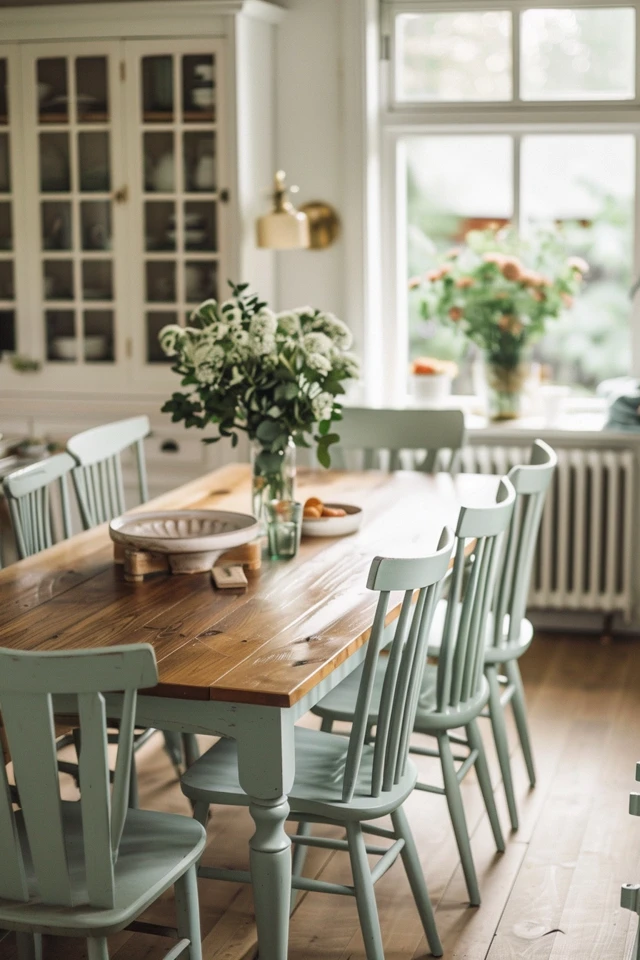
Farmhouse Dining Room Decor Ideas Unveiled
Farmhouse style has evolved significantly over the last decade. It has moved away from kitschy signage and overly distressed furniture toward a look that is refined, textured, and deeply comfortable. The modern farmhouse dining room is the heart of the home, balancing rugged durability with elegant simplicity.
It is a space where family meals happen, homework is finished, and friends gather for long evenings. Achieving this look requires more than just buying a trestle table. You must layer lighting, textiles, and architectural details to create a room that feels curated rather than catalog-ordered.
If you are looking for visual inspiration, check out our comprehensive Picture Gallery included at the end of this blog post.
The Foundation: Selecting the Right Table and Seating
The dining table is the undisputed anchor of a farmhouse dining room. In this design aesthetic, you want a piece that feels substantial and grounded. Look for solid wood tables with a matte finish rather than a high-gloss lacquer.
Reclaimed wood or white oak are excellent choices because they hide scratches and water rings better than polished mahogany. Imperfections in the wood grain actually add to the character of the room. If you are working with a tighter budget, a veneer top can work, but ensure the legs are solid wood for stability.
When it comes to seating, resist the urge to buy a matching set. The “collected” look is a hallmark of high-end farmhouse design. A common designer trick is to use upholstered captain’s chairs at the heads of the table and wooden spindle chairs on the sides.
If you have children or frequent house guests, consider a long bench on one side. A bench allows you to squeeze in more kids during holidays. However, be mindful of comfort; if you host long dinner parties, adults usually prefer the back support of a standard chair.
Designer’s Note: Scale is Everything
A common issue I see in client homes is a table that disrupts the flow of traffic. You must maintain at least 36 inches of clearance between the edge of your table and the nearest wall or piece of furniture. Ideally, you want 42 to 48 inches if people need to walk behind seated guests. If your room is narrow, opt for a darker wood finish on a smaller scale table to give it visual weight without cramping the physical space.
Lighting: The Jewelry of the Room
Lighting in a dining room serves two purposes: functional illumination for eating and ambient mood lighting for atmosphere. In a farmhouse setting, the fixture over the table is a major focal point.
Linear chandeliers are incredibly popular for rectangular tables. They distribute light evenly and complement the long lines of a harvest table. Look for fixtures featuring black iron, distressed wood, or seeded glass.
For round or square tables, a single oversized pendant or lantern works best. The material you choose helps dictate the vibe. Wood beads feel bohemian and coastal, while iron and clear glass feel more industrial and traditional.
Placement Rules of Thumb:
- Hang the bottom of the chandelier 30 to 36 inches above the tabletop.
- If your ceilings are higher than eight feet, add three inches of hanging height for every additional foot of ceiling.
- The fixture width should be roughly one-half to two-thirds the width of your dining table.
- Always install a dimmer switch. Farmhouse dining requires a warm glow, not a cafeteria glare.
Rugs and Textiles: Softening the Hard Edges
Farmhouse design relies heavily on wood and metal, which can make a room feel cold or echoey. A large area rug is essential for dampening sound and adding warmth.
Natural fiber rugs like jute or sisal are staples in this aesthetic. They offer incredible texture and a neutral base that lets the furniture shine. However, they can be rough on bare feet and difficult to clean if red wine spills.
For a more family-friendly option, look for “performance vintage” rugs. these are printed rugs made of synthetic materials that mimic the look of antique Persian or Turkish runners. They are often liquid-repellent and durable enough for high-traffic zones.
The 24-Inch Rule
This is the most critical rule for dining room rugs. The rug must extend at least 24 inches beyond the table on all sides. When a guest pulls their chair out to sit down, the back legs of the chair should remain on the rug. If the chair “hops” off the rug, the rug is too small, and it creates a tripping hazard.
Window treatments also play a massive role in softening the room. Avoid heavy, formal drapes. Instead, opt for light-filtering linen or cotton curtains in oatmeal, white, or soft gray. Mount the curtain rod as high as possible—closer to the ceiling than the window frame—to make the room feel taller.
Architectural Interest and Wall Treatments
Plain drywall can sometimes feel lackluster in a farmhouse dining room. Adding architectural detail is one of the highest-value changes you can make.
Shiplap is the most recognizable element, but it is easy to overdo. Instead of covering the whole room, consider a vertical shiplap wainscoting on the lower third of the wall. This adds durability against scuffs from chair backs and provides a nice shelf for leaning art.
Board and batten is another fantastic option that leans slightly more modern and traditional. A grid pattern on a focal wall can frame the dining set beautifully.
Color Theory for Farmhouse Spaces
- Warm Whites: Stark hospital white feels too cold. Look for creamy whites like Benjamin Moore’s White Dove or Sherwin Williams’ Alabaster.
- Greige: A blend of gray and beige offers depth while remaining neutral.
- Moody Accents: Don’t be afraid of dark colors. A charcoal or navy blue buffet or accent wall creates a stunning contrast against wood tones.
- Finish Matters: Use an eggshell finish for walls to allow for easy wiping, and a semi-gloss or satin for trim and wainscoting.
Styling the Buffet and Accessories
The buffet or sideboard is the secondary focal point of the room. It provides essential storage for linens and serving ware while offering a surface for display.
When styling a buffet, think in triangles. Anchor the center with a piece of art or a mirror hung about 4 to 6 inches above the surface. Flank this with taller items on the sides, such as buffet lamps or a tall vase with greenery.
Avoid cluttering the surface with small knick-knacks. In interior design, a few large statement pieces always look more expensive than a dozen small items. A large wooden dough bowl, a cluster of ceramic pitchers, or a substantial cutting board are all you need.
Greenery is Mandatory
A farmhouse room without life feels flat. Olive branches, eucalyptus, or magnolia leaves are classic choices. They have a sculptural quality and a muted green tone that fits the palette perfectly. If you lack a green thumb, high-quality preserved stems are a great investment over plastic-looking faux plants.
What I’d Do in a Real Project: A Designer’s Checklist
If I were designing a farmhouse dining room for a client today, this is the exact mental checklist I would follow to ensure the space works:
- Check the Floor Tone: If the floors are oak, I will not choose an oak table. I will choose a painted black table, a walnut table, or a stone-top table to create contrast.
- Test the Lighting Temperature: I will ensure all bulbs are 2700K (warm white). 3000K or higher is too blue for a dining setting.
- Select Durable Fabric: For upholstered chairs, I will choose Crypton or a performance blend that resists staining.
- Anchor the Centerpiece: I will choose a low, long trough or bowl for the table so guests can see over it while talking.
- Layer the Art: I will lean a smaller frame against a larger frame on the buffet to create depth rather than hanging everything flat on the wall.
Common Mistakes + Fixes
Even with good intentions, it is easy to veer off track. Here are three common errors I see in farmhouse dining rooms and how to correct them.
Mistake 1: The Theme Park Look
This happens when you buy every item that says “Farmhouse” on the tag. Signs that say “EAT” or “GATHER,” galvanized metal buckets, and excessive chicken wire can make the home feel cheap.
The Fix: Remove any decor with words on it. Replace metal buckets with ceramic or stoneware. Focus on materials like wood, linen, stone, and iron rather than thematic shapes.
Mistake 2: The “Floating Island” Rug
As mentioned earlier, a rug that is too small makes the room feel cramped and cheapens the furniture.
The Fix: If you cannot afford a large enough vintage rug, buy a large, inexpensive jute rug to cover the necessary square footage. You can then layer a smaller, patterned vintage rug on top of it.
Mistake 3: Matching Everything
Buying a dining set where the table, chairs, and buffet are all from the same collection creates a showroom look, not a home.
The Fix: Break up the set. Keep the table and sell the chairs, replacing them with a contrasting style. If you have a wood table and wood buffet, paint one of them.
Final Checklist for Your Space
Before you finalize your room, run through this quick punch list to ensure you have covered all the bases.
- Clearance: Is there 36 inches of walking space around the table?
- Rug Size: Do the chair legs stay on the rug when pulled out?
- Lighting Height: Is the chandelier 30-36 inches above the table?
- Texture Variety: Do you have wood, metal, glass, and fabric represented?
- Greenery: Is there at least one natural element (plant/flowers) in the room?
- Contrast: Is there a difference between the floor color and the table color?
Frequently Asked Questions
How do I mix modern and farmhouse styles?
The key is clean lines. Use a rustic wood table but pair it with modern, molded plastic chairs or sleek black metal chairs. Keep the color palette neutral and avoid heavy carving or ornamentation on the furniture.
What is the best paint finish for a dining room?
For walls, eggshell is the industry standard. It has a slight sheen that reflects light and is wipeable, but it hides drywall imperfections better than satin. For trim and baseboards, use semi-gloss for durability and contrast.
Can I use a round table in a farmhouse dining room?
Absolutely. Round pedestal tables are very traditional and encourage great conversation. A 60-inch round table can comfortably seat six people. Just ensure your rug is square or round to complement the shape.
How do I protect a wood farmhouse table from water rings?
If the wood is raw or waxed, it is susceptible to damage. You can apply a clear matte polyurethane for protection that doesn’t look plastic. Otherwise, embrace the patina—farmhouse style celebrates wear and tear. Using placemats and coasters is the best preventative measure.
Conclusion
Creating a beautiful farmhouse dining room is about balancing practicality with aesthetics. It should be a space that invites people to sit down and stay a while. By focusing on scale, layering textures, and avoiding the trap of “matchy-matchy” furniture, you can design a room that feels timeless.
Remember that this style is forgiving. Scratched wood and worn leather only add to the story of the home. Take your time selecting pieces that speak to you, and prioritize comfort above all else. When the lighting is dim and the chairs are comfortable, the memories made in the room will always outshine the decor.
Picture Gallery


