
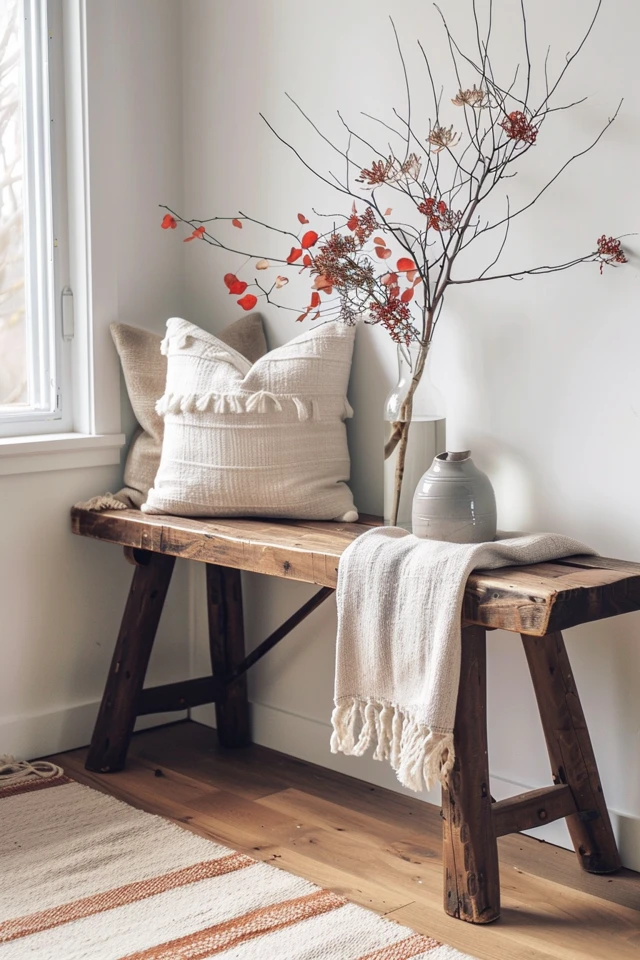
Farmhouse Entryway Bench Ideas for Welcoming Homes
The entryway is the handshake of your home. It creates the first impression for guests and, perhaps more importantly, sets the tone for you when you walk through the door after a long day. A well-chosen bench serves as the anchor of this space, offering a practical spot to untie shoes while defining the aesthetic of the house.
I vividly remember a project in a renovated farmhouse where the entryway was a constant source of stress for the client. They had a beautiful open foyer, but no designated “landing zone,” resulting in a chaotic pile of backpacks and boots. By introducing a sturdy, reclaimed wood bench with integrated storage, we solved the clutter issue and instantly warmed up the stark white walls.
Selecting the right bench goes beyond just picking a piece of furniture that looks good online. It requires balancing traffic flow, durability, and scale to ensure the piece enhances your life rather than getting in your way. If you are looking for visual inspiration, feel free to jump ahead to the curated Picture Gallery at the end of this blog post.
1. Defining the Farmhouse Aesthetic: It’s Not One Style
When clients ask for a “farmhouse” bench, I first have to determine which variation of the style they mean. The term has evolved significantly over the last decade. Understanding the nuance helps you shop more effectively and ensures the bench matches the rest of your architecture.
Modern Farmhouse
This is the most common interpretation today. It blends clean, contemporary lines with rustic materials. A modern farmhouse bench often features black metal legs paired with a raw, natural wood top. The silhouette is sleek and minimal, avoiding ornate carvings.
European or “Old World” Farmhouse
This style leans heavily into antiques and softness. Think of a spindled Windsor bench or a high-backed wooden settle that looks like it came from a French cottage. The woods are often darker or whitewashed, and the lines are curvier and more romantic than the modern variety.
Industrial Farmhouse
Here, the focus is on utility and ruggedness. You will see heavy iron accents, casters (wheels) on the bottom of the bench, and perhaps darker leather upholstery. This is a great choice for high-traffic homes with pets because the materials are generally indestructible.
Designer’s Note: The Texture Rule
In my projects, I never use a bench that matches the floor perfectly. If you have medium-tone oak floors, do not buy a medium-tone oak bench. It will disappear visually. Instead, opt for a painted finish (like matte black or sage green) or a wood tone that is at least two shades lighter or darker than the flooring. Contrast is key to making the bench feel intentional.
2. Sizing and Scale: The Numbers You Need
The biggest mistake homeowners make is buying a bench that doesn’t fit the scale of the room. A tiny bench on a large wall looks sad, while a deep bench in a narrow hallway creates a bottleneck.
Depth Matters Most
For a standard hallway or entryway, you need to maintain a clear walking path.
- Minimum Walkway: You must keep at least 36 inches of clear walking space in front of the bench.
- Ideal Bench Depth: Look for benches between 15 and 18 inches deep. Anything deeper than 20 inches usually encroaches too much on the room unless you have a grand foyer.
Length and Wall Placement
The length of the bench should relate to the wall it sits against or the artwork hanging above it.
- The 2/3 Rule: If you are placing a bench under a piece of art or a mirror, the bench should be roughly 1/3 wider than the art. If the bench is smaller than the frame above it, the arrangement will feel top-heavy.
- Breathing Room: If you are placing the bench in a niche or between two walls, leave at least 6 inches of clearance on either side. A bench that touches both walls looks cramped and makes cleaning the corners impossible.
Seat Height
Standard dining chair height is 18 inches. Your entryway bench should be in the range of 18 to 20 inches high. If it is lower than 17 inches, it becomes difficult for adults to stand up after putting on shoes. If it is higher than 21 inches, your legs might dangle, making it uncomfortable to tie laces.
3. Functionality and Storage Integration
In a farmhouse entryway, utility is just as important as beauty. This style is rooted in practicality, so your bench should work hard for you. This is especially true if you do not have a dedicated mudroom and your front door acts as the main drop zone.
The Cubby System
Open cubbies underneath the seat are excellent for families with children. It gives everyone a designated spot for their shoes. However, open storage can look messy. I always recommend using woven baskets (hyacinth or rattan) inside the cubbies to hide the visual clutter of neon sneakers while adding a nice texture.
The Flip-Top Bench
A bench with a hinged lid offers maximum storage volume but slightly less convenience. These are best for storing off-season items like winter scarves or heavy blankets. They are not ideal for daily shoe storage because you have to clear the top of the bench every time you need to retrieve something.
The Shelf Base
A simple slatted shelf near the floor is a classic farmhouse feature. It allows for air circulation around wet boots, which is crucial for drying. This is often the best choice for “wet” climates. If you choose this style, ensure there is at least 8 to 10 inches of height between the floor and the bottom shelf to fit taller boots.
4. Styling the Vignette: Creating a Moment
Once you have the physical bench, you need to style it to make it feel like part of the home. A naked bench often looks like a waiting room. We want it to look welcoming.
Textiles and Comfort
Hard wood benches are durable, but they aren’t cozy.
- Pillows: Add two pillows to the corners. In a farmhouse setting, look for ticking stripes, buffalo check, or heavy linens. Down-filled inserts create a more luxurious, “lived-in” slouch than stiff polyester fill.
- The Throw Blanket: Drape a textured throw (chunky knit or wool) over one arm or the back of the bench. This adds softness and creates an inviting atmosphere.
Wall Integration
The space above the bench is prime real estate.
- Hooks: Installing a row of hooks above the bench is classic farmhouse design. Mount the hook rail at approximately 60 to 65 inches from the floor. This allows long coats to hang without bunching up on the bench seat.
- Mirrors: A round or arched mirror works beautifully to break up the linear shapes of the bench and door. Plus, checking your reflection before leaving is a functional necessity.
- Sconces: If you are in the renovation phase, wire for two sconces flanking the mirror or artwork. This adds a layer of ambient light that makes the entry feel warm at night.
Common Mistakes + Fixes
Mistake: Choosing a fabric upholstered bench for a high-traffic mudroom.
Fix: Dirt and mud are inevitable. If you want upholstery, choose a bench with a wood frame and a removable cushion. Upholster the cushion in a performance fabric like Crypton or Sunbrella, which resist stains and can be scrubbed. Alternatively, leather wipes clean instantly.
Mistake: Ignoring the rug.
Fix: A bench can feel like it is floating if it’s just sitting on the hardwood. Anchor the space with a runner or a small area rug (3×5 or 4×6). The front legs of the bench should either sit completely off the rug or just overlapping the edge.
5. Material Selection and Durability
Farmhouse style celebrates age and imperfection, which is a huge advantage for families. You want materials that patina well rather than materials that look ruined the first time they get scratched.
Wood Finishes
Reclaimed wood is the gold standard here. It already has nail holes, knots, and variations in color. If your kid drops a toy truck on it, the new dent blends right in. Avoid high-gloss lacquers or perfect veneers; they will show every fingerprint and scratch.
Metal Accents
Look for matte black or oil-rubbed bronze hardware. These finishes hide dust and fingerprints much better than chrome or polished nickel. If you live in a coastal area, check that the metal is powder-coated to prevent rust from humid, salty air.
Basket Materials
If you use baskets for storage, avoid wicker that is brittle or sheds. Sea grass and water hyacinth are durable, but wire baskets can scratch the paint on your bench shelves. If you use wire baskets, attach felt pads to the bottom of the basket to protect the wood finish.
Final Checklist: What I’d Do in a Real Project
Before you purchase or build your entryway bench, run through this mental checklist to ensure it will work for the long haul.
- Measure the Traffic Pattern: I tape out the dimensions of the bench on the floor using painter’s tape. I walk past it carrying groceries. If I have to turn sideways, the bench is too deep.
- Check the Door Swing: Does the front door swing inward? Ensure the bench does not obstruct the arc of the door. Use a doorstop if necessary to prevent the handle from banging into the bench.
- Assess the “Drop” Volume: How many shoes actually live at the door? If it’s 10 pairs, a simple bench won’t cut it. You need deep storage or a separate shoe cabinet.
- Lighting Check: Is the corner dark? If so, I plan for a lamp on a nearby console or wall sconces above the bench.
- Fabric Audit: Do you have cats that scratch? Avoid woven textured fabrics (like boucle) and stick to tight weaves, canvas, or wood.
FAQs
Can I mix a modern bench with a traditional farmhouse house?
Absolutely. In fact, this creates a more curated, designer look. If your home has a lot of traditional molding and rustic floors, a clean-lined, modern spindle bench keeps the space from feeling like a time capsule. The contrast keeps the design fresh.
How do I keep the space above the bench from getting messy?
If you install hooks above the bench, limit them to “daily use” items. One coat and one bag per person. If you use the entryway hooks for long-term storage of everyone’s winter parka, it will bulge out and make sitting on the bench impossible.
What is the best way to clean a wooden farmhouse bench?
For raw or waxed wood, avoid harsh chemical cleaners. Dust regularly with a microfiber cloth. If it gets muddy, use a damp cloth with a tiny drop of mild dish soap, then dry immediately. Re-wax the wood once a year to keep it hydrated and repelling water.
Should the bench match the staircase railing?
It does not need to match, but it should coordinate. If your banister is a dark espresso stain, a light blonde pine bench might clash. Try to stay within the same undertone family (warm vs. cool) or go for a painted finish to sidestep the wood matching issue entirely.
Conclusion
A farmhouse entryway bench is a workhorse that masquerades as a decorative accent. It grounds your foyer, provides essential storage, and offers a moment of relief as you transition from the outdoors to the comfort of home.
By paying attention to scale, choosing forgiving materials, and styling with layers of texture, you can create an entry that is both resilient enough for muddy boots and beautiful enough to welcome your guests. Remember to measure twice, respect your traffic flow, and prioritize materials that age gracefully.
Picture Gallery


