
Fresh Kitchen Towel Hanger Ideas for Chic Spaces
Kitchen towels are the workhorses of the culinary space. They wipe up spills, dry delicate glassware, and handle hot pots daily. Yet, in many homes, they are tossed haphazardly over an oven handle or crumpled into a ball on the countertop.
Finding the right place to hang them is a blend of logistics and aesthetics. For those who need visual inspiration, I have curated a comprehensive Picture Gallery at the end of this blog post with real-world examples. A well-placed towel hanger elevates the kitchen from messy to curated.
In my design practice, I treat towel hardware like jewelry. It needs to function perfectly for your workflow while complementing the cabinetry and faucet finishes. Let’s dive into specific strategies to manage your linens with style.
1. The Integrated Pull-Out Cabinet
If you are undergoing a renovation or a cabinet refacing, the integrated pull-out is the gold standard. This solution completely hides the towel when it is not in use. It maintains the clean lines of a modern kitchen and keeps damp fabric away from food prep surfaces.
These units usually require a skinny base cabinet. I typically spec these fillers to be between 6 and 9 inches wide. They are often installed directly next to the sink for maximum ergonomic efficiency.
Installation measurements to know
When planning a pull-out rack, internal ventilation is critical. Damp towels inside a closed cabinet can create mildew. Look for pull-outs that have an open back or mesh siding to allow airflow from the toe kick.
Ensure the sliding mechanism is rated for moisture. Standard drawer glides can rust if wet towels constantly drip on them. Opt for stainless steel or heavy-duty epoxy-coated slides.
Designer’s Note:
A common mistake is placing this pull-out too close to a gas range. I once saw a layout where the towel pull-out was immediately adjacent to a high-BTU burner. This is a fire hazard if a loose towel edge catches a flame. Always keep at least 12 inches of clearance or a cabinet spacer between cloth storage and open flames.
Pros and cons of concealed storage
The biggest advantage is visual quiet. Your kitchen looks photo-ready instantly because the clutter is hidden. However, the downside is drying time.
If you bake often or wash hands frequently, you might generate too much moisture for a closed cabinet. In this case, I recommend a dual system: a hidden rack for drying dishes and an exposed bar for hand towels.
2. The Island End-Cap Bar
For open-concept homes, the kitchen island is the focal point. Utilizing the short end of the island for a towel bar is a brilliant use of “dead” space. It keeps the towel accessible from three sides but keeps it off the main working aisle.
This placement works exceptionally well in galley or L-shaped layouts. It creates a dedicated “cleaning station” zone that doesn’t interfere with the cooking triangle.
Choosing the right scale
Scale is the most common failure point here. If your island is 36 inches tall (standard counter height), the bar should not be placed arbitrarily.
I adhere to a specific placement rule. Mount the bar 3 to 4 inches below the countertop overhang. This prevents the towel from getting snagged on your hip as you walk by.
Regarding width, the bar should span roughly 50% to 60% of the island’s depth. If your island is 40 inches deep, look for a bar that is 20 to 24 inches long. A tiny 12-inch bar looks lost on a large island side panel.
Material durability
The end of an island is a high-traffic zone. It inevitably gets bumped by hips, grocery bags, and pets. You need solid metal hardware here, not hollow tubing.
Common mistakes + fixes:
- Mistake: Using a standard bathroom towel bar. Bathroom bars often have a high projection (sticking out too far).
- Fix: Source “appliance pulls” instead of towel bars. Appliance pulls are designed for heavy refrigerators. They have a lower profile and feel much more substantial in a kitchen setting.
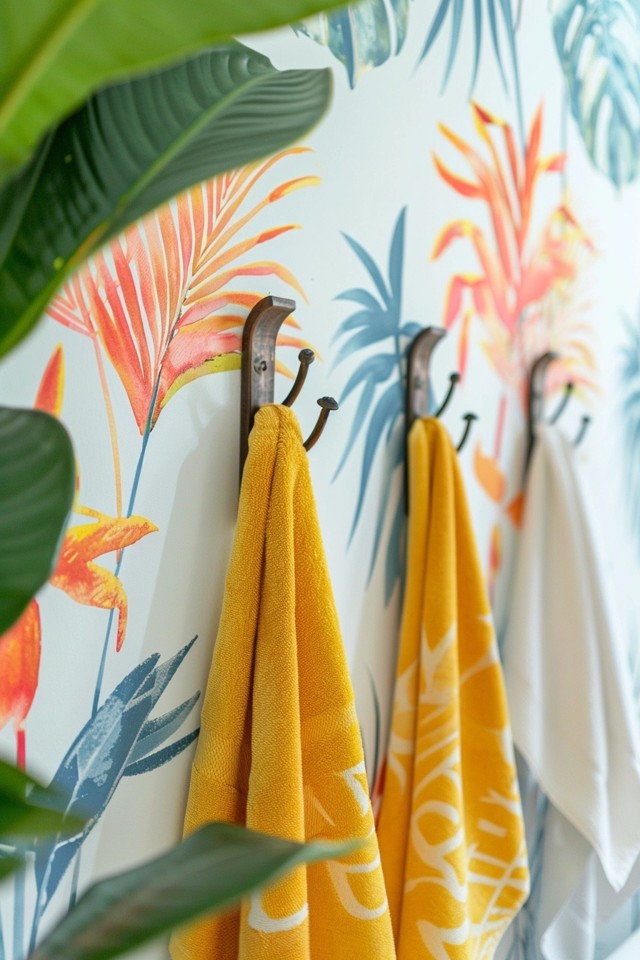
3. Exposed Wall Hooks and Peg Rails
If you prefer a more casual, lived-in aesthetic, wall hooks or Shaker-style peg rails are ideal. This look leans into the “cottagecore” or farmhouse style but can be adapted for modern spaces using sleek metals.
This approach is perfect for utilizing vertical wall space that is too narrow for cabinetry. It turns your linens into part of the decor, allowing you to display beautiful textiles.
Spacing logic for hooks
When installing multiple hooks, spacing is vital. Standard kitchen towels are roughly 16 to 20 inches wide when unfolded. When draped on a hook, they bunch up but still flare out at the bottom.
I recommend spacing individual hooks at least 8 to 10 inches apart center-to-center. This ensures that two damp towels hanging side-by-side do not touch. Air circulation is necessary for drying.
Height placement rules
Where you hang the hook depends on the user. For adults, eye-level placement (around 60 inches off the floor) can look cluttered.
I prefer mounting hooks at the backsplash level or slightly above counter height (48 to 52 inches off the floor). This keeps the visual weight lower and feels more integrated with the workspace.
What I’d do in a real project:
1. Buy a solid wood peg rail that matches the cabinetry paint color.
2. Cut it to fit the exact width of a small wall section near the sink.
3. Install it with drywall anchors rated for 20+ lbs (wet towels are heavy).
4. Use the shelf above the pegs for small decorative items or potted herbs.
4. Appliance Handle Integration
Using the oven or dishwasher handle is the default for many, but it is often done poorly. The problem is that most towels constantly slip off smooth horizontal bars.
While I usually advise against cluttering appliances, sometimes it is the only option in small apartments or rentals. The key is securing the towel so it doesn’t end up on the floor.
The magnetic solution
If you have a stainless steel fridge or dishwasher front that is magnetic, use heavy-duty magnetic hooks. However, you must be careful about scratches.
Look for magnetic hooks with a rubberized backing or felt pad. If you can’t find them, apply a small piece of adhesive felt to the magnet yourself. This protects the appliance finish.
Modifying the textile
Rather than changing the hardware, change the towel. I frequently suggest towels with button-tabs or velcro loops for clients with kids or pets.
Standard towels slide off when a child runs by. A button-loop towel stays fixed to the oven handle. If you are handy, you can sew a simple snap-loop onto your existing high-end linens to make them appliance-ready.
Designer’s Note:
Avoid hanging towels on the dishwasher handle if the dishwasher is right next to the sink. When you open the dishwasher door, the towel hits the floor. This is unsanitary. Use the oven handle instead, which usually opens fewer times per day than a dishwasher.
5. Under-Sink and Over-Door Solutions
For renters who cannot drill into cabinets or walls, over-the-cabinet-door bars are a lifesaver. However, most commercial options look cheap and rattle when you use them.
You can elevate this look by choosing bars that feature foam padding on the hook brackets. This prevents the metal from clanking against the wood door and protects the finish.
The “inside” mount
If you want the hidden look of a pull-out without the renovation cost, mount a small bar on the inside of the sink cabinet door.
This requires short screws. Cabinet doors are often only 3/4-inch thick. If you use a 1-inch screw, you will puncture the front of your cabinet face.
Installation safety check:
Always measure your screw length against the door thickness. Use a piece of tape on your drill bit to mark the depth so you don’t drill all the way through.
Wire baskets vs. bars
Another great interior option is a wire basket mounted to the door. This holds dry, clean towels. It frees up drawer space and keeps fresh linens right where you need them.
Final Checklist: Designing Your Towel Station
Before you buy hardware or drill holes, run through this quick checklist to ensure the location is practical for your specific lifestyle.
1. The “Drip Zone” Test
Stand at your sink. Can you reach the proposed towel location without taking a step? If you have to walk, you will drip water on the floor. The ideal radius is within 24 inches of the faucet.
2. The Obstruction Check
Open all nearby drawers, the dishwasher, and the oven. Does the hanging towel block any of these? Ensure the towel doesn’t get pinched in a drawer slide.
3. The Hardware Match
Does the finish match your faucet or cabinet pulls?
Polished Chrome: Pairs with cool tones, modern.
Unlacquered Brass: Living finish, patinas over time, organic.
Matte Black: High contrast, industrial.
Brushed Nickel: Forgiving of fingerprints, transitional.
4. The Fabric Factor
Heavy terry cloth towels need a bar to dry properly. Lightweight linen or Turkish cotton towels dry faster and work well on hooks. Match the hardware to your preferred fabric type.
FAQs
How high should a towel bar be mounted on a wall?
Ideally, mount it roughly 48 inches from the floor. This places it within easy reach but keeps it below standard eye level, reducing visual clutter. If mounting above a backsplash, center it in the available vertical space.
Can I mix metal finishes for my towel holder?
Yes. If your faucet is chrome, a matte black towel bar can look striking. However, avoid mixing two similar metals like brushed nickel and chrome; they look like a mistake. Go for contrast or an exact match.
What is the best towel material for quick drying?
Linen and waffle-weave cotton dry the fastest. Thick, plush terry cloth holds moisture longer and can develop a musty smell if not hung on a wide bar with good airflow.
How do I prevent damp towels from damaging wood cabinets?
Ensure there is an air gap. The towel bar should project at least 2 to 3 inches from the cabinet face. If using an over-the-door hook, stick a small felt bumper on the door behind where the towel hangs to keep damp fabric from resting directly on the wood finish.
Conclusion
A kitchen towel hanger is a small detail that makes a massive difference in daily functionality. It solves the issue of wet, crumpled linens and protects your cabinetry from water damage. Whether you choose a hidden pull-out for a minimalist look or a heavy brass bar on the island for a statement piece, the key is intentionality.
Stop treating your kitchen towels as an afterthought. By selecting the right hardware and placing it in the correct ergonomic zone, you create a kitchen that feels custom, thoughtful, and effortlessly chic.
Picture Gallery


