
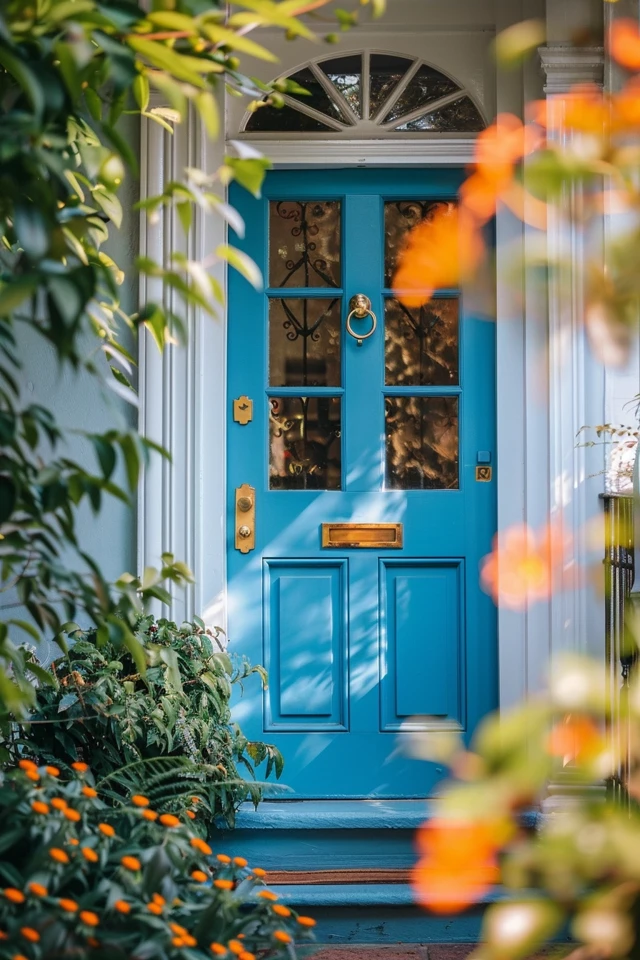
Front Door Window Covering Ideas for Stylish Entryways
Your front door is the first thing guests see, but for many homeowners, it is also a source of vulnerability. We all love natural light flooding into the foyer, but nobody enjoys that awkward moment when a delivery driver peers straight through the glass while you are walking around in your pajamas. Striking the balance between welcoming sunlight and necessary privacy is a specific design challenge that requires careful planning.
If you are looking for immediate visual inspiration to solve this dilemma, be sure to scroll down to the Picture Gallery at the end of this blog post. For those ready to dig into the mechanics of design, we need to talk about functionality before we talk about fabric. The entryway is a high-traffic, high-impact zone that deals with temperature fluctuations, dirty hands, and constant movement.
In this guide, I will walk you through the most practical and aesthetic solutions for covering front door windows, sidelights, and transoms. We will cover mounting depth, material durability, and how to maintain curb appeal from the street side. Whether you are renting an apartment or renovating a custom home, there is a solution that fits your door frame.
1. Roman Shades for a Tailored Look
Roman shades are often my first choice for front doors because they offer the softness of drapery without the bulk. When raised, they stack neatly at the top of the window, allowing maximum light entry. When lowered, they provide total privacy and can even offer thermal insulation.
The key to a successful Roman shade on a door is the “stack height.” You need to measure the distance between the top of the glass and the top of the door trim. If you mount the shade too low, the stack of fabric will permanently block the top 4 to 6 inches of your view, even when fully open.
Choosing the Right Fabric
- Performance Fabrics: I highly recommend using outdoor-rated acrylic fabrics or treated cotton blends for entryways. These resist fading from UV exposure and are easier to spot-clean if a muddy dog shakes off near the door.
- Liners: Always use a privacy or blackout liner. From the street, the back of the shade should look uniform (usually white or off-white). Unlined fabrics can look translucent and messy when back-lit by interior lights at night.
Designer’s Note: The “Slam” Factor
One thing that often goes wrong with door-mounted shades is the movement. Every time you open or close the door, a standard shade will swing out and bang against the glass. This is annoying and damages the finish over time.
The Fix: You must install “hold-down brackets” at the bottom of the door. These are small plastic or metal clips that secure the bottom rail of the shade to the door, keeping it taut when the door swings. Alternatively, magnetic hold-downs are a cleaner, less visible option for metal doors.
2. Sidelight Solutions: Curtains and Blinds
Sidelights—the tall, narrow windows flanking your main door—are notoriously difficult to dress. They are usually only 6 to 12 inches wide, which rules out many standard window treatments. The goal here is to create privacy without making the entryway feel claustrophobic or cluttered.
Shirred Curtains (Top and Bottom Rods)
This is the most traditional approach and works well for traditional or farmhouse aesthetics. You install a small sash rod at the very top and very bottom of the window frame. A sheer or semi-sheer fabric is stretched between them, gathered (“shirred”) for fullness.
- Fullness Ratio: For a luxurious look, the fabric width should be 2.5 to 3 times the width of the window. If the window is 10 inches wide, your fabric panel should be at least 25 to 30 inches wide before gathering.
- Hardware Placement: Mount the rods on the wood frame, not inside the glass bead, to maximize glass coverage.
Narrow Profile Blinds
If you prefer a more modern or transitional look, look for blinds specifically designed for narrow depths. 1-inch aluminum blinds or narrow cellular shades fit well here. Honeycomb (cellular) shades are particularly good because they trap air, providing a buffer against drafts coming through older sidelights.
Common Mistakes + Fixes
Mistake: Using dark-colored heavy drapes on sidelights.
Fix: This creates “black bars” on either side of your door, making the entry feel dark and narrow. Stick to light, neutral tones like ivory, white, or pale grey that blend with the trim.
3. The Portiere: Full Drapery for Drafts and Drama
A “portiere” is simply a curtain hung over a doorway. While this is an older concept, it is making a massive comeback in interior design, particularly for historic homes or spaces with poor insulation. This solution covers the entire door, including the frame, rather than just the glass.
This is the best option if you have a solid wood door with no glass but significant draft issues, or if you have a glass-heavy door and want total blackout capability at night. It adds softness, acoustic dampening, and a sense of luxury to the foyer.
Installation Mechanics
To make this work, you need a specialized rod. A “portiere rod” creates a hinge mechanism that attaches to the door frame and the door itself. When you open the door, the rod swings with it. However, for a simpler application, a ceiling-mounted track or a wall-mounted rod extended past the frame works best.
What I’d Do in a Real Project
- Material: I would choose a heavy velvet or a wool blend. These materials are excellent insulators and drape beautifully.
- Clearance: I would ensure the rod extends at least 10 to 12 inches past the door frame on the “hinge side.” This allows you to pull the curtain completely clear of the doorway during the day so it doesn’t get caught in the latch.
- Length: The curtain should “kiss” the floor (touching it lightly) or hover 1/4 inch above it. Do not let it puddle on an entryway floor; it will collect dust, moisture, and debris from shoes immediately.
4. Window Film: The Minimalist and Renter-Friendly Option
Sometimes, the best window covering is no “covering” at all. If your entryway is small, adding fabric or blinds can make it feel crowded. Window film is a thin laminate applied directly to the glass. It preserves the architectural lines of the door while solving the privacy issue.
Types of Film
- Frosted/Etched: This mimics sandblasted glass. It allows about 70-80% of light to pass through but blurs details completely. This is the safest bet for most design styles.
- Reeded/Fluted: This mimics the texture of vertical ribbed glass. It feels very mid-century modern or Art Deco.
- One-Way Mirror: This reflects the outside during the day, so neighbors only see themselves. However, be warned: at night, when your lights are on inside, the effect reverses, and people can see in.
Application Tips for DIYers
Most films rely on static cling or a water-based adhesive, making them removable. The secret to a bubble-free application is the “slip solution.” Mix water with a few drops of baby shampoo in a spray bottle.
Saturate the glass and the film. The liquid allows you to slide the film into the perfect position before you squeegee the water out. If you try to apply it dry, it will stick instantly, trap air bubbles, and look unprofessional.
5. Plantation Shutters for Durability
For a high-end, permanent solution, plantation shutters are unmatched. They add value to the home and offer excellent light control. You can tilt the louvers to direct light up towards the ceiling—illuminating the room while blocking the view from the street level.
Material Matters
Do not use real wood shutters on a front door unless you have a deep porch protecting it. The temperature difference between the conditioned indoor air and the exterior weather can cause real wood to warp or crack.
Instead, opt for high-quality composite or faux wood (PVC with a UV inhibitor). These materials are impervious to moisture and humidity. They can be wiped down with a damp cloth, making them ideal for households with pets that like to scratch at the door to go out.
Handle Clearance
The biggest hurdle with shutters is the door handle. Most handles impede the shutter frame. You have two options:
- Cut-outs: The shutter frame is custom-built with a curved cut-out around the handle or deadbolt.
- Lever Extension: You can purchase lever extenders or low-profile handles that sit further away from the glass surface, allowing the louvers to operate freely.
Final Checklist: Before You Buy
Before you order any treatment, run through this quick checklist to ensure fit and function.
- Check the Projection: Measure how far your door handle sticks out. Ensure your chosen blind or shade won’t hit the handle when lowered.
- Assess the Mounting Surface: Is your door metal, fiberglass, or wood? If it is metal (steel core), you cannot use standard wood screws. You will need self-tapping metal screws or magnetic rods.
- The “Street Test”: Tape a piece of paper or fabric sample to the glass and go outside at night. Turn the foyer lights on. Can you see shadows or silhouettes? Adjust opacity as needed.
- Door Swing Direction: If your door opens outward (rare, but possible in storm-prone areas), interior treatments usually work fine. If you have a storm door, ensure mounting hardware doesn’t interfere with its operation.
FAQs
Can I install window treatments on a metal door without drilling?
Yes. Magnetic curtain rods and magnetic blind brackets are excellent solutions for steel entry doors. They are surprisingly strong and can hold lightweight blinds or sheer curtains without voiding your door’s warranty or leaving permanent holes.
How do I clean fabric shades on a front door?
Front door treatments get dustier than other windows due to airflow. Vacuum Roman shades weekly using the upholstery attachment. If you use curtains, ensure they are machine washable. For sidelight sheers, look for synthetic blends (polyester) rather than 100% cotton, as they shrink less and release stains more easily.
What if my window has a curved top (arch)?
Arched windows are beautiful but tricky. Custom-shaped cellular shades are the most functional option, as they can be manufactured in a “sunburst” fan shape that opens and closes. Alternatively, many designers leave the arch open to let light in and only cover the rectangular portion below for privacy, assuming the arch is high enough that no one can peek through.
Should the door treatment match the other windows in the room?
It should coordinate, but it does not need to match exactly. The front door is a unique architectural feature. If you have white wood blinds in the living room, a white Roman shade with a textured fabric on the door is a lovely complement. The goal is to stay within the same color palette and formality level.
Conclusion
Treating the glass on your front door is about reclaiming your privacy without sacrificing the welcoming atmosphere of your entryway. It requires a balance of tough materials that can withstand daily use and soft textures that make a house feel like a home.
Start by assessing your privacy needs from the street, measure your handle clearance carefully, and choose materials that are easy to clean. Whether you opt for the architectural clean lines of shutters, the softness of a Roman shade, or the simplicity of frosted film, the right choice will elevate your curb appeal and your peace of mind.
Picture Gallery


