
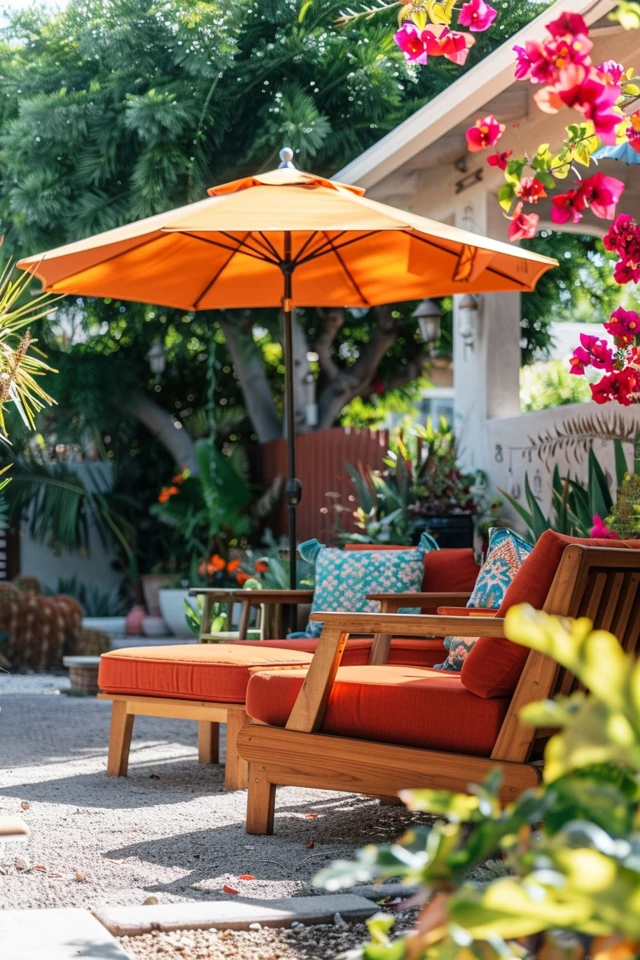
Title: Front Yard Sitting Area Ideas for Cozy Curb Appeal
Introduction
For years, the front yard has been treated as a visual formality—a space designed for neighbors to look at, rather than for homeowners to live in. However, as interior square footage becomes more precious, reclaiming this outdoor space is one of the smartest design moves you can make. It transforms a “pass-through” zone into a functional extension of your living room.
I remember a project in a dense neighborhood where the homeowners felt trapped in their kitchen because their backyard was entirely shaded and mossy. We looked at the front yard, which had perfect southern exposure, and realized we were ignoring 500 square feet of potential living space simply because it faced the street. By adding a low hedge buffer and a crushed gravel patio, we created their favorite spot for morning coffee. For a huge dose of inspiration, be sure to check out the Picture Gallery at the end of this post.
Creating a front yard sitting area requires a different approach than a backyard retreat. You have to balance privacy with approachability, and durability with comfort. This guide covers the practical steps to designing a front yard space that boosts curb appeal and actually gets used.
1. Assessing the Space and Planning the Layout
Before buying a single Adirondack chair, you must determine the function of the space. A front yard sitting area generally falls into two categories: a social “porch” vibe meant for interaction with neighbors, or a secluded courtyard meant for privacy. Your distance from the sidewalk usually dictates this.
If your sitting area is within 10 to 15 feet of the sidewalk, you are in the “social zone.” Here, the furniture should face outward or perpendicular to the street. If you are set back further, or have a retaining wall, you can create a more intimate, inward-facing conversation pit.
Designer’s Note: The Door Swing Rule
The most common layout error I see is placing furniture within the swing radius of the front door. Measure the width of your door (usually 36 inches) and add at least 12 inches of clearance. Nothing kills the vibe faster than having to shuffle furniture every time someone enters the house.
Layout Rules of Thumb:
- The Walkway Buffer: Ensure your main path to the front door remains at least 48 inches wide. The sitting area should be a destination off the path, not an obstacle within it.
- Conversation Spacing: If you are creating a grouping of chairs, keep them within 8 feet of each other to facilitate conversation.
- Viewlines: Sit in a mock-up chair (a folding chair works) before finalizing the spot. Does the view frame a beautiful tree, or are you looking directly at the neighbor’s trash cans?
2. Defining the Ground Plane: Hardscaping and Flooring
You cannot simply place heavy furniture directly on the grass. The legs will sink into the soil, moisture will rot the materials, and mowing becomes a nightmare. You need a dedicated hardscape zone. This defines the “room” and keeps shoes dry.
For a budget-friendly and permeable solution, I often recommend crushed stone or gravel. However, specificity matters here. Do not use round pea gravel for high-traffic furniture areas; it acts like ball bearings and is difficult to walk on. Instead, specify “3/8-inch minus” or angular crushed stone. This compacts together to form a firm surface that furniture can sit on comfortably.
If you are working with an existing concrete slab or porch, warmth is your priority. Concrete can feel cold and commercial. I love using outdoor rugs to soften the space, but size matters.
Rug Sizing Guide:
- The “Front Legs” Rule: Just like indoors, at least the front legs of all furniture pieces should sit on the rug.
- Border Spacing: Leave 12 to 18 inches of visible hardscape around the perimeter of the rug. This frames the space and prevents it from looking like wall-to-wall carpet.
- Material: Look for polypropylene or recycled PET plastics. These can be hosed off and resist mold. Avoid jute or natural fibers in uncovered front yards; they will rot.
Common Mistakes + Fixes:
- Mistake: Using uneven flagstone with wide gaps for a seating area. Tables will wobble, and chair legs will get stuck.
- Fix: If using flagstone, fill the gaps with polymeric sand or mortar for a flush surface. Alternatively, reserve flagstone for the path and use a flat paver for the actual seating pad.
3. Selecting Furniture: Scale, Material, and Durability
Front yard furniture faces harsher scrutiny than backyard furniture because it affects your home’s curb appeal 24/7. It also faces higher theft risk in some areas, so weight is a factor.
Material Selection:
- Teak and Hardwoods: Beautiful but require annual oiling to maintain the brown color. If left alone, they weather to a silvery gray. This is a classic look, but be sure you like that aesthetic before buying.
- Poly-Lumber (HDPE): This is recycled plastic often made to look like wood. It is heavy (good for wind and security), fade-resistant, and requires zero maintenance. It is ideal for uncovered front yards.
- Powder-Coated Aluminum: Lightweight and rust-proof. If you choose metal, ensure it is aluminum, not steel. Steel will eventually rust and leave orange stains on your hardscape.
Scale and Ergonomics:
Front porches and front yards are often narrower than back decks. Avoid deep, overstuffed sectionals that dominate the space. Look for “apartment scale” or “bistro scale” furniture.
For a small landing or stoop, a bistro set is perfect. The table should be 24 to 30 inches in diameter. This allows for coffee cups and a book without blocking traffic.
If you have room for lounge chairs, ensure you have 18 inches of space between the coffee table and the edge of the seat. This creates a comfortable legroom zone without forcing you to shout across a cavernous gap.
What I’d Do in a Real Project:
If the house has a traditional facade, I almost always use a pair of high-back rockers or a porch swing. The vertical height of the chair backs draws the eye up and complements the architecture. For a modern home, I prefer low-slung, boxy lounge chairs in matte black or teak.
4. Privacy and Landscaping Layers
The biggest hesitation homeowners have about front yard living is the “fishbowl effect.” You want to see out, but you don’t necessarily want everyone seeing in. The solution is layering, not walling off.
The “Veil” Approach:
Instead of a solid fence, which can look hostile and reduce curb appeal, use plants to create a semi-transparent veil. Tall ornamental grasses (like Feather Reed Grass or Maiden Grass) are perfect for this. They grow 4 to 5 feet tall, creating a seated privacy screen, but they sway in the wind to keep the look light and airy.
Container Gardening for Renters:
If you are renting or have a concrete pad you can’t tear up, use large planters. To create a sense of enclosure, you need height.
- Pot Size: Go bigger than you think. A 20-inch diameter pot is the minimum for a substantial privacy plant.
- Plant Choices: Boxwoods allow for a manicured, structured look. Bamboo is excellent for fast screening, but never plant bamboo in the ground; keep it strictly in containers to prevent invasive spreading.
Strategic Elevation:
If you are building from scratch, raising the patio just 18 inches off street level changes the psychology of the space. When you sit slightly higher than the passersby, you feel dominant and secure. If you are at street level, you feel exposed. A slight berm or raised deck can achieve this effect.
5. Lighting and Styling for Evening Appeal
Front yard sitting areas are magical at twilight, but only if lit correctly. You want to avoid the “security spotlight” look. The goal is warm, ambient glow.
Kelvin Temperature Rule:
Always check the Kelvin (K) rating on your bulbs or fixtures. For outdoor residential spaces, stick to 2700K or 3000K. Anything higher (4000K+) will look blue and resemble a hospital parking lot.
Layering Light:
- Path Lights: essential for safety. Place them staggered along the walkway, not in a runway straight line.
- Up-Lighting: Use one or two spotlights at the base of a nearby tree or architectural column. This reflects light back into the seating area softly.
- Portable Lanterns: For the sitting area itself, rechargeable LED lanterns are fantastic. They provide intimate, candle-like light at knee or table level, which is much more flattering than an overhead porch light.
Textiles and Accessories:
This is where the “interior designer” touch comes in. Do not rely on the beige cushions that came with the furniture.
- Pillows: Add lumbar pillows in a performance fabric like Sunbrella. A bold stripe or geometric print adds curb appeal that can be seen from the street.
- Side Tables: Every seat needs a place to set a drink. Ceramic garden stools are my favorite multi-taskers here. They are heavy enough to withstand wind, add a pop of color, and can double as extra seating.
Final Checklist: Designing Your Front Yard Oasis
Here is the quick workflow I use when consulting on a front yard project. Run through this list before purchasing anything.
- Measure the “Swing Zone”: Did you allow clearance for the front door and any gates?
- Check the Sun: Sit in the spot at 5:00 PM. Is the sun directly in your eyes? If so, you need an umbrella or shade tree.
- Select the Hardscape: Have you chosen a surface that drains well and is stable for chair legs?
- Scale the Furniture: Did you tape out the furniture footprint on the ground to ensure flow?
- Plan the Privacy: Have you identified where the “fishbowl” angles are and placed plants accordingly?
- Verify HOA Rules: Have you checked neighborhood covenants regarding front yard furniture types?
FAQs
Is it safe to leave cushions out in the front yard?
In most safe neighborhoods, theft of cushions is rare, but weather damage is common. I recommend a deck box tucked discreetly against the side of the house for storing cushions when not in use. If you must leave them out, use “quick dry” foam and solution-dyed acrylic covers that resist fading.
How do I define a sitting area on a large lawn?
Use a “floating” approach. Excavate a 12×12 foot square, fill it with crushed gravel, and install steel edging to keep the grass out. Connect it to the front door with a stepping stone path. This makes it look intentional and architectural rather than random.
What is the best low-maintenance plant for privacy?
For most US climates, Hydrangeas (like ‘Limelight’) offer great volume and height in the summer. For year-round screening, ‘Green Mountain’ Boxwood or Yew shrubs are reliable, evergreen workhorses that require minimal pruning.
Conclusion
Reclaiming your front yard is about more than just adding equity or curb appeal; it is about expanding your lifestyle. It invites connection with your community and gives you a new perspective on your own home. By following the rules of scale, prioritizing durable materials, and layering privacy through plants, you can create a space that is as cozy as your living room, right out in the fresh air.
Picture Gallery


