
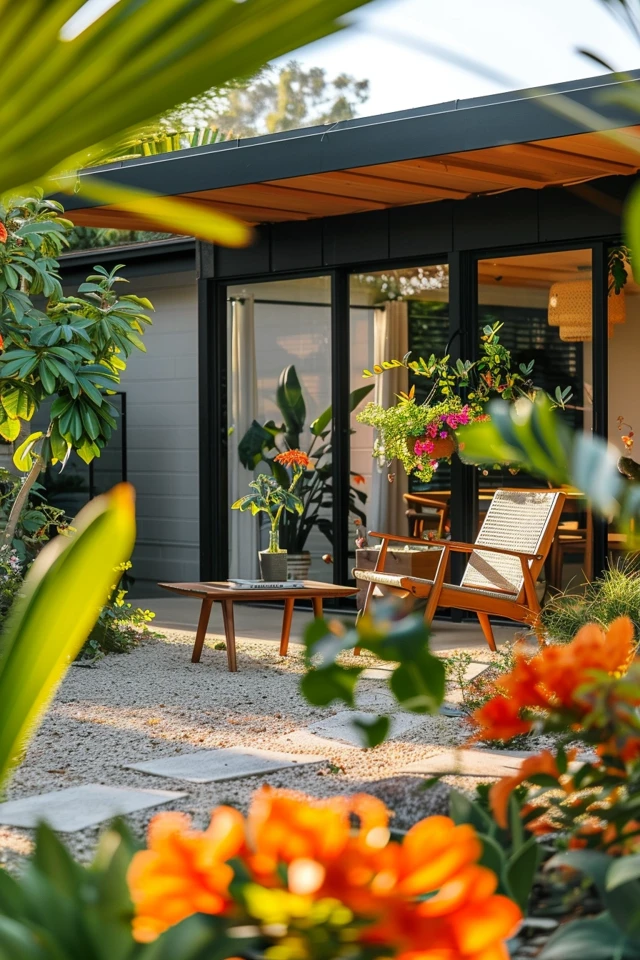
Title: Front Yard Sitting Area Ideas for Cozy Curb Appeal
Introduction
For decades, the backyard was the undisputed king of outdoor living. It was the private sanctuary where we grilled, swam, and relaxed away from the eyes of the neighborhood. However, there has been a significant shift in recent years. We are seeing a return to front porch culture and a desire to connect with our communities. A well-designed front yard sitting area doesn’t just add value to your property; it extends your living space and creates a welcoming bridge between your private sanctuary and the public street.
I remember a specific project where the homeowners had a beautiful, expansive backyard, but they never used their front lawn. It was just a patch of grass they had to mow. We carved out a simple gravel patio with two Adirondack chairs and a low retaining wall. Suddenly, that dead space became their favorite spot for morning coffee. It completely changed how they interacted with their neighbors. Instead of a quick wave from the car, they started having actual conversations. It transformed the energy of the entire home exterior.
Creating this space requires a balance of privacy and openness. You want to feel comfortable lounging, but you also want the area to look inviting from the curb. If you are looking for visual inspiration, you can jump right to the curated Picture Gallery at the end of this post. For everyone else ready to dig into the layout, materials, and design rules that make these spaces work, let’s get started.
1. Assessing Scale and Determining Purpose
Before you buy a single chair or bag of gravel, you must determine exactly how you intend to use this space. In interior design, form always follows function, and the same applies to landscape architecture. A front yard intended for solitary reading requires a completely different footprint than a space designed for neighborhood happy hours.
Start by measuring your available square footage. You do not need a massive lawn to create a functional sitting area. In fact, smaller “pocket” gardens often feel cozier. However, you must respect the flow of traffic. The most critical rule of thumb here is clearance. You need to maintain a clear path to your front door.
Standard Clearance Rules:
- Main Walkways: Keep these at least 36 to 48 inches wide so two people can walk side-by-side.
- Secondary Paths: A path leading to the seating area can be narrower, around 24 to 30 inches.
- Furniture Circulation: Allow 30 inches of clearance around any seating group so guests don’t feel trapped.
Designer’s Note: The “Landing Strip” Error
The most common mistake I see is placing furniture too close to the driveway or the main entry stairs. It creates a psychological barrier. If a delivery person has to squeeze past your bistro table to drop off a package, your layout is too tight. Always prioritize the arrival experience. The sitting area should be a destination, not an obstacle course.
Once you have your measurements, define the “zone.” If you are working with a deep front setback, position the seating area mid-way between the house and the street to create a courtyard effect. If you have a shallow yard, anchor the seating close to the house architecture, perhaps under a window, to borrow the structure’s visual weight.
2. Selecting Furniture: Materials and Layout Logic
Front yard furniture has to work harder than backyard furniture. It is constantly on display for the neighborhood, meaning it needs to look good even when you aren’t sitting in it. It also faces different security and maintenance challenges. When I select pieces for a front garden, I look for heavier materials that won’t blow over in a storm and aren’t easily walked off with.
Material Durability Guide:
- Teak and Hardwoods: These are heavy and beautiful but require maintenance. If you don’t oil them, they will weather to a silvery gray. This is a classic look, but ensure it matches your home’s aesthetic.
- Powder-Coated Aluminum: Rust-resistant and lightweight. This is great for modern homes, but if you live in a high-wind area, you might need to secure them.
- Poly-Lumber (HDPE): This is the heavy, recycled plastic material used in high-end Adirondack chairs. It is incredibly durable, fade-resistant, and heavy enough to stay put.
- Concrete: For a permanent, architectural look, cast concrete benches are unbeatable. They act as sculpture when not in use.
Layout and Spacing Rules:
When arranging the furniture, treat it exactly like a living room. You want to facilitate conversation. A common error is placing chairs too far apart.
- Knee-to-Knee Distance: The ideal distance between two facing chairs is about 8 feet roughly, but for an intimate conversation area, keep seats within 4 to 8 feet of each other.
- Coffee Table Reach: If you include a low table, place it 14 to 18 inches from the edge of the seat. This is close enough to set down a drink without leaning forward uncomfortably, but far enough to stand up easily.
- Seat Height: Lounge chairs generally have a seat height of 15 to 17 inches. Dining chairs are 18 to 20 inches. Do not mix these heights in a small group; it makes interaction awkward.
Common Mistake + Fix:
Mistake: Using flimsy, folding camping chairs or plastic stackable chairs as permanent fixtures.
Fix: If budget is a constraint, buy fewer, higher-quality pieces. Two solid wood chairs look infinitely better than four cheap plastic ones. If you are a renter, look for “bistro sets” made of steel. They are affordable, foldable for moving, but look substantial and intentional.
3. Creating Privacy Without Building a Fortress
The biggest hesitation homeowners have regarding front yard living is the “fishbowl effect.” You want to see out, but you don’t necessarily want everyone staring at you. The goal is implied privacy rather than a total blockade. A six-foot solid fence is often prohibited by HOA rules or city ordinances in front yards, and it generally looks uninviting.
Instead, we use layering to create a sense of enclosure. This is known as “screening.” You want to buffer the view of the street and the sound of traffic while maintaining a connection to the neighborhood.
Effective Screening Techniques:
- The “Psychological” Wall: You don’t need a physical wall to define a space. A row of low hedging (like Boxwood or Japanese Holly) kept at 24 to 30 inches tall creates a boundary. It says “this is a room” without blocking your view.
- Ornamental Grasses: These are my favorite tool for front yards. Varieties like Maiden Grass or Feather Reed Grass grow tall and dense but remain airy. They sway in the wind, adding movement and sound which helps mask street noise.
- Planter Borders: If you cannot dig up the ground (a common issue for renters or those with poor soil), use long, rectangular troughs. A 24-inch tall planter with 24-inch tall plants gives you a 4-foot screen when you are seated. This is the perfect height to block the view of passing cars while letting you see pedestrians.
What I’d do in a real project:
For a client on a busy street, I often design a “baffle” system. Instead of one straight line of hedges, we stagger them. We might place a small ornamental tree (like a Serviceberry or Crape Myrtle) near the corner of the sitting area, and then a lower layer of shrubs slightly offset. This disrupts the sightline from the street so drivers can’t look straight in, but the homeowner still gets dappled light and air flow.
4. Hardscaping and Ground Cover Options
The “floor” of your outdoor room creates the foundation for the entire design. You cannot simply plop furniture on a lawn and expect it to look finished. Grass holds moisture (which rots wood furniture) and requires mowing, which means you have to constantly move the chairs. You need a dedicated hardscape zone.
1. Pea Gravel or Crushed Granite:
This is the most budget-friendly and DIY-friendly option. It provides excellent drainage and a satisfying “crunch” underfoot.
Pro Tip: You must use landscape fabric underneath to prevent weeds, and crucially, you need a steel or stone edging to keep the gravel from migrating into your lawn.
Suitability: Best for fire pit areas or casual lounging. Not great for dining tables as chairs can wobble.
2. Pavers or Flagstone:
This creates a more formal, permanent look. Large format pavers (24×24 inches) with gaps filled by ground cover (like creeping thyme or moss) soften the look and improve drainage.
Pro Tip: Ensure the pavers are leveled on a bed of sand. Uneven pavers are a trip hazard.
3. Decomposed Granite (DG):
This is widely used in modern landscapes and arid climates. It packs down hard, almost like concrete, but remains permeable. It offers a very clean, architectural look.
Renter-Friendly Solution:
If you cannot alter the landscaping, look for interlocking deck tiles. These usually snap together over existing concrete pads. Alternatively, a large outdoor rug can define the space on a generic concrete slab. Just ensure the rug is specifically rated for outdoor use (polypropylene is best) so it doesn’t hold water and mildew.
Designer’s Note: Managing Water
Always consider where the water goes. If you build a solid patio, it must slope slightly away from your home’s foundation (about a 1/4 inch drop for every foot). If you use gravel, the water will drain through, which is often safer for the home’s structure.
5. Layering Lighting and Accessories for Ambiance
Lighting is what takes a front yard from a daytime sitting spot to an evening lounge. However, front yard lighting requires restraint. You do not want to flood your neighbors’ bedroom windows with light. The goal is a soft, warm glow that stays contained within your seating zone.
Lighting Temperature:
Always check the Kelvin (K) rating on bulbs. For outdoor relaxation, you want 2700K (Warm White). Anything higher (3000K-5000K) will look blue, clinical, and uninviting, like a parking lot security light.
Lighting Types:
- Bistro/String Lights: These provide instant atmosphere. If you don’t have trees to hang them from, install sturdy 8-foot posts in planters filled with concrete.
- Portable Lanterns: Rechargeable LED lanterns are fantastic. You can place them on the coffee table or the ground. They offer flexibility without the need for hardwiring.
- Uplighting: If you have a tree or a nice shrub near the seating area, place a small solar spotlight at the base pointing up. This reflects light off the leaves and creates a soft, ambient glow without direct glare.
Textiles and Styling:
To make the space feel like a “room,” you need soft textures.
* The Rule of Threes: Style your coffee table with three items of varying heights. For outdoors, this might be a potted succulent (low), a lantern (medium), and a citronella candle or vase (tall).
Storage Strategy:
The biggest friction point in outdoor living is dealing with cushions when it rains. If you have the space, incorporate a storage bench or a deck box nearby. If you have to walk to the garage to get the cushions every time you want to sit down, you will never use the space. Make it easy for yourself.
Final Checklist: Planning Your Front Yard Oasis
Before you break ground or buy furniture, run through this list to ensure you haven’t missed a critical step.
- Check HOA/City Rules: Confirm there are no restrictions on front yard structures, fence heights, or removing lawn grass.
- Sun Study: Watch the area at different times of day. Is it blazing hot at 5:00 PM? If so, you may need a cantilever umbrella or shade sail.
- Measure Twice: Map out the footprint with stakes and string or spray paint to visualize the scale physically.
- Traffic Flow: Walk from the street to your front door. Did you block the path?
- Budget Buffer: Landscape projects often run into surprises (roots, rocks, irrigation lines). Add 15% to your budget for contingencies.
- Power Source: Determine where you will plug in lights or if you need to rely solely on solar/battery options.
- Irrigation: If you are adding planters or hedges for privacy, how will they get watered? Plan for a drip line or proximity to a hose bib.
Frequently Asked Questions
How do I prevent my front yard furniture from being stolen?
This is a valid concern. The best defense is weight. Heavy iron, concrete, or solid teak furniture is difficult to move quickly. You can also use security cables to chain pieces together or anchor them to the ground using eye-hooks set into the hardscape. Motion-sensor lighting is also a strong deterrent.
What is the lowest maintenance ground cover?
Pea gravel or river rock is generally the lowest maintenance. It doesn’t need watering, mowing, or staining. However, you will need to rake it occasionally to keep it level and remove fallen leaves.
Can I put a fire pit in the front yard?
This depends heavily on local codes. Many municipalities ban wood-burning fire pits within a certain distance of a structure or property line. Propane fire tables are often a safer and more legally compliant option for front yards. They also don’t produce smoke, which your neighbors will appreciate.
How do I keep the space looking good in winter?
Choose “evergreen” furniture structures. A sculptural bench or chairs with interesting frames look good even without cushions. Incorporate evergreen plants (like Boxwood, Holly, or Juniper) in your screening so the area doesn’t look dead in January. Store soft cushions and rugs indoors during the harsh months.
Conclusion
Reclaiming your front yard is about more than just adding square footage to your home. It is about changing your perspective. It turns a space that was previously just a chore—something to water and mow—into a source of joy and connection.
Start small. You don’t need to pour a concrete slab this weekend. Start by placing two chairs and a small table in a spot that gets good morning light. See how it feels. See how the neighbors react. You might find that the simple act of sitting out front opens up a new chapter of home enjoyment that you didn’t know was missing.
Picture Gallery


