
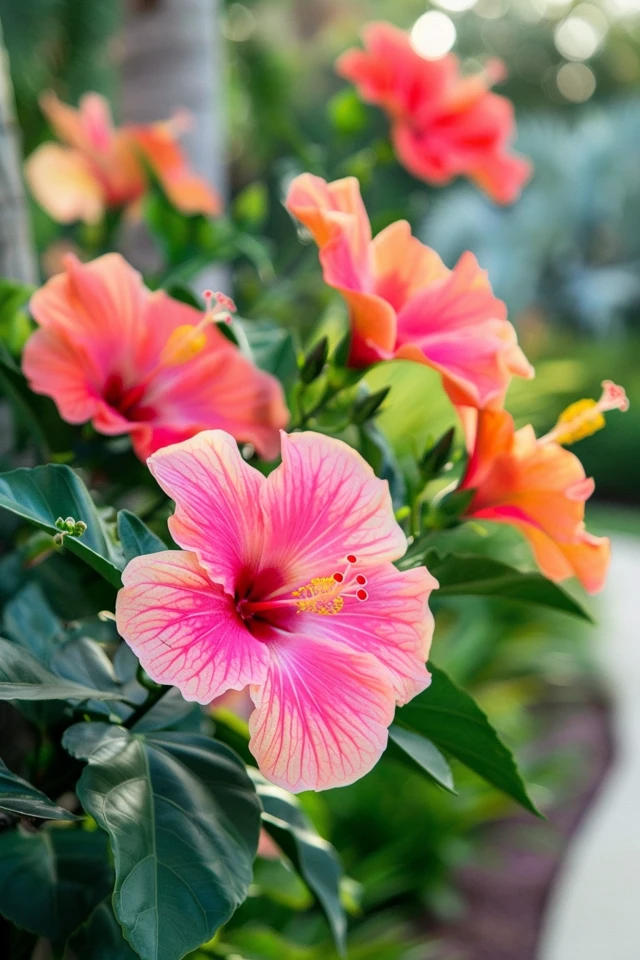
Hibiscus Landscaping Ideas for Vibrant Gardens
Introduction
There are very few plants that offer the immediate “wow factor” that a hibiscus does. Whether I am designing a lush backyard retreat or styling a front porch for curb appeal, I often turn to this genus for its architectural shape and stunning, dinner-plate-sized blooms. They act as natural focal points that bridge the gap between structured landscape architecture and organic, colorful chaos.
However, incorporating hibiscus into a landscape requires more than just digging a hole and walking away. You have to consider climate zones, sun exposure, and how the plant’s scale will interact with your existing hardscaping. If you are looking for visual inspiration, don’t miss the curated picture gallery included at the end of this post.
In this guide, I will walk you through professional strategies for using hibiscus effectively. We will cover the crucial differences between hardy and tropical varieties, how to layer them for depth, and specific layout ideas that work for both sprawling lawns and compact urban patios.
Understanding the Varieties: Hardy vs. Tropical
Before we plan the layout, we must choose the right plant for your specific geography. As a designer, the most common mistake I see is a client buying a gorgeous braided hibiscus at a big-box store, planting it in the ground in Zone 5, and wondering why it died in October.
Tropical Hibiscus (Hibiscus rosa-sinensis)
These are the glossy-leaved beauties you see in vacation photos. They thrive in Zones 9 through 11 and cannot tolerate temperatures below 50 degrees Fahrenheit for long periods. If you live in a colder climate, we use these strictly as annuals or container plants that must be moved indoors. They offer deep, saturated colors but require constant warmth.
Hardy Hibiscus (Hibiscus moscheutos)
Also known as Rose Mallow, these are the workhorses for temperate climates (Zones 4-9). They die back to the ground in winter but return vigorously in late spring. Their leaves are matte and heart-shaped, and the flowers can be absolutely massive—sometimes up to 12 inches across.
Rose of Sharon (Hibiscus syriacus)
This is a woody shrub varieties that acts more like a small tree or hedge. It is incredibly durable, tolerates drought better than its cousins, and blooms late in the season when other shrubs are fading. I often use these for structural privacy screens.
Designer’s Note: The “Late Sleeper” Rule
One lesson I learned the hard way involved a client ripping out five expensive Hardy Hibiscus plants in May because they looked like dead sticks. Hardy Hibiscus is notoriously slow to wake up in the spring. They need the soil to be thoroughly warm before showing growth. My rule of thumb is to wait until June before declaring them dead. Mark their spot with a decorative stake so you don’t accidentally dig them up during spring cleanup.
Strategic Placement and Scale Rules
When drafting a landscape plan, scale is everything. A single hibiscus can look lost in a large bed, while a cluster can quickly become overcrowded if you don’t account for mature spread.
Using Hibiscus as a Focal Point
Because the blooms are so large, hibiscus draws the eye immediately. I like to use them to break up long, linear stretches of fencing or to anchor the corner of a house.
- Spacing from structures: Plant shrub varieties at least 3 to 4 feet away from your home’s foundation. This allows for airflow and prevents the branches from rubbing against siding, which is a pathway for pests.
- Visual weight: Pair the bold texture of hibiscus with fine-textured plants. The contrast makes the hibiscus pop even more.
Creating Privacy Hedges
Rose of Sharon is my go-to for flowering privacy. They grow vertically and can reach heights of 8 to 12 feet.
- Spacing for hedges: Plant them 5 to 6 feet apart on center. This seems wide at first, but they will fill in within three seasons to create a solid wall without choking each other out.
- Layering: Place shorter evergreen shrubs in front of the hibiscus hedge. Since the hibiscus is deciduous (drops leaves in winter), the evergreens ensure you don’t have a “naked” garden for five months of the year.
Common Mistake: The “One of Everything” Syndrome
Homeowners often buy one red, one yellow, and one pink hibiscus. In design, this creates visual clutter. It is far more effective to plant in odd-numbered drifts (groups of 3 or 5) of the same color. This creates a swath of color that reads as a deliberate design choice rather than a random collection.
Color Coordination and Companion Planting
A vibrant garden isn’t just about the hibiscus; it is about who the neighbors are. You want companions that enjoy the same conditions: full sun (6+ hours) and consistent moisture.
High-Contrast Pairings
If you want a dramatic, tropical look, play with complementary colors on the color wheel.
- Purple and Yellow: Pair a yellow tropical hibiscus with purple foliage plants like Persian Shield or ornamental sweet potato vine. The dark foliage makes the yellow bloom look neon.
- Pink and Lime: Hot pink blooms look incredible next to lime-green foliage. I frequently use ‘Marguerite’ sweet potato vine or Golden Creeping Jenny at the base of a pink standard hibiscus.
Textural Companions
Since hibiscus leaves are generally large and medium-green, you need texture to prevent the garden from looking flat.
- Ornamental Grasses: The wispy, vertical movement of grasses like Maiden Grass or Fountain Grass contrasts beautifully with the sturdy, round habit of hibiscus.
- Daylilies: These are excellent partners. They hide the “legginess” (bare stems) at the bottom of the hibiscus shrub and thrive in the same sunny, moist soil.
Bulb Layering
Because Hardy Hibiscus wakes up so late, the ground underneath it looks bare in April and May. I always plant spring-flowering bulbs like daffodils or tulips around the base. By the time the bulb foliage starts to die back and look messy, the hibiscus leaves emerge and expand to hide the fading bulbs. It is a perfect disappearing act.
Small Space Solutions: Container Gardening
For renters or those with small urban patios, hibiscus is arguably the best “bang for your buck” plant. You get tree-like height and massive color without needing a yard.
Pot Sizing Rules
Hibiscus have vigorous root systems. If you restrict the roots too much, flower production drops.
- Minimum size: Use a pot that is at least 14 to 16 inches in diameter for a standard tropical hibiscus.
- Weight matters: These plants become top-heavy when in full bloom. Use heavy ceramic or concrete pots rather than lightweight plastic, or the wind will knock them over constantly.
- Drainage: This is non-negotiable. Hibiscus hate “wet feet.” Ensure your pot has multiple drainage holes.
The “Thriller, Filler, Spiller” Technique
I use this classic formula for styling hibiscus planters:
- Thriller: The Hibiscus (usually a braided “tree” form) is the tall centerpiece.
- Filler: Mid-height plants like Lantana or Coleus fill the space around the trunk.
- Spiller: Trailing plants like Bacopa or Ivy cascade over the edge of the pot to soften the hard lines.
What I’d Do in a Real Project: The Renter’s Oasis
If I were designing a balcony for a client who rents, I would group three pots in a corner.
1. One large pot raised on a plant stand with a braided hibiscus.
2. One medium pot on the floor with a bushy, shrub-form hibiscus.
3. One small pot with a trailing foliage plant.
This creates a vertical hierarchy and turns a boring corner into a lush vignette without damaging the property.
Maintenance for Maximum Vibrancy
Design is only as good as the maintenance that follows it. A starving hibiscus will drop its buds before they open, a condition known as “bud blast.”
Watering Regimens
In the heat of summer, a hibiscus in a pot may need water every single day. In the ground, they need deep watering twice a week.
- The Finger Test: Stick your finger an inch into the soil. If it is dry, water it.
- Mulching: Apply 2 to 3 inches of organic mulch (shredded bark is great) around the base. This retains moisture and keeps roots cool. Keep the mulch a few inches away from the main stem to prevent rot.
Fertilization Logic
Hibiscus are heavy feeders. They need energy to produce those massive flowers.
- The Ratio: Look for a fertilizer with a high middle number (Phosphorus) and a high last number (Potassium), but lower Nitrogen. Too much Nitrogen gives you great leaves but zero flowers.
- Frequency: For tropicals in pots, I use a water-soluble fertilizer every two weeks. For hardy landscape shrubs, a slow-release granular fertilizer applied in spring and mid-summer is usually sufficient.
Deadheading
Most modern hibiscus varieties are “self-cleaning,” meaning the old bloom drops off. However, I find that manually snapping off the spent blooms (deadheading) keeps the plant looking tidy and prevents seed pods from forming, which directs energy back into making new flowers.
Final Checklist: Designing Your Hibiscus Garden
Before you head to the nursery, run through this quick checklist to ensure you are buying the right plants for the right places.
1. Check your zone
- Are you in Zone 4-8? Buy Hardy Hibiscus or Rose of Sharon.
- Are you in Zone 9+? You can plant Tropical Hibiscus in the ground.
2. Measure your sunlight
- Does the spot get sunlight from 10:00 AM to 4:00 PM? This is ideal.
- Is it shaded by a large tree? Hibiscus will likely get leggy and refuse to bloom here.
3. Plan for water access
- Is the hose nearby? These are thirsty plants. If you plant them in the “back 40” where the hose doesn’t reach, you will regret it come August.
4. Determine the function
- Do you need privacy? Choose Rose of Sharon.
- Do you need a showstopper for a party? Choose a Tropical braided tree.
- Do you need a reliable perennial bed anchor? Choose Hardy Hibiscus.
FAQs
Why are the leaves on my hibiscus turning yellow?
This is the most common question I get. It usually signals stress. It can be from overwatering (root rot), underwatering (drought stress), or a sudden change in temperature. If you just moved a tropical hibiscus outdoors, it might be sunburn. Check the soil moisture first; it should be damp like a wrung-out sponge, not soggy.
My hibiscus has buds, but they fall off before opening. Why?
This is called “bud drop.” It is almost always caused by inconsistent watering or extreme heat fluctuations. Double-check your watering schedule. Pests like thrips or gall midges can also cause this, so inspect the buds closely for tiny insects.
Can I keep my tropical hibiscus indoors over winter?
Yes, but manage your expectations. It will likely drop most of its leaves when you bring it inside due to the lower light. Place it in your sunniest south-facing window. Water it much less frequently than you did in summer. It is going into a semi-dormant state; you are just trying to keep it alive until spring, not help it thrive.
How do I prune a Hardy Hibiscus?
Wait until late winter or early spring. You can cut the old, dead stems down to about 6 inches above the ground. New growth will emerge from the base of the plant, not the old stems. Do not prune them in the fall, as the hollow stems can funnel water into the crown and cause rot during freezing cycles.
Conclusion
Integrating hibiscus into your landscape is one of the most effective ways to add drama and vibrant color to your home exterior. Whether you opt for the architectural height of a Rose of Sharon hedge or the stunning, saucer-sized blooms of a Hardy Hibiscus, these plants offer a high return on investment for your design efforts.
Remember that patience is key, especially with hardy varieties in the spring. By paying attention to scale, choosing the right companions, and adhering to a consistent watering schedule, you can create a garden that feels like a permanent vacation.
Picture Gallery


