
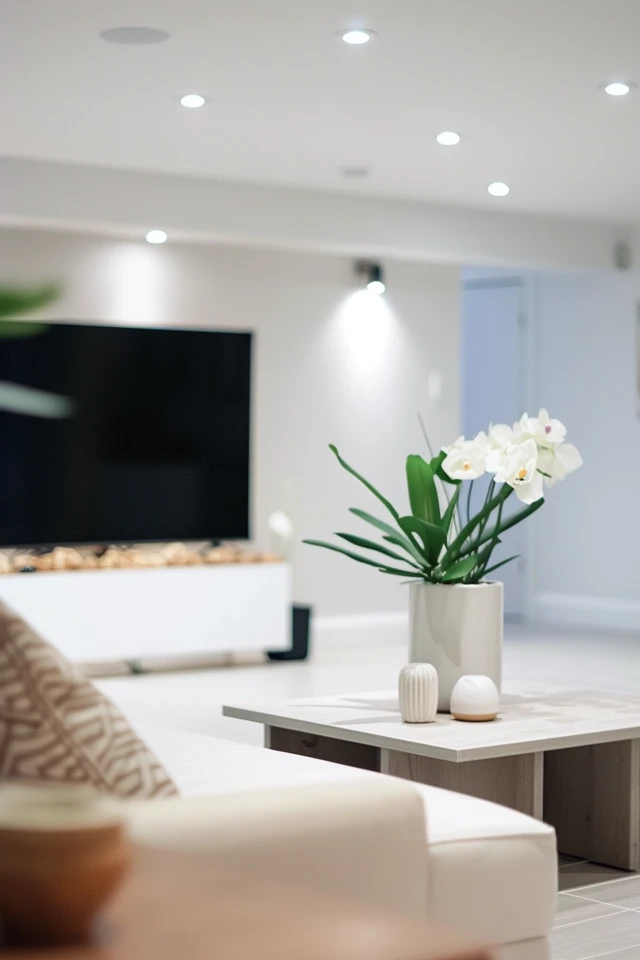
How To Brighten Up A Basement Without Windows: Lighting Solutions
Introduction
Walking down the stairs into a windowless basement often feels like descending into a cave. The air feels heavier, the corners disappear into shadows, and the lack of natural sunlight makes the space feel smaller than it actually is. However, a basement without windows offers a unique blank canvas where you have total control over the atmosphere.
With the right lighting plan, you can turn a dark storage area into the coziest room in the house. If you are looking for visual inspiration, don’t miss the Picture Gallery at the end of this article. By manipulating color temperature, light placement, and reflective surfaces, we can mimic the feeling of daylight underground.
This guide will walk you through the exact strategies I use for client renovations. We will move beyond simply screwing in brighter bulbs and focus on layering light to create depth and warmth. You do not need a massive renovation budget to make these changes, but you do need a plan.
1. The Foundation: Layering Your Light Sources
The biggest mistake homeowners make in basements is relying on a single grid of recessed lights. While this provides brightness, it creates a flat, clinical “cafeteria” effect that feels uninviting. To make a windowless space feel natural, you must use the “Rule of Three.”
Every room needs three layers of light: ambient, task, and accent. Ambient light is your general overhead illumination, usually provided by recessed cans or flush mounts. Task light is focused illumination for reading or working, such as desk lamps or pendants over a bar. Accent light adds depth by highlighting art, plants, or architectural features.
In a windowless basement, accent lighting is actually the most critical layer. By illuminating the walls and corners, you push the visual boundaries of the room outward. If you only light the center of the room, the dark corners will make the walls feel like they are closing in.
Designer’s Note: The Kelvin Scale Rule
Color temperature is measured in Kelvins (K). In a basement without natural light, never use “Daylight” bulbs (5000K+). They look blue and sterile, making the space feel like a hospital. Conversely, 2700K can feel too yellow and “muddy” underground.
- The Sweet Spot: Aim for 3000K LED bulbs. This provides a clean, crisp white light that mimics warm afternoon sun without turning blue.
- Consistency is Key: Ensure every single bulb in the room matches this temperature. Mixing 2700K and 4000K creates visual confusion that the eye perceives as messy.
2. Simulating Natural Light With Architectural Tricks
Since we cannot cut a hole in the foundation, we have to fake the sun. One of the most effective ways to do this is through “wall grazing” or “wall washing.” This involves placing recessed lights or track heads closer to the wall rather than in the center of the room.
When light washes down a wall, it brightens the vertical surfaces. This bounces light back into the room, mimicking the way sunlight enters through a window.
Specific Measurements for Placement:
- Wall Wash Distance: Place recessed lights about 24 to 30 inches away from the wall. This allows the cone of light to hit the wall high up and wash down.
- Ceiling Spacing: A common rule of thumb for general spacing is to divide your ceiling height by two. If you have an 8-foot ceiling, space your lights about 4 feet apart. However, in a dark basement, you might tighten this to 3 feet to ensure overlapping pools of light.
Another effective trick is creating a “faux window” effect using drapery. Even if there is no window, installing a curtain rod continuously along one wall can trick the brain.
Install an LED light strip behind the top of the curtain rod or within a cornice box. The light will wash down the fabric, creating a soft glow that suggests a window exists behind the drapes. Use sheer, lightweight linen curtains for this effect to keep the texture airy.
3. Using Reflective Surfaces and Paint Colors
Lighting is only half the battle; you also need surfaces that catch and amplify that light. Many people assume you must paint a dark basement stark white to brighten it. This is a myth.
Pure white walls in a windowless room can look gray and dingy because there is no natural light to reflect. Instead, look for off-whites with warm undertones or soft greiges (gray-beige). These pigments hold their own better in artificial light.
Understanding Light Reflectance Value (LRV):
Every paint color has an LRV number from 0 (black) to 100 (pure white).
- The Target Range: For a basement, look for paint colors with an LRV between 60 and 75. This is high enough to bounce light but saturated enough to have character.
- Finish Matters: Avoid matte or flat paint finishes on the walls if possible. A satin or eggshell finish has a slight sheen that helps reflect light. Semi-gloss is great for trim and doors, adding a crisp highlight.
Incorporate mirrors strategically. A large floor mirror leaning against a wall can double the visual depth of the room. The trick is to place the mirror opposite a light source, such as a table lamp or a bright wall, rather than opposite a dark corner.
Common Mistakes + Fixes
- Mistake: Using heavy, dark area rugs that suck up light.
- Fix: Choose a rug with a light base color (cream, light gray, or beige). It acts as a reflector for your ceiling lights. Ensure the rug is large enough to slip under the front legs of your furniture (usually leaving 12-18 inches of bare floor around the perimeter) to define the zone without darkening the whole floor.
4. Strategic Furniture Layout and Material Selection
Heavy, blocky furniture will make a basement feel claustrophobic. To keep the space bright and airy, you need to prioritize “visual permeability.” This means choosing furniture that light—and your eye—can travel through or around.
Opt for sofas and armchairs raised on legs rather than pieces with skirts that sit directly on the floor. Seeing the floor continue underneath the furniture makes the room feel larger. A clearance of just 4 to 6 inches makes a significant difference.
Glass and Acrylic:
Swap out a heavy wooden coffee table for one made of glass or acrylic. These materials take up zero “visual weight.” They fulfill the function of a table without blocking the sightlines or casting heavy shadows.
Metallic Finishes:
Introduce metals like brass, chrome, or polished nickel in your hardware and decor. A brass lamp base or a chrome side table acts like distinct jewelry for the room, catching the light and adding sparkle. This breaks up the monotony of drywall and upholstery.
What I’d Do In A Real Project (Layout Checklist):
- Clear Pathways: I ensure main walkways are at least 30 to 36 inches wide. In a basement, cramping the flow makes the low ceilings feel even lower.
- Float the Furniture: I avoid pushing all furniture against the walls. Pulling the sofa 3 to 5 inches off the wall creates a shadow line that suggests depth, rather than a cramped box.
- Vertical Storage: I use tall, open shelving rather than wide, low cabinets. This draws the eye upward, emphasizing the ceiling height.
5. Managing Shadows and Ambience
Once you have your overhead lights and wall colors set, you must address the “cave corners.” Shadows naturally congregate in corners and under cabinets. Eliminating these shadows is the final step in brightening the space.
Use a torchier-style floor lamp in dark corners. These lamps direct light upward toward the ceiling. By bouncing light off a white ceiling, you raise the perceived height of the room and banish the corner shadows.
Under-Cabinet and Shelf Lighting:
If you have built-in shelving or a basement bar, LED tape lighting is essential.
- Placement: Install tape lights on the underside of shelves to illuminate the objects below.
- Toe Kicks: Run a strip of LED light along the bottom toe-kick of cabinetry. This creates a floating effect and adds a subtle layer of light near the floor, which is unexpected and sophisticated.
The Importance of Dimmers:
Every light switch in a basement should be on a dimmer. Period. In a room without windows, you cannot rely on the sun to set the mood. You need the ability to blast full brightness for cleaning or board games, and the ability to dim down to 20% for movie nights.
Designer’s Note: The “Swiss Cheese” Ceiling
Avoid the temptation to install too many recessed cans. A ceiling riddled with 20 holes looks cluttered. It is better to have fewer, well-placed cans supplemented by lamps and sconces. Relying 100% on overhead lights causes “raccoon eyes” (shadows in eye sockets) on people’s faces, which is unflattering and harsh.
Final Checklist: Your Brightening Plan
If you are ready to tackle your basement, here is the condensed action plan I would use.
1. Audit the Electrical
- Check if you have a dimmer switch. If not, swap it out immediately.
- Identify dark corners that need plug-in solutions.
2. Select Your Bulbs
- Buy 3000K LED bulbs for every fixture.
- Check lumens: Aim for 800 lumens (60-watt equivalent) for lamps and higher for overheads.
3. Paint Strategy
- Sample paint colors with LRV 60-75.
- Paint the ceiling a bright, flat white to reflect the torchier lamps.
4. Layer the Decor
- Add a large mirror opposite the brightest point in the room.
- Swap out a heavy coffee table for glass or acrylic.
- Add at least two table lamps and one floor lamp to varied heights.
FAQs
Can I paint a windowless basement black for a media room?
Yes, absolutely. However, the goal changes from “brightening” to “moody.” If you go dark, you must commit fully—paint the ceiling and trim dark as well. You will need significantly more artificial lighting (sconces, lamps) because the walls won’t reflect any light. This works great for theaters but less well for playrooms.
How many lumens do I need for a basement?
A general rule for general living space is 20 lumens per square foot. For a basement without windows, I recommend increasing this to 30 or 40 lumens per square foot. For a 200-square-foot room, you would want roughly 6,000 to 8,000 total lumens across all your light sources.
What is the best flooring for a dark basement?
Light-colored luxury vinyl plank (LVP) or engineered wood in pale oak or maple tones is ideal. If you prefer carpet, choose a light neutral with a tight weave. Avoid dark walnut floors or navy carpets, as they will ground the space too heavily and absorb your precious light.
I rent my home. How can I brighten the basement without rewiring?
Focus on plug-in solutions. Use two or three floor lamps to wash the walls with light. Hang plug-in wall sconces (many stylish options come with cord covers) to add eye-level lighting. Use large mirrors and light-colored rugs to cover dark permanent flooring.
Conclusion
Transforming a basement without windows requires a shift in mindset. You are not fighting the darkness; you are engineering the light. By carefully layering your light sources, choosing the right color temperature, and utilizing reflective materials, you can create a space that feels warm and inviting.
Remember that lighting is versatile. You can start with floor lamps and paint before committing to expensive electrical work. The goal is to create a space where you forget you are underground the moment you sit down.
Picture Gallery


