
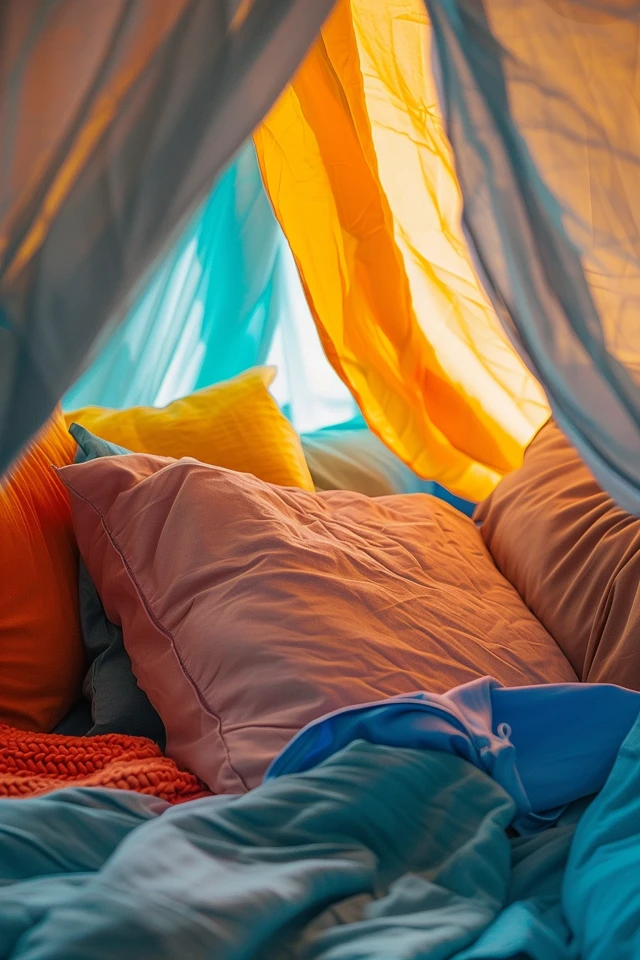
How To Build A Fort For A Sleepover: Fun DIY
Building a living room fort is one of those core childhood memories that bridges the gap between play and architecture. As an interior designer, I often look back at those chaotic piles of blankets and realize they were my very first lessons in structural integrity and spatial planning. It is about transforming a familiar space into a private, magical enclave using nothing but household staples.
However, we have all experienced the disappointment of a sagging roof or a dark, stifling interior that collapses the moment someone sneezes. For those looking for immediate visual inspiration, there is a curated Picture Gallery at the end of the blog post. To avoid the collapse, we need to apply a few design principles—scale, tension, and material selection—to elevate the humble pillow fort into a sleepover masterpiece.
This guide will walk you through the process of creating a sturdy, comfortable, and aesthetically pleasing structure. We are moving past the “throw a sheet over a chair” method and looking at how to build a temporary space that is safe for sleeping and sturdy enough for play.
Phase 1: Scouting the Location and Architecture
The first step in any design project is analyzing the site conditions. You need a location that offers existing “bones” to support your structure so you aren’t building from scratch. The most common mistake parents and kids make is choosing a high-traffic zone that blocks essential pathways to the bathroom or kitchen.
Look for a corner or a u-shaped layout. A sectional sofa is the gold standard for fort foundations because it provides three solid walls and comfortable flooring immediately. If you don’t have a sectional, positioning two armchairs facing a sofa creates a similar enclosed courtyard effect.
Designer’s Note: Circulation Paths
In design, we usually recommend a minimum 36-inch clearance for walkways. For a temporary fort, you can cheat this down to 24 inches, but never block a fire exit or a door completely. Ensure that if the entire structure collapses, it won’t knock over heavy lamps or vases situated on nearby side tables.
Site Selection Criteria:
- The Anchor Points: Look for heavy furniture that won’t slide. Dining tables, sofas, and heavy sideboards are excellent.
- The Floor Surface: Carpet is preferable for warmth and acoustic dampening. If you have hardwoods or tile, you will need double the amount of floor padding.
- Height Clearance: You want enough height for the occupants to sit up straight. For children, a 48-inch interior height is usually sufficient to avoid claustrophobia.
Phase 2: Structural Integrity and Hardware
The number one enemy of any blanket fort is gravity. Fabric is heavier than it looks, especially when it starts to slack. To combat this, we need to think like engineers regarding tension and suspension.
Do not rely solely on friction to keep blankets on top of cushions. You need mechanical fasteners. As a designer, I always keep a “styling kit” with clamps and tapes; for a fort, you need a similar toolkit. Heavy-duty chip clips, large binder clips from the office, and even painter’s tape are essential.
The “Pole” System
If you are spanning a large gap, fabric will inevitably droop in the middle. You need a ridge beam. A broom handle, a tension rod for curtains, or even a long cardboard wrapping paper tube can serve as a central pillar or beam. Place this beam across the backs of two chairs to create a pitched roof, which adds height and makes the interior feel much larger.
Common Mistakes + Fixes:
- Mistake: Using heavy comforters for the roof.
- Fix: Heavy fabrics cause sagging. Use the lightest flat sheets you have for the ceiling (roof) and save the heavy comforters for the floor.
- Mistake: Using duct tape on walls.
- Fix: Never use standard tape on drywall or painted furniture. Use painter’s tape (blue or green) or command hooks, which remove cleanly.
Phase 3: Textiles and Layering
This is where the interior designer skillset truly shines. Just as I would layer a room with a rug, pad, and furniture, you must layer the fort for comfort and insulation. The floor of the fort is arguably more important than the roof because that is where the sleeping happens.
Start with a base layer. If you are on a hard surface, use yoga mats or camping sleeping pads first. They provide the necessary density that pillows lack. On top of that, layer your thickest duvets. This creates a “mattress” effect.
For the roof, cotton sheets are your best friend. They are breathable, which is crucial. Synthetic fabrics like polyester fleece will trap heat and moisture, making the fort stuffy and uncomfortable within an hour. If you want the fort to be dark, layer two thin dark sheets rather than one thick blanket.
What I’d Do in a Real Project:
- Floor: Interlocking foam tiles (if available) -> Wool rug -> Down comforter.
- Walls: Fitted sheets. The elastic corners of a fitted sheet are brilliant for hooking over sofa corners or chair backs, providing instant tension without clips.
- Accents: Throw pillows should be placed around the perimeter to act as “baseboards” and draft blockers.
Phase 4: Lighting and Ambiance
Lighting dictates the mood of any interior. In a confined space like a fort, harsh overhead lighting from the actual room will kill the magic. You want to create a warm, glowing cove effect.
The Safety Rule: Never use anything that generates heat. Halogen bulbs or old-school incandescent Christmas lights can get hot enough to scorch fabric. Stick strictly to LEDs.
Battery-operated fairy lights are the industry standard for forts. Drape them along your “ridge beam” or bunch them in a mason jar to create a lantern. If you have LED puck lights (often used for under-cabinet lighting), place two or three on the floor pointing up. This “uplighting” technique makes the ceiling looking higher and creates a dramatic shadow effect.
Color Temperature Matters
Aim for “Warm White” (2700K to 3000K). Cool white or daylight bulbs (5000K) can feel clinical and keep kids awake. Warm light mimics the sunset and signals the brain that it is time to wind down.
Phase 5: Ventilation and Climate Control
A well-sealed fort gets hot very quickly. As a designer, I am constantly thinking about airflow in real homes; a fort is no different. You need to engineer a cross-breeze.
Do not seal every single gap where the fabric meets the floor. Leave a small 6-inch gap at the bottom on opposing sides. Hot air rises, so if the roof is permeable (cotton sheets), the heat will escape, and cool air will be drawn in from the bottom gaps.
If it is a particularly warm night, set up a small fan outside the fort directed at one of the entrances. Do not put the fan inside, as it creates noise and takes up valuable real estate.
Amenities Checklist:
- The “Nightstand”: Use a sturdy serving tray or a large hard-cover book placed in a corner. This provides a flat surface for water bottles or snacks so they don’t tip over on the soft bedding.
- Storage: Designate a basket outside the entrance for shoes. Keeping shoes out keeps the interior sanitary and cozy.
Final Checklist: The Fort Inspection
Before the sleepover officially begins, run through this quick inspection to ensure the structure is safe and ready for occupancy.
Stability Check
- Give the main support chairs a firm shake. If they wobble, reinforce them with heavier weights (like a stack of books).
- Check the tension of the roof sheet. If it is already sagging, re-clamp it now. It will only get lower as the night goes on.
- Ensure no fabric is draped directly over air vents or heaters in the room.
Comfort Check
- Do the “knee test.” Kneel on the floor padding. If your knees hit the hard floor immediately, add another layer of blankets.
- Verify ventilation. Lie inside for 5 minutes. If it gets stuffy, open a “window” by folding back a corner of the sheet.
- Check for light leaks. If the goal is sleeping, ensure external room lights don’t glare directly into the fort.
Safety Check
- Locate all battery packs for lights and ensure they aren’t under the sleeping area where they could be uncomfortable or overheat.
- Clear the entrance. Ensure kids can get in and out easily without tripping over cords or clamps.
FAQs
What is the best material for the roof?
King-sized flat sheets are ideal. They are lightweight, cover a massive surface area, and the cotton breathes well. Avoid knitted blankets for the roof as their weight pulls the structure down.
How do I stop the blankets from sliding off leather furniture?
Leather is slippery. Use a rubber shelf liner (the kind used in kitchen drawers) between the leather sofa and the blanket. It provides grip. Alternatively, use large binder clips to clamp the fabric to the furniture legs, not just drape it over the top.
How big should the fort be for three kids?
Allow roughly 24 inches of width per child for sleeping bags, plus an extra 2 feet of common area. A standard queen mattress size (60 inches by 80 inches) is a good benchmark for a three-person fort.
Can I build this in a small apartment?
Absolutely. In small spaces, build vertically. Use a dining table as the main structure. It provides a pre-made solid roof and floor space underneath. Drape sheets over the sides to create walls. This saves floor space around the furniture.
Conclusion
Building a fort is more than just a way to pass a rainy afternoon; it is an exercise in creativity and comfort. By applying basic interior design principles—like layering textures, managing lighting, and considering structural flow—you turn a pile of laundry into a functional, memorable space.
The best forts are the ones that feel safe, secluded, and distinct from the rest of the house. Whether you are using high-end linen sheets or mismatched beach towels, the success of the project lies in the care you put into the construction. So grab your clips, clear the floor, and start building your temporary masterpiece.
Picture Gallery


