
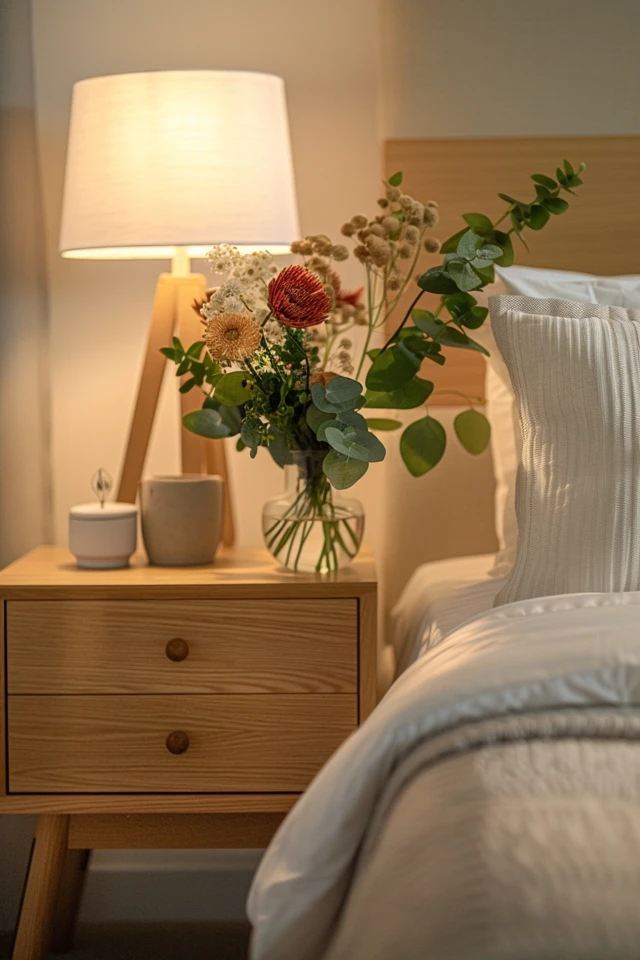
How To Choose Nightstands: Matching Style And Functionality
Introduction
Nightstands are often the unsung heroes of the bedroom, treated as an afterthought once the bed and rug are selected. I cannot tell you how many projects I have walked into where the client spent thousands on a luxury mattress and a custom headboard, only to place a flimsy, ill-fitting table next to it. These small pieces of furniture shoulder a heavy burden, holding everything from your heavy lamps and charging phones to your morning coffee and nighttime reading stack.
When you select the wrong nightstand, the functionality of the entire room crumbles. If the table is too low, you are straining your back to reach your alarm; if it is too wide, it cramps the visual flow of the room; if the material is wrong, one glass of water can ruin the finish permanently. It requires a delicate balance of precise mathematics and aesthetic intuition to get right.
In this guide, I will walk you through the exact process I use to source nightstands for my clients, covering everything from height ratios to material durability. For those of you looking for immediate visual inspiration, I have curated a stunning Picture Gallery at the end of the blog post to spark your creativity. Let’s dive into the mechanics of making your bedside setup work for you.
Rule Number One: Nail the Height and Scale
The single most common mistake homeowners make with nightstands is ignoring the height of their mattress. This is not just an aesthetic issue; it is an ergonomic one. The golden rule of interior design is that the top of your nightstand should be level with the top of your mattress, or up to two inches higher.
You should never choose a nightstand that sits lower than your mattress surface. Reaching down from a sleeping position is awkward and can actually cause strain over time, plus it increases the likelihood of knocking items off the surface in the dark. If you have a pillow-top mattress or use a thick memory foam topper, you must include that additional height in your measurements before shopping.
Width is the second factor in the scale equation, and it depends entirely on the size of your bed frame. If you have a King or California King bed, a tiny 15-inch wide table will look like a toy floating in space. For King beds, look for nightstands that are at least 24 to 30 inches wide; for Queen beds, stay in the 20 to 24-inch range; for Twins, you can go narrower.
Designer’s Note: The “Visual Weight” Lesson
I once worked on a primary suite where the client insisted on using spindly, leggy antique tables next to a massive, upholstered platform bed. The result looked incredibly unbalanced, as if the heavy bed was going to crush the delicate tables.
The Fix: We swapped them for chests of drawers that went all the way to the floor. This added “visual weight” that stood up to the bulk of the bed. If you have a heavy bed frame, choose a solid, boxy nightstand. If you have a light, metal frame bed, you can get away with leggy, open tables.
Common Mistakes + Fixes
Mistake: Guessing the height based on the online description of the bed frame.
Fix: Measure your actual bed setup in person. Bed frames vary, and mattress thickness varies wildly from 8 inches to 18 inches. Measure from the floor to the top of the uncompressed duvet.
Mistake: Buying tables that block closet doors or drawers.
Fix: Use blue painter’s tape to mark the footprint of the nightstand on the floor. Open all nearby drawers and doors to ensure you have at least 3 inches of clearance, though 5 inches is safer.
Function First: Assessing Your Storage Needs
Before you fall in love with a finish or a shape, you have to be honest about your nighttime habits. I categorize clients into two groups: the “Minimalists” and the “Collectors.” If you are a minimalist who only needs a surface for a phone and a glass of water, you have a lot of freedom to use pedestal tables or open shelving.
However, most of us fall into the “Collector” category. We have hand creams, charging cables, e-readers, journals, and perhaps a stash of melatonin. If this sounds like you, do not buy a table without drawers. Open shelves look beautiful in photos, but in reality, they become dust magnets and display your clutter to the world.
Think about the depth of the storage as well. If you plan to store larger items like a laptop or oversized books, measure the interior drawer dimensions, not just the exterior of the unit. Many modern nightstands have shallow drawers that barely fit a paperback book.
Real-World Constraint: The CPAP Machine
If you or your partner uses a CPAP machine or other medical equipment, standard nightstands often fail. You need specific accommodations to hide the machinery while keeping it accessible.
What I’d Do: Look for a “bachelor’s chest” or a larger cabinet-style nightstand with a hole in the back for cord management (or drill one yourself). I often place the machine on the first shelf inside a cabinet door so it is hidden during the day but easily pulled out at night.
Material Selection: Durability and Style Mixing
The nightstand is a high-traffic zone. It faces spills, scratches from watches or jewelry, and heat from electronics. While a lacquered wood finish looks high-end, it is prone to water rings if you aren’t vigilant about coasters. For families with kids or renters who move frequently, I often recommend metal, stone, or tempered glass tops because they are virtually indestructible.
When it comes to style, please avoid the “matching set” trap. Buying the bed, dresser, and nightstands from the same collection makes your room look like a generic furniture showroom rather than a curated home. The goal is to coordinate, not match.
If you have an upholstered fabric headboard, use wood or metal nightstands to introduce a hard texture. If you have a wooden bed frame, try a painted finish, a mirrored surface, or a different wood tone for the nightstands. If mixing wood tones, ensure they share the same undertone (warm vs. cool) but have enough contrast to look intentional, not like a mistake.
Designer’s Note: The Scratch Test
When shopping for clients with pets or heavy jewelry, I always check the hardness of the top surface. Soft woods like pine will dent the moment you drop your phone on them.
The Lesson: If you love a soft wood table, have a piece of custom glass cut to sit on top. It costs about $30-$50 at a local glass shop and preserves the furniture indefinitely.
Lighting and Surface Management
Your nightstand choice dictates your lighting options. A common issue is buying a table that is too small to hold a lamp that provides adequate reading light. If your nightstand is narrow (under 18 inches), a wide-base table lamp will dominate the entire surface, leaving no room for your essentials.
You also need to consider the height of the lamp relative to the table. When you are sitting up in bed reading, the bottom of the lampshade should be roughly at eye level. If your nightstand is on the shorter side, you will need a taller lamp to compensate. If your nightstand is tall, a shorter lamp prevents the light from shining directly into your eyes.
Surface area management is key to a relaxing bedroom. I always advise leaving 50% of the nightstand surface empty. This negative space is what makes a room feel luxurious and calm. If your lamp takes up 60% of the table, you have a problem.
What I’d Do In A Real Project
If space is tight and the table surface is small, I immediately switch to wall-mounted sconces. This frees up the entire nightstand surface for your personal items. If you are a renter and cannot hardwire lights, plug-in sconces are a fantastic alternative that add height and drama without sacrificing table space.
Cord Management Checklist:
- Check if the nightstand has a built-in power strip (very common in new models).
- If the back is open, use zip ties to secure lamp cords to the back leg of the table so they don’t dangle.
- Use command clips on the back of the nightstand to hold your phone charger head so it doesn’t fall behind the bed.
Solutions for Small Spaces and Renters
Not every bedroom can accommodate two standard 24-inch nightstands. In city apartments or smaller guest rooms, we often have to get creative. However, functionality should never be sacrificed. You still need a place to set a phone and a glass of water.
Floating shelves are a go-to for tight squeezes. They provide the necessary surface area without taking up floor space, which makes the room feel larger. Ensure you anchor them into studs, as people have a tendency to lean on them when getting out of bed.
Another favorite trick for narrow spaces is using a “garden stool.” These ceramic drums are usually only 12-14 inches wide but are sturdy and stylish. They add a sculptural element to the room. The downside is the lack of storage, so this works best in guest rooms or for minimalists.
Common Mistakes + Fixes in Small Rooms
Mistake: Shoving a standard nightstand into a corner so it touches the side wall.
Fix: You need “breathing room.” Even in a small room, try to leave at least 2 inches between the nightstand and the side wall. It looks more intentional.
Mistake: Using a chair as a nightstand.
Fix: While this looks cute on Pinterest, it is impractical. Chairs are usually too low and the uneven surface makes glasses tip over. If you must use a chair, place a sturdy tray on the seat to create a flat surface.
Final Checklist: Before You Buy
Use this checklist before clicking “purchase” or heading to the register. It saves me from making returns, and it will save you too.
- Measure the Bed Height: Floor to top of mattress (including topper).
- Measure the Width: Space from the edge of the bed to the wall (minus 4 inches for clearance).
- Check the Height Match: Is the table level with or up to 2 inches higher than the mattress?
- Storage Reality Check: List the 5 items that currently live on your bedside table. Will they fit in this new one?
- Lamp Check: Measure the diameter of your lamp base. Will it fit while leaving space for a book?
- Outlet Access: Will this piece cover the only outlet? If so, does it have an open back or do you need a flat-head extension cord?
- Drawer Glides: If buying in person, open the drawers. Do they slide smoothly? Do they have a “stop” to prevent them from falling out?
FAQs
Do nightstands have to match each other?
No, they do not have to match, but they should relate to each other. They should be of similar height and visual weight. For example, you can have a round table on one side and a square chest on the other, provided they are made of similar materials or share a color palette. Matching nightstands are the safer choice, but mismatched adds character.
How far should the nightstand be from the bed?
Ideally, you want about 2 to 3 inches of space between the edge of the bed and the nightstand. You need enough room to make the bed and let the duvet hang down naturally without getting bunched up, but close enough to reach easily.
Can a nightstand be taller than the headboard?
Generally, no. A nightstand that towers over a low-profile headboard looks awkward and disrupts the visual lines of the room. It is best if the nightstand is significantly lower than the top of the headboard.
What if my partner wants a different style than I do?
Function should lead here. If one partner needs storage and the other doesn’t, you can get two different tables that are painted the same color to unify them. Alternatively, you can buy matching tables but outfit the interiors differently to suit each person’s needs.
Conclusion
Selecting the right nightstand is about respecting the way you live. It is the last thing you see before you close your eyes and the first thing you reach for in the morning. When you prioritize the correct height and realistic storage needs, the aesthetic usually falls into place naturally.
Remember to measure twice, account for your mattress topper, and never be afraid to break up a matching bedroom set for a more custom, designer look. By following these guidelines, you will create a bedside setup that is as functional as it is beautiful.
Picture Gallery


