
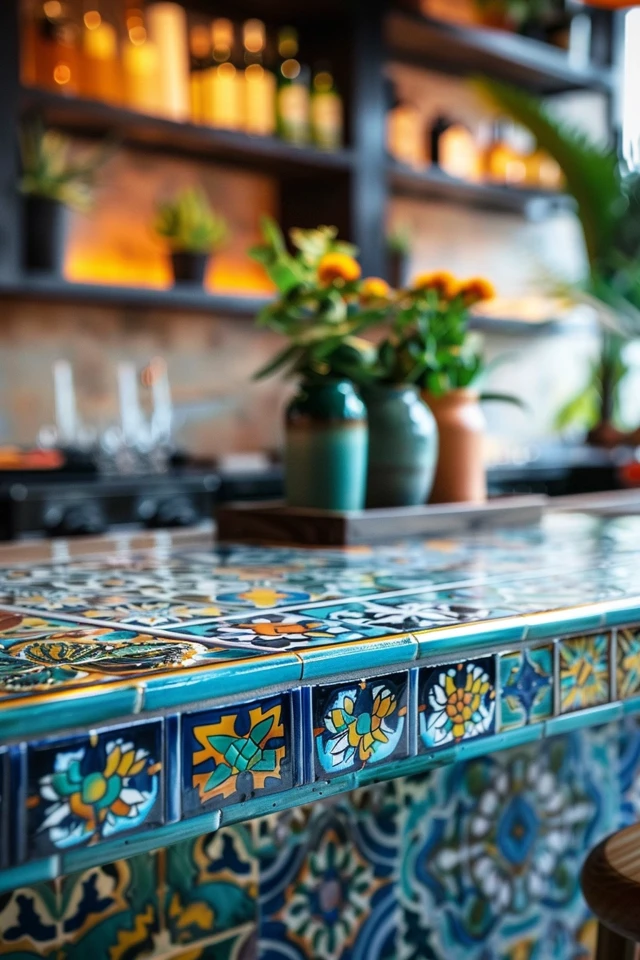
How To Cover Ugly Countertops In A Rental: Temporary Makeovers
Walking into a rental apartment with great bones but terrible finishes is a universal design heartbreak. You see the potential in the layout and the natural light, but then your eyes land on the kitchen. Perhaps it is a speckled orange laminate from the 1970s or a faux-granite surface that feels sticky no matter how much you scrub it.
Living with a surface you hate can drain the joy out of cooking and entertaining. As an interior designer, I have seen clients try to ignore these eyesores, but the kitchen is the visual anchor of the home. If the countertops are off, the whole room feels unfinished. The good news is that you are not stuck with them, even if your lease says you cannot renovate. For a dose of inspiration before you start, I have curated a stunning Picture Gallery at the end of the blog post showcasing real-life rental transformations.
There are high-impact, reversible ways to mask, cover, or distract from ugly counters without risking your security deposit. It requires the right materials, a bit of patience, and a few designer tricks regarding scale and finish. Let’s dive into the practical solutions that will make your rental kitchen feel like a custom renovation.
1. The Architectural Vinyl Wrap (Not Just Contact Paper)
When most people think of covering counters, they think of cheap contact paper used for lining shelves. Do not use this. Standard shelf liner is too thin, tears easily, and is often semi-transparent, meaning the ugly pattern underneath will show through.
For a professional finish, you need architectural-grade vinyl film. These are thicker, more durable, and often come with air-release technology in the adhesive to prevent bubbles. Brands like DC Fix or specialized countertop films are designed to withstand daily wear.
I recommend choosing a matte finish over a high-gloss one. High-gloss vinyl often looks plastic and fake under kitchen lighting. A matte or satin finish mimics the texture of honed stone or concrete, which feels much more expensive and hides scratches better.
Designer’s Note: The Texture Trap
In my years of designing rental units, the biggest failure I see is applying vinyl over textured laminate. If your current counters have a bumpy, “leathered” texture, the vinyl will not stick smoothly.
The fix: You cannot sand the counter in a rental. Instead, choose a “terrazzo” or heavily patterned vinyl. The busy pattern hides the texture bumps underneath, whereas a solid white marble film will show every imperfection.
Step-by-Step Installation Guide
1. The Deep Clean
Adhesion is everything. Scrub the counters with a degreaser to remove years of cooking oil. Follow up with isopropyl alcohol to remove any soap residue. If you skip this, the vinyl will lift at the corners within a week.
2. The Rough Cut
Measure your counter length and add 3 inches to every side. You need this excess to wrap under the lip of the counter. Never try to cut the exact size before applying; you will end up with gaps.
3. The Squeegee Method
Peel back only the first 2 inches of the backing paper. Stick it down at the edge. Use a felt-tipped squeegee (or a credit card wrapped in a microfiber cloth) to push the air out, moving from the center toward the edges. Pull the backing paper off slowly as you move down the counter.
4. The Heat Hack
This is the pro secret. Once the vinyl is on, use a hair dryer on a low setting to warm the vinyl around the corners and edges. The heat makes the plastic pliable, allowing you to stretch it tightly over the counter edge without wrinkling.
Common Mistakes + Fixes
Mistake: Cutting the sink hole before applying.
Fix: Apply the vinyl right over the sink. Once it is stuck down, use an X-Acto knife to cut an X in the middle of the sink, then carefully slice along the rim. Use a hair dryer to mold the vinyl over the sink edge and trim the excess.
Mistake: Water getting under the seams.
Fix: Use clear silicone caulk around the sink rim and the backsplash edge. It seals the vinyl preventing water lift. When you move out, you can peel the silicone off easily.
2. The “Floating” Countertop Strategy
If the idea of wrapping your entire kitchen in plastic stresses you out, use the concept of zoning. You do not always need to cover 100% of the surface to change the look. You can use large-scale overlays to hide the primary work zones.
I frequently use oversized butcher block cutting boards or pastry boards to create “floating” stations. This is distinct from just having a cutting board. I am talking about large slabs of wood or marble that stay permanently in place.
By placing a large, beautiful timber slab on the counter, you create a designated focal point. The eye is drawn to the warm wood, not the ugly laminate beneath it.
Sizing and Placement Rules
Scale is critical here. A small 12×12 inch board looks like clutter. You want a board that is at least 24×18 inches, or even larger if your counter depth allows.
Placement logic:
Place a large wood block next to the stove for prep work.
Place a large marble or slate slab near the coffee machine or bar area.
Ensure there is a “breathing room” of at least 2 inches between the edge of the board and the edge of the counter.
What I’d do in a real project:
1. Buy an IKEA “LÄMPLIG” chopping board (it is huge and inexpensive) or a custom piece of butcher block.
2. Attach clear rubber bumper feet to the bottom. This lifts the board slightly, allowing air circulation so water does not get trapped underneath and damage the rental counter.
3. Treat the wood with food-safe mineral oil so it becomes a functional part of the kitchen, not just decor.
This method adds warmth and texture. It also provides a sanitary surface for cooking, which is a huge bonus if the rental counters are old and scratched.
3. Distraction Through Verticality and Lighting
Sometimes the best way to fix a countertop is to make sure no one is looking at it. In interior design, we call this “controlling the visual hierarchy.” If the counters are the brightest or boldest thing in the room, they will be noticed. You need to shift the focus elsewhere.
Lighting Temperature Matters
Ugly counters often look worse under poor lighting. Many rentals have cool, daylight bulbs (4000K-5000K) which cast a clinical blue light that makes beige laminate look dirty and green faux-marble look sickly.
Switch your kitchen bulbs to 2700K or 3000K LEDs. This warmer light softens the colors and makes imperfections less glaring.
The Backsplash Diversion
Install a peel-and-stick backsplash. By adding a vertical element with a clean, modern tile pattern, you draw the eye up from the horizontal counter.
Design Rule: If your counter is busy (speckled granite), choose a simple, solid-color backsplash like white subway tile.
Design Rule: If your counter is a boring solid color (beige or grey), you can get away with a patterned tile or a bold color to steal the show.
Under-Cabinet Lighting
Install battery-operated or rechargeable LED bars under your upper cabinets. This directs light onto your styled objects and the backsplash, creating a “washed” effect that can minimize the harsh appearance of the countertop surface itself.
4. Strategic Styling and “The Rule of Three”
You cannot cover every inch of counter space, but you can break up the visual continuity of an ugly surface. This is where styling becomes a functional tool, not just decoration.
We use “vignettes” to cover strategic areas. A vignette is a small, curated grouping of objects.
The Tray Trick
Use trays to corral clutter. If you have oils, salt, and utensils sitting directly on an ugly counter, it draws attention to the surface. Put them on a tray.
Material selection: Choose a tray material that contrasts with the counter. If the counter is glossy, use a matte wood or woven rattan tray. If the counter is faux-wood, use a slate or metal tray.
Size matters: Go bigger than you think. A tiny tray looks floaty. A substantial tray anchors the space.
The Appliance Wall
If you have a particularly bad section of counter, use your appliances to block it. Line up your stand mixer, toaster, and coffee maker.
However, do not just line them up like soldiers. Group them.
Left side: Coffee station (Machine + canister + mugs).
Right side: Cooking station (Mixer + utensil crock + large leaning cutting board).
Designer’s Note: The Power of Rugs
This sounds counterintuitive, but putting a runner rug on the kitchen floor helps the countertops. A beautiful, vintage-style runner draws the eye down to the floor. It adds color and pattern that distracts from the bland middle zone of the room.
Sizing: Ensure the runner leaves about 4 to 6 inches of floor visible on either side.
5. Peelable Paint (The Advanced Option)
There is a newer category of product on the market: specialized peelable countertop paint. This is different from the spray paint used on cars (Plasti Dip). These are brush-on kits designed specifically for home surfaces.
This is a riskier option and requires a steady hand. It forms a durable skin over the laminate that can be peeled off in one sheet when you move out.
Pros:
Seamless finish (no vinyl overlap lines).
Can cover complex curves that vinyl struggles with.
Cons:
Curing time is long (you cannot use your kitchen for 2-3 days).
It smells strong during application.
It is more expensive than vinyl.
Check with your landlord: Even though it is peelable, I always recommend discussing this with your landlord. Show them a sample. They might prefer you paint it and leave it, improving the value of their unit.
Final Checklist: The Renter’s Countertop Kit
Before you start any makeover, ensure you have the right mindset and tools. Here is what I would pack in my kit for a rental upgrade project.
Preparation & Cleaning
TSP Substitute or Heavy Duty Degreaser (crucial for adhesion).
Isopropyl Alcohol (90% or higher).
Microfiber cloths (lint-free).
Installation Tools
Felt-edge squeegee (plastic edges scratch vinyl).
Snap-off utility knife with extra blades (a dull blade tears vinyl).
Hair dryer or heat gun.
Metal ruler or straight edge.
Tape measure.
Styling Essentials
Clear silicone caulk (for sealing sink edges).
Large wooden cutting board (minimum 18×24 inches).
Rechargeable under-cabinet lights (3000K temp).
Washable kitchen runner rug.
Frequently Asked Questions
Can I put hot pans on vinyl-covered countertops?
No. Just like standard laminate, vinyl melts under high heat. You must use trivets or hot pads. If you use the “Floating Countertop” method with a thick butcher block, you can place warm items on the wood, but even then, extreme heat can mark it. Treat it with care.
How do I remove the vinyl residue when I move out?
If you used a high-quality architectural film, it should peel off cleanly. Use a hair dryer to warm the vinyl as you pull it; this reactivates the adhesive and makes it release smoothly. If there is any sticky residue left, a citrus-based adhesive remover (like Goo Gone) will clean it up instantly without damaging the original laminate.
Will water damage the vinyl around the sink?
It can if you do not seal it. Water is the enemy of adhesive. This is why the clear silicone bead around the sink rim is non-negotiable. If water gets under the vinyl, it will create mold and lift the paper. Check the seal every few months.
Can I use wallpaper on countertops?
Generally, no. Traditional wallpaper is not waterproof or durable enough for horizontal surfaces. Even “peel and stick” wallpaper is usually designed for vertical walls and lacks the thick wear-layer of countertop vinyl. Stick to products labeled for counters, furniture, or floors.
Conclusion
Living in a rental does not mean you have to suspend your design standards. The kitchen is a workspace, but it is also a living space. By covering ugly countertops, you change the way the light hits the room and the way you feel when you walk into it.
Whether you choose the precision of an architectural vinyl wrap, the warmth of oversized butcher blocks, or the clever distraction of lighting and rugs, the goal is the same: to take control of your environment. You are not just covering a surface; you are claiming the space as your own. Start with one section, take your time with the measurements, and enjoy the satisfaction of a kitchen that finally reflects your taste.
Picture Gallery


