
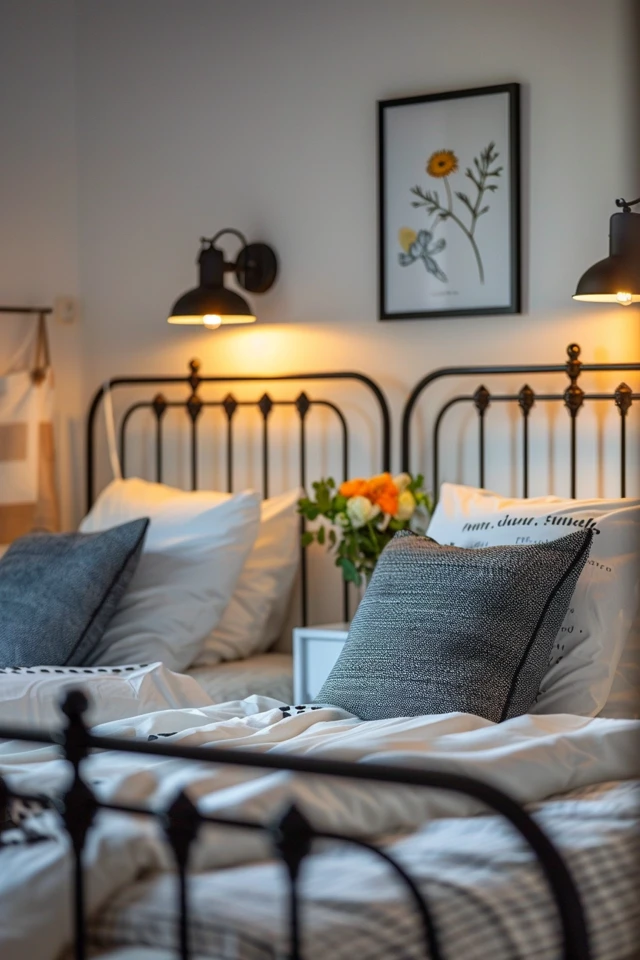
How To Fit Two Twin Beds In A Small Room: Layout Tips
Designing a shared bedroom is a puzzle that requires both mathematical precision and creative flair. When you are working with limited square footage, every inch counts toward creating a space that feels intentional rather than cramped.
Whether you are setting up a room for siblings, preparing a guest suite, or maximizing a vacation rental, the arrangement of twin beds dictates the entire flow of the room. To help you visualize these concepts in a real-world setting, we have included a comprehensive picture gallery at the end of the blog post for your reference.
At-a-Glance: Key Takeaways
- Minimum Clearance: Aim for at least 24 inches of walking space between beds and 30 inches for a more comfortable thoroughfare.
- Symmetry is Your Friend: Identical headboards and bedding create a sense of order that makes small rooms feel larger.
- Vertical Thinking: Use wall-mounted lighting and tall headboards to draw the eye upward, away from the narrow floor plan.
- Rug Placement: A single large rug (8×10 or 9×12) should anchor both beds to unify the room visually.
- Multifunctional Pieces: Swap a traditional nightstand for a shared chest of drawers or a small desk to save space.
What This Style Means (And Who It Is For)
The “Two Twin” layout is a classic design staple that prioritizes flexibility. Unlike a single king or queen bed, two twins allow a room to serve multiple purposes. This setup is ideal for homeowners who frequently host guests who aren’t couples, such as friends or extended family members.
For parents of siblings, this layout is about balance. It provides each child with a “zone” of their own, even within a shared footprint. In contemporary interior design, we often move away from the cluttered look of the past toward a more streamlined, hotel-inspired aesthetic. This means focusing on clean lines, high-quality textiles, and a lack of visual “noise.”
This approach is perfect for renters who cannot move walls or change the architecture of their space. By focusing on furniture placement and scale, you can transform a standard 10×10 or 12×12 room into a functional sanctuary. It is also a smart strategy for short-term rental owners who want to increase their “heads-in-beds” count without sacrificing style.
The Signature Look: Ingredients That Make It Work
To achieve a professional, designer-grade look with two twin beds, you need more than just matching frames. It is about a curated layer of “ingredients” that work together to tell a story. In a small room, these elements must be chosen with a focus on scale and texture.
Low-Profile Frames: In a small room, heavy, dark wood sleigh beds or chunky upholstered frames can swallow the space. Instead, look for slim metal frames or simple platform beds. These allow for more light to pass under and around the furniture, making the floor area feel more expansive.
Wall-Mounted Sconces: Table lamps require surface area on a nightstand. By mounting sconces approximately 55 to 60 inches from the floor, you free up the nightstand for essentials like a glass of water or a book. Sconces with swing arms are particularly useful in twin layouts so each sleeper can adjust the light to their preference.
Unified Textiles: Using the exact same duvet cover and pillow shams on both beds is a designer trick for creating calm. If the beds look different, the room feels split and chaotic. If you want variety, keep the main bedding the same and use different colored throw blankets or lumbar pillows to distinguish the two sides.
The Centerpiece Nightstand: When space is tight, one shared nightstand between the beds is more efficient than two individual ones. This should be a piece with drawers rather than an open table. The drawers provide “hidden” storage, which is vital in small rooms where clutter is the enemy of design.
Layout & Proportions (Designer Rules of Thumb)
In interior design, we use specific measurements to ensure a room remains functional. If you ignore these, you’ll end up with a room where you can’t fully open the closet door or a space where you’re constantly bumping your shins on bed corners.
The 24-Inch Rule: This is the absolute minimum amount of space you should have for a walkway. If the gap between the two twin beds is less than 24 inches, it will feel like a crawl space. Ideally, aim for 30 to 36 inches. This allows two people to pass each other or a person to comfortably make the bed.
Bed Dimensions: A standard twin mattress is 38 inches wide and 75 inches long. A Twin XL is 80 inches long. If you are designing for adults or teenagers, always go for the XL, but ensure your room length can accommodate that extra 5 inches plus a 24-inch walking path at the foot of the bed.
Rug Sizing Logic: Do not use two small rugs. It segments the floor and makes the room look like a series of “islands.” Use one large rug that goes under both beds. A 3×5 rug between the beds is a common mistake; instead, use an 8×10 rug placed horizontally. The rug should start about 12 inches away from the headboard wall and extend past the foot of the beds.
Headboard Height: In a small room with low ceilings, keep headboards under 48 inches. If you have high ceilings, you can go taller (up to 60 inches) to fill the vertical void. High headboards can actually make a narrow room feel wider by creating a strong horizontal line across the wall.
Designer’s Note: In my years of practice, the most common oversight is the location of electrical outlets. Before you finalize the layout, check where the plugs are. There is nothing worse than having a beautiful shared nightstand that sits three feet away from the nearest outlet, forcing you to run ugly extension cords across the floor. If the outlets are behind the beds, use flat-head extension cords so the beds can sit flush against the wall.
Step-by-Step: How to Recreate This Look
- Clear the Room and Measure Twice: Take the dimensions of every wall, including the placement of windows, heaters, and door swings. Note the “swing radius” of the closet and entry doors.
- Define the Layout: Decide if the beds will be parallel (the most common and symmetrical), L-shaped in a corner (best for floor space), or end-to-end (best for very long, narrow rooms).
- Select Your Anchor Pieces: Purchase your bed frames first. If the room is exceptionally narrow, choose “headboard only” options and use a simple metal Hollywood frame to save every possible inch of width.
- Install Lighting: Mark the wall for your sconces before the beds are moved in. If you are renting, use high-quality battery-operated sconces or plug-in versions with decorative cord covers.
- Layer the Rug: Lay down your large area rug before the beds arrive. It is much harder to center a rug once two heavy frames are in place.
- Set the Shared Center: Place your shared nightstand or chest exactly centered between the two headboards. This acts as the “anchor” for the entire room’s symmetry.
- Dress the Beds: Use a high-quality mattress protector, followed by crisp white sheets (they make the room feel like a luxury hotel). Add your matching duvets and finish with a single textured throw at the foot of each bed.
Budget Breakdown: Low / Mid / Splurge
Low Budget (Under $800):
Focus on IKEA or similar flat-pack furniture. Use simple black metal platform frames that don’t require a box spring. For bedding, stick to 100% cotton sets in neutral tones. Use a large, flat-weave jute rug for texture without the high cost of wool. For lighting, use two affordable clamp-on lamps or simple bedside carafes.
Mid Budget ($1,500 – $3,500):
Invest in upholstered headboards with performance fabric (great for kids or pets). Choose a solid wood nightstand with at least three drawers for extra storage. Upgrade to a wool-blend rug which is more durable and softer underfoot. Add high-quality down inserts for the duvets to give the beds that “cloud” look.
Splurge ($5,000+):
This level allows for custom-built cabinetry between the beds or even built-in “niches” with integrated lighting and charging ports. You can opt for designer wallpaper on the “bed wall” to create a focal point. Use Belgian linen bedding and a hand-knotted wool rug. This budget also allows for custom window treatments, like motorized blackout shades and floor-to-ceiling velvet drapes.
Common Mistakes (and How to Fix Them)
Mistake: Scaling the nightstand too small.
Many people buy a tiny “accent table” to fit between twin beds. It ends up looking like a toy and doesn’t provide enough surface area for two people.
The Fix: Use a standard-sized 24-inch to 30-inch wide chest of drawers. It fills the gap better and offers real utility.
Mistake: Neglecting the “Foot” of the bed.
In a small room, we focus so much on the headboards that we forget the foot of the bed. If there is a wall or dresser right at the foot of the bed, the room feels like a dead end.
The Fix: Ensure there is at least 30 inches of space at the foot of the bed. If you don’t have it, try an L-shaped layout instead of parallel.
Mistake: Busy patterns on small beds.
Two beds with two different loud patterns will visually “shrink” the room because the brain has too many points of interest to process.
The Fix: Stick to solid colors for the largest surface areas (the duvets) and save the patterns for small items like shams or a single window treatment.
Room-by-Room Variations
The Kid’s Room: Focus on durability. Use metal frames that can withstand jumping and performance fabrics that are easy to spot-clean. An L-shaped layout often works best here because it opens up the center of the room for a play rug.
The Guest Suite: Think like a hotel. Include a shared charging station on the nightstand. Parallel beds are preferred here as it allows for a more formal, balanced look that feels welcoming to adults.
The Attic/Sloped Ceiling Room: This is a challenge for headboards. If the ceilings are very low, skip the headboards entirely and use a large “mural” or a series of framed prints to define the head of the bed. Position the beds where the ceiling is highest to avoid anyone bumping their head when waking up.
The Long, Narrow “Shoebox” Room: Try the end-to-end approach. Place the beds along one long wall with a shared console table between them. This leaves the entire other side of the room open for a walkway or a desk.
Finish & Styling Checklist
- Hardware: Are the drawer pulls on the nightstand consistent with the metal finish of the bed frames?
- Cord Management: Are all lamp and charger cords tucked away using clips or hidden behind furniture?
- Symmetry Check: Are the pillows at the exact same height? Is the gap between the wall and the bed equal on both sides?
- Texture: Did you include at least three textures? (e.g., smooth cotton sheets, a chunky knit throw, and a natural fiber rug).
- Wall Decor: If using a single piece of art, center it over the nightstand. If using two, center them individually over each bed.
What I’d do in a real project:
- Measure the doorway first; sometimes the frames are too wide to navigate a tight hallway.
- Choose a rug that is low-pile so it is easy to vacuum under the beds.
- Install a dimmer switch for the bedside sconces to allow for “mood” lighting versus “reading” lighting.
- Add a small bench or stool at the foot of only one bed if there is uneven space; it breaks up the symmetry in a stylish, intentional way.
FAQs
Can I put two twin beds in a 10×10 room?
Yes, but it is tight. You should place them against the longest wall and use a single, narrow nightstand between them. You likely won’t have room for other large furniture like a dresser, so look for beds with built-in storage drawers underneath.
Is a Twin XL better than a standard twin?
A Twin XL is 5 inches longer (80 inches total). It is the standard for college dorms and is highly recommended for guest rooms because it can comfortably accommodate tall adults. However, if your room is very short, those 5 inches might prevent you from opening the door.
What is the best way to separate twin beds for privacy?
In a small room, you can’t really use a physical divider without making the space feel tiny. Instead, use a “visual” divider like a tall bookcase placed perpendicular to the wall between the beds, or hang a light, airy curtain from a ceiling track that can be pulled across when needed.
Should the beds touch the walls?
In a perfect world, no. You want at least 2 or 3 inches of “breathing room” between the bed and the side walls. If you push the bed directly against a wall, it makes it very difficult to tuck in sheets and change the bedding.
Conclusion
Arranging two twin beds in a small space is a masterclass in balance. By prioritizing the central “anchor” of the room—usually the nightstand and the rug—you create a cohesive environment that feels like a boutique hotel rather than a cluttered dormitory.
Remember that the key to success lies in the details. Pay attention to your measurements, be ruthless about cord management, and choose a unified color palette to keep the visual weight low. With a little planning and the right proportions, even the smallest room can accommodate two beds without sacrificing comfort or style.
Picture Gallery


