
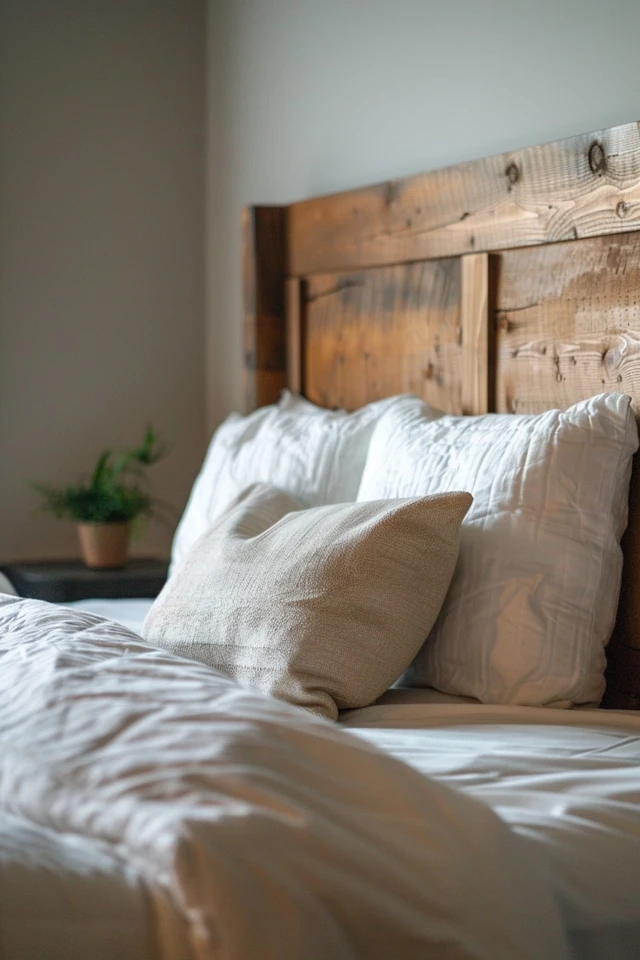
How To Make A Headboard Out Of A Door: Creative Upcycling
There is something undeniably charming about architectural salvage. When you take an old, weathered door and repurpose it into a headboard, you are adding instant soul and history to a bedroom. It grounds the space in a way that mass-produced furniture simply cannot replicate.
In my design projects, I often look for pieces that tell a story, and a vintage door is one of the most versatile items you can find. Whether you leave it chipped and rustic or sand it down for a sleek, modern farmhouse look, the customization options are endless. If you are looking for visual inspiration to spark your creativity, make sure to check out the Picture Gallery at the end of this blog post.
However, turning a heavy slab of wood into safe, functional bedroom furniture requires more than just leaning it against the wall. This guide will walk you through the sourcing, preparation, and installation process I use for my own clients. We will cover safety concerns, critical measurements, and the finishing touches that make the piece look professional.
Phase 1: Sourcing and Selecting the Right Door
The success of this project starts with finding the right material. Not every door works for every bed size, and the weight of the door matters significantly for installation.
When hunting for a door, you are generally looking for a solid wood, paneled door. Avoid hollow-core doors from the 1980s or 90s; they lack the structural integrity to hold mounting hardware and look cheap when painted. You want the heft and grain of real timber.
Sizing Rules of Thumb:
- King Size Bed: A standard King mattress is 76 inches wide. A standard vintage door is usually 80 inches tall. If you turn the door on its side (horizontally), it is the perfect width for a King bed.
- Queen Size Bed: A Queen mattress is 60 inches wide. An 80-inch door will overhang by 10 inches on each side. This is actually a great look, as it frames the nightstands.
- Twin Beds: For a twin, you can keep the door vertical. Since a twin is 38 inches wide, a standard 30-36 inch door works well if you mount it slightly higher, or you can cut a wider door down to size.
Designer’s Note: The Safety Check
I cannot stress this enough: test for lead paint. If you are buying a door that was painted before 1978, there is a high probability it contains lead.
You can buy a simple swab test kit at any hardware store. If it tests positive, you must either seal it completely with a clear coat (encapsulation) or have it professionally stripped. Do not sand lead paint in your home, as the dust is toxic.
Phase 2: Prep Work and Restoration
Once you have your door, you need to clean it up. Old doors have years of grime, grease, and furniture wax built up on them.
Start by removing all existing hardware. This includes hinges, doorknobs, and lock plates. I usually recommend keeping the backplates if they are decorative, but the knobs themselves will be uncomfortable to lean against.
Cleaning Steps:
- Deep Clean: Scrub the door with a solution of TSP (Trisodium Phosphate) and water. This degreaser removes the oils that prevent paint or sealer from adhering.
- Dry Time: Let the wood dry completely for at least 24 hours. Old wood is porous and holds moisture.
- Sanding: If the door is lead-free, sand it down. Start with 80-grit sandpaper to remove rough patches and finish with 120-grit for a smooth touch. You don’t want splinters catching on your expensive bedding.
What I’d Do in a Real Project
If the door has beautiful, peeling paint that tested negative for lead, I often want to keep that “chippy” look. However, I don’t want paint flakes falling on my client’s face while they sleep.
To fix this, I gently sand the loose flakes away and then apply a coat of matte water-based update polyurethane. This seals the look in time without making it look glossy or plastic. It preserves the character while making the surface wipeable and safe.
Phase 3: Customizing the Orientation and Fit
Now you have to decide how the door will sit relative to the bed. The most common configuration for Queen and King beds is horizontal.
If you are using a paneled door horizontally, look at the symmetry. Some doors have larger panels at the bottom and glass or smaller panels at the top. You need to decide which edge looks “heavy” enough to be the bottom.
Filling the Gaps:
If you removed a door knob, you now have a large hole. You have two options here:
- Patch it: Use a wood filler for small holes. For the large knob hole, use a hole saw to cut a plug from scrap wood, glue it in, and putty over it.
- Hide it: If you are painting the door, patching is easy. If you are staining it, hiding the patch is hard. In that case, I often plan the mounting height so the hole is hidden behind the mattress or a Euro sham pillow.
Adding a Top Shelf (Optional)
To give the headboard a more finished, furniture-like appearance, I often add a piece of 1×4 or 1×6 lumber to the top edge. This creates a small shelf for leaning art or placing small decor items.
Screw this top cap into the top edge of the door using countersunk screws. You can then add crown molding underneath this shelf for a traditional look.
Phase 4: Upholstery Integration for Comfort
One complaint about wood headboards is that they aren’t comfortable to lean against for reading. A great designer trick is to upholster the recessed panels of the door.
This adds texture, softness, and acoustic dampening to the room. It also elevates the project from “rustic DIY” to “custom furniture.”
How to Upholster Door Panels:
- Cut Batting: Cut thin quilt batting to the exact size of the recessed panel.
- Cut Fabric: Cut your fabric (linen or velvet works beautifully) about 1 inch larger than the panel on all sides.
- Cardboard Template: Cut a piece of stiff cardboard or thin plywood slightly smaller than the panel opening.
- Wrap and Glue: Wrap the fabric around the cardboard/batting sandwich and secure it to the back with spray adhesive or tape.
- Install: Press the upholstered insert into the door panel. Secure it with Velcro strips (if you want to remove it for cleaning) or construction adhesive.
Phase 5: Professional Installation
This is the step where safety is paramount. A solid wood door can weigh upwards of 60 to 80 pounds. You cannot simply nail this to the drywall.
There are two main ways to mount this: legs or a wall cleat. I almost exclusively use the wall cleat method (French Cleat) because it looks cleaner and allows you to adjust the height easily.
Using a French Cleat System:
A French cleat consists of two metal interlocking strips. One strip screws into the back of the door, and the other screws into the wall studs.
- Locate Studs: Use a stud finder to mark the studs behind your bed. They are usually spaced 16 inches apart.
- Level Line: Draw a level line where you want the top of the headboard to sit.
- Install Wall Plate: Screw the wall side of the cleat into at least two, preferably three, studs. Use heavy-duty lag screws.
- Install Door Plate: Screw the other half of the cleat onto the back of the door. Ensure it is level relative to the door’s top edge.
- Hang: Lift the door and lock the two cleats together. Gravity holds it in place.
Common Mistakes + Fixes
Mistake: Mounting the headboard too high.
Fix: The bottom edge of the headboard should ideally sit 1 to 2 inches below the top of your mattress. If you mount it too high, you will see the wall or the bed frame legs through the gap, which ruins the illusion.
Mistake: Not accounting for baseboards.
Fix: If you are mounting legs to the door and standing it on the floor, the baseboard will push the headboard away from the wall, causing it to wobble. You must cut a notch in the legs to accommodate the baseboard, or use the French cleat method to hang it flush against the wall above the baseboard.
Phase 6: Lighting and Electrical Considerations
In small bedrooms, floor space is at a premium. Attaching sconces directly to your new door headboard is a brilliant way to save space on your nightstands.
Since the door is solid wood, you can screw sconces anywhere on the surface. However, managing the cords is the challenge.
The Cord Solution:
If you are handy with a drill, drill a hole through the door right where the sconce base will sit. Feed the wire through the hole so it comes out the back of the headboard. Then, run the cord down the back of the door and plug it into the outlet.
This creates a “hardwired” look without the need for an electrician. Just make sure you leave enough slack in the cord so it doesn’t pull tight when you plug it in.
Phase 7: Final Styling and Finishes
Now that the headboard is up, you need to integrate it into the room’s design scheme. A reclaimed door is a strong focal point, so the rest of the bedding should usually be fairly calm to avoid visual clutter.
Finish Coordination:
If the door is dark wood, I like to use lighter, crisp white or flax-colored bedding to create contrast. If you painted the door a bold color, like navy or emerald green, consider a neutral rug and warm wood nightstands to balance the temperature of the room.
Nightstand Height:
With a substantial headboard, your nightstands need to have presence. Avoid tiny, spindle-legged tables. The top of your nightstand should be roughly level with the top of your mattress. This visual continuity connects the headboard, bed, and tables into one cohesive unit.
Designer’s Note: Rug Sizing
Don’t forget the rug. A common error is using a rug that is too small. For a Queen or King bed, the rug should start a few inches in front of your nightstands (not under them) and extend past the foot of the bed by at least 18 to 24 inches.
This frames your new DIY creation effectively. If the rug is too small, the heavy door headboard will make the room feel top-heavy and unbalanced.
Final Checklist
Before you call this project done, run through this quick list to ensure quality and safety:
- Lead Test: Did you verify the paint is safe?
- Sealing: Is the finish smooth to the touch? Run a microfiber cloth over it; if it snags, you need to sand more.
- Stability: Grab the top of the headboard and give it a firm shake. It should not move. If it wobbles, tighten your cleat or add rubber bumpers to the bottom corners.
- Mattress Gap: Can you see the wall between the mattress and the headboard? If so, lower the unit.
- Lighting: If you added sconces, are they secure and are the cords hidden?
FAQs
Can I use a hollow core door?
Technically yes, but I do not recommend it. They are difficult to mount securely because screws pull out of the thin veneer easily. They also dent very easily. If you must use one, you will need to use toggle bolts and handle it with extreme care.
How do I clean a rough wood headboard?
Do not use a cloth that will snag. Use a vacuum with a brush attachment to remove dust from the crevices. For deeper cleaning on sealed wood, a soft brush dipped in soapy water works well—just dry it immediately.
What is the best paint for an old door?
If you are painting over old oil paint, use a high-quality bonding primer first. For the topcoat, I prefer a satin or semi-gloss finish. Matte paint is hard to clean, and high-gloss shows every imperfection in the old wood. Satin is the forgiving middle ground.
Can I use a glass-paneled door?
Yes, but be careful. If the glass is old, it is likely standard glass, not tempered safety glass. If you break it in your sleep, it shards dangerously. I recommend replacing the glass with mirror (glued securely) or covering the glass panels with fabric or wood from the back for safety.
Conclusion
Creating a headboard out of an upcycled door is one of the most rewarding weekend projects you can undertake. It saves a piece of history from the landfill, saves you money compared to buying a designer bed frame, and gives your bedroom a custom look that reflects your personal style.
Whether you choose a distressed, rustic aesthetic or a high-gloss, colorful finish, the key is in the preparation and the installation. Take the time to prep the surface properly and mount it securely to the studs. When done right, this is a piece of furniture that will last for decades.
Picture Gallery


