
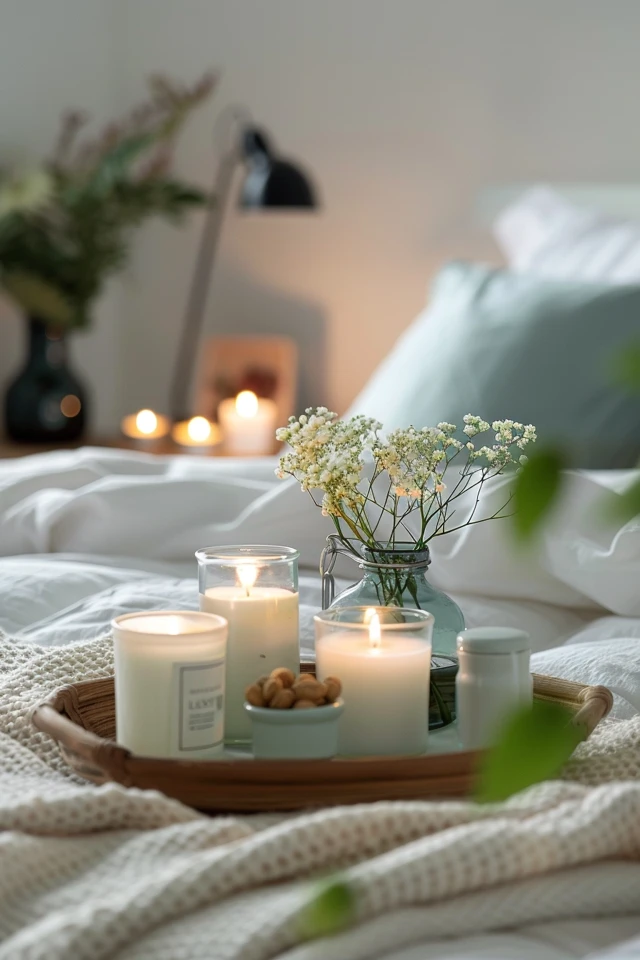
How To Make Your Guest Room Feel Like A Hotel: Hospitality Touches
There is a distinct feeling of relief that washes over you when you check into a high-end boutique hotel. The lighting is soft, the sheets feel crisp against your skin, and every amenity you could possibly need is right at your fingertips. Why is it that our guest bedrooms at home often feel like an afterthought by comparison? Too often, guest rooms become the repository for our old furniture, lumpy mattresses, and mismatched linens.
Creating a hospitality-level experience for your friends and family does not require a commercial budget or a full-scale renovation. It requires a shift in mindset from “spare room” to “guest sanctuary.” You have to anticipate needs before the guest realizes they have them. It is about removing friction from their stay, whether that means easily accessible power outlets or a towel that actually wraps all the way around them.
In this guide, I will walk you through the design principles I use to transform standard bedrooms into luxury suites. We will cover everything from the technical specs of bedding to the proper layout for luggage. Be sure to browse the curated Picture Gallery at the end of this post for visual inspiration on these hospitality concepts.
1. The Foundation: Engineering the Perfect Bed
The primary function of a hotel room is sleep. If you get the bed wrong, no amount of fresh flowers or chocolate on the pillow will save the experience. In interior design, we refer to this as the “sleep system.” It is not just a mattress; it is a stack of specific layers designed for temperature regulation and tactile comfort.
Start with the mattress itself. A common mistake is moving your master bedroom’s old, sagging mattress into the guest room. If a new mattress is not in the budget, you must invest in a high-quality topper. I recommend a minimum depth of 3 inches for a memory foam or latex topper. This bridges the gap between a tired spring mattress and a luxury hotel bed.
Next, focus on the linens. There is a misconception that a higher thread count equals better quality. This is false. A 300 to 400 thread count in a long-staple cotton percale is the sweet spot for that crisp, cool hotel feel. Anything over 600 often uses double-ply threads, which can make the fabric heavy and prone to pilling. Stick to white linens. They signal cleanliness and can be bleached to keep them looking pristine.
Designer’s Note: The Duvet Trick
I learned this trick early in my career while staging model apartments. To get that fluffy, cloud-like look you see in magazines, buy a duvet insert that is one size larger than your duvet cover. If you have a Queen bed and a Queen cover, stuff it with a King insert. This creates immediate volume and prevents the corners from looking floppy and empty.
Common Mistakes + Fixes
- Mistake: Using standard poly-fill pillows that go flat instantly.
- Fix: Provide two densities of pillows per person. One firm pillow for reading or side sleepers, and one soft down (or down-alternative) pillow for stomach sleepers.
- Mistake: Buying a duvet that is too short.
- Fix: Ensure the duvet covers the mattress side rails completely. If your mattress is extra deep (14 inches+), buy “super king” or “oversized queen” bedding.
2. Lighting Layers and Temperature Control
Hotels master the art of ambiance through lighting layers. You never walk into a luxury suite and have only a single, glaring overhead light to navigate the room. You need three specific layers: ambient lighting (overhead), task lighting (reading), and accent lighting (mood).
The color temperature of your bulbs is non-negotiable. For a bedroom, you should strictly use bulbs labeled 2700K (Kelvin). This mimics the warm, relaxing glow of incandescent light. Anything labeled “Daylight” or 5000K will make the room feel like a hospital or a cafeteria, disrupting your guest’s circadian rhythm right before bed.
Window treatments serve a dual purpose: privacy and light control. In my projects, I always install a dual-track system or a layered approach. You need a sheer layer for daytime privacy that lets light in, and a blackout layer for sleeping. If you cannot afford custom drapery, install a simple blackout roller shade inside the window frame and hang decorative drapes continuously outside the frame.
What I’d Do in a Real Project
- Bedside Control: I ensure the bedside lamp switch is reachable from a lying-down position. If the lamp switch is on the cord, I tape the cord to the back of the nightstand so the switch stays at tabletop height.
- Nightlight Placement: I place a low-wattage, motion-sensor nightlight near the door or en suite bathroom. Guests do not know the layout of your home in the dark. This prevents stubbed toes and disorientation.
- Fan Access: If there is a ceiling fan, I place the remote on the nightstand, not on the wall across the room. Temperature preferences vary wildly; give them control.
3. Layout Logistics and Luggage Handling
When designing for yourself, you fill drawers with clothes. When designing for a guest, you must remember they are living out of a suitcase. The biggest friction point in a guest room is a lack of horizontal surface area.
Do not cover every dresser and table surface with picture frames, vases, and books. A guest needs a clear place to put a toiletry bag, a phone, a glass of water, and a book. As a rule of thumb, keep 50% of the nightstand surface empty.
You must provide a designated spot for a suitcase. No one wants to put a dirty suitcase wheel on a clean white duvet, and crouching on the floor to dig through a bag is uncomfortable. If space allows, place a bench at the foot of the bed.
Spacing Rules of Thumb
- Walkways: Maintain at least 30 to 36 inches of clearance around the sides and foot of the bed. If you have less than 24 inches, the room is over-furnished. Downsize the bed from a King to a Queen if necessary.
- Bench Height: The bench or luggage rack should be roughly the same height as the mattress, usually between 18 and 24 inches high.
- Nightstand Height: The top of the nightstand should be level with the top of the mattress, or up to 2 inches higher. Never lower, as it makes reaching for water awkward.
Designer’s Note: The “Empty Drawer” Rule
If the guest room doubles as your storage room, you must clear out at least two drawers for them. Nothing makes a guest feel more like an intruder than opening a drawer to find your winter sweaters or tax documents. If drawers aren’t an option, clear 12 inches of hanging space in the closet and provide 10 matching wooden hangers (wire hangers are a no-go).
4. The Convenience Station: Anticipating Needs
The difference between a room and a suite is the presence of amenities that make the guest independent. They shouldn’t have to leave the room and search the kitchen for a glass of water in the middle of the night.
Set up a “hospitality tray” on a dresser or console. At a minimum, this should include a carafe of water and two clean glasses. If you have the space and electrical capacity, a small coffee station is a massive luxury. A simple single-serve machine with a few pods, mugs, sugar, and stirrers allows guests to wake up slowly without feeling the pressure to socialize immediately.
Technology is another critical category. Outlets are often hidden behind heavy beds or dressers in older homes. I always add a power strip with USB ports to the top of the nightstand or mount it to the side leg. Guests should never have to crawl on their hands and knees to charge their phone.
The Wi-Fi Card
Frame a small card with the Wi-Fi network name and password and place it on the nightstand. It saves them the awkwardness of asking, and it saves you from having to recite a complicated string of characters.
Common Mistakes + Fixes
- Mistake: No trash can in the bedroom.
- Fix: Place a small, attractive wastebasket near the dresser. Guests generate trash (airline tags, tags from new clothes, tissues), and without a bin, it ends up on your nightstand.
- Mistake: No full-length mirror.
- Fix: Install a mirror on the back of the bedroom door or inside the closet door. It takes up zero floor space but is essential for getting dressed.
5. The Sensory Experience: Bath and Scent
Even if your guest room does not have an en suite bathroom, you should stage the towels and toiletries as if it does. Place a neatly folded stack of towels on the end of the bed or the luggage bench. This signals exactly which towels are theirs to use, so they don’t have to guess which decorative towel in the hallway bathroom is “for show.”
Invest in bath sheets rather than standard bath towels. A standard towel is usually 27″ x 52″, while a bath sheet is 35″ x 60″. The extra fabric feels incredibly luxurious. Stick to white terry cloth; just like the bedding, it signals hygiene and is easy to bleach.
Scent is powerful, but it is also subjective. While you want the room to smell fresh, avoid heavy artificial plug-ins. They can trigger allergies or headaches. Instead, use a linen spray with a mild scent like lavender or eucalyptus, and mist the room 20 minutes before they arrive.
The Robe Hook
In every hotel room, there is a hook near the bathroom or on the back of the door for a robe or wet towel. In residential homes, we often forget this. Install sturdy double hooks (capable of holding 10+ lbs) on the back of the bedroom door. If you want to go the extra mile, hang two universal-fit waffle knit robes there. They are lightweight, easy to wash, and make guests feel pampered.
What I’d Do in a Real Project
- Toiletries: I collect travel-sized shampoos, conditioners, and lotions. I display them in a small glass jar or bowl. It looks intentional and saves the guest from panic if they forgot their own.
- The Rug: The first thing a guest’s feet touch in the morning should be soft. If the room has hardwood floors, place a rug under the bed. The rug should extend at least 18 to 24 inches beyond the sides of the bed.
Final Checklist: The Walk-Through
Before your guests arrive, do what I call the “suitability test.” Actually spend a night in the room, or at least lie on the bed for 20 minutes and go through the motions of getting ready.
The “Guest Ready” Audit
- Mattress Check: Is the topper shifted? Is the mattress pad lumpy?
- Light Check: Do all bulbs work? Are they all the same color temperature (2700K)?
- Outlet Check: Can you plug in a phone charger without moving furniture?
- Curtain Check: Do the curtains close completely to block the streetlamp outside?
- Closet Check: are there empty hangers and space for a suitcase?
- Water Check: Is the carafe fresh and are the glasses dust-free?
- Wi-Fi Check: Is the password card visible and current?
Frequently Asked Questions
How do I make a small guest room feel like a hotel?
In small spaces, scale is everything. Avoid large, rolled-arm furniture that eats up floor space. Use wall-mounted sconces instead of table lamps to free up nightstand surface area. If the room is truly tiny, consider a high-quality daybed with a trundle, styled like a sofa during the day, to give the room more breathing room.
What if my guest room is also my home office?
Zoning is key here. Position the desk so it doesn’t face the bed, if possible. When guests arrive, completely clear the desktop of your papers and work clutter. Use a decorative box to hide your office supplies. The desk can then double as a vanity or writing table for the guest.
Is it okay to use colors other than white for bedding?
While you certainly can use color, I advise against it for the sheets themselves. Colored sheets fade over time and can hide stains, making them feel less hygienic. If you want to add color, do it through the duvet cover, a throw blanket at the foot of the bed, or decorative Euro shams. Keep the sheets and sleeping pillowcases crisp white.
How do I handle pets when guests visit?
Hotels are usually pet-free or have strict zones. Ensure the guest room is thoroughly vacuumed and dander-free before arrival. If your guest has allergies, keep the door closed for a few days prior to their stay. Always provide a lint roller in the guest amenities basket—it is a small touch that pet-free guests appreciate immensely.
Conclusion
Transforming your guest room into a hospitality-focused space is less about spending money and more about thoughtful preparation. It is about empathy—walking a mile in your guest’s shoes (or slippers) and smoothing out the friction points of travel.
By layering the lighting, upgrading the bedding texture, clearing the clutter, and anticipating their need for water and Wi-Fi, you communicate to your guests that they are welcome and valued. These touches create an atmosphere of relaxation that rivals any boutique hotel, ensuring your guests leave feeling rested and cared for.
Picture Gallery


