
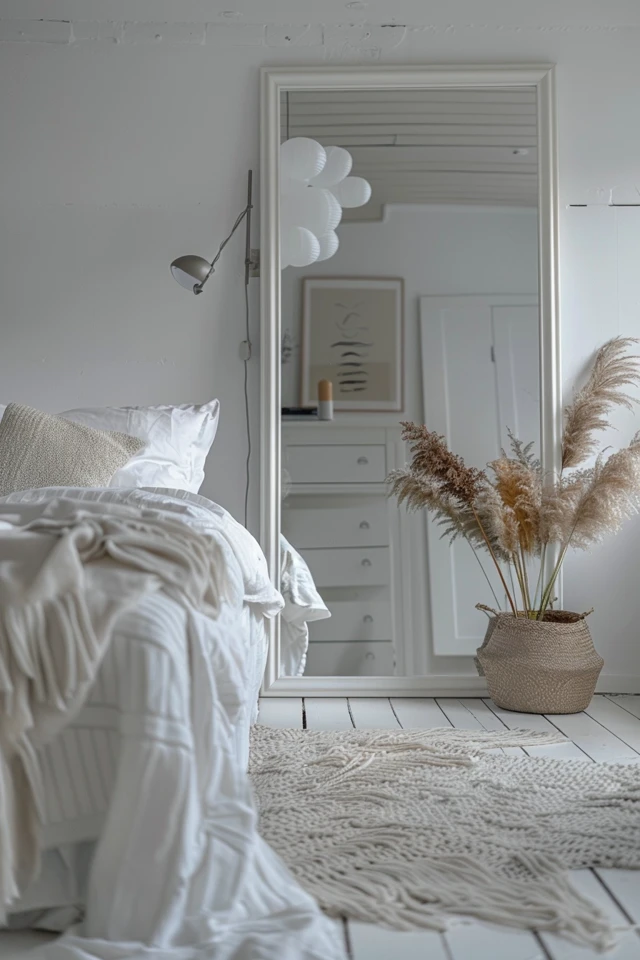
How To Put A Mirror On Your Ceiling: Reflective Decor
When most people hear “mirrored ceiling,” their minds immediately drift to dated hotels or the kitschy decor of the 1970s. However, in modern interior design, placing a mirror on the ceiling is a powerful architectural tool used to double visual height and maximize light. I have used this technique in windowless powder rooms and cramped dining areas to create a “jewelry box” effect that feels expansive rather than claustrophobic.
The key to pulling this off is intentionality and safety, ensuring the reflection captures something beautiful rather than just creating a disorienting room. If you are looking for visual inspiration, check out the curated Picture Gallery at the end of this blog post. It showcases how this technique ranges from subtle antique tiles to bold, modern sheets.
This guide will walk you through the technical realities and design decisions required to install a ceiling mirror correctly. We will cover structural requirements, material choices between glass and acrylic, and the styling nuances that separate a high-end look from a DIY disaster.
1. Assessing Feasibility and Structural Integrity
Before you purchase materials, you must determine if your ceiling can physically support the weight of a mirror. A standard 1/4-inch thick glass mirror weighs approximately 3.3 pounds per square foot. If you are covering a 4-foot by 8-foot area, you are looking at over 100 pounds of glass suspended above your head.
Drywall alone cannot support this weight over time. The paper face of the drywall will eventually tear away from the gypsum core, causing the mirror to fall. You must identify the location of your ceiling joists, which are typically spaced 16 or 24 inches on center.
If you plan to install a large, continuous sheet of glass, you generally need to install plywood blocking directly into the joists first. This creates a solid, continuous surface for the adhesive to bond to and for screws to bite into. If you skip this step, you risk a catastrophic failure.
Designer’s Note: The “Popcorn” Problem
I often see homeowners try to glue mirror tiles directly onto textured or “popcorn” ceilings. This never works. The adhesive bonds to the texture, not the ceiling structure, and the weight pulls the texture right off. You must scrape the ceiling flat and prime it before attempting any installation.
2. Choosing Your Material: Glass vs. Acrylic
The choice between real glass and acrylic (plexiglass) is the most critical decision you will make regarding safety and aesthetics. Each has distinct pros and cons depending on your budget and the installation location.
Glass Mirrors
Real glass offers a perfect, distortion-free reflection and feels premium. It is resistant to scratching during cleaning. However, it is incredibly heavy and poses a significant safety risk if it breaks.
If you choose glass for a ceiling, you must purchase “safety-backed” mirrors. This is a special film applied to the back of the glass. If the mirror cracks, the film holds the shards together rather than letting them rain down on the room below.
Acrylic Mirrors
Acrylic is lightweight and shatter-resistant, making it a favorite for DIYers and renters. You can cut it with standard plastic-cutting tools, and it is much easier to lift.
The downside is the “funhouse” effect. Acrylic is flexible, so if the ceiling isn’t perfectly flat, the reflection will warp. It also scratches very easily during cleaning. I generally only recommend acrylic for small areas or children’s rooms where safety is the absolute priority.
Antique vs. Clear Finish
In high-end residential projects, I almost always use “antique” or “smoked” glass for ceilings. Clear glass can be too intense and clinical. An antiqued finish softens the reflection, hiding dust and creating a moody, atmospheric glow that is much more forgiving.
3. Installation Methods: Adhesives and Mechanical Fasteners
Gravity is your enemy here. Relying on glue alone is rarely sufficient for ceiling applications. A professional installation uses a combination of chemical adhesion and mechanical support.
The Adhesive Layer
You must use an adhesive specifically formulated for mirrors, such as Gunther Premier Mirror Mastic. Standard construction adhesives can eat through the silver backing of the mirror, causing black rot spots to appear on the glass over time.
Apply the mastic in golf-ball-sized dollops rather than a continuous swirl. This allows air to circulate, helping the mastic cure properly. Keep the adhesive at least 3 inches away from the edges to prevent it from squeezing out.
Mechanical Support
Mechanical fasteners are non-negotiable for large sheets. There are three main ways to handle this:
- J-Channels: Metal tracks screwed into the joists that hold the edges of the mirror.
- Mirror Clips: Plastic or metal clips installed around the perimeter and into the studs.
- Rosettes: Decorative fasteners that go through holes drilled in the mirror corners, screwing directly into the ceiling.
The T-Brace Technique
While the adhesive cures, the mirror must be held explicitly tight against the ceiling. Professionals use a “T-brace.” This is a wooden 2×4 specifically cut to wedge between the floor and the mirror (protected by a towel), applying upward pressure. This brace usually needs to stay in place for 48 to 72 hours.
4. Designing the Layout: Tiles vs. Sheets
The layout of your mirror dictates the complexity of the installation. You typically have two choices: a grid of smaller tiles or large, custom-cut slabs.
Using Mirror Tiles
Mirror tiles (usually 12×12 inches) are the most approachable option for a DIY project. They are manageable to handle and don’t require a large crew to lift. This look works exceptionally well in foyers or dressing rooms.
The challenge with tiles is keeping the grid straight. Snap chalk lines on the ceiling to mark your center point and work your way out. If your lines drift even a fraction of an inch, the entire ceiling will look crooked.
Using Large Sheets
Large sheets create a seamless, architectural look that expands the space dramatically. This is ideal for dining rooms or above a kitchen island. However, this is strictly a multi-person job or a task for professional glaziers.
When using large sheets, you must plan for the seams. Unlike wallpaper, you cannot hide a seam in glass. I prefer to cover seams with flat lattice moulding or decorative beams to create a coffered ceiling effect. This turns the necessity of a seam into a design feature.
What I’d Do in a Real Project:
- Measure Access: Before ordering a 4×8 sheet of glass, I check if it fits in the elevator or up the stairwell.
- Acclimatize: I let the materials sit in the room for 24 hours so any wood backing adjusts to the humidity.
- Mock-up: I tape cardboard to the ceiling to visualize the exact size before committing.
5. Lighting and Styling the Reflection
A ceiling mirror doubles everything in the room, including your clutter. The success of this design feature depends entirely on what is being reflected.
Lighting Considerations
Never place a recessed downlight (can light) directly inside the mirrored field. The glare will be blinding, and you will see the unsightly inner workings of the light fixture in the reflection.
Instead, use a chandelier or pendant light suspended below the mirror. The mirror will reflect the top of the fixture, so ensure your chandelier looks good from above. This doubles the sparkle of the light and adds immense depth to the room.
If you must use surface lighting, install it around the perimeter of the mirror, washing light across the surface rather than pointing directly at it.
Room Selection
Dining Rooms: This is the classic location. It reflects the table setting, candlelight, and chandelier, creating a festive atmosphere.
Hallways: A long, narrow hallway can feel like a tunnel. A mirrored ceiling breaks up the length and makes the ceiling feel infinitely high.
Bedrooms: Proceed with caution. While romantic in theory, a full mirrored ceiling can feel intense. I suggest mirroring only a recessed tray ceiling or using antique glass to soften the image.
Common Mistakes + Fixes
Even seasoned renovators make errors when dealing with ceiling applications. Here are the most frequent issues I encounter and how to solve them.
Mistake: Leaving Raw Edges
Leaving the sharp edge of the mirror exposed looks unfinished and is dangerous.
The Fix: Always frame the mirror. Use a wood molding or a metal J-channel to cap the edges. If the mirror meets a wall, use a crown molding to overlap the glass edge slightly for a built-in look.
Mistake: Ignoring the “Backside” Reflection
Placing a mirror above a tall cabinet or bookshelf.
The Fix: Remember that a ceiling mirror allows you to see behind and on top of tall furniture. Ensure the tops of your armoires are dusted and free of clutter, because the mirror will reveal everything.
Mistake: Using Thin Glass
Buying cheap, thin mirror glass (1/8 inch) to save weight.
The Fix: Thin glass bows and warps, creating a distorted image. Stick to 1/4 inch thickness for a flat, true reflection, even though it requires more support.
Final Checklist for Success
Before you begin your installation, run through this final punch list to ensure you haven’t missed a critical safety or design step.
- Structure: Have you located the joists and confirmed the ceiling can hold the weight?
- Safety: Is the glass safety-backed (filmed) or tempered?
- Adhesive: Do you have mirror-specific mastic (not liquid nails)?
- Support: Do you have a mechanical way to hold the glass (clips, molding, or rosettes)?
- Bracing: Do you have T-braces prepared to hold the glass while the glue cures?
- Surface: Is the ceiling scraped flat, primed, and free of dust?
- Lighting: Have you checked that no downlights will cause glare?
- Reflection: Have you stood on a ladder to see exactly what the mirror will reflect?
Frequently Asked Questions
Can I glue a mirror to a popcorn ceiling?
No. The weight of the mirror will pull the texture off the drywall. You must scrape the texture down to the smooth paper surface, sand it, and prime it before installation.
How do I clean a mirror on the ceiling?
Use a microfiber cloth and a standard glass cleaner, but do not spray the cleaner directly onto the mirror overhead. Spray the cloth first, then wipe. This prevents liquid from dripping behind the mirror edge, which can cause “black edge” rot.
Is acrylic safer than glass?
In terms of impact, yes. Acrylic will not shatter like glass. However, it is more flammable and can distort the image. For a high-end look, safety-backed glass is the industry standard. For a kid’s room or rental, acrylic is a safer, temporary bet.
Does a mirrored ceiling make a room look bigger?
Yes, significantly. It adds vertical depth, making low ceilings feel twice as high. It also bounces light into dark corners, increasing the perceived square footage of the room.
Conclusion
Installing a mirror on your ceiling is a bold design move that transcends trends when executed with precision. It transforms a static plane into a dynamic element of the room, manipulating light and space in ways paint simply cannot.
While the technical installation requires rigorous attention to safety and structural support, the payoff is a room that feels grander, brighter, and infinitely more interesting. Whether you opt for a grid of antique tiles in a moody powder room or a sleek sheet of glass in a modern dining area, the key is to prioritize safety backing and mechanical fasteners.
Take your time with the layout, invest in the right adhesives, and never underestimate the weight of glass. When done correctly, reflective decor elevates your home from standard to spectacular.
Picture Gallery


