
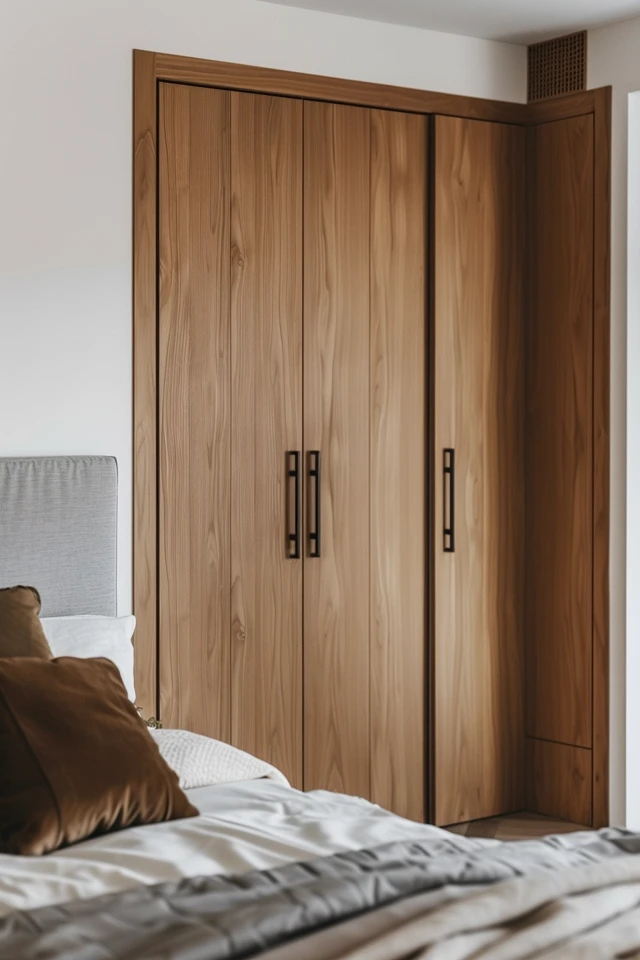
Title: Innovative Double Closet Door Ideas to Transform Spaces
Introduction
In my years of designing residential interiors, I have found that closet doors are the most overlooked architectural element in a bedroom or hallway. Most homeowners focus intently on bed frames, rugs, and paint colors, yet they leave the standard, builder-grade hollow core doors untouched. These doors often cheapen the look of an otherwise expensive renovation.
Replacing or upgrading your double closet doors is one of the highest-impact changes you can make without tearing down walls. It changes the visual weight of the room, improves sound dampening, and can even alter the perceived size of the space. We have curated a comprehensive list of ideas, and you will find an inspiring Picture Gallery at the end of this blog post.
Whether you are dealing with a reach-in wardrobe in a master suite or a compact laundry closet in a hallway, the doors you choose determine functionality. I want to walk you through innovative options that go beyond basic white bifolds. We will cover technical spacing rules, material selection, and styling tricks that I use in my own client projects.
1. The French Door Conversion: Elevating Elegance
Replacing sliding or bifold doors with swinging French doors is a classic move that instantly adds value. This style features two doors that swing outward into the room, meeting in the middle.
The primary advantage here is visibility. Unlike sliders, which always block 50% of your closet, French doors allow you to open both sides simultaneously. This gives you a full view of your wardrobe, which helps immensely when coordinating outfits in the morning.
However, you must respect the “swing radius.” In my floor plans, I always draw a 24 to 36-inch semi-circle in front of the closet to ensure no furniture obstructs the path. If your bed or a heavy armchair is too close, this option will feel cramped and frustrating.
Designer’s Note: The Latch Logic
A common annoyance with double swinging doors is that they don’t stay closed. Standard passage latches require turning a knob, which can be cumbersome for a closet.
I recommend using “ball catches” installed at the top of the door frame. This allows you to simply pull the doors open and push them closed without turning a handle. It feels much more high-end and functional for daily use.
Common Mistakes + Fixes
Mistake: Installing doors that are too heavy for the existing frame.
Fix: Solid core doors are heavy. Ensure your contractor adds a third hinge to the middle of the jamb if the door exceeds 7 feet in height or feels substantial. This prevents warping and sagging over time.
2. Sliding Barn Doors: Rustic to Modern Industrial
Barn doors have evolved significantly past the farmhouse trend. We are now seeing sleek, modern iterations using matte black hardware, fluted glass, or smooth painted finishes that suit contemporary homes.
This system is ideal for rooms where floor space is tight. Because the doors slide along the wall rather than swinging out, you can place furniture closer to the closet opening. This is a lifesaver in small guest rooms or narrow hallways.
The trade-off is wall space. You need clear wall area on either side of the opening equal to the width of the door. If you have light switches, outlets, or artwork on those adjacent walls, you will need to relocate them.
What I’d do in a real project:
When specifying barn doors, I always order the door slab 2 inches wider and 1 inch taller than the opening.
Standard casing leaves gaps. By sizing up, you minimize the “peek-a-boo” gap between the door and the wall, which is crucial for privacy and hiding messy clothes.
Hardware Selection Guide
1. Box Rail: A hidden track system that looks cleaner and more modern.
2. Spoke Wheel: The classic oversized wheel, best for industrial or rustic vibes.
3. Soft Close: Yes, they make soft-close hardware for barn doors. I consider this mandatory to prevent banging and finger-pinching.
3. The Custom Bifold: Rattan, Cane, and Millwork
Bifold doors have a bad reputation because the hardware used in the 1980s and 90s was terrible. Flimsy tracks led to doors popping off their rails constantly. However, modern heavy-duty bifold hardware is smooth, silent, and sturdy.
Bifolds are actually excellent for tight spaces. They require half the swing radius of a French door but still offer near-total access to the closet width. The innovation here comes in the finish, not just the function.
I have recently been customizing standard flat-panel bifolds by applying cane webbing or rattan sheets to the front. This adds texture and warmth, masking the utilitarian nature of the door. Framing the webbing with thin pine molding creates a high-end, custom-joinery look for a fraction of the cost.
Designer’s Note: The Height Trick
If you have standard 80-inch doors but 9-foot ceilings, the gap above the door can make the room feel disjointed.
I often add a piece of trim or a “header” above the bifold tracks to mimic the look of a transom window or extended millwork. Painting this header the same color as the doors draws the eye up and makes the closet entrance look grander.
Common Mistakes + Fixes
Mistake: Painting the tracks white while using dark hardware handles.
Fix: Spray paint the visible metal track at the top to match your door color or your hardware finish (e.g., oil-rubbed bronze). It makes the hardware disappear visually.
4. Mirrored Doors: Architectural Illusion
Mirrored doors are the oldest trick in the designer’s handbook for small rooms, but they often look dated if framed in cheap gold aluminum. The modern approach involves framed mirrors that look like furniture pieces.
Using mirrors on closet doors doubles the perceived depth of the room and bounces natural light into dark corners. This is particularly effective in north-facing bedrooms that receive little sunlight.
Instead of a full sheet of glass, look for “divided lite” styles. These mimic the grid pattern of a window. It breaks up the reflection so it feels less like a ballet studio and more like an architectural feature.
Practical Styling Rules for Mirrors
Antiqued Mirror: If you want a moody, romantic vibe, choose glass with an antiqued or smoked finish. It is more forgiving of fingerprints and smudges than clear glass.
Frame Width: Ensure the frame (stile) around the mirror is at least 3 to 4 inches wide. Thin frames look cheap; substantial frames look like quality cabinetry.
Safety and Maintenance
If you have children or active pets, ensure the mirrors are tempered or have safety backing. This film prevents the glass from shattering into dangerous shards if impacted. For cleaning, use a glass cleaner sprayed onto the cloth, not the door, to prevent liquid from seeping behind the frame and damaging the silvering.
5. Fabric and Curtain Hybrid Solutions
Sometimes, the best door is no door at all—or at least, not a rigid one. For renters or those on a strict budget, swapping hard doors for high-quality textiles creates a soft, boutique hotel atmosphere.
This is not about hanging a bedsheet on a tension rod. To make this look designed, you must use ceiling-mounted tracks or high-quality rods installed well above the door frame. The drapery should kiss the floor, not pool excessively or hang inches above it.
This solution solves the issue of “door swing” entirely and introduces sound absorption. In a bedroom with hardwood floors and minimal upholstery, a wall of fabric adds necessary acoustical dampening.
What I’d do in a real project:
I would use a “ripple fold” drapery track mounted to the ceiling or the very top of the wall.
I would select a heavy velvet or linen blend with a blackout liner. The liner gives the curtain weight and structure so it hangs like a wall, rather than looking flimsy.
I would extend the rod 10 to 12 inches past the closet opening on both sides. This allows you to stack the curtains completely clear of the opening when you need to access your clothes.
6. Wallpapered and Hidden Doors
For a maximalist look or a secret-room vibe, wallpapering your closet doors to match the surrounding walls is a brilliant technique. This is often called a “jib door” in historical architecture.
Flat-panel doors (slab doors) are required for this. You apply the wallpaper seamlessly across the wall and over the door. When the door is closed, the pattern continues uninterrupted, making the closet disappear.
This works exceptionally well in small rooms where you want to reduce visual clutter. By eliminating the contrast between the door and the wall, the room feels larger and more cohesive.
Application Tips
Adhesive: You must use a heavy-duty wallpaper paste. Priming the door first with a wallpaper primer is non-negotiable, or the paper will peel at the edges.
Edges: Wrap the paper around the side edge of the door for a clean look.
Hardware: Use minimal, edge-pull hardware or touch-latches so no knobs disrupt the pattern.
7. Slatted and Louvered Wood Details
Louvered doors are traditional, allowing air circulation which is vital for linens and clothes to prevent mustiness. However, the modern take creates a vertical slat wall effect.
Vertical wood slats (often oak, walnut, or paint-grade pine) applied to a solid door create incredible texture. This verticality draws the eye upward, making standard ceilings feel higher.
This design connects well with mid-century modern or Japandi aesthetics. The play of light and shadow over the slats adds depth that a flat door simply cannot provide.
Designer’s Note: Dust Management
While slatted doors look stunning, they are dust magnets.
I advise clients to use a vacuum with a soft brush attachment to clean them monthly. If you have severe allergies, a smooth door might be a healthier option for your sleeping environment.
Final Checklist: Before You Buy
Before you head to the lumber yard or order custom doors, run through this practical checklist to avoid costly returns.
Check the Jamb Depth: Standard interior walls are 4 9/16 inches thick. If you have an older home with plaster walls, your jambs might be wider. Buying a pre-hung door with the wrong jamb size will result in a nightmare installation.
Measure at Three Points: Measure the width of your opening at the top, middle, and bottom. Use the smallest measurement. Door frames shift over time, and they are rarely perfectly square.
Account for Flooring: Are you planning to change the carpet to hardwood? Or add a thick rug? Ensure you have at least 1/2 inch to 3/4 inch of clearance at the bottom of the door for air return and smooth movement.
Identify Traffic Patterns: Open your bedroom door and imagine the closet doors open. Do they collide? If yes, consider sliders or bifolds to avoid “door wars.”
Lighting Clearance: Check the ceiling for can lights or semi-flush fixtures. A swinging door can easily shatter a glass light fixture if the clearance wasn’t calculated.
FAQs
Can I turn two single doors into one large opening?
Yes, but it requires structural work. The wall between two single closets often contains a support stud (king stud/jack stud combination). You will need a contractor to install a new header beam to span the wider opening safely. Do not remove the center post without consulting a structural engineer.
What is the best material for soundproofing?
Solid core wood or MDF doors are best. Hollow core doors act like drums, amplifying noise. If the closet houses a noisy washing machine, invest in a solid core door and add weather stripping around the frame to seal air gaps.
How do I update metal bifold doors without replacing them?
If you are renting and stuck with metal doors, you can paint them. Use a bonding primer specifically designed for metal surfaces. Afterward, apply two coats of high-quality satin enamel. Changing the knob to a modern geometric shape also distracts from the dated door style.
Is it okay to have closet doors that don’t match the bedroom entry door?
Absolutely. In fact, I prefer it. Treat the closet doors as furniture or a feature wall. As long as the trim (casing) matches the rest of the room, the doors themselves can be a different style or color to create a focal point.
Conclusion
Double closet doors possess a unique ability to define the character of a room. They occupy a large amount of vertical visual space, yet we often settle for the bare minimum. By upgrading to French doors, modernizing your bifolds with cane, or utilizing the architectural sleekness of sliding barn doors, you elevate the entire home.
Remember that functionality must come first. The most beautiful door is useless if it hits your nightstand every time you open it. Measure your swing radius, consider your furniture layout, and choose a mechanism that supports your daily routine.
Don’t be afraid to mix materials. Mirrors, wood slats, and textiles bring richness to a space that paint alone cannot achieve. With the right planning and a bit of creativity, your closet doors can become the standout feature of your interior design.
Picture Gallery


