
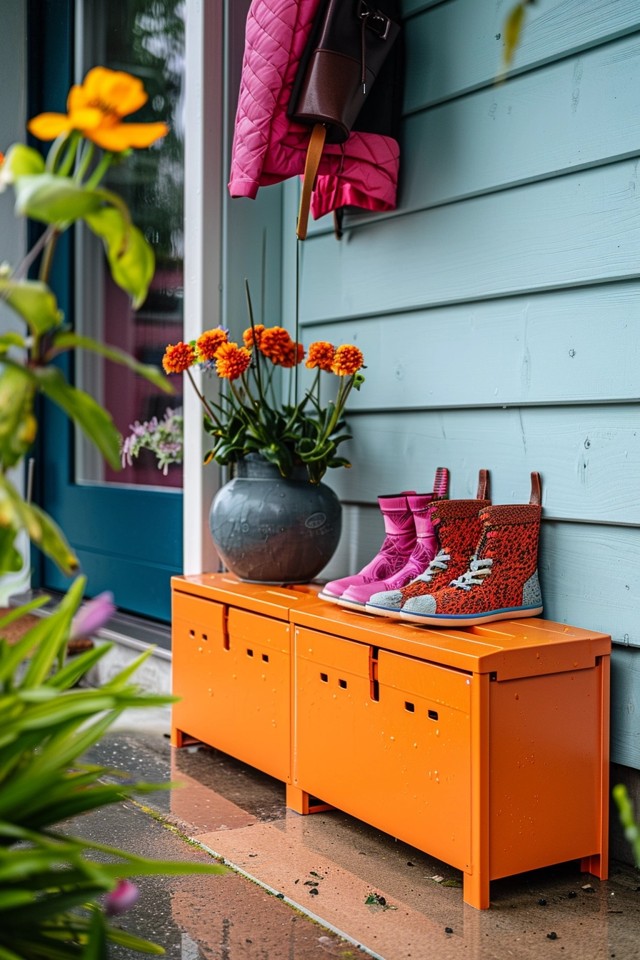
Keep Shoes Dry: Waterproof Outdoor Storage Ideas
There is nothing quite as frustrating as stepping out your back door to grab the mail, only to find your slip-on garden shoes filled with rainwater. Living with a “shoes-off” policy inside the house often results in a chaotic pile of footwear cluttering the patio or porch. This isn’t just an aesthetic issue; constant exposure to moisture ruins leather, degrades rubber, and turns your favorite sneakers into a breeding ground for mold.
As an interior designer, I often have to bridge the gap between indoor luxury and outdoor utility. Clients frequently ask for a mudroom, but when square footage is tight, we have to push that function outside. The challenge lies in finding storage that is genuinely waterproof, not just “weather-resistant,” while ensuring it doesn’t look like a cheap plastic bin dumped by the back door.
In this guide, we will explore functional, durable, and stylish ways to protect your footwear from the elements. If you are looking for visual examples of how to integrate these units into your landscape, browse the Picture Gallery at the end of this blog post. Let’s dive into the specifics of keeping your outdoor entryways organized and your socks dry.
1. Assessing Exposure and Placement Zones
Before buying a single bin or building a cabinet, you must evaluate where the storage unit will live. In design, we categorize outdoor spaces by their exposure level. A “covered porch” generally means you have at least a four-foot overhang, whereas an “exposed deck” takes direct hits from vertical rain and UV rays.
If you have a covered porch, your options are flexible. You can use teak, acacia, or even tightly woven wicker with a waterproof liner. The primary goal here is protection from blowing mist and morning dew rather than torrential downpours.
However, if your storage area is fully exposed to the sky, you face a stricter set of material constraints. You need completely non-porous materials. The unit must also have a sloped lid to prevent water pooling. Standing water on a flat top will eventually find a way through the tiniest seal, ruining the shoes inside.
Designer’s Note: The 24-Inch Rule
One lesson I learned the hard way involved a client with a small overhang. We assumed the area stayed dry. It didn’t. As a rule of thumb, rain can blow sideways up to 24 inches for every 10 mph of wind speed. If your storage unit is within two feet of the edge of your roofline, treat it as if it is fully exposed. Always opt for the highest grade of waterproofing in these transition zones.
2. The Dual-Purpose Deck Box and Bench
The most efficient use of space on a patio or small porch is a waterproof storage bench. This solves two problems: it hides the clutter and provides a place to sit while you put your shoes on.
When sourcing a bench for a client, I look for “resin wicker” or high-density polyethylene (HDPE) construction. Unlike natural wicker, which will rot, resin is impervious to water. Look for a unit with a hydraulic lift mechanism. This prevents the heavy lid from slamming down on children’s fingers or your own ankles while you are digging for boots.
Critical Dimensions for Comfort
If you plan to use the storage box as a bench, comfort is key.
- Seat Height: Aim for a finished height of 18 to 20 inches. Anything higher than 21 inches is uncomfortable for putting on shoes; anything lower than 16 inches is hard for older adults to stand up from.
- Internal Depth: Ensure the interior depth is at least 13 inches. A standard men’s size 12 shoe is roughly 12 inches long. You do not want to have to store shoes diagonally to make them fit.
- Weight Capacity: Check that the lid is reinforced to hold at least 250-300 lbs. Many cheap deck boxes are for storage only and will crack if an adult sits on them.
3. Vertical Cabinets and Lockers
For families or those with narrow balconies, floor space is premium real estate. A vertical outdoor locker or cabinet utilizes wall height rather than floor footprint. This is the “mudroom” approach, moved outdoors.
Vertical storage is superior for organization. In a deep chest, shoes get thrown on top of each other, transferring mud from the sole of a boot to the canvas of a sneaker. In a cabinet with shelves, every pair has a dedicated spot.
When choosing a vertical unit, look for adjustable shelving. You will need roughly 8 inches of vertical space for running shoes and loafers. Hiking boots and rain boots typically require 14 to 18 inches of clearance. If the shelves are fixed, you might end up with wasted space or boots that simply won’t fit.
Common Mistakes + Fixes
Mistake: Placing a tall cabinet on uneven pavers or dirt without anchoring it.
Fix: Tall, narrow cabinets are top-heavy, especially when the doors are open. Always shim the feet to ensure the unit is perfectly level. If you have children or large pets, use masonry screws to anchor the back of the unit to your exterior wall or fence. If you rent, weigh down the bottom shelf with paver stones to lower the center of gravity.
4. Material Science: What Actually Survives
This is where many homeowners waste money. They buy “outdoor wood” painted cabinets that peel and rot within two seasons. Understanding material durability is vital for long-term satisfaction.
Teak and Shorea
Teak is the gold standard for wood because of its high oil content. It resists rot naturally. However, “waterproof” implies no water gets inside. Teak slat benches allow water to drip through. If you choose wood, look for a solid-lid construction with marine-grade sealant (often Sikaflex) between the seams. Be prepared to oil it annually if you want to maintain the brown color; otherwise, it will patina to a silvery gray.
Marine-Grade Polymer (HDPE)
This is often the best choice for strictly utilitarian waterproof storage. It is the same material used for high-end coolers and cutting boards. It does not absorb moisture, does not support mold growth, and usually comes with stainless steel hardware that won’t rust. It isn’t always the prettiest option, but it is the most effective at keeping contents bone-dry.
Metal
Be very cautious with metal. Powder-coated aluminum is excellent because it doesn’t rust. Galvanized steel, however, will eventually rust at the joints where screws chip the protective coating. Furthermore, metal boxes in direct sun become ovens. I have seen the glue on sneaker soles melt inside a black metal box during a heatwave. If you use metal, ensure it is in a shaded area.
5. Managing Moisture and Airflow
Water doesn’t just come from the sky; it comes from the shoes themselves. If you toss wet, muddy boots into a perfectly airtight plastic box and seal it shut, you are creating a humid terrarium. You will open it a week later to find fuzzy mold covering your leather loafers.
Ventilation is non-negotiable. Quality outdoor storage is designed to shed rain while allowing air to circulate. If your chosen box is completely airtight, you need to modify it.
The DIY Ventilation Fix
If you have a watertight resin box, drill a series of small holes (1/4 inch diameter) along the upper back panel, just under the lip of the lid overhang. This allows hot air and humidity to escape without letting rain in.
What I’d Do in a Real Project
Here is the checklist I use when setting up an outdoor shoe station for a client:
- The Floor Lift: I never place a storage box directly on the ground. I adhere rubber furniture pads or install casters to lift the unit at least 1 inch off the patio. This prevents ground moisture from wicking up and keeps the bottom dry.
- The Liner Strategy: I place a plastic boot tray inside the storage box. This catches the mud and water dripping off the shoes, protecting the bottom of the box and making it easy to clean.
- Moisture Absorbers: For enclosed cabinets, I attach a hanging desiccant pack (like DampRid) to the inside wall. It pulls excess moisture out of the air, keeping leather goods safe.
Final Checklist for Buyers
Before you click “purchase” or head to the hardware store, run through this final checklist to ensure the piece fits your lifestyle and location.
- Measure the Overhang: Is the spot truly protected, or do you need a fully waterproof unit?
- Count the Shoes: Gather the actual pile of shoes you want to store. A “large” box fills up incredibly fast with bulky winter boots.
- Check the Hardware: Look for stainless steel hinges and gas struts. Avoid zinc-plated hardware if you live near the coast.
- Ventilation Plan: Does the unit have vents? If not, do you have the tools to add them?
- Security: If the box is in an accessible front yard, does it have a latch for a padlock?
FAQs
How do I keep spiders out of my outdoor shoe box?
Spiders love dark, undisturbed corners. To deter them, place cedar blocks or balls inside the storage unit; the oil is a natural deterrent. Additionally, ensure the lid seals tightly. If the box has large gaps at the handles, glue a piece of fine mesh screen over the opening on the inside. This allows airflow but keeps insects out.
Can I leave shoes outside in freezing temperatures?
It depends on the shoe. Rubber rain boots and heavy-duty snow boots are generally fine. However, freezing temps can damage the foam midsoles of running shoes (making them brittle) and can cause patent leather or vinyl to crack. If you live in a climate with hard freezes, bring your expensive athletic shoes and dress shoes indoors for the winter.
What is the best way to clean a resin storage box?
Low maintenance is the beauty of resin. Once a season, empty the box and spray it out with a garden hose. For stubborn dirt or algae on the exterior, use a mixture of warm water and mild dish soap with a soft-bristle brush. Avoid abrasive scrubbers, which can scratch the surface and create crevices for dirt to stick to later.
My outdoor storage box smells musty. How do I fix it?
The smell usually indicates trapped moisture. First, leave the box open on a sunny, dry day to air it out completely. Remove any liners and wash them. Once dry, place a container of baking soda or charcoal briquettes inside the box to absorb lingering odors. Ensure you aren’t putting soaking wet shoes directly into the box without drying them off first.
Conclusion
Creating a waterproof outdoor shoe storage system is one of those small home improvements that pays massive dividends in daily convenience. It keeps your indoor entryways cleaner, protects your footwear investment, and removes the visual clutter of scattered boots on the porch.
By assessing your exposure levels, choosing the right materials like resin or teak, and ensuring proper ventilation, you can create a permanent solution that withstands the elements. Remember that the goal is a balance between protection and accessibility. The best storage system is one that is easy enough to use that your family actually puts their shoes away.
Picture Gallery


