
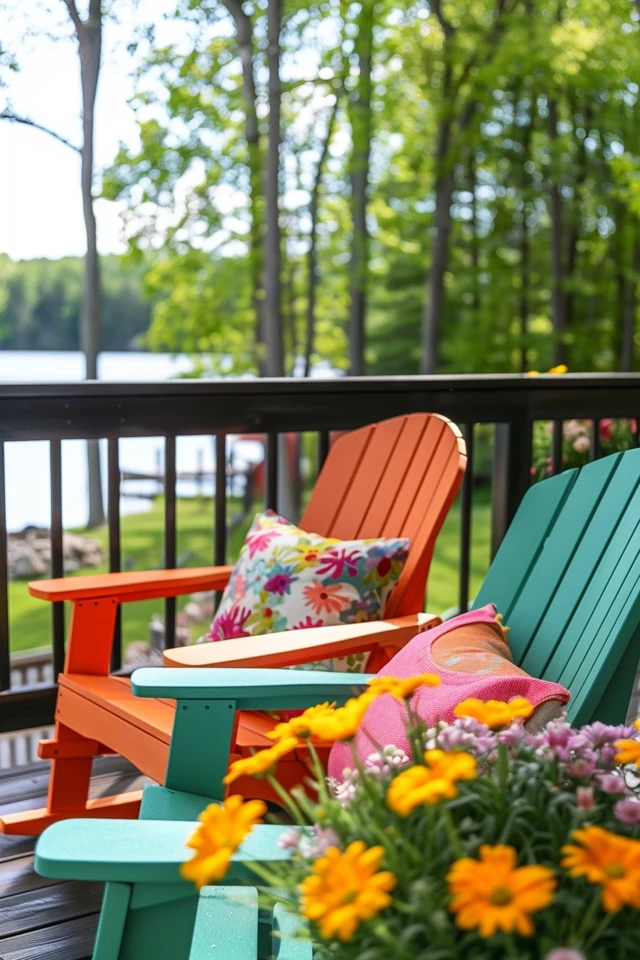
Lake House Deck Ideas: Transform Your Retreat
Introduction
There is a distinct shift in rhythm when you arrive at a lake house. The primary goal of any waterfront property is to blur the line between the indoors and the natural environment outside. Your deck is not just an attachment to the house; it is usually the primary living room where coffee is sipped, meals are shared, and sunsets are watched.
However, designing for a lake environment presents specific challenges that differ from a standard suburban backyard. You are dealing with higher moisture levels, potential wind gusts coming off the water, and the constant battle between preserving your view and ensuring privacy from neighbors or boat traffic. A successful design marries rugged durability with the comfort of a luxury interior.
Whether you are renovating a weathered dock or building a new expansive terrace, the layout must prioritize the water view above all else. For plenty of visual inspiration to help you visualize these concepts, be sure to scroll down to the Picture Gallery at the end of this blog post.
Strategic Layout: Zoning for Flow and Views
The most common error I see in lake house deck design is a lack of defined “zones.” Homeowners often buy a matching set of furniture and scatter it aimlessly, which ends up blocking traffic flow. To fix this, we treat the deck exactly like a floor plan inside the home.
You need to establish two distinct areas: a dining zone and a lounging zone. Ideally, the dining area should be placed closest to the interior kitchen door to make carrying platters easy. The lounging area should be pushed toward the railing or the best vantage point of the water.
Preserving the Sightlines
When laying out furniture, always consider the “sit-down” view. When you are standing, a railing might not obstruct the water, but once you sit on a low sofa, a solid wood railing can block the entire lake. This is why we prioritize low-profile furniture in the lounge zone.
Designer’s Note: The Rule of Thirds
I always use the rule of thirds when arranging deck furniture. Leave one-third of the deck completely open for traffic flow. You should maintain a clear walkway of at least 30 to 36 inches between furniture groupings and the railing. This prevents the space from feeling cramped and ensures guests don’t feel like they are about to fall off the edge.
Common Mistakes + Fixes
Mistake: Placing a tall dining table directly in front of the living room window.
Correction: Shift the dining table to the side or a corner. Use the center visual channel for low-profile lounge chairs or a fire pit that doesn’t interrupt the view from inside the house.
Material Selection: Fighting Moisture and Decay
Lake houses are essentially in a constant state of dampness. Morning fog, splashes from the water, and humidity mean that standard untreated pine will rot significantly faster here than elsewhere. Your material choices determine how much time you spend relaxing versus how much time you spend sanding and staining.
For the decking itself, I typically recommend composite materials for lake homes. While I love the look of natural Ipe or Cedar, the maintenance required near water is intense. High-quality composites now mimic the grain of wood effectively and resist warping caused by the moisture cycle.
Railing Options for Visibility
The railing is the most critical architectural element of a lake deck.
- Cable Railings: These are the gold standard for blending safety with visibility. The thin stainless steel cables virtually disappear when looking out at a distance.
- Glass Panels: These offer the absolute best view but come with a maintenance caveat. Near a lake, glass gets dirty quickly from spray, pollen, and insects. Only choose this if you are committed to regular cleaning.
- Hog Wire: For a more rustic or farmhouse aesthetic, heavy-gauge wire grids framed in cedar are durable and offer decent visibility at a lower price point than glass.
Designer’s Tip: If you must use wood balusters, keep them thin and space them as widely as local building codes allow (usually 4 inches) to minimize visual obstruction.
Furniture & Fabrics: Durability Meets Comfort
Wind is a major factor on the water. I have seen lightweight aluminum furniture blown off docks during summer storms. For lake houses, I specify furniture with significant weight.
Teak is a classic choice because it is heavy and naturally resists rot due to its oil content. However, it will weather to a silvery gray. If you prefer the look of new wood, be prepared to oil it twice a season. Powder-coated wrought iron or heavy cast aluminum are excellent alternatives that stay put in gusty conditions.
The Fabric Factor
Never use standard indoor cushions, even if the deck is covered. You must use marine-grade or high-performance solution-dyed acrylics (like Sunbrella or Crypton). These fabrics are resistant to mold, mildew, and fading from UV reflection off the water.
What I’d do in a real project:
- Sofa Depth: I look for outdoor sofas with a seat depth of at least 30 inches. This encourages lounging rather than stiff sitting.
- Cushion Construction: I ensure the foam is “reticulated” (quick-dry). This allows water to pass right through the cushion rather than getting trapped inside like a sponge.
- Storage: I always incorporate a watertight deck box or designated storage closet. Even the best fabric shouldn’t be left out in a week-long downpour.
Lighting: Setting the Mood Without Attracting Bugs
Lighting a lake deck is a delicate balance. You want ambiance, but you do not want to become a beacon for every mosquito and midge in the county. The goal is to see the person next to you and navigate safely, not to illuminate the entire shoreline.
Avoid high-voltage floodlights mounted to the house. They create harsh shadows and blind you to the view of the dark water. Instead, focus on low-voltage, indirect lighting.
Kelvin Temperature Matters
Always choose LED bulbs with a color temperature between 2700K and 3000K. This provides a warm, yellow-gold light. Anything higher (4000K-5000K) will look blue and clinical, which is jarring against a natural landscape.
Insect Management via Lighting
Insects are attracted to the UV spectrum in white and blue light. Using warm, yellow-toned step lights or amber-tinted string lights can significantly reduce the number of bugs crashing your dinner party.
Pro Layout Tip: Install small, shielded lights on every other post of your railing. This defines the perimeter of the deck without shining light directly into your eyes. Combine this with under-cap lighting on stone walls or stair risers for safety.
Seasonal & Weather Proofing
To get the most out of your investment, you need to extend the usability of the deck into the shoulder seasons. A lake house deck should be usable from early spring through late autumn.
Shade Structures
The midday sun reflecting off the lake can be brutal. A pergola offers filtered shade, but for full protection, retractable awnings are superior. They can be rolled away completely at sunset to reveal the stars. If you use umbrellas, insist on cantilever models (offset poles). This allows you to float the canopy over a seating group without a pole obstructing the conversation.
Heating Elements
A fire feature is non-negotiable for a lake house. It creates a natural gathering spot after the sun goes down.
- Gas Fire Tables: These are easiest for quick use and don’t produce smoke that blows into the house. They often double as coffee tables.
- Wood Burning: Offers the best ambiance and smell but requires wood storage and ash cleanup. Ensure you have a spark screen to protect your decking material.
- Infrared Heaters: For covered upper decks, flush-mounted electric heaters in the ceiling are incredibly efficient at warming people without heating the air.
Final Checklist: The Designer’s Approach
If I were consulting on your deck renovation tomorrow, this is the exact mental checklist I would run through to ensure professional results.
1. Check the View Lines First
Sit in a low chair inside your living room. Look out the window. Does the proposed railing height or deck furniture block the water? If yes, lower the furniture or switch to cable railing.
2. Verify Traffic Widths
Measure your walkways. Do you have a full 36 inches between the dining chairs (when pulled out) and the nearest wall or railing? Cramped decks feel cheap, regardless of the budget.
3. Audit the Lighting
Turn off all interior lights and stand on the deck at night. Identify the dark corners that feel unsafe. Plan low-level lighting for those spots specifically.
4. Plan for Wet Feet
Choose an outdoor rug made of 100% polypropylene. It creates a cozy “living room” feel but won’t rot when wet kids and dogs run across it. Ensure the rug is large enough that the front legs of all furniture sit on it.
5. Secure the Accessories
Lakes can get windy. Use museum wax or heavy bases for tabletop decor. Ensure your umbrella base is at least 50 lbs for a standard umbrella, or 100+ lbs for a cantilever.
FAQs
What is the best color for a lake house deck?
I recommend avoiding dark colors like charcoal or dark brown for the floorboards. Dark colors absorb heat and can become too hot to walk on barefoot in the summer. Light greys, driftwood tones, or natural cedar colors are cooler and hide footprint dust better.
How do I keep spiders off my boat dock and deck?
This is the number one complaint at lake houses. Regular pressure washing is key. We also often install “spider sweeps” on railings. Using yellow-toned lighting helps, as it attracts fewer of the flying insects that spiders eat, giving them less reason to build webs there.
Can I use an indoor rug on a covered porch?
I advise against it. Humidity at the lake is pervasive. Natural fibers like jute or wool will absorb moisture from the air, smell musty, and eventually rot. Stick to synthetic “indoor/outdoor” rugs that can be hosed off.
How high should my railing be?
Residential building codes typically require railings to be a minimum of 36 inches high. However, some localities require 42 inches. Check your local code. If you are tall, a 36-inch railing might feel low, but it offers a better view when seated.
Conclusion
Transforming your lake house deck is about more than just new furniture; it is about creating a seamless transition between your home and the water. By focusing on durable materials, smart zoning, and view preservation, you create a space that requires less maintenance and offers more relaxation.
The goal is a retreat that withstands the elements while providing a front-row seat to nature. When executed correctly, your deck becomes the most valuable square footage on the property.
Picture Gallery


