
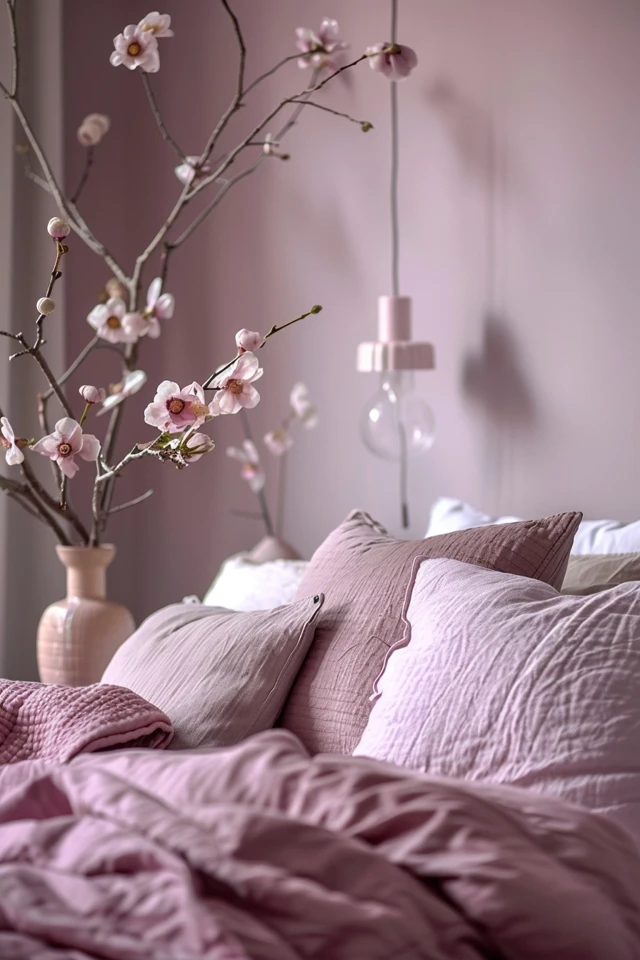
Mauve Bedroom Ideas: Tranquil & Chic Makeovers
Introduction
Mauve is experiencing a massive renaissance in interior design, moving far beyond its dated reputation from the 1980s. When clients ask me for a bedroom that feels both sophisticated and soothing, this muted purple-pink hybrid is often my first suggestion. It offers the warmth of a neutral beige but possesses a personality that standard greys simply lack.
I recently worked on a master suite where the homeowners were terrified of color but bored with white walls. We introduced a dusty, grey-leaning mauve on the walls and ceiling, enveloping the room in a cozy cocoon. The result was a space that felt intimate at night yet surprisingly fresh and airy during the morning.
If you are looking for inspiration to transform your sleeping quarters, you have come to the right place. For a curated list of visuals, check out the Picture Gallery at the end of the blog post.
Understanding the Mauve Spectrum and Paint Selection
The most challenging aspect of designing a mauve bedroom is selecting the right paint color. Mauve is a shapeshifter; it sits right on the border of violet and pink, often with heavy grey or brown undertones.
If you choose a shade that is too saturated, the room can look juvenile or like a confectionery shop. If you go too grey, the room might feel cold and muddy. The goal is to find a “grown-up” mauve that reads as a complex neutral.
Designer’s Note: The “Metamerism” Trap
I learned this lesson the hard way early in my career. I specified a beautiful pale mauve for a client with north-facing windows. In the showroom, it looked elegant.
Once on the walls, the cool northern light stripped out the warmth, leaving the room looking flat and purple-grey.
The Fix: Always paint large sample swatches (at least 12×12 inches) on every wall of the room. Observe them in the morning, afternoon, and at night with artificial lighting.
Recommended Paint Finishes
For a bedroom, the finish of the paint is just as important as the color.
- Matte or Flat: This is my go-to for mauve bedrooms. A matte finish absorbs light, making the color feel velvety and rich. It hides imperfections in the drywall, which is a bonus for older homes.
- Eggshell: If you have kids or pets and need wipeable walls, eggshell is the practical choice. It has a slight sheen but is still low-luster enough to keep the room feeling soft.
- Satin or Semi-Gloss: Avoid these for bedroom walls. The high reflection creates glare and makes the color look cheaper and more intense than intended.
Building the Color Palette and Materials
Mauve does not exist in a vacuum. To make the room look chic rather than cheap, you must pair it with the right materials and accent colors.
The success of a mauve bedroom lies in the contrast. Since mauve is a soft, mid-tone color, it needs anchors to ground the space.
Wood Tones
Wood is the natural best friend of mauve. However, the tone of the wood changes the vibe entirely.
- Walnut (Dark/Medium Brown): This creates a moody, mid-century modern, or traditional look. The richness of walnut contrasts beautifully with the dusty pink tones.
- White Oak (Light/Blonde): This leans into a Scandinavian or “Organic Modern” aesthetic. It keeps the room feeling light, airy, and very current.
- Espresso or Black Stain: High contrast and dramatic. This works best if you want a more masculine or edgy edge to the room.
Metal Finishes
Hardware and lighting fixtures act like jewelry in the room.
- Unlacquered Brass or Gold: Warm metals bring out the pink undertones in mauve, creating a luxurious, feminine feel.
- Matte Black: This modernizes the space instantly. It acts as a visual punctuation mark that stops the room from feeling too sweet.
- Polished Nickel: If your mauve leans more purple/cool, silver tones like nickel can look very crisp and elegant.
Common Mistakes + Fixes
Mistake: Pairing mauve with bright white furniture and trims exclusively.
Correction: This can make the room look like a nursery. Instead, opt for creamy off-whites, greiges, or natural wood trims to soften the transition.
Furniture Selection and Layout Rules
When working with a color as distinct as mauve, your furniture needs to have a strong silhouette. The furniture provides the structure that the soft color surrounds.
Bed Frame Considerations
The bed is the focal point. In a mauve room, texture is your best tool.
Upholstered Beds: A velvet or boucle headboard in a neutral tone (cream, charcoal, or navy) looks stunning against a mauve wall. If you want a monochromatic look, choose a headboard in a deeper shade of plum or eggplant to create depth.
Wood or Metal Beds: A spindle bed or a canopy frame adds architectural interest without blocking the view of the wall color.
Space Planning and Scale
No matter the color, a bedroom fails if the layout is cramped. Here are the measurements I adhere to in every project:
- Walkways: Maintain at least 30 to 36 inches of clearance around the sides and foot of the bed. This allows for comfortable movement.
- Nightstand Height: Your nightstand should be level with the top of your mattress or up to 2 inches higher. Never lower, as it makes reaching for a glass of water awkward.
- Nightstand Width: For a King bed, use nightstands that are at least 28-30 inches wide. For a Queen, 24 inches is sufficient. Tiny nightstands next to a large bed look out of scale.
What I’d Do in a Real Project
If I were designing a small mauve bedroom for a renter, I would skip the bulky dressers.
Instead, I would install wall-mounted floating shelves or floating nightstands to reveal more floor space. This tricks the eye into thinking the room is larger. I would also use a bed frame with legs rather than a solid base divan, allowing light to travel under the furniture.
Textiles: Rugs, Curtains, and Bedding
Soft goods are where you dial up the comfort. In a mauve bedroom, you want textures that invite touch.
Rug Sizing Logic
A common error is buying a rug that is too small, creating a “floating island” look.
The Rule: The rug should extend at least 18 to 24 inches beyond the sides of the bed.
- Queen Bed: You need an 8×10 rug.
- King Bed: You need a 9×12 rug.
For the color, look for a vintage-style rug that incorporates hints of mauve along with olive greens, rusts, or navys. This ties the floor to the walls without matching perfectly.
Window Treatments
Curtains add height and drama.
Placement: Mount your curtain rod 4 to 6 inches above the window frame (or all the way to the ceiling molding) and extend it 8 to 12 inches past the frame on the sides. This makes the window appear huge and allows the curtains to stack against the wall, not blocking the glass.
Fabric: For a mauve room, linen curtains in an oatmeal or flax color provide a beautiful, organic contrast to the painted walls. If you need blackout capabilities for sleep, ensure they are lined.
Bedding Layers
Avoid buying a “bed in a bag” set that matches your wall color.
I prefer a mix-and-match approach:
1. Sheets: Crisp white or subtle pinstripe.
2. Duvet: A natural linen duvet cover in a stone or sand color.
3. Throws/Pillows: Bring the mauve back in here with a chunky knit throw or velvet accent pillows.
Lighting Design for Mauve Spaces
Lighting can make or break a mauve color scheme. Because mauve has red and blue pigments, the color temperature of your light bulbs will drastically alter how the paint looks at night.
Kelvin Temperature Matters
You must pay attention to the Kelvin (K) rating on your LED bulbs.
- 2700K (Soft White): This is the standard for bedrooms. It casts a warm, yellow glow. It will pull out the pink/red tones in the mauve, making the room feel warmer and cozier.
- 3000K (Warm White): This is slightly crisper and whiter. If your mauve is very grey, this helps keep the color true without turning it yellow.
- 4000K+ (Daylight): Avoid this in a bedroom. It is too blue and clinical. It will make mauve look harsh and potentially purple-blue.
Layering Light Sources
Never rely on a single overhead “boob light.” You need three layers:
1. Ambient: A beautiful chandelier or semi-flush mount fixture for general cleaning and entry.
2. Task: Bedside lamps or sconces for reading.
3. Accent: A small lamp on a dresser or a floor lamp in a corner to banish shadows.
Small Space Tip
If you are tight on space, wall-mounted sconces are a lifesaver. Hardwired is best, but there are excellent plug-in options now that don’t require an electrician. Mount them so the bottom of the shade is roughly at eye level when you are sitting up in bed.
Final Checklist: The Mauve Makeover
Before you buy a single gallon of paint or piece of furniture, run through this checklist to ensure you are on the right track.
Planning Phase:
- Sample at least 3 shades of mauve on different walls.
- Check samples at three different times of day.
- Measure the room dimensions, noting window and door placements.
Purchasing Phase:
- Select a rug size that fits under the bed with 18+ inches exposed on sides.
- Choose a wood tone for furniture (Walnut, Oak, or Painted).
- Select metal finishes (Brass for warmth, Black for modern).
- Check light bulb Kelvin ratings (Aim for 2700K-3000K).
Styling Phase:
- Hang curtains high and wide.
- Layer bedding with mixing textures (linen, cotton, velvet).
- Add greenery (plants pop incredibly well against mauve).
FAQs
Is mauve considered an outdated color?
Not anymore. While it was ubiquitous in the 80s, today’s mauve is “dustier” with more grey and brown undertones. It is used as a sophisticated neutral rather than a bright pastel. It pairs well with modern organic styles.
Can I use mauve in a room with low natural light?
Yes, but you have to lean into the moodiness. In a dark room, a light mauve will just look grey and shadowy. Instead, choose a mid-tone or deeper mauve and embrace the cozy, cave-like atmosphere. Use plenty of warm lamps to keep it inviting.
How do I make a mauve bedroom feel gender-neutral?
The key is in the accents. Avoid floral patterns and frilly textiles. Pair the mauve walls with strong elements like leather headboards, charcoal grey wool throws, walnut wood, and matte black hardware. This balances the inherent femininity of the pink tones.
What colors accentuate mauve the best?
Sage and olive greens are complementary colors to the red/purple in mauve, making them a perfect natural pairing. Mustard yellow adds a funky, retro pop, while navy blue provides a classic, high-contrast look.
Conclusion
Designing a mauve bedroom is an exercise in balance. It requires walking the fine line between color and neutral, cool and warm. When done correctly, it results in a space that feels incredibly personal and restorative.
Remember that the paint on the wall is just the canvas. The real magic happens when you layer in the rough textures of wood, the softness of linen, and the sparkle of brass to bring the room to life. Don’t be afraid to experiment with samples and trust your gut on what feels cozy to you.
Whether you are renting a studio or remodeling a master suite, mauve offers a versatile backdrop for a tranquil retreat.
Picture Gallery


