
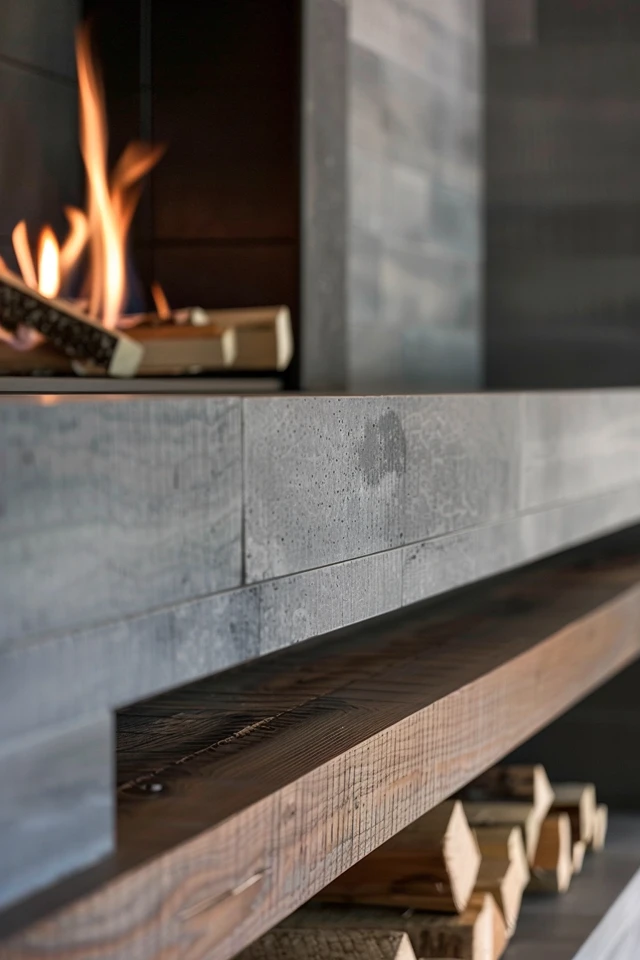
Mid Century Modern Fireplaces: Timeless Elegance
There is something deeply grounding about a fireplace. In my years designing homes, I have found that the hearth is rarely just a heat source; it is the psychological center of the home. Mid Century Modern (MCM) design understands this better than almost any other architectural style. It treats the fireplace not just as a box in the wall, but as a sculptural element that anchors the entire room.
Whether you are restoring a 1950s ranch or injecting some retro flair into a contemporary build, the fireplace is where you make your statement. The beauty of this era lies in its balance of raw, natural materials and clean, intentional lines. It is about honesty in construction and warmth in atmosphere. If you are looking for visual inspiration, you can jump right to the Picture Gallery at the end of this blog post.
However, getting this look right requires more than just buying a vintage screen or painting some brick white. It requires a strict adherence to scale, texture, and flow. In this guide, I am going to walk you through how to achieve that timeless elegance while navigating the practical realities of modern living.
1. The Iconic Materials: Stone, Brick, and Metal
The soul of a Mid Century Modern fireplace lies in the material selection. You generally will not find ornate wood carvings or intricate marble veins here. The goal is to bring the outdoors in, using materials that feel substantial and earthy.
The Stone Facade
Stacked stone or “ledgestone” is a hallmark of the era. We are looking for horizontal emphasis here. When I specify stone for a client, I look for slate, quartzite, or limestone in varied grey and tan tones. The texture should be rugged, contrasting with the smooth lines of your furniture.
A critical rule of thumb for stone installation is the grout joint. In MCM design, we want a “dry stack” look or a deeply recessed grout line. If the grout is flush with the stone, it looks too messy and modern-country. You want the shadow lines between the stones to create horizontal movement.
The Roman Brick
If you have original Roman brick, protect it at all costs. Unlike standard red brick, Roman brick is longer and flatter. This elongates the visual width of the fireplace, making the ceiling feel higher and the room wider.
Designer’s Note: The Paint Debate
I have walked into many renovations where the homeowner immediately wants to paint the brick white. Please pause. Once you paint brick, you can almost never go back. If the brick color is truly offensive (like a screaming 1980s red), consider a masonry stain first. Stain alters the tone while keeping the texture alive. Paint flattens the dimension and can make a high-end feature look like drywall.
The Freestanding Metal Fireplace
You cannot talk about this era without mentioning the Malm or Preway style fireplaces. These are the cone-shaped, freestanding metal units often found in corners. They are brilliant for smaller spaces or renters because they are visually light. They don’t require a heavy masonry footing, just a proper non-combustible pad and flue clearance.
2. Layout and Scale: Designing the Conversation Pit
The layout around an MCM fireplace is distinct because it prioritizes conversation over television. In the 1950s, the furniture faced the fire and the people, not a screen. Recreating this in a modern home where we love our Netflix requires a delicate balance.
The Floating Layout
Mid Century furniture is often leggy and low-profile. To honor this, you should avoid pushing all your furniture against the walls. Float your sofa and armchairs in the center of the room to create a zone dedicated to the hearth.
Here are the measurements I use for a functional layout:
- Hearth Clearance: Keep upholstered furniture at least 36 inches away from the fireplace opening for safety and flow.
- Walkways: Ensure you have 30 to 36 inches of clearance behind the floating sofa for a walkway.
- Coffee Table Distance: The coffee table should be 14 to 18 inches from the edge of the sofa. This is close enough to set a drink down but far enough to walk through.
Rug Sizing is Critical
A common mistake I see is a rug that is too small, looking like a postage stamp in front of the fire. The rug needs to anchor the floating furniture group. At a minimum, the front legs of the sofa and all chairs should sit on the rug. Ideally, the rug should extend 6 to 12 inches beyond the sides of the sofa.
Incorporating the TV
If this is your primary living space, you likely need a TV. Do not mount the TV above a stunning MCM fireplace if you can avoid it. It strains the neck and ruins the aesthetic focal point.
What I’d Do in a Real Project:
I usually place the TV on a low, long credenza on the wall adjacent to the fireplace. This creates an “L” shape in the room. You can watch the fire or turn your head slightly to watch the screen. If you must place it above the mantel, use a Frame TV that displays art when off, and sink it into a niche so it sits flush with the stone.
3. The Hearth and Mantel: Asymmetry and Function
Traditional fireplaces rely on symmetry: a centered firebox, a centered mantel, and matching sconces. Mid Century Modern blows this up. We embrace asymmetry to create visual tension and interest.
The Extended Hearth
One of the most functional features of this style is the raised, extended hearth. This is a bench-like structure, usually made of brick, terrazzo, or slate, that runs the full length of the wall, extending well past the firebox.
This is a massive asset for entertaining. It serves as:
- Extra Seating: Throw a few shearling cushions on the extended hearth, and you have instant party seating.
- Display Space: It is the perfect spot for a large planter or a stack of art books.
- Pet Perch: In my experience, cats and dogs will claim this spot immediately.
Dealing with the Mantel
Many MCM fireplaces skip the mantel entirely, letting the stone run floor-to-ceiling. If you do want a mantel, keep it simple. A thick slab of rough-hewn wood or a sleek piece of concrete works best.
Common Mistakes + Fixes
Mistake: Mounting the mantel too high.
Fix: The mantel should be roughly 12 inches above the firebox opening (check your local codes for combustibility). If it is too high, it disconnects from the fire.
Mistake: Using decorative corbels.
Fix: MCM mantels should float. Use heavy-duty steel floating shelf brackets hidden inside the wood for a clean look.
4. Styling: The Rule of Three and Lighting
Styling an MCM fireplace is an exercise in restraint. Clutter is the enemy of this aesthetic. You want a few high-impact pieces rather than a collection of small trinkets.
The Rule of Three
I often use the “rule of three” for asymmetry.
1. Vertical Anchor: On one side of the mantel or hearth, place a tall object. This could be a large vase with dried branches or a tall, slender sculpture.
2. Horizontal Weight: On the opposite side, place a low, wide object. A stack of coffee table books or a low ceramic bowl works well.
3. The Bridge: Connect them visually with a piece of art centered or off-centered on the wall.
Lighting the Stone
Lighting is often overlooked, but it is essential for bringing out the texture of your fireplace material. I love using directional recessed cans in the ceiling, usually “wall washer” trims.
Place these lights about 18 to 24 inches away from the face of the fireplace wall. This angle grazes the light down the stone or brick, exaggerating the texture and creating drama at night. Avoid shining a light directly into the center of the wall; it washes out the detail.
Plants are Non-Negotiable
Mid Century design is about connecting with nature. A fireplace looks sterile without greenery. A large Snake Plant or a Monstera Deliciosa in a mid-century planter (ceramic cylinder on a wood stand) softens the hard edges of the masonry. Place this on the extended hearth or on the floor nearby.
5. Practical Considerations: Heating and Safety
We have talked a lot about looks, but a fireplace has to function. Whether you are dealing with a drafty original masonry box or installing a new unit, efficiency matters.
Wood vs. Gas vs. Electric
- Wood: Authentic and crackling. However, open masonry fireplaces are heat losers—they suck warm air out of the house. I always recommend installing a high-efficiency wood stove insert if you want actual heat.
- Gas: The most practical for modern families. Look for “linear” gas inserts. These are wide and short, perfectly matching the MCM horizontal aesthetic. Use fire glass or smooth river stones instead of fake logs for a cleaner look.
- Electric: Great for renters or condos without flues. Technology has come a long way. Some vapor-based electric fireplaces look incredibly realistic. Build them into a faux-chimney breast to give them weight.
Child and Pet Safety
This is a huge concern for my clients with toddlers. The raised hearth is actually a safety hazard for falls.
What I’d do: Customization is key. I commission custom metal fabricators to make minimal matte black screens that fit tightly inside the firebox opening. Avoid the freestanding trifold screens with ornate handles. They look dated and are easily knocked over.
If you have a sharp brick hearth edge and a crawling baby, do not ruin the look with foam bumpers. Instead, have a custom upholstered cushion made to sit on top of the hearth bench. It turns the hard edge into a soft bench and can be removed when the kids grow up.
Final Checklist: The Mid-Mod Fireplace Audit
Before you finalize your design or renovation plan, run through this checklist to ensure you are hitting all the right notes.
- Horizontal Emphasis: Does the design emphasize width over height? (e.g., long bricks, linear inserts, extended hearths).
- Texture Contrast: Do you have a rough material (stone/brick) contrasting with smooth materials (wood/metal)?
- Asymmetry: Have you avoided perfect symmetry in your decor placement?
- Scale Check: Is your rug large enough to slip under the front legs of all furniture?
- Lighting: Do you have accent lighting to graze the texture of the fireplace facade?
- Nature: Is there a living plant within the visual frame of the hearth?
- Clearance: Is the walkway behind the sofa at least 30 inches wide?
FAQs
Can I put a Mid Century fireplace in a standard builder-grade home?
Absolutely. The key is to commit to the wall. Do not just stick a Malm fireplace in the corner. You may need to clad a section of the wall in stone or wood paneling to give the fireplace context. Adding a floating hearth bench also helps integrate the look into a plain boxy room.
How do I clean smoke stains off my original brick fireplace?
Start with the gentlest method. A paste of baking soda and dish soap scrubbed with a stiff nylon brush works wonders. For tougher soot, you may need a product with TSP (Trisodium Phosphate), but use gloves and ventilate the room well. Avoid wire brushes on old brick; they can damage the surface.
What colors go best with orange-toned 1950s brick?
This is a common struggle. Do not try to match the orange. Instead, cool it down with contrasting colors. Deep teals, navy blues, and charcoal greys look stunning against warm brick. Sage green is also a classic choice that bridges the gap between the red/orange tones and the outdoors.
Is it safe to mount a TV above a working wood fireplace?
Generally, heat is the enemy of electronics. If you have a mantel that deflects the heat, it helps. I always recommend checking the manufacturer’s warranty on your TV. Many void the warranty if the temperature exceeds 90-100 degrees Fahrenheit. A thermometer test on the wall while a fire is burning is a smart move before drilling holes.
Conclusion
A Mid Century Modern fireplace is more than a trend; it is a commitment to a specific way of living. It invites you to slow down, sit lower to the ground, and appreciate the raw beauty of natural materials. Whether you are lighting a real wood fire in a Malm drum or flipping a switch on a linear gas insert, the result should be the same: a sense of warmth, style, and timeless architectural integrity.
By respecting the scale of the room, choosing materials with honesty, and styling with restraint, you create a focal point that will survive passing fads. It becomes the true heart of your home.
Picture Gallery


