
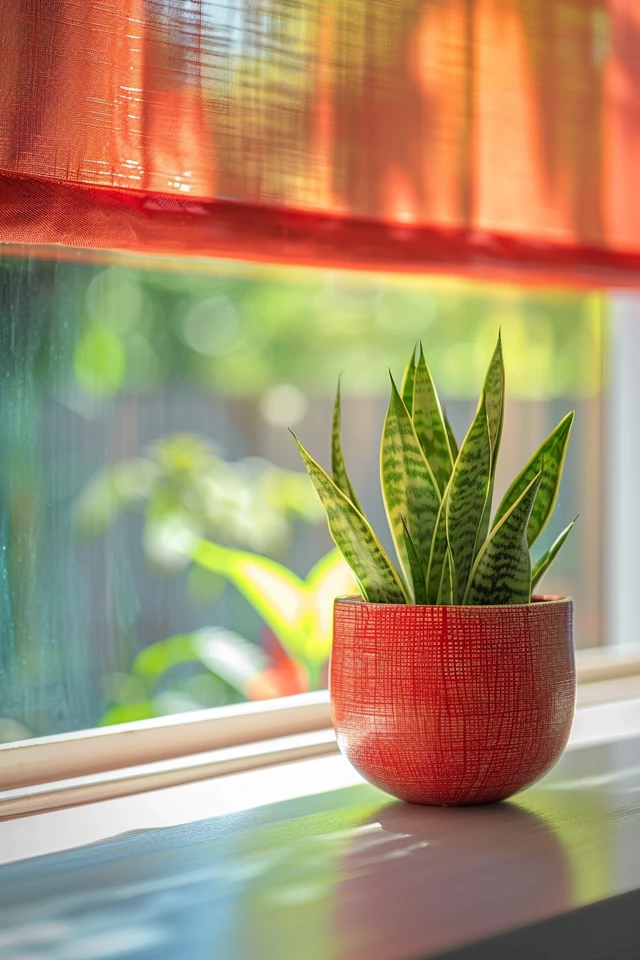
Mid-century Modern Window Treatments: Elegant Solutions
One of the defining features of Mid-century Modern (MCM) architecture is the relationship between the indoors and the outdoors. Large expanses of glass, sliding doors, and clerestory windows were revolutionary at the time, designed to flood spaces with natural light. However, living in a glass house presents real-world challenges regarding privacy and light control.
I vividly remember a renovation project in Palm Springs where the client bought a stunning Alexander Construction Company home. The living room was essentially two walls of glass facing the street. While beautiful, they felt like they were living in a fishbowl, and the afternoon sun was bleaching their vintage teak furniture. We had to find a solution that respected the clean architectural lines without turning the house into a dark cave.
Finding the right window treatment for this style is about restraint. You want functionality that disappears when not in use, or adds a purposeful texture when drawn. For a dose of visual inspiration, don’t miss the curated Picture Gallery at the end of the blog post.
1. The Philosophy of “Less is More”
In many traditional design styles, window treatments are meant to be decorative focal points. In Mid-century Modern design, the window treatment plays a supporting role to the architecture. The goal is to frame the view, not distract from it.
When I approach an MCM room, my first instinct is to ask: “Do we actually need anything here?” If you live on a secluded lot with plenty of trees, leaving the windows bare—or “naked”—is often the most authentic choice. It allows the boundary between inside and outside to dissolve completely.
However, most of us have neighbors, streetlights, or intense UV exposure. The key is to select treatments that stack tightly or roll up completely out of sight. You want the hardware to be minimal and the mechanics to be hidden.
Designer’s Note: The “Black Hole” Effect
One specific lesson I learned early in my career involves night time. While bare windows look great during the day, large glass walls turn into giant, reflective black mirrors at night. This can make a room feel cold and exposed.
Even if you don’t need privacy, I often recommend a sheer drapery or a light-filtering shade. This provides a soft visual barrier at night, bouncing interior light back into the room and making the space feel cozy and contained.
2. Drapery: The Ripple Fold and Pinch Pleat
If you opt for curtains, the heading style—the way the fabric attaches to the rod or track—is the most critical decision you will make. For a true MCM aesthetic, avoid grommets, rod pockets, or tab tops. Those styles tend to look too crafty or temporary.
The Ripple Fold (S-Fold)
This is the gold standard for modern drapery. It requires a specific track system where the fabric snaps onto carriers, creating a uniform, serpentine wave. It looks architectural and clean from both inside and outside the house.
The Pinch Pleat
Specifically, a two-finger or “Euro” pleat works well if you want something slightly more tailored. It offers a structured look that complements the sharp angles of mid-century furniture.
Rules of Thumb for Hanging Drapery
- Ceiling Mount Tracks: Whenever possible, mount the track directly to the ceiling rather than the wall. This emphasizes the height of the room and mimics the commercial design elements often found in high-end mid-century homes.
- The “Stack Back”: Ensure your track extends beyond the window frame. For a standard 6-foot sliding door, I usually add 12 to 18 inches of track on the opening side. This allows the curtain to pull completely clear of the glass, preserving your view.
- Floor Clearance: This is non-negotiable in modern design. The fabric should “kiss” the floor or hover exactly 1/4 inch above it. Do not let the fabric puddle. Puddling is a romantic, Victorian detail that looks messy in a clean-lined MCM space.
3. Roller Shades: The Invisible Hero
Roller shades have a bad reputation from the cheap vinyl versions of the past. However, modern architectural roller shades are a designer’s best friend. They are the most unobtrusive way to handle light control.
When the shade is raised, it rolls into a tight cylinder that can be easily hidden behind a simple fascia or tucked into a ceiling pocket. This leaves your window completely unobstructed.
Understanding Opacity and Openness
When specifying solar shades (which block UV but keep the view), you will see percentages like 1%, 3%, or 5%. This refers to the “openness factor,” or how much light gets through the weave.
- 1% Openness: Provides excellent privacy and glare reduction, but you lose the clarity of the view. Use this in bedrooms or media rooms.
- 3% to 5% Openness: This is the sweet spot for living areas. You can clearly see the trees and landscape through the shade during the day, but it cuts the harsh sunlight that damages furniture.
- Blackout: Necessary for bedrooms, but the material is solid. I often layer a blackout roller shade behind a sheer drapery to get the best of both worlds.
Common Mistakes + Fixes
Mistake: Mounting the roller shade inside a shallow window frame where the roll protrudes into the room.
Fix: If your window depth is less than 3 inches, do an outside mount. Mount it on the wall above the frame, or on the ceiling. If you must outside mount, use a square metal fascia (valance) to hide the roll mechanism.
4. Woven Woods and Natural Textures
Mid-century design is not just about plastic and steel; it relies heavily on natural materials like walnut, teak, leather, and wool. Window treatments are a great opportunity to introduce organic texture.
Woven wood shades (often called bamboo shades, though they come in grasses, reeds, and jute) add instant warmth. They soften the hard edges of glass and drywall.
Selecting the Right Tone
The color of the woven wood needs to converse with your furniture. If you have a lot of orange-toned vintage teak, look for a shade with similar warm undertones but slightly lighter or darker contrast. Avoid grey-toned woods, as they often clash with authentic mid-century finishes.
Cord Control and Safety
Dangling cords distract from the clean horizontal lines we are trying to achieve. I always specify cordless lifts for woven woods. It looks cleaner and is safer for homes with children or pets. If you have high windows, a continuous loop chain (anchored to the wall) is the next best option.
5. Vertical Blinds: A Controversial Comeback
For decades, vertical blinds were considered a design crime. However, they were a staple in original mid-century homes for a reason: they work perfectly for wide sliding glass doors.
The modern update to this concept is the “sliding panel” or “panel track” system. Instead of narrow 3-inch twisting vanes, these systems use wide panels of fabric (usually 18 to 24 inches wide) that slide behind one another.
This creates large, clean blocks of color or texture. It mimics the look of Japanese shoji screens, which were a massive influence on mid-century architects. This is an excellent solution for renters because it covers large areas without requiring complex construction.
6. Hardware and Finishes
The hardware you choose is the jewelry of the window. In MCM interiors, the hardware should generally match the other metals in the room, or be matte black to act as a graphic outline.
Rod Profiles
Keep rods thin. A diameter of 3/4 inch to 1 inch is usually sufficient. Avoid thick, chunky wood poles.
Finials
The finial is the decorative end piece of the rod. Skip the scrolls, leaves, and crystal balls. Look for:
- End Caps: A flat cap that barely extends past the bracket.
- Cylinders: A simple geometric extension of the rod.
- French Returns: The rod bends 90 degrees and goes directly into the wall. This is my favorite for blackout curtains because it closes the gap at the side of the window where light leaks in.
What I’d Do in a Real Project: The Checklist
If I were designing your living room today, here is the mental checklist I would run through to ensure success:
1. Analyze the Architecture
Does the window go floor-to-ceiling? If yes, ceiling-mounted tracks are the only option. Do not drill into the window frame itself.
2. Check the Sun Path
Which direction does the window face? South and West facing windows need high-performance solar shades or lined drapery to prevent heat gain. North facing windows can get away with light sheers.
3. Measure for the “Stack”
I would measure the width of the glass, then add 20% to the width for the rod length. This ensures that when the curtains are open, they don’t block the glass.
4. Select the Fabric Weight
I would look for a fabric that drapes heavily. A polyester-linen blend often hangs better than 100% linen (which wrinkles aggressively). I would hold the fabric sample up to a window to see how the light changes the color.
5. Installation Height
I would mount the hardware as high as possible—ideally just below the ceiling or crown molding. This makes the ceilings feel higher and the room more grand.
FAQs
What do I do about clerestory windows?
Clerestory windows (the thin, high windows near the roofline) are meant to let in daylight while maintaining privacy. In 95% of cases, I leave these completely bare. If glare is an issue for a TV, apply a tinting film directly to the glass rather than trying to hang a shade up there.
I am renting. What is the best non-permanent solution?
Tension rods generally don’t work for wide MCM windows. However, you can use “Command” style hooks for lightweight curtains, or install a simple rod and patch the small screw holes when you leave. Vertical blinds are often standard in rentals; ask your landlord if you can unclip the plastic vanes and store them, replacing them with sheers clipped onto the existing track system.
How do I mix different window treatments in one room?
Consistency is key. If you use roller shades on one window, try to use them on all windows in that shared visual space. If you must mix (e.g., drapery on the sliding door, shades on a short window), ensure the fabric colors are identical. Do not try to “match” different whites; they will clash.
Are motorized shades worth the cost?
For high windows or large banks of heavy shades, yes. From a safety perspective, they eliminate cords. From a longevity perspective, motorization prevents the wear and tear of manually tugging on the fabric every day.
Conclusion
Selecting window treatments for a Mid-century Modern home is an exercise in balance. You are balancing the need for privacy with the desire for connection to the outdoors. You are balancing the softness of textiles with the hardness of glass and steel.
Whether you choose the architectural precision of a ripple fold drapery, the organic warmth of woven wood, or the invisibility of a solar shade, the goal remains the same. The treatment should feel like part of the house’s original intent, not an afterthought.
Take your time measuring. Invest in quality hardware. And when in doubt, remember the golden rule of modernism: simplify, simplify, simplify.
Picture Gallery


