
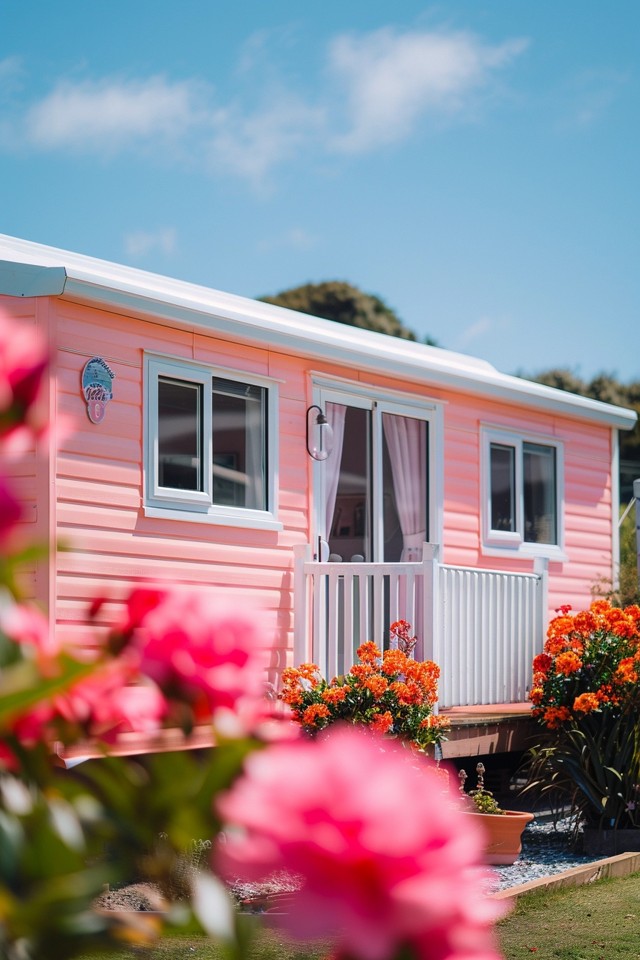
Mobile Home Paint Colors: Fresh Exterior Ideas
One of the most frequent misconceptions in home design is that manufactured homes offer limited stylistic potential. In my years of practice, I have found the exact opposite to be true. Mobile homes are often blank canvases that respond incredibly well to color theory and intentional landscaping.
The right exterior paint scheme does more than just cover up faded aluminum or vinyl. It grounds the structure, changes the perceived architectural weight, and integrates the home with its surrounding environment. Whether you are dealing with a single-wide that feels too narrow or a double-wide that lacks definition, paint is your most powerful tool.
We are going to look at specific palettes, material constraints, and the design logic behind creating a cohesive exterior. If you are just looking for visual inspiration, you can stay scrolled to the bottom as the Picture Gallery is at the end of the blog post.
1. The Technical Foundation: Vinyl vs. Aluminum Siding
Before we open a single paint can, we have to address the canvas. A mobile home exterior is rarely wood; it is almost always vinyl, aluminum, or hardboard. The material dictates the product you buy and the colors you are physically allowed to use.
If your home has aluminum siding, you have more freedom with color depth. Aluminum accepts paint readily once it is cleaned and primed with an oil-based primer or a high-quality bonding primer. The main concern here is texture; metal siding dents easily, and high-gloss finishes will highlight every imperfection.
Vinyl siding presents a unique challenge that many DIYers overlook. Vinyl is a thermoplastic, meaning it moves and expands with heat. If you paint light-colored vinyl a dark color (like black or navy), it will absorb too much heat and likely warp or buckle.
Designer’s Note: The LRV Rule
In design school, we study Light Reflective Value (LRV). Every paint color has a number from 0 (pure black) to 100 (pure white).
The Golden Rule: Never choose a paint color with an LRV lower than your original vinyl siding unless you buy paint specifically formulated as “vinyl-safe.” Most major paint brands now offer palettes designed to reflect heat even in dark shades. Ignoring this rule is the most expensive mistake you can make.
2. The Modern Farmhouse Palette: High Contrast
The “modern farmhouse” aesthetic has dominated interior design for a decade, and it translates beautifully to mobile home exteriors. The core concept is high contrast: a light body color paired with dark architectural accents.
This approach works particularly well for single-wide homes. A light body color makes the structure feel larger and more open. By keeping the main visual field bright, you avoid the “tunnel” look that darker colors can sometimes create on long, narrow structures.
I recommend steering away from stark, hospital white. Instead, opt for creamy off-whites, warm greys (greige), or soft oat colors. These shades hide dust better than pure white and feel softer against a green lawn.
The Trim Strategy
For the trim, shutters, and skirting, go dark. Charcoal, soft black, or deep bronze are excellent choices. This contrast defines the edges of the home and gives it a structured, architectural look.
Common Mistakes + Fixes
- The Mistake: Painting the gutters the accent color. This creates a “racing stripe” effect along the top of the house that looks disjointed.
- The Fix: Paint gutters to match the roof fascia or the body color of the house. You want them to disappear, not stand out.
- The Mistake: Using high-gloss black on vinyl shutters. It looks plastic and cheap.
- The Fix: Use a satin or eggshell finish for exterior accents. It mimics the look of painted wood and adds sophistication.
3. Earth Tones: Integrating with the Landscape
If your mobile home is situated on a wooded lot or a plot with significant landscaping, earth tones are your best friend. The goal here is “biophilic design”—making the home look like it grew out of the environment rather than being parked on top of it.
We want to move away from the generic “builder beige” that many older mobile homes shipped with. Modern earth tones are richer and have more complex undertones. Think sage green, slate blue, taupe, and terracotta.
Green is currently having a massive moment in exterior design. A muted, gray-green body color works universally well because it complements the surrounding foliage. It is inherently calming and hides pollen and dirt remarkably well.
What I’d Do in a Real Project
If I were consulting on a home with a brown shingle roof and mature trees, here is the specific palette I would propose:
- Body: A medium-depth Sage Green or Olive.
- Trim: A warm Cream (not white). White looks too stark against earthy greens.
- Door: Natural wood stain or a deep Aubergine (eggplant) for a pop of interest.
- Skirting: A darker shade of the body color (Dark Olive) to anchor the home.
This approach reduces the visual height of the skirting, which is often the least attractive part of a manufactured home. By darkening the bottom third of the structure, you visually “plant” the house into the ground.
4. Moody Exteriors: The Case for Dark Colors
Dark exteriors are a bold choice that signals a modern, custom aesthetic. We are seeing a surge in charcoal, navy, and even forest green homes. This look is particularly effective on double-wide homes or homes with interesting rooflines.
A dark exterior creates a silhouette effect. It unifies the house, minimizing the visual clutter of seams, window frames, and utility boxes. If your siding has a lot of texture or minor dents, a flat or matte dark paint can help disguise those flaws better than a light glossy paint.
However, you must consider your climate. Dark colors absorb significant heat. If you live in Arizona or Florida, a black house will increase your cooling bills and potentially degrade the paint faster. In cooler climates, this heat absorption can actually be a benefit.
Texture Variation
When going dark, texture becomes critical so the house doesn’t look like a monolithic block. I always advise clients to incorporate wood elements.
Adding cedar shutters, wrapping porch posts in natural timber, or installing a wood-tone front door creates necessary warmth. The combination of cool charcoal paint and warm cedar wood is a timeless, high-end pairing.
5. The “Third Color” Rule: Skirting and Decks
The most challenging aspect of mobile home exteriors is the skirting (underpinning). It is a functional necessity that often hurts the curb appeal. The biggest question I get is: “Do I paint the skirting to match the house or the trim?”
The Rule of Thumb: In 90% of cases, you should paint the skirting to match the body of the house (the siding).
When you paint the skirting a different color (especially a contrasting white), you create a horizontal line that visually chops the house in half. It highlights the fact that the home is raised. By matching the siding, you create a continuous wall of color from the ground up to the roofline. This makes the home appear taller and more substantial.
Deck Coordination
Your deck or porch is an extension of your living space. Avoid painting the floor of the deck the same color as the house. It looks too uniform.
Instead, treat the deck floor like an interior rug. A stain is usually preferable to paint for foot traffic durability. If you have a grey house, a warm brown deck stain provides beautiful contrast. If you have a beige house, a slate grey deck floor grounds the space.
Designer’s Note: Material Transition
If you have standard vinyl skirting, consider upgrading just the front-facing section to stone veneer or horizontal wood planks before painting. You don’t have to do the whole perimeter. Changing the material on the front façade elevates the perceived value of the entire home instantly.
Final Checklist: Before You Buy Paint
Before you head to the hardware store, run through this quick checklist to ensure you are fully prepared. Exterior painting is labor-intensive, and you only want to do it once.
- Test the Siding Material: Confirm if you have vinyl or metal. This dictates your primer.
- Check the Weather: You need 3-4 dry days with temperatures between 50°F and 85°F. Painting in direct, scorching sun can cause the paint to dry too fast and blister.
- Pressure Wash (Gently): You must remove the “chalking” (white powder) often found on old aluminum siding. Use a specialized house cleaner, not just water.
- Sample First: Buy sample pots. Paint a 2×2 foot square on the north side and the south side of the home. Colors look drastically different in morning light versus evening sun.
- Measure Area: Calculate square footage, but subtract windows and doors. Buy 10% more paint than you think you need for touch-ups later.
- Plan the Skirting: Decide if you are painting it to match the body (recommended) or replacing it entirely.
FAQs
Do I need to prime mobile home siding before painting?
Yes. Even if the paint says “paint and primer in one,” I strongly recommend a separate coat of high-quality bonding primer. Mobile home siding often has a factory finish that is slick and difficult for new paint to adhere to. A bonding primer ensures your hard work doesn’t peel off after one winter.
Can I paint the roof of my mobile home?
You can, and it often helps with energy efficiency. If you have a metal roof, an elastomeric roof coating (often white) seals leaks and reflects UV rays, keeping the home cooler. If you want aesthetic color, ensure the product is rated specifically for metal roofing to prevent peeling.
Does painting a mobile home affect resale value?
Absolutely. Curb appeal is the primary driver of initial interest. A fresh, modern color palette signals to buyers that the home has been well-maintained. It removes the stigma of an “older” unit and makes the property feel move-in ready.
How do I make my mobile home look less like a mobile home?
The secret is in the landscaping and the “foundation” look. Paint the skirting to match the house. Add larger, residential-style shutters (wider than the window). Build a porch that has a substantial roof and thick posts (6×6 inches minimum). Use foundation plantings (bushes) to hide the bottom edge of the skirting.
Conclusion
Revitalizing the exterior of a mobile home is one of the most rewarding projects you can undertake. It shifts the narrative of the home from “temporary housing” to “permanent residence.” By adhering to the principles of contrast, respecting the constraints of vinyl and aluminum, and carefully coordinating your skirting, you can achieve a high-end look on a modest budget.
Remember that paint is relatively inexpensive compared to renovation. Be brave with your sampling, prioritize preparation over speed, and choose a palette that brings you joy every time you pull into the driveway.
Picture Gallery


