
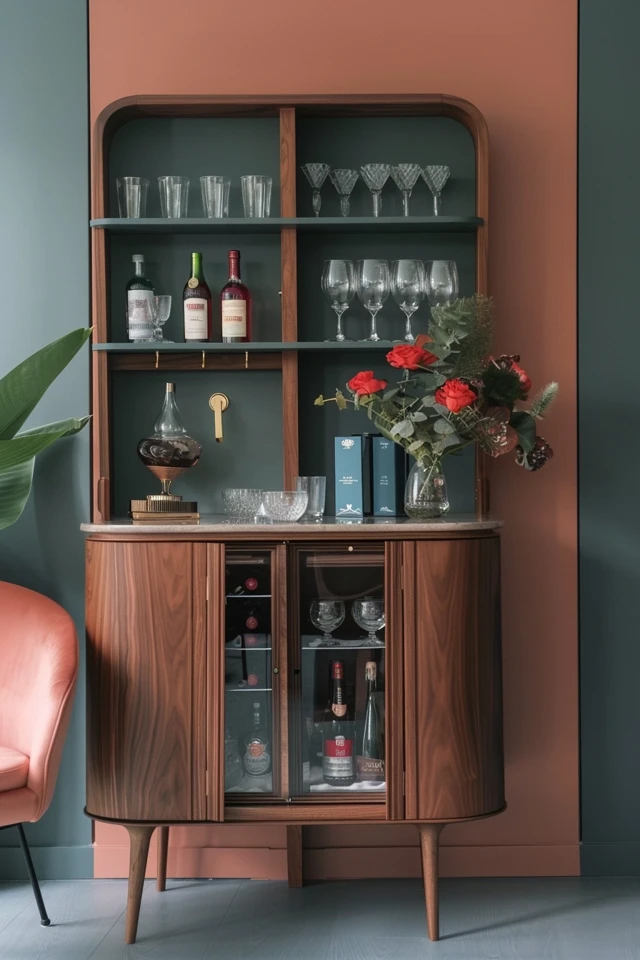
Modern Bar Cabinets Ideas for Stylish Homes
The modern bar cabinet has evolved far beyond a simple storage unit for liquor bottles. In recent years, it has become a focal point of living and dining spaces, bridging the gap between functional storage and sculptural art. I often tell my clients that a well-chosen bar cabinet acts as the “hearth” of a party; it is where guests naturally gravitate to mix a drink and chat, taking the pressure off the kitchen.
However, selecting the right piece requires more than just picking a finish you like. You must consider the internal ergonomics, the footprint relative to your traffic flow, and how the materials converse with your existing furniture. Whether you are a renter looking for a portable solution or a homeowner wanting a statement piece, the right cabinet elevates the entire room.
For those looking for visual inspiration, we have curated a comprehensive Picture Gallery at the end of the blog post to help you visualize these concepts.
1. Assessing Scale and Configuration
Before you fall in love with a finish, you must determine the form factor that fits your square footage. In interior design, we generally categorize bar cabinets into three modern configurations: the Tallboy, the Credenza (or Low-Boy), and the Corner Unit.
The Tallboy is ideal for apartments or rooms with limited floor space but decent ceiling height. These usually measure between 24 and 36 inches wide. They draw the eye upward, making them perfect for filling awkward vertical gaps between windows or beside a fireplace.
The Credenza style offers the most surface area for actual drink preparation. If you have a large dining room wall, a low, wide cabinet (usually 60 to 72 inches wide) grounds the space. It allows you to style art or a mirror above it, creating a complete vignette.
Designer’s Note: The Depth Rule
A common frustration I see is buying a cabinet that is too shallow. Standard wine bottles are about 12 inches tall, but many liquor bottles and decanters are wider. Ensure your cabinet has an internal depth of at least 15 to 18 inches. If you plan to store wine horizontally, check that the doors can close fully without hitting the corks.
2. Materiality and Finish Coordination
Modern design thrives on texture. Gone are the days of matching your bar cabinet perfectly to your dining table. In fact, I advise against it. If you have a solid oak dining table, a matching oak bar cabinet can make the room look like a furniture showroom rather than a curated home.
Instead, look for contrast. If your main furniture is wood, consider a bar cabinet in a high-gloss lacquer, metal, or stone veneer. Fluted glass or reeded wood textures are currently very popular because they add rhythm to the room without introducing a new color.
Pay attention to hardware consistency. You do not need to match metals perfectly, but they should share a temperature. If your overhead lighting is unlacquered brass (warm), try to avoid a bar cabinet with cool chrome handles. Matte black hardware acts as a neutral and works safely with almost anything.
Common Mistakes + Fixes
Mistake: Placing a wood cabinet in direct sunlight.
Fix: UV rays will fade wood finishes and, more importantly, spoil your wine and liquor. If the only spot for the cabinet is near a window, choose a solid-door unit (no glass) or apply UV-protective window film to your windows.
3. Internal Organization and Lighting
A cabinet that looks beautiful closed but is a mess when opened will kill the vibe of your gathering. Modern bar cabinets should offer specialized storage. Look for units with integrated stemware racks. Hanging glasses upside down prevents dust from settling in the bowls and clears up shelf space for bottles.
Adjustable shelving is the most critical feature to look for. Liquor bottles vary wildly in height. A standard bottle of vodka is manageable, but a bottle of Grey Goose or a tall decanter requires significant vertical clearance. If the shelves are fixed, you might end up having to store your premium bottles sideways, which is risky for spirits with cork stoppers.
Lighting is the secret ingredient that makes a bar cabinet feel luxurious. High-end joinery often includes proximity sensors that turn lights on when the doors open. If your cabinet doesn’t have this, you can easily retrofit it.
What I’d do in a real project:
- I buy rechargeable, motion-sensor LED light strips.
- I mount them to the underside of the top shelf or the cabinet header.
- This illuminates the glassware and bottles without requiring a messy cord running to a wall outlet.
4. Styling the Surface
If you choose a Credenza-style cabinet, the top surface is prime real estate. The rule of thumb here is “functional beauty.” You want decor, but you also need room to actually pour a drink. I always start with a tray.
A large tray serves as a “landing pad” for the bottles you are currently serving, or for a shaker and tools. It visually corrals small items so the surface doesn’t look cluttered. Material contrast works well here too; a marble tray on a wood cabinet looks sophisticated.
For lighting, a small table lamp or a buffet lamp is essential. It provides a warm, localized glow that is much more inviting than overhead recessed lighting. Place the lamp on one side of the cabinet to anchor the composition.
The “V” Composition Strategy:
- Imagine a V shape on top of your cabinet.
- High points on the outside (a tall lamp on the left, a tall vase or botanical on the right).
- Low point in the center (your tray or working surface).
- This draws the eye into the center where the action happens.
5. Placement and Traffic Flow
Where you place the cabinet dictates how much it gets used. The most common location is the dining room, but I increasingly place them in the living room. This encourages guests to linger in the seating area rather than crowding the dining table before dinner is served.
You must respect traffic lanes. We aim for a minimum of 36 inches of clearance between the front of the cabinet and the nearest piece of furniture. Remember to account for the swing of the doors. If the doors swing out 18 inches, and you only have 36 inches of clearance, a guest opens the cabinet and blocks the entire walkway.
For small spaces or apartments, consider the “dead corner.” A triangular corner cabinet or a tall, narrow unit can turn unused square footage into a functional asset. Just ensure the cabinet is not placed directly next to a heat source like a radiator, which can ruin the contents.
Renter-Friendly Tip:
If you are renting, a freestanding bar cabinet is a better investment than a bar cart. Carts gather dust and visually clutter a room because everything is exposed. A cabinet hides the clutter and can be moved to your next home, serving as a linen cupboard or media console if your needs change.
Final Checklist: Buying Your Cabinet
Before you click “purchase” or head to the showroom, run through this mental checklist. These are the steps I take for every client to ensure we don’t make a return the following week.
1. The Wobble Test:
If you are shopping in person, open the doors and lean slightly on the unit. If it racks or wobbles, walk away. A cabinet full of glass and liquid is heavy; a flimsy structure is a safety hazard.
2. The Anchor Check:
If you have children or pets, or if you live in an earthquake-prone area, the cabinet MUST be anchored to the wall. Check if the back panel is solid enough to accept an anchor screw or if it comes with an anti-tip kit.
3. Cord Management:
If you plan to put a wine fridge inside or a lamp on top, where is the outlet? Does the cabinet have a grommet hole for cords? If not, are you willing to drill one?
4. The Shelf Depth Audit:
Measure your widest dinner plate or tray if you plan to store service ware inside. Standard cabinets are often 15 inches deep, but many charger plates are 13-14 inches, leaving zero room for error.
5. Finish Sampling:
Always request a wood or finish sample if possible. “Walnut” can range from green-gray to deep red depending on the manufacturer. Hold the sample up against your floor and dining table to ensure they don’t clash.
FAQs
Q: Can I mix a wood bar cabinet with wood floors?
A: Yes, but you need contrast. If your floors are a light white oak, go for a dark walnut or ebonized wood cabinet. If the tones are too similar, add a rug underneath the cabinet to create a visual buffer.
Q: How do I maintain a stone-top bar cabinet?
A: Marble and limestone are porous and will etch with citrus juice or wine. Always use coasters and cutting boards. I recommend sealing the stone once a year. For a worry-free option, look for quartz or sintered stone, which mimics marble but is non-porous.
Q: What is the ideal height for a bar cabinet?
A: For a mixing surface, standard counter height is 36 inches. However, many cabinets are 30-32 inches high. This is fine for pouring, but if you are doing extensive cocktail prep, a taller unit (36-42 inches) is more ergonomic for your back.
Q: How do I style the inside if it has glass doors?
A: Treat the inside like a display case. Group bottles by type or height. Use trays inside the cabinet to group small items like bitters and jiggers. Avoid stacking things too deeply; keep the attractive items in the front row.
Conclusion
A modern bar cabinet is one of the most versatile investments you can make for your home. It creates a dedicated zone for hospitality, declutters your kitchen counters, and offers a prime opportunity to inject personal style into a room.
By focusing on the practical constraints of scale and durability first, you ensure the piece functions as well as it looks. Whether you opt for a sleek, fluted wood tallboy or a dramatic lacquered credenza, the right choice will serve you for years to come.
Picture Gallery


