
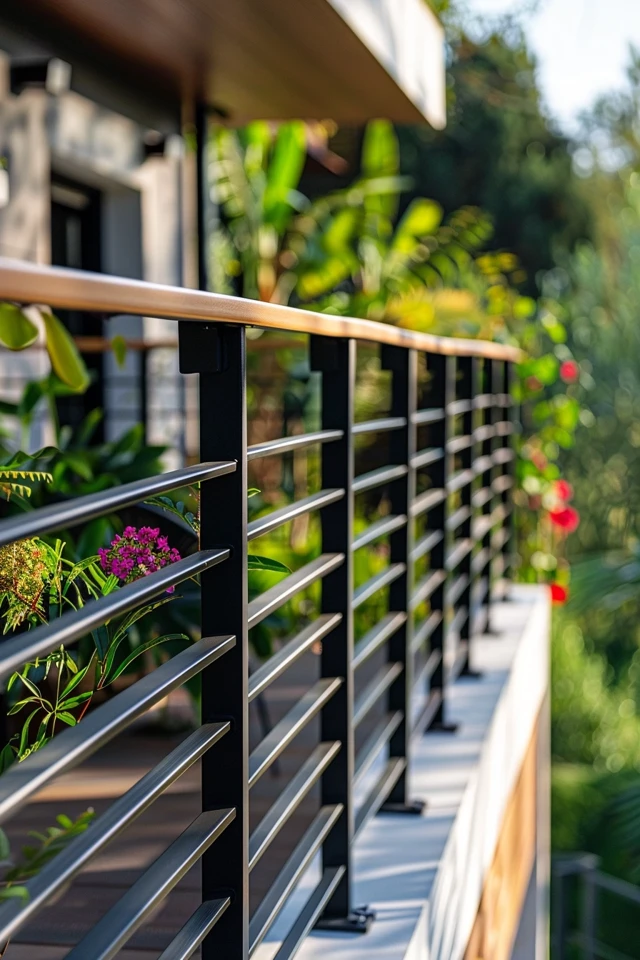
Modern Metal Deck Railing Ideas for Stylish Homes
Designing an outdoor space requires the same attention to detail as a living room. The deck is no longer just a wooden platform attached to the back of the house; it is a transitional zone that bridges your interior architecture with the landscape. While flooring material is important, the railing often dictates the entire aesthetic of the space.
In recent years, I have seen a massive shift away from bulky wooden balusters toward sleek metal options. Metal offers cleaner lines, superior durability, and much better visibility. If you are looking for visual inspiration to spark your creativity, make sure to check out our curated Picture Gallery at the end of this blog post.
However, choosing the right metal railing isn’t just about picking a color. You have to consider sightlines, wind loads, maintenance, and how the material reacts to heat. In this guide, I will walk you through the top modern metal railing systems, the specific constraints I adhere to in my own projects, and how to avoid costly installation mistakes.
1. The Invisible Look: Horizontal Cable Railings
Cable railing is the go-to choice for modern homes with a view. Whether you are overlooking a mountain range or just want to keep an eye on the kids in the backyard, cable minimizes visual obstruction.
This system typically uses marine-grade stainless steel cables strung horizontally through intermediate posts. The aesthetic is nautical yet industrial. It works exceptionally well with mid-century modern, contemporary, and coastal architecture.
However, cable railing requires precise engineering. The tension on these cables is significant. If your corner posts aren’t anchored deeply enough into the blocking, they will bow inward over time.
Designer’s Note: The “Ladder Effect”
In the design world, we talk a lot about the “ladder effect.” Horizontal cables can technically be climbed by small children. While the International Residential Code (IRC) removed the prohibition on “climbable” guards years ago, some local municipalities still enforce strict rules against horizontal members. Always check your local code before ordering materials.
Specific Measurements & Spacing
- Cable Spacing: You must space cables no more than 3 inches apart. Why 3 inches? Because cables deflect (bend) when pushed. To meet the code requirement that a 4-inch sphere cannot pass through, you need that tighter 3-inch spacing to account for the flex.
- Post Spacing: Do not space your structural posts more than 4 to 5 feet apart. If you go wider, you will need a “picket” or “cable stabilizer” in the middle to keep the cables rigid.
- Top Rail Height: Standard residential height is 36 inches. However, I often specify 42 inches for raised decks. It feels safer and looks more substantial from the ground level.
Common Mistakes + Fixes
Mistake: Using standard galvanized steel outdoors.
Fix: Always use Type 316 stainless steel for cables and fittings. Even Type 304 stainless will develop “tea staining” (surface rust) if you live within 20 miles of a coast or in a humid climate.
2. The Architectural Statement: Horizontal Bar Railings
If you love the horizontal look of cable but want something bolder, horizontal bar railings are the answer. Instead of thin wires, this style uses square or round metal tubes welded or screwed into the posts.
This creates a graphic, deliberate look. It adds “visual weight” to the perimeter of the deck. I find this works perfectly for urban homes or structures with heavy siding materials like stone or stucco. The railing holds its own against the visual mass of the house.
Unlike cable, bars do not sag. Once installed, they remain rigid forever. This makes them lower maintenance in the long run, as there is no tensioning required after the first season.
Pro-Level Design Rules
When I design with horizontal bars, I pay close attention to the scale of the material.
- Bar Size: I typically use 1/2-inch to 3/4-inch square tubes. Anything thicker than 1 inch starts to look like a prison fence rather than a home feature.
- Finish Choice: Matte Black is the standard for a reason—it actually disappears from the eye better than white or silver. Your eyes naturally focus past dark, matte objects.
- Post Size: Use a minimum 2×2 inch metal post. If you are retrofitting onto existing wood posts, ensure the lag screws penetrate at least 3 inches into solid wood, not just the veneer or wrap.
What I’d Do in a Real Project
If I were designing a deck for a rental property, I would choose horizontal bars over cable. Why? Durability. Renters can lean heavy furniture against bars without damage. Cables can stretch or pop if a heavy grill is shoved against them.
3. High-End Transparency: Glass Infill with Metal Posts
For the ultimate unobstructed view, nothing beats glass. We use tempered glass panels slid into metal channels or clamped between metal posts.
This look is synonymous with luxury. It blocks the wind without blocking the light. This is a crucial functional benefit if your deck faces a prevailing wind direction; it allows you to enjoy the outdoor space on breezy autumn evenings.
However, glass is high maintenance. I always have a frank conversation with clients about their cleaning tolerance. If you have large dogs that like to press their noses against windows, this might be a nightmare for you.
Safety and Material Specs
- Glass Type: You must use tempered safety glass. It is usually 1/4-inch to 3/8-inch thick for residential use. Laminated glass is even better (and often required in hurricane zones) because if it breaks, it stays in the frame rather than shattering.
- Edge Treatment: Always request polished edges if you are using a frameless look where the top of the glass is exposed.
- Gap Rules: Leave a small gap (about 1/2 inch) between the glass edge and the metal post to allow for thermal expansion. Glass and metal expand at different rates in the sun.
Designer’s Note: The Greenhouse Effect
Glass creates a microclimate. On a south-facing deck, a solid glass railing can trap heat, making the deck significantly hotter. If airflow is a concern, I suggest leaving a 2-inch gap between the bottom of the glass and the deck floor to facilitate air circulation.
Common Mistakes + Fixes
Mistake: Buying clear glass for a house with close neighbors.
Fix: Use “frosted” or acid-etched glass for the sides of the deck facing the neighbors, and clear glass for the side facing the view. This gives you privacy where you need it without sacrificing the aesthetic.
4. Industrial Texture: Mesh and Perforated Metal Panels
This is my favorite “edgy” alternative to traditional lattice. Wire mesh (often hog wire or architectural woven wire) or perforated aluminum sheets offer a fantastic middle ground between openness and privacy.
Perforated metal adds texture. It looks incredible on modern farmhouses or industrial loft-style renovations. Depending on the size of the holes (perforations), you can dial in exactly how much privacy you want.
This option is also extremely pet-safe. There are no gaps wide enough for a small dog to squeeze through, and unlike glass, birds won’t fly into it.
Fabrication details
- Framing: You cannot just staple mesh to a post. It needs to be framed in a U-channel (a metal track) to hide the sharp cut edges.
- Gauge Thickness: For woven wire, I never go thinner than 6-gauge. Anything thinner looks like chicken wire and cheapens the home’s value.
- Pattern: Square mesh is modern. Diamond mesh looks like a chain-link fence—avoid diamond patterns unless you are going for a very specific eclectic look.
Maintenance Realities
Perforated panels are easier to clean than glass but harder to repaint than bars. I strictly recommend powder-coated aluminum for these panels. It resists rust far better than painted steel and is lightweight, which puts less stress on your deck framing.
5. The Hybrid: Metal Posts with Wood Top Rails
This is the most practical choice for homeowners who actually lean on their railings. Metal heats up. A black aluminum railing in direct July sunlight can reach temperatures that will burn your skin.
To solve this, we use the “cocktail rail” or “drink rail” approach. We install sleek metal posts and infill (cable or bars), but we cap the top with a flat, wide wooden board.
This creates a functional perimeter. You can set a wine glass or a coffee mug on the railing. It is comfortable to lean against during a party. It also ties the metal railing back to the wooden decking or the interior hardwood floors.
Wood Selection Rules
You cannot use cheap pine for a flat cap rail; it will warp and cup within a year.
- Best Woods: Ipe (Brazilian Walnut), Teak, or high-quality Cedar. Ipe is incredibly dense and fire-resistant.
- Fastening: Screw the wood from underneath through the metal mounting plate. This hides the screw heads and prevents water from pooling in screw holes, which causes rot.
- Sizing: Use a board that is at least 5.5 inches wide (a nominal 2×6). This provides ample space for a drink and feels substantial.
Common Mistakes + Fixes
Mistake: Letting the wood touch the metal directly without airflow.
Fix: Use plastic washers or a composite spacer between the metal bracket and the wood cap. This prevents moisture from getting trapped between the two materials, which is the leading cause of rot in hybrid railings.
Final Checklist: Choosing Your Metal Railing
Before you commit to a purchase or sign a contract with a fabricator, run through this list. I use a version of this with every client to ensure we haven’t missed a functional constraint.
1. Check the “View Tax”
Sit down in a low chair where your deck furniture will be. Do the top rails cut right through your line of sight? If so, lower the rail height to 36 inches or switch to cable.
2. The “barefoot test”
If you have a pool or hot tub, are the bottom rails sharp? Will toes get stubbed? Look for systems with a rounded or low-profile bottom track.
3. Climate compatibility
Coastal (within 5 miles of salt water): You must use Grade 316 Stainless Steel or thick Fluoropolymer powder coating (PVDF). Standard powder coat will fail.
High Desert/South: Avoid black metal top rails. They become unusable in summer. Use a wood cap or a light-colored metal.
4. Lighting Integration
Plan this now. Do you want LED cap lights on the posts? You need to drill holes for the low-voltage wires before the railing is installed. Retrofitting wires inside metal posts later is nearly impossible.
5. Budget Reality
$: Prefabricated aluminum balusters (vertical).
$$: Horizontal bar or standard cable kits.
$$$: Custom glass panels or architectural mesh.
Frequently Asked Questions
Is a black metal railing hard to keep clean?
Black railings hide dirt surprisingly well, but they show pollen vividly. If you live in an area with heavy spring pollen, you will need to hose them down weekly. However, matte black hides water spots much better than glossy finishes.
Can I install metal railing on an existing wood deck?
Yes, but the blocking is key. Metal posts have a smaller footprint (base plate) than 4×4 wood posts. You usually need to add extra structural blocking underneath the deck boards to ensure the lag bolts grab into solid wood. Never attach a metal post just to the decking boards; it will rip out.
Does cable railing lose tension over time?
Yes. Even high-quality cables stretch slightly, and wood frames shrink. You will likely need to re-tension the cables once about 6 months after installation, and then perhaps once every two years. It usually takes about 10 minutes for a whole deck using a simple wrench.
Is horizontal railing safe for kids?
As mentioned, the “ladder effect” is a concern for some parents. However, functionally, if the tension is correct and spacing is tight (3 inches), it is difficult to climb. If you have a toddler who is a climber, vertical pickets or glass are the safest options until they grow older.
Conclusion
Upgrading to a modern metal deck railing is one of the highest-impact exterior renovations you can make. It instantly updates the architectural profile of your home and blurs the lines between indoors and outdoors.
Whether you choose the invisibility of cable, the wind protection of glass, or the functional comfort of a wood-capped hybrid system, the key is accuracy in installation. Respect the measurements, choose the right grade of metal for your climate, and prioritize the view.
A well-designed railing should feel like it has always been there—quietly framing your life outdoors without shouting for attention.
Picture Gallery


