
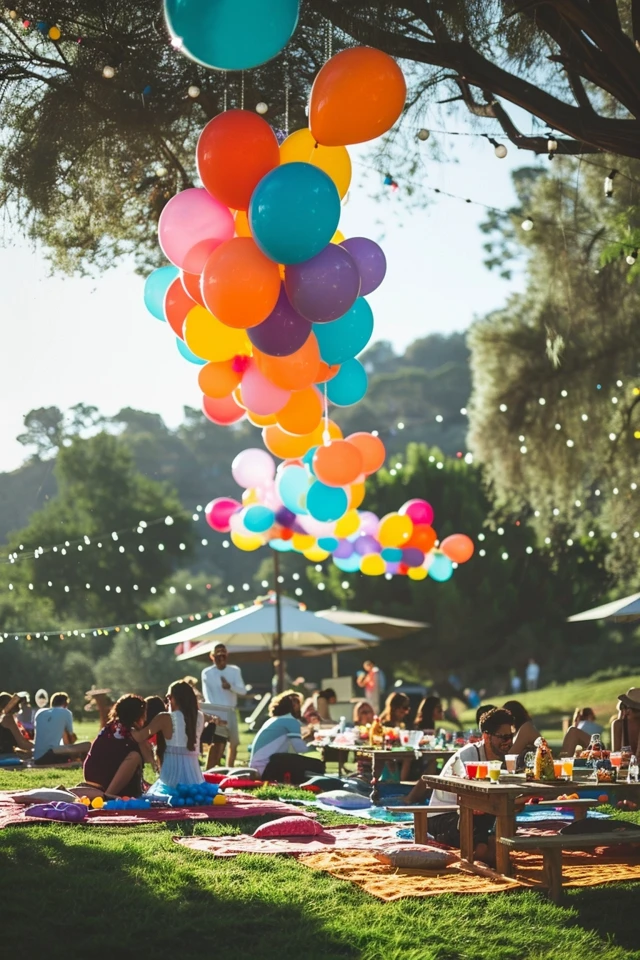
Title: Park Birthday Bash: Unique Outdoor Celebration Ideas
Introduction
Designing a celebration in a public park is, in essence, creating a pop-up living room without walls. It offers a stunning natural backdrop that no indoor venue can replicate, but it also presents a unique set of logistical challenges. As a designer, I view a park setting as a blank canvas where we must build the infrastructure for comfort, flow, and ambiance from scratch.
I remember the first park party I styled for a client; we focused entirely on the aesthetics of the table settings and completely ignored the wind patterns. It was a beautiful disaster until we secured everything down with heavy slate coasters and strategic clips. If you are looking for visual inspiration for your own event, check out our Picture Gallery at the end of this blog post.
The key to a successful park birthday bash is treating the grass, trees, and open sky with the same discipline you would apply to an interior floor plan. We need to establish zones, control lighting, and ensure the furniture layout encourages conversation rather than confusion. Let’s dive into how to elevate a simple picnic into a curated design experience.
1. Zoning Your Open-Air Floor Plan
In interior design, we use walls and rugs to define spaces, but in a park, you have to create those boundaries visually. Without distinct zones, a party tends to sprawl, making the event feel disjointed and low-energy. You want to create a sense of intimacy within the vastness of the outdoors.
Start by identifying your “anchor” element. This is usually the main dining table or a central picnic spread. From there, apply the “6-foot rule” regarding traffic flow. You want at least 6 feet of clearance between your seating area and high-traffic zones like the food station or cooler.
If you are setting up near a public path, position your seating so guests face inward toward each other, not out toward strangers walking by. This creates a psychological “wall” that makes the space feel private.
Designer’s Note: The Triangle Rule
In a kitchen, we use the work triangle (sink, stove, fridge). For a park party, I use the “Social Triangle.” Position your Food Station, Seating Area, and Trash/Recycling in a triangle. The trash needs to be accessible but at least 15 feet away from the food to prevent pests and odors, yet visible enough that guests actually use it.
Common Mistakes + Fixes
Mistake: Placing the food table on unlevel ground.
Fix: Bring a small pocket level or a simple marble. If the table tilts, use wood shims or even folded cardboard under the table legs. A wobbly table makes the whole event feel cheap and precarious.
2. Creating Architecture with Shade and Shelter
The biggest oversight in outdoor event design is failing to create a “ceiling.” In a park, the sky is too high to provide a sense of enclosure, which is necessary for human comfort. We naturally gravitate toward sheltered spaces.
If you can reserve a pavilion, the roof is already there. If not, you must create one. I prefer using 10×10 pop-up canopies, but standard white vinyl can look sterile. Dress up the metal legs by wrapping them in garland or sheer fabric that pools slightly at the bottom.
If regulations allow, stringing lightweight bunting or pennants between trees (using tree-safe straps, never nails) creates a visual ceiling. This lowers the sightline and makes the party space feel contained and cozy.
Realistic Constraints: Wind and Anchors
You cannot rely on the stakes that come with pop-up tents; they are rarely sufficient for park soil, which can be sandy or rocky. As a professional rule of thumb, use at least 20-30 pounds of weight per leg. You can buy sandbag weights that velcro to the legs, or use heavy planter pots filled with concrete as decorative anchors.
What I’d Do in a Real Project
I would arrange two pop-up tents side-by-side but leave a 2-foot gap between the canopy tops, bridged by a gutter system (or just careful placement) to prevent rain dripping in the middle. I would then hang a battery-operated pendant light in the center of each tent peak to create a focal point.
3. Elevated Tablescapes and Durable Dining
When designing a table for a park, we have to balance elegance with the reality of transport and durability. I never recommend disposable paper plates for a “designed” look, as they blow away and soak up sauces.
Instead, invest in high-quality melamine or bamboo fiber dinnerware. These materials mimic the weight and finish of ceramic but are shatterproof. For glassware, acrylic goblets with a heavy base are essential. The weighted base prevents them from tipping over on uneven picnic tables.
Layering is critical for a high-end look. Start with a heavyweight linen or cotton tablecloth. The fabric weight matters here; lightweight polyester will whip around in the breeze. If you use a runner, ensure it is shorter than the table or weighted down at the ends.
Designer’s Rules of Thumb: Table Overhang
Indoors, a tablecloth drop of 8-12 inches is standard. Outdoors, I prefer a shorter drop of 6-8 inches. A longer cloth can get caught in the wind or dragged through grass and mud. If you are using standard picnic tables, bring table clips. They are non-negotiable.
Material Selection
Avoid lightweight vases with tall flowers. They have a high center of gravity and will tip. Instead, use low, heavy vessels like stone bowls or wide glass cylinders filled with river rocks and water. Keep floral arrangements under 12 inches tall so guests can see each other across the table.
4. Soft Goods: Rugs, Pillows, and Comfort
Bringing textiles outdoors is the fastest way to upgrade a park party. It signals to guests that this is a place to linger, not just eat and leave. However, moisture is the enemy.
I always start with a base layer. Never put a nice rug directly on the grass. Use a waterproof tarp or a specifically designed picnic blanket with a waterproof backing first. Then, layer a flat-weave rug on top. A 5×8 rug is generally the minimum size for a seating cluster of 2-3 people.
For seating, mix structured options with casual ones. Folding director’s chairs look much more premium than standard camping chairs. Add lumbar pillows to benches; park benches are notoriously uncomfortable and hard.
Textile Durability
Choose solution-dyed acrylic fabrics (like Sunbrella) if you have them, as they resist fading and staining. If you are using indoor pillows, spray them with a fabric protector like Scotchgard a day before the event.
Designer’s Note: The “Shoe Situation”
If you create a lush rug setup, guests might be confused about whether to keep shoes on. Place a sturdy woven basket or a wooden crate at the edge of the rug zone. It acts as a subtle visual cue for guests to store their shoes if they want to lounge, keeping your textiles clean.
5. Lighting and Atmosphere (Even in Daytime)
You might think lighting is unnecessary for a daytime park bash, but lighting fixtures add vertical interest and sparkle. They act as “jewelry” for the space.
Hang battery-operated paper lanterns from tree branches or the tent frame. The key is grouping. A single lantern looks lonely; a cluster of three at varying heights (staggered by 4-6 inches) looks intentional and designed.
If your party extends into the evening/dusk, lighting becomes a safety requirement. Solar path lights are a fantastic, portable solution to line the path to the restroom or the parking lot. Just stake them into the ground when you arrive.
Ambiance Rules
Avoid cool white LEDs (5000K or higher). They look like office lighting. Look for “warm white” battery lights in the 2700K to 3000K range. This mimics the glow of incandescent bulbs and candlelight, making food look better and guests look healthier.
Common Mistakes + Fixes
Mistake: Relying on candles.
Fix: Real candles blow out instantly in a park. Use high-quality LED pillar candles inside heavy hurricanes. The hurricane glass protects the lightweight LED candle from blowing off the table and adds reflective sparkle.
Final Checklist
Before you pack the car, run through this designer-approved list to ensure your park site functions as well as a real room.
- Permission Slip: Do you have the physical permit printed out? Park rangers will ask.
- Leveling Kit: Shims, cardboard, or spare coasters to fix wobbly tables.
- Wind Security: Table clips, rug tape (for securing rugs to tarps), and heavy weights for tents.
- Hygiene Station: Since running water might be far away, set up a pump bottle of hand sanitizer and a packet of wet wipes on a small side table.
- Trash Strategy: Bring three times more trash bags than you think you need. Choose heavy-duty contractor bags that won’t rip.
- Sun Safety: Have a basket of sunscreen and bug spray available for guests.
- First Aid: A basic kit with band-aids and antiseptic is mandatory for outdoor play.
FAQs
How do I handle food safety in a park without electricity?
Use the cooler-within-a-cooler method. Keep a “storage cooler” that is rarely opened and strictly for keeping replenishments cold. Have a “serving cooler” or ice bath for drinks that guests access frequently. Keep food out of direct sunlight at all times, and follow the 2-hour rule: discard perishables left out longer than two hours (or one hour if it’s over 90°F).
What is the best way to transport decor to a park site?
Invest in a collapsible wagon with all-terrain wheels. Carrying heavy boxes across a grass field is exhausting. Pack items in clear plastic bins with latching lids so you can see what is inside and protect the contents from damp grass.
How far should the party be from the restrooms?
Ideally, you want to be within a 2-3 minute walk (about 300-500 feet). If you are too close, you deal with odors and public foot traffic. If you are too far, guests (especially parents with children) will find it inconvenient.
Can I use indoor furniture outside?
You can, but only for the day and with precautions. Do not put wood legs directly on soil; moisture will wick up and damage the finish. Put coasters or small plastic discs under the legs. Avoid velvet or delicate silks that snag easily on twigs.
How do I define the party space if there are no trees?
Use shepherd’s hooks. These metal stakes can be pushed into the grass to hang lanterns, banners, or floral balls. Place them at the four corners of your “room” to visually mark the perimeter.
Conclusion
Hosting a birthday bash in a park is a wonderful way to connect with nature and accommodate larger groups that might not fit in a standard dining room. However, the success of the event relies on bridging the gap between raw nature and interior comfort. By zoning your space, providing shelter, selecting heavy-duty but stylish materials, and layering textiles, you create a sophisticated environment that feels established and welcoming.
Remember that the outdoors is unpredictable. The wind will blow, the sun will shift, and ants might appear. If you design with these constraints in mind—weighting things down, bringing shade, and prioritizing flow—you can handle the elements with grace. The goal is to make your guests feel as taken care of on a patch of grass as they would be in your own living room.
Picture Gallery


