
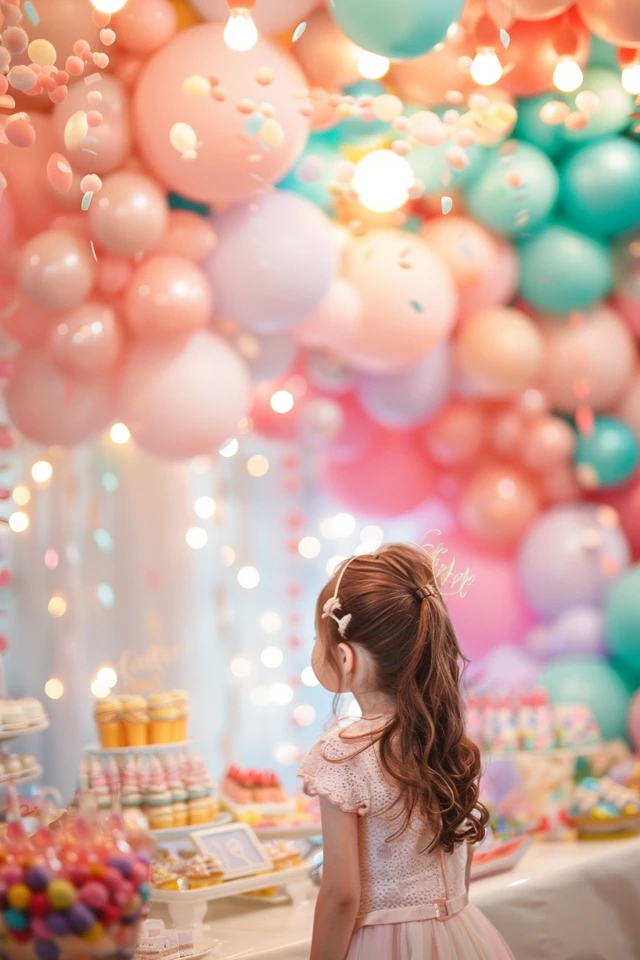
Perfect 6-Year-Old Birthday Party Ideas
Designing a birthday party for a six-year-old is a unique challenge that balances chaos with creativity. At this age, children have developed distinct personalities and opinions, yet they still possess that boundless, frantic energy that can wreak havoc on a well-curated home. As a parent and an interior designer, I have learned that the secret to a successful event isn’t just the theme; it is the spatial planning and traffic flow.
We often focus so much on the balloons and the cake that we forget about how the house functions during the event. A well-designed party layout prevents bottlenecks at the food table, protects your favorite upholstery from sticky fingers, and ensures the adults have a comfortable place to supervise. It is about merging aesthetics with extreme practicality.
In this guide, I will walk you through how to host a stylish, kid-friendly event by applying interior design principles to your party planning. If you are looking for visual inspiration on layouts and tablescapes, you can find a curated Picture Gallery at the end of this blog post.
Strategic Space Planning and Traffic Flow
The single biggest failure point in at-home parties is poor circulation. In interior design, we usually recommend a minimum of 30 to 36 inches for walkways. However, for a party involving twenty energetic six-year-olds, you need to increase that scale significantly.
I recommend clearing a primary thoroughfare of at least 48 inches wide. This prevents the dreaded “bottleneck effect” where kids collide while running between the backyard and the snack station. To achieve this, you may need to temporarily relocate substantial furniture pieces.
Start by auditing your living room layout. If you have a floating furniture arrangement, push the sofa back toward the wall or remove the coffee table entirely. The coffee table is often a tripping hazard and rarely serves a purpose during a kids’ party. Opening up that central floor space creates a “breakout zone” where kids can sit on the floor for games or opening presents without feeling cramped.
Designer’s Note: The “Zone Defense” Strategy
When I plan a residential project for a family, I look for “zones.” For a party, you must be even more rigid with these definitions.
- High-Energy Zone: Usually the backyard or a cleared playroom/living room. This is where the noise happens.
- Fuel Zone: The kitchen island or dining table. Keep this away from the carpeted areas if possible.
- Quiet Zone: A corner with floor cushions or a small tent. Six-year-olds can get overstimulated; giving them a visual break helps prevent meltdowns.
Styling the Tablescape: Scale and Durability
Creating a beautiful table for children does not mean you have to succumb to neon plastic tablecloths. You can maintain the integrity of your home’s design aesthetic while keeping things age-appropriate. The key is in the materials and the height of your decor.
For the table surface, skip the plastic covers. Instead, use a roll of high-quality butcher paper or kraft paper as a runner. It adds a neutral, organic texture that works with almost any color palette. Plus, it serves a dual function: you can put out cups of crayons, turning the dining surface into an activity station.
When setting the table, consider the “reach radius.” A six-year-old has a limited reach. Centerpieces should be low and narrow so they don’t get knocked over when a child reaches for a drink. I prefer using repetitive, low vessels with single stems or succulents rather than one large floral arrangement. This repetition creates a visual rhythm that looks high-end but is actually very safe.
Material Selection
- Melamine is your friend: Modern melamine mimics the look of stoneware or porcelain without the fragility. Look for matte finishes to avoid that cheap, shiny plastic look.
- Heavyweight Acrylic: For glassware, choose heavy acrylic tumblers. The weight makes them harder to tip over than disposable cups.
- Linens: If you use napkins, go for cotton or linen blends in dark or patterned fabrics. White linen is a recipe for disaster with chocolate cake.
Indoor-Outdoor flow and Landscape Integration
If you have access to outdoor space, integrating your landscape design is crucial for managing energy levels. The transition between indoors and outdoors needs to be seamless to prevent dirt from tracking in and to keep sightlines clear for parents.
First, assess your threshold. If you have a sliding door or French doors, ensure they can remain propped open safely. I often place a heavy, decorative planter on the outside as a doorstop. This creates a psychological link between the two spaces, making the house feel larger.
In the yard, use your hardscaping to define boundaries. If you have a patio, that should be the designated eating or craft area. The softscaping (the grass or lawn) is for physical play. If you have delicate garden beds, use temporary visual barriers. A simple row of colorful garden pinwheels or low bunting can act as a “do not cross” line that kids intuitively respect.
What I’d Do in a Real Project: Lighting the Outdoors
If the party extends into the late afternoon, landscape lighting becomes a safety issue.
- Path Lights: Ensure all changes in elevation (steps, deck edges) are lit. If you don’t have hardwired lights, use solar stakes.
- Ambient Light: String bistro lights overhead. They provide general illumination without the harshness of a floodlight, creating a warm atmosphere that looks great in photos.
- Feature Lighting: Uplight a tree or a fence line to create depth in the yard, making the space feel expansive.
The “Kid-Proof” Living Room: Protection Without Plastic
You want your home to look welcoming, not like a sterile clean room. However, you also want to protect your investment pieces. The best way to do this is through strategic layering and textile choices.
If you have a wool or silk area rug, I strongly suggest rolling it up for the day. If that isn’t feasible, layer a larger, inexpensive outdoor rug over it. Outdoor rugs are generally made of polypropylene, which is stain-resistant and can be hosed down. This “rug layering” look is very trendy in interior design right now and serves as a functional shield.
For sofas, use throw blankets strategically. Drape a heavy, washable cotton throw over the seat cushions. It adds texture and color to your room while acting as a sacrificial layer against spills. Avoid velvet pillows or delicate trims for the day; swap them out for durable canvas or woven covers.
Common Mistakes + Fixes
Mistake: Placing the food table against a wall.
Fix: Pull the table into the center of the room or use a kitchen island. A table against a wall creates a “dead end” where traffic stops. An island layout allows flow around all four sides, cutting congestion in half.
Mistake: Using standard dining chairs for everyone.
Fix: Rent or borrow kid-sized chairs, or use floor cushions at a low coffee table. Standard chairs can be awkward for six-year-olds to climb, leading to spills and falls.
Creating a Cohesive Design Theme
A theme doesn’t have to be literal. You don’t need to plaster a cartoon character on every surface to make a six-year-old happy. Instead, deconstruct the theme into design elements: color, texture, and shape.
For example, if the child loves “Space,” avoid buying the pre-packaged space party kit. Instead, look at the color palette: deep indigo, silver, charcoal, and white. Use a navy tablecloth, silver chargers, and hanging paper lanterns that mimic planets.
Apply the 60-30-10 rule of color theory to your decor.
- 60% Dominant Color: This is your background (tablecloths, rugs). Keep this relatively neutral or deep.
- 30% Secondary Color: This is your decor (balloons, plates, cups).
- 10% Accent Color: This is the “pop” (napkins, cake topper, party favors).
This approach makes the party feel curated and expensive, rather than chaotic and cheap. It also photographs significantly better.
Acoustics and Sensory Design
Interior design isn’t just about what you see; it is about what you hear. A room full of screaming children can be deafening, especially in modern homes with open floor plans and hard surfaces.
To mitigate the noise, you need sound absorption. If you have removed your plush rug, bring in other soft textiles. heavy curtains help dampen sound. If you have a large open space, consider hanging temporary decor from the ceiling, like paper honeycombs or fabric bunting. These objects help break up sound waves so they don’t bounce endlessly off the ceiling.
Background music is also a design tool. Curate a playlist that is upbeat but not frantic. Keep the volume low—just enough to fill the silence, but not so loud that people have to shout over it. Shouting begets more shouting.
Final Checklist: The Day Before
As a designer, I live by checklists. Here is what you need to do 24 hours before the guests arrive to ensure your home is ready.
- Measure Pathways: Walk the room. Can you pass through every walkway carrying a tray of food? If not, move the furniture.
- Lighting Check: Replace any burnt-out bulbs. Dim the overhead lights and rely on lamps for a softer, more flattering glow.
- Bathroom Prep: Place a step stool in the guest bathroom so six-year-olds can reach the sink. Put out a fresh stack of hand towels (not just one, which gets damp instantly).
- The “Go-Box”: Create a hidden box with stain remover, paper towels, a trash bag, and a first-aid kit. Keep this accessible to you but out of sight.
- Clear Surfaces: Remove 50% of your normal accessories. Vases, sculptures, and picture frames should be put away to reduce visual clutter and risk of breakage.
FAQs
How do I seat 15 kids if I have a small dining table?
Do not try to squeeze them in. It is better to create a “picnic style” floor arrangement. Use your coffee table or low folding tables. Lay down a waterproof drop cloth, cover it with a nice rug or blanket, and use floor cushions. Kids actually prefer this novelty over formal seating.
What is the best way to hang decorations without damaging walls?
Avoid standard tape, which can peel paint. I use Command hooks for heavier items (garlands) and painter’s tape for lightweight paper items. If you are hanging things from the ceiling, fishing line is a designer’s secret weapon—it is invisible and strong.
How can I make a rented space feel personalized?
Focus on “verticality.” Since you can’t paint or change fixtures, use tall focal points. Huge helium balloons (36-inch rounds) with fabric tassels take up a lot of visual space and add color without touching the walls. Also, changing the lighting (using warm lamps instead of overheads) transforms a rental instantly.
Is it okay to mix indoor and outdoor furniture?
Absolutely. In fact, bringing a few indoor elements outside (like cushions or a side table) makes the patio feel like a true extension of the living room. Just ensure the weather is clear, or use fabrics that are durable.
Conclusion
Hosting a birthday party for a six-year-old does not mean sacrificing your home’s style or your sanity. By approaching the event like a design project—focusing on layout, flow, durable materials, and cohesive styling—you can create an environment that is fun for the kids and relaxing for the adults.
Remember that the goal is to create memories, and the best way to do that is to remove the friction points. When the traffic flows well, the spills are easy to clean, and the lighting is just right, you are free to enjoy the moment rather than managing a crisis.
Picture Gallery


