
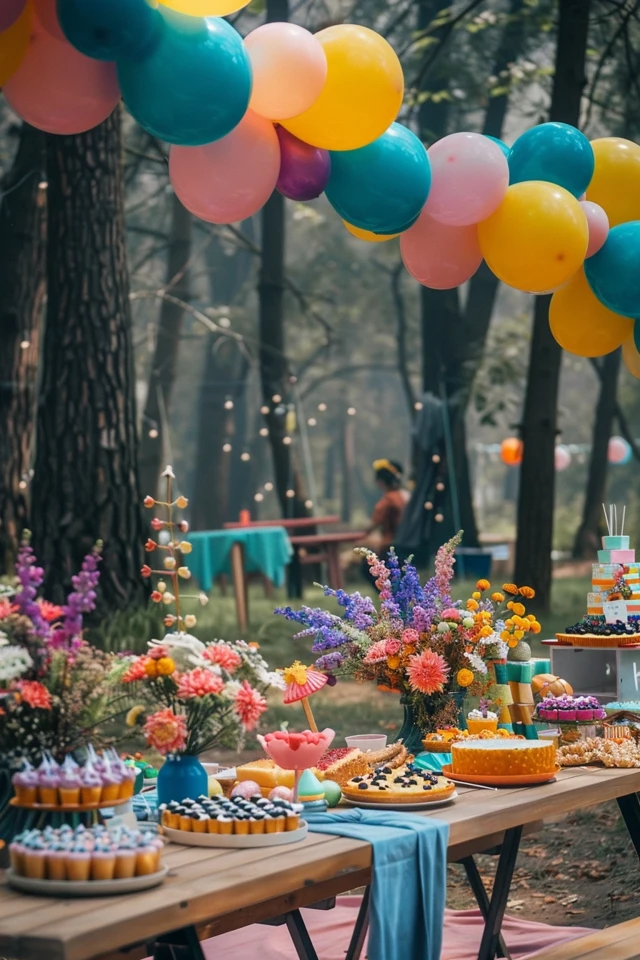
Perfect Park Birthday Bites: Food Ideas for Fun
Planning a birthday party in a public park offers a beautiful, natural backdrop that rivals high-end venues, but it presents unique logistical challenges. As a designer, I approach an outdoor picnic exactly how I approach an open-concept living room. You have to define zones, manage traffic flow, and ensure the materials you choose can withstand the environment.
The food you serve isn’t just about taste; it is a critical component of the event’s design and functionality. For a visual breakdown of these setups, keep in mind that a comprehensive Picture Gallery is waiting for you at the end of this blog post.
When you remove the safety net of a kitchen island and temperature control, your menu and presentation must be strategic. This guide will walk you through styling a park party that is as functional as it is photogenic.
1. Zoning Your Outdoor “Room” for Flow and Function
Before we talk about specific recipes, we need to discuss site planning. In interior design, we use a floor plan to dictate movement; in a park, you must create boundaries without walls.
The most common mistake I see is placing the food table too close to the play area. This results in dust, errant balls, and running children colliding with your beautiful spread.
Designer Rules of Thumb for Layout:
- The 15-Foot Rule: Keep your main food station at least 15 feet away from high-energy zones like playgrounds or bounce houses. This creates a psychological buffer zone that encourages kids to slow down before grabbing food.
- The 36-Inch Clearance: If you are setting up multiple tables (one for savory, one for sweets), leave a minimum of 36 inches between them. This prevents a bottleneck where guests get trapped in a line.
- Triangle Workflow: Arrange your food, beverages, and trash receptacles in a triangle. This disperses the crowd and prevents congestion in one single spot.
Designer’s Note:
I always scout the location at the exact time of day the party will occur one week prior. This tells me exactly where the sun will be. You never want your cheese board sitting in direct sunlight because you miscalculated the shade trajectory of a nearby oak tree.
2. The Architecture of the Menu: Structural Integrity
When designing a menu for a park, I look for “structural integrity” in the food. Just as I wouldn’t put a silk rug in a mudroom, I won’t serve foods that lose their form in heat or humidity.
You want “one-handed” food. Guests in a park are often standing or balancing on uneven ground. Requiring a knife and fork is a functional failure in this setting.
High-Performance Food Ideas:
- Vertical Skewers: Instead of a flat salad, thread cherry tomatoes, mozzarella pearls, and basil onto 6-inch bamboo skewers. They add vertical height to your table display and require zero cutlery.
- Pre-Portioned Jars: Use 4oz or 8oz mason jars for layered dips or pasta salads. This creates a cohesive, rhythmic look on the table and protects the food from bugs until the moment it is eaten.
- Slider Stations: Full-sized burgers are messy and difficult to manage while standing. Sliders offer better scale for a grazing event. Keep them wrapped in foil to maintain heat and hygiene.
Common Mistakes + Fixes:
- Mistake: Serving frosting-heavy cupcakes in 80-degree weather.
Fix: Switch to “naked” cakes, cookies, or dense brownies. If you must have frosting, keep the cupcakes in a cooler until 10 minutes before serving.
- Mistake: Using large communal bowls for chips.
Fix: Use individual paper cones or cups. Communal bowls in outdoor settings attract flies and wet hands, which ruins the texture for everyone else.
3. Hardscaping the Table: Vessels and Weights
The wind is the enemy of the outdoor table setting. In interior projects, we use weight to ground a space; in park design, we use weight to keep the space from flying away.
Avoid light plastic tablecloths at all costs. They billow, stick to guests’ legs, and look cheap. Instead, treat the table with the same respect you would a dining room.
Material Selection Guide:
- Heavyweight Linens: Use a canvas drop cloth or a heavyweight linen tablecloth. Secure it with commercial-grade table clips, not the cheap plastic ones that snap.
- Weighted Serving Ware: Use melamine, wood, or enamelware. These materials mimic the look of indoor ceramics but won’t shatter if dropped on concrete or hard ground.
- Vertical Anchors: Place your heaviest items (drink dispensers, wooden crates) on the corners of the tablecloth to act as secondary anchors.
What I’d do in a real project:
If I am styling a park party, I bring a roll of double-sided carpet tape. I apply a strip under the runner or tablecloth along the edges of the picnic table. It is invisible, leaves no residue, and ensures the fabric stays taut even in a stiff breeze.
4. Shade and Lighting: Creating a Ceiling
A park party often feels “floating” because there is no ceiling. Creating a sense of enclosure makes the gathering feel more intimate and intentional.
If you are renting a pavilion, you have a roof. If you are in an open grass field, you need to bring the architecture with you.
Creating the “Outdoor Room”:
- Umbrella Scale: If you use a patio umbrella, ensure the canopy clearance is at least 7 feet. Anything lower feels oppressive and blocks sightlines across the party.
- Tree Canopies: Utilize low-hanging branches (check for safety first) to hang light décor. This draws the eye up and creates a designated zone.
- Pop-Up Tents: If using a 10×10 pop-up, dress the legs. Raw metal legs look industrial. I wrap them in simple fabric or greenery to soften the edges and integrate the structure into the landscape.
Lighting for Twilight Events:
If your party extends into the late afternoon, lighting is crucial for safety and ambiance. Since you likely won’t have outlets, battery-operated LED lamps are essential. Place them on the food table and near the trash receptacles so guests can see what they are doing as the sun dips.
5. Seating Logistics: Rugs and Risers
Seating in a park is often a mix of existing infrastructure (picnic tables) and supplemental options. If you plan to do “picnic style” seating on the ground, you need to understand rug layering.
An indoor rug will absorb moisture from the grass and become heavy and gross. You need specific materials.
The Ground Cover Layering Technique:
- Base Layer: Start with a waterproof tarp or a specifically designed waterproof picnic blanket. This is the moisture barrier.
- Texture Layer: Place a polypropylene outdoor rug on top of the waterproof layer. Polypropylene is plastic-based but woven to look like wool or jute. It is washable and comfortable.
- Comfort Layer: Add scattered floor cushions. Aim for cushions that are at least 20×20 inches. Small throw pillows are useless for adults sitting on the ground.
Measurements for Seating:
For a standard 6-foot picnic table, you can comfortably seat 6 adults or 8 children. If you are renting chairs, allow 24 inches of width per guest for comfort. Do not squeeze people in; heat makes proximity feel more intense.
Final Checklist: The “Go-Bag” for Designers
Before you head to the park, run through this checklist. These are the items that usually get forgotten but are essential for a smooth event.
- The Leveling Kit: Shims or small pieces of cardboard to level tables on uneven ground.
- Trash Protocol: Bring three times the amount of trash bags you think you need. Heavy-duty contractor bags are better than kitchen bags.
- Hygiene Station: A bottle of hand sanitizer and a pack of wet wipes secured to the end of the food table.
- Cutting Kit: A sharp knife and a small cutting board (even if you prepped everything, you will likely need it).
- Windproofing: 4-6 heavy decorative stones or paperweights.
FAQs
How do I keep cold food cold without electricity?
Use the “vessel-in-vessel” method. Fill a large wooden or metal bowl with crushed ice. Nestle a smaller bowl containing the food inside the ice. Sprinkle coarse salt on the ice to lower the freezing point and keep it frozen longer.
What is the best way to transport the food?
Use commercial sheet pan racks or stackable catering boxes. Avoid round Tupperware; it wastes space in the car. Square or rectangular containers maximize packing efficiency.
How do I handle bugs without using smelly sprays?
Use food tents (mesh domes) over the platters. Also, set up a “decoy” station with a cup of sugary soda or fruit juice about 20 feet away from the main party to draw wasps away from your guests.
What if it rains?
Always have a “Plan B” location or rent a tent with sidewalls. If the forecast is spotty, bring a few large golf umbrellas and plenty of towels to wipe down wet benches.
Conclusion
Designing the perfect park birthday bite is about more than just a grocery list. It requires a designer’s eye for logistics, scale, and material durability. By zoning your space, choosing foods that maintain their structural integrity, and respecting the constraints of the outdoors, you can create an event that feels effortless.
Remember that the goal is to make your guests feel taken care of. When the flow is intuitive and the food is easy to eat, people relax. That is the mark of a successful design.
Picture Gallery


One thought on “Perfect Park Birthday Bites: Food Ideas for Fun”