
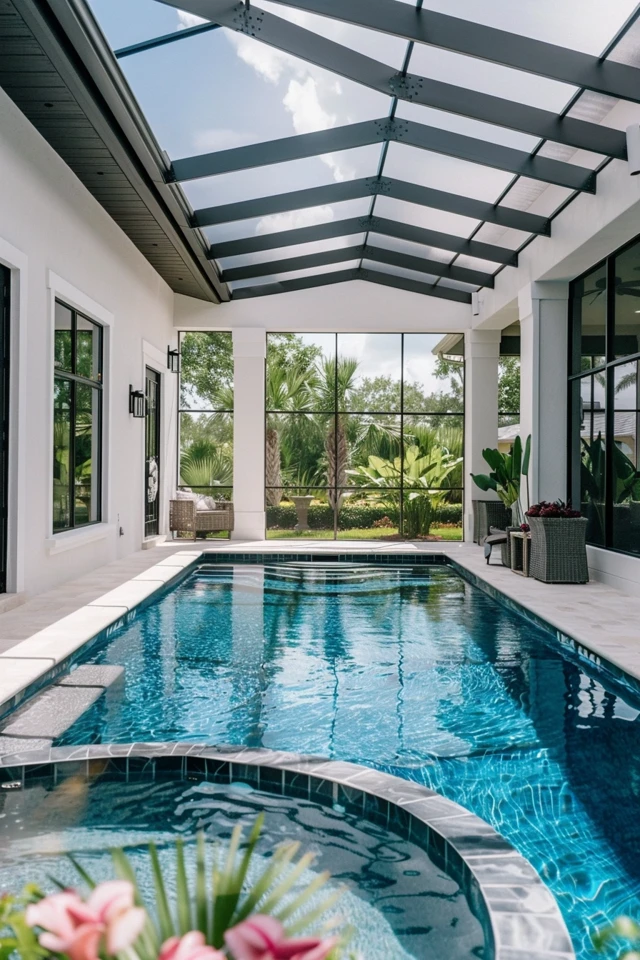
Refreshing Screened In Pool Ideas for Your Backyard
There is nothing quite like the serenity of a late evening swim without the constant buzzing of mosquitoes or the hassle of skimming leaves off the water’s surface. A screened-in pool offers the perfect blend of indoor comfort and outdoor freedom, creating a true extension of your home’s living space. However, treating this area simply as a “cover” for your pool is a missed opportunity to design a cohesive, functional outdoor room.
When I design these spaces for clients, I approach them with the same rigor as an interior living room, but with much stricter requirements regarding durability and flow. The goal is to blur the line between the air-conditioned interior and the humid exterior while maintaining a distinct sense of place. For those looking for visual inspiration, I have curated a comprehensive Picture Gallery at the end of this blog post.
Whether you are planning a new build or refreshing an existing enclosure, the details matter immensely. From the texture of the pavers under your bare feet to the kelvin temperature of the lighting overhead, every choice impacts how often you will actually use the space. Let’s dive into the practical design strategies that turn a simple cage into a backyard oasis.
1. Zoning Your Layout for Traffic and Function
The biggest mistake homeowners make with screened enclosures is cluttering the perimeter. Because the screen walls are fixed, you cannot simply push furniture back indefinitely. You have to work within a hard boundary.
I always start by defining the “Wet Zone” and the “Dry Zone.” The Wet Zone is the 3-foot perimeter immediately surrounding the pool water. This area must remain clear of heavy furniture to prevent tripping hazards and allow easy access for cleaning skimmers.
The Dry Zone is where your lifestyle happens. If you have enough depth, I recommend creating two distinct areas: a dining space and a lounging space. Avoid jamming them together. You need a minimum of 36 inches of clear walking path between different furniture groupings to prevent the space from feeling claustrophobic.
Designer’s Note: The “Shin-Buster” Rule
In a screened area, space is often tighter than in an open yard. One specific measurement I live by is the coffee table distance. Keep your outdoor coffee table 18 inches from the edge of your sofa. Any closer, and it cramps legroom; any further, and you cannot reach your drink. If you are working with a narrow pool deck (under 8 feet wide), skip the coffee table entirely and use small ceramic garden stools as side tables. They save space and are easy to move.
2. Selecting Flooring That Survives Humidity and Heat
Your flooring choice dictates the comfort and safety of the entire enclosure. Unlike an open patio, a screened pool area traps humidity. This means your flooring material needs to have excellent traction when wet and must be resistant to mold growth.
My go-to recommendation for screened pools is unfilled, tumbled travertine. It serves a functional purpose beyond aesthetics: it stays cool to the touch even in direct sunlight. This is crucial for barefoot traffic. The tumbled texture provides natural slip resistance, which is non-negotiable near a pool.
If you prefer the look of wood, avoid real timber. The moisture levels inside a screen enclosure can cause warping and rot very quickly. Instead, opt for high-quality porcelain pavers with a wood grain finish. Ensure the porcelain has a “grip” finish rated for outdoor use (usually R11 rating). Standard indoor tile will become an ice rink when wet.
Common Mistakes + Fixes:
- Mistake: Using dark-colored pavers or composite decking.
- Fix: Dark colors absorb heat and can burn feet. Stick to light greys, sands, and creams to reflect the sun.
- Mistake: Ignoring drainage slopes.
- Fix: Ensure the deck slopes away from the house at a rate of 1/4 inch per foot. Pooling water against the screen track attracts algae.
3. Lighting: Setting the Mood Without the Glare
Lighting a screened enclosure requires a different approach than lighting an open yard. The screen mesh reflects light, which can cause a hazy glare if you use powerful floodlights. The goal is soft, layered illumination.
Start with string lights (bistro lights). They are a classic for a reason. Strung across the upper beams of the enclosure, they provide a warm, general glow that bounces softly off the water. Ensure you buy commercial-grade strands with weatherproof rubber seals around the bulbs.
Next, add task lighting. If you have an outdoor kitchen or dining table under the screen, you need focused light. I prefer portable, rechargeable LED table lamps for dining. They eliminate the need for cords and can be stored away easily.
Finally, consider landscape lighting inside the screen. If you have planter beds along the edges, use low-voltage uplights to highlight the foliage. This creates depth and prevents the screen walls from looking like black voids at night. Stick to a color temperature of 2700K to 3000K. Anything higher (4000K+) will look like a sterile hospital waiting room.
4. Furniture Materials That Withstand the Elements
Just because the furniture is under a screen does not mean it is protected from the weather. It will still be exposed to UV rays, humidity, and chlorine off-gassing. Indoor furniture should never be used here.
The Frame:
Powder-coated aluminum is the gold standard. It is lightweight, rust-proof, and easy to clean with a hose. Teak is beautiful but requires oiling twice a year to maintain its color; otherwise, it silvers out. If you choose wicker, ensure it is High-Density Polyethylene (HDPE), not cheap PVC, which will crack after one summer.
The Fabric:
This is where most people waste money by buying cheap cushions. You need 100% solution-dyed acrylic fabric (like Sunbrella or Outdura). The color is part of the fiber liquid before it becomes a solid, meaning it won’t fade.
The Foam:
Ask for “reticulated foam” or “quick-dry foam.” This foam is porous and allows water to run right through it rather than soaking it up like a sponge. If you have standard foam, your cushions will get heavy, smell like mildew, and take days to dry.
What I’d Do in a Real Project:
- Sofa: Aluminum frame with a light grey performance fabric.
- Rug: A polypropylene flatweave rug. I would size it to sit under the front legs of the sofa and chairs to anchor the zone.
- Storage: A watertight deck box in the corner for storing decorative pillows during pollen season or heavy storms.
5. Softscaping: bringing Greenery Inside the Cage
A screened pool often feels sterile because it is separated from the yard’s landscaping. Bringing plants inside the enclosure softens the hard lines of the aluminum structure and connects you to nature.
However, you must be selective. You want plants that love high humidity but do not shed tiny leaves or heavy pollen, which will clog your pool filter and stick to the screens. Avoid messy plants like Bougainvillea or Crepe Myrtles.
I recommend architectural, large-leaf plants planted in oversized pots. Bird of Paradise, Snake Plants, Areca Palms, and Bromeliads are excellent choices. They provide lush greenery with minimal leaf drop. Group pots in odd numbers (sets of three) in corners to soften the 90-degree angles of the enclosure.
Maintenance Tip:
Ensure all pots have saucers or are elevated on “pot feet.” If a heavy pot sits directly on pavers, moisture gets trapped underneath, creating a permanent stain or a mold ring that is nearly impossible to remove.
Final Checklist for Your Project
Before you start buying furniture or hiring contractors, run through this list to ensure you have covered the basics:
- Measure Twice: Map out the “Wet Zone” (3 ft from water) and ensure no furniture encroaches on it.
- Check the Mesh: If replacing screens, consider “20/20 mesh” for tiny bugs (no-see-ums) or “pet screen” for durability if you have dogs.
- Verify Flooring Grip: Test your tile or paver sample with water to check for slipperiness.
- Plan Power: Do you have outdoor outlets in the right spots for string lights or a fan?
- Storage Plan: Where will the pool floats and chemicals live? Plan for a designated storage bench or cabinet.
- Color Palette: Pick three colors (e.g., Grey, Navy, White) and stick to them for a cohesive look.
FAQs
How do I clean the screen mesh without damaging it?
Avoid high-pressure power washing, which can rip older screens or loosen the spline. Use a soft-bristle brush with a mixture of warm water and mild dish soap. Gently scrub the screens and rinse with a garden hose on a low setting. Do this twice a year to prevent algae buildup.
Is a screened pool area considered square footage for my home value?
Generally, no. It is considered “outdoor living space.” While it adds immense value and desirability to a home, especially in southern climates, it is usually not included in the heated/cooled square footage calculation for appraisals.
How can I heat a screened pool area in the winter?
Since you cannot trap heat effectively, you need radiant heat sources. Portable propane patio heaters are effective, but ensure you have ample clearance from the screen ceiling (usually at least 3-5 feet). Infrared electric heaters mounted to the house wall are a safer, more permanent solution.
What is the best rug material for a screened pool deck?
100% Polypropylene. It is synthetic, resists mold, and can be bleached if necessary. Avoid jute, sisal, or cotton, as they will rot in the humidity. Always choose a “flatweave” rather than a pile rug to help it dry faster.
Conclusion
Refining a screened-in pool area is about balancing the practical constraints of a humid, wet environment with the aesthetic desire for comfort. By creating distinct zones, investing in marine-grade materials, and layering your lighting, you can transform a simple cage into a luxurious extension of your home.
Remember that the most beautiful spaces are the ones that function effortlessly. When you don’t have to worry about the rug getting moldy or the chairs rusting, you have more time to simply enjoy the water. Take your time planning the layout, measure everything twice, and enjoy the process of creating your private retreat.
Picture Gallery


