
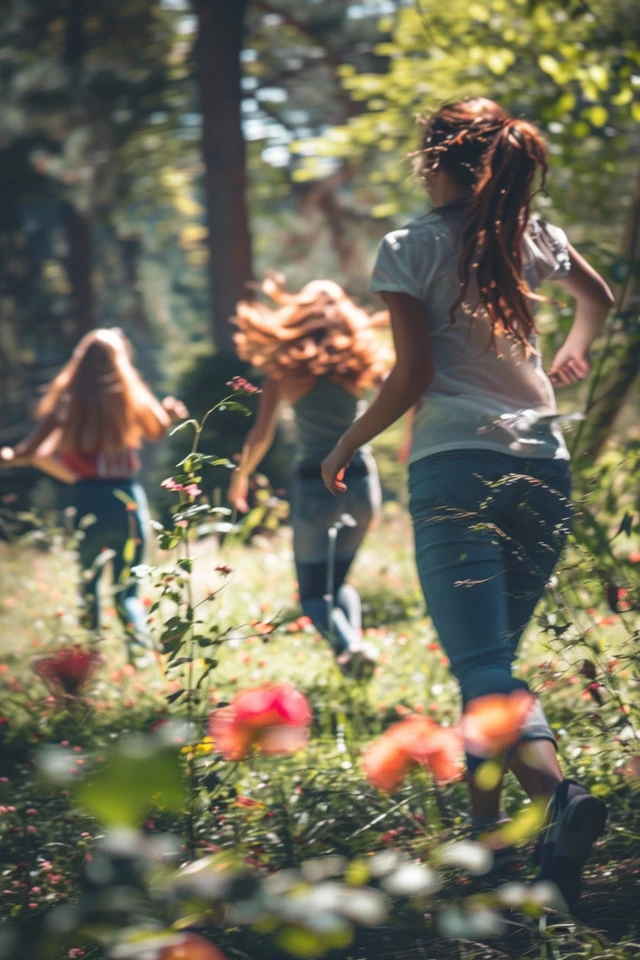
Relay Race Ideas Adults Will Love for Team Building
Hosting adults for a team-building event or a high-energy backyard party is completely different than hosting a children’s birthday. As a designer, I have found that the success of these gatherings relies heavily on the environment you create. You want an atmosphere that encourages letting loose, yet maintains a level of sophistication and flow that keeps guests comfortable.
When you plan relay races for adults, you are essentially designing a high-traffic zone that needs to function safely and look incredible. For visual inspiration on setting up your backyard or game room for maximum fun, be sure to check out the Picture Gallery at the end of this blog post.
The key is blending the activity with your landscape or interior layout. You cannot simply throw cones on a lawn and hope for the best. You need to consider the grade of the terrain, the durability of your ground cover, and the circulation patterns for spectators. This guide will walk you through engaging relay ideas and the design logistics to execute them flawlessly.
Setting the Stage: Landscape Layout and Safety
Before we get to the specific games, we have to talk about the “track.” In landscape design, grading and zoning are everything. If you are hosting a relay race in your backyard, you need to identify a flat, unobstructed stretch of land.
Ideally, you want a slope of no more than 1% to 2% in the activity zone. Anything steeper increases the risk of twisted ankles, especially if guests have had a cocktail or two. If your yard is terraced or heavily sloped, you might need to reconsider the location or opt for low-impact stationary games.
You also need to calculate your lane width. For adult-sized competitors, I recommend allowing a minimum of 4 to 5 feet of width per team. If you have three teams running simultaneously, you need a clear, flat corridor that is at least 15 feet wide. This ensures no one collides during the hand-off.
Designer’s Note: Protecting Your Turf
From a maintenance perspective, high-intensity foot traffic can wreck a manicured lawn. If you have Kentucky Bluegrass or Perennial Ryegrass, it generally recovers well from traffic. However, if you are working with decorative fescues or shade-loving moss varieties, you should designate a “hardscape” track or use the driveway.
What Usually Goes Wrong + How to Prevent It
The Problem: Hosts often set the finish line too close to a vertical barrier, like a fence, retaining wall, or sliding glass door. Runners carry momentum.
The Fix: Create a “deceleration zone.” You need at least 10 to 15 feet of clear space past the finish line for adults to slow down safely. Never end a race right at the edge of the patio.
High-Energy Backyard Relay Concepts
Once your zones are established, you can introduce the activities. These ideas are designed to be engaging but simple enough to require minimal specialized equipment.
The “Waiter” Run
This is fantastic for testing balance and speed. Each player must carry a tray with plastic cups filled with water (or wine, if you are brave) from one end of the yard to the other.
- The Design Twist: Use melamine trays and acrylic stemware. They look like high-end glass and porcelain but are shatterproof. This maintains the aesthetic of your party without the safety hazard of broken glass on the grass.
- The Challenge: Navigate through a slalom course of patio chairs or garden ornaments.
The Landscape Architect Challenge
This is a wheelbarrow race with a functional twist. One person is the “driver,” and the other is the “load.” However, rather than holding ankles (which causes back strain), have the “load” sit in an actual wheelbarrow.
- The Objective: Push the teammate to a designated spot, where they must hop out, place a potted plant in a specific arrangement, and race back.
- Logistics: Ensure your wheelbarrow tires are inflated properly. A flat tire on a lawn creates ruts.
The Dress-Up Dash
Place a pile of oversized interior design samples or funny garments at the turnaround point. Players run down, put on an item (like a heavy velvet drape worn as a cape), and run back.
- Storage Solution: Use a garment rack or a large woven basket at the end of the lane. This keeps the props contained and prevents the “messy yard” look.
Indoor Adaptations: Flow and Furniture Layout
Weather is unpredictable. If you have to move the team building inside, you need to rethink your floor plan immediately. An open-concept living and dining area is usually the only space large enough for movement.
First, check your circulation paths. In a standard layout, we aim for 30 to 36 inches of walkway space. for an active game night, you need to double that. Push the sofa and coffee table to the perimeter.
Rug Safety Rules
If you are running relays indoors, area rugs are your biggest enemy. A loose rug is a slip hazard.
- The Fix: If the rug is large (8×10 or larger) and anchored by heavy furniture, it may stay put.
- The Better Option: Roll up the rugs. Exposing the hardwood or tile is safer for traction. If you must keep rugs down, ensure you are using a high-quality felt-and-rubber rug pad that grips the subfloor.
The “Measure It” Relay
Since we are indoors, let’s make it about the space. Give each team a tape measure.
- The Task: Call out an object (e.g., “The width of the fireplace mantel”). One player runs to measure it and writes it down. The next player runs to measure the height of the kitchen island.
- Accuracy Check: The team closest to the actual measurements wins. This is surprisingly fun and competitive.
The Gallery Wall Shuffle
Print out several photos or use lightweight frames.
- The Task: Teams must run to a blank wall (or a piece of plywood set up for the game) and arrange the frames in a balanced composition using painter’s tape.
- The Judge: You (the host) judge based on spacing and leveling.
The “Design Challenge” Team Builder
For a group that appreciates aesthetics, or just wants a break from running, I love incorporating “tablescape” relays. This works exceptionally well in dining rooms or large patios.
The Setup
Set up two bare tables at one end of the room. Place all the dining elements (chargers, dinner plates, salad plates, silverware, napkins, glassware) in a chaotic pile at the other end.
The Rules
One by one, team members grab an item and place it on the table. They must set a formal place setting correctly.
- Forks on the left.
- Knife blade facing the plate.
- Glassware above the knife.
This activity reinforces etiquette while getting people moving. It connects perfectly to the home environment and utilizes items you already own. Just be sure to use everyday stoneware, not your grandmother’s fine china.
Hosting Logistics: Spectator Zones and Lighting
A successful event isn’t just about the participants; it is about the spectators. You need to create comfortable “cheering zones” that are safe distances from the action.
Seating Arrangements
Avoid placing lounge chairs right on the sideline. In my projects, I like to create tiered viewing.
- Front Row: Floor cushions or poufs. These are low profile and don’t block views.
- Middle Row: Standard lounge chairs or dining chairs (18-inch seat height).
- Back Row: Bar-height tables or standing room.
This stadium-style arrangement ensures everyone sees the action without crowding the “track.”
Lighting for Evening Events
If your event pushes into the evening, visibility is a safety requirement. Standard porch lights are rarely enough.
- Task Lighting: You need floodlights or bright path lights illuminating the turning points of the race.
- Ambient Lighting: String lights (bistro lights) strung overhead provide general illumination without blinding the runners. Aim for a warm temperature (2700K to 3000K) to keep the mood inviting, not clinical.
- Kelvin Scale Note: Avoid cool white lights (4000K+) as they can feel like a warehouse.
Common Mistakes + Concrete Fixes
I have seen many well-intentioned parties flop because of logistical oversights. Here are the most common errors and how to fix them.
Mistake: Ignored Acoustics
In an indoor relay, shouting and cheering bounce off hard surfaces (glass, stone, drywall). It becomes deafening.
The Fix: If you rolled up the rugs for safety, bring in soft textures elsewhere. Heavy drapery, upholstered ottomans, and even throw pillows stacked in corners help absorb sound reverberation.
Mistake: The “Bottleneck” Bar
Placing the drink station near the start/finish line creates a traffic jam.
The Fix: adhere to the “triangle rule” of entertaining. The food, the drinks, and the activity should form a triangle with at least 10 feet of separation between each point. This forces circulation and prevents crowding.
Mistake: Unstable Decor
Tall vases or lightweight sculptures on side tables will get knocked over by an enthusiastic spectator.
The Fix: Clear all surfaces below waist height in the activity zone. “Edit” your room aggressively before guests arrive. If it can break, move it to the bedroom.
What I’d Do in a Real Project: A Pre-Party Checklist
If I were hired to prep a client’s home for a team-building event, this is the exact checklist I would use to ensure the space is ready:
- Check the Grade: Walk the backyard track area to identify hidden dip, sprinkler heads, or tree roots. Mark them with landscape flags or small cones.
- Lighting Audit: Turn on all outdoor lights at dusk the night before. Replace burnt-out bulbs and ensure the “finish line” is well-lit.
- Furniture Clear-Out: Measure the indoor clear space. If the path is less than 4 feet wide, move a chair to another room.
- Rug Check: Lift corners of area rugs. If there is no pad or the pad is crumbling, tape the rug down with painter’s tape or remove it entirely.
- Protect Surfaces: If using food/drink in a relay, put down a drop cloth or choose a zone with tile/concrete flooring. Never do liquid relays over natural stone (marble/limestone) which stains instantly.
Final Checklist for a Successful Event
- Zone the Space: Clearly define the track, the spectator area, and the food/drink zone.
- Safety First: Remove trip hazards (roots, cords, loose rugs).
- Material Selection: Use acrylic or melamine for game props; keep glass for the bar.
- Traffic Flow: Ensure there are two ways to exit the area to prevent bottlenecks.
- Comfort: Provide ample seating for those who are “out” or just watching.
FAQs
How much space do I need for an indoor relay race?
You need a clear runway of at least 15 to 20 feet in length and 4 feet in width per team. An open-concept living/dining/kitchen area is usually the only space that accommodates this. Hallways are generally too narrow (standard width is 36-42 inches) for safe racing.
What is the best type of lawn for backyard games?
Kentucky Bluegrass and Perennial Ryegrass are the most durable for foot traffic. They have a self-repairing quality (especially Bluegrass). If you have delicate ornamental grasses, rope them off.
How do I protect my hardwood floors during indoor games?
The biggest risk is scratches from shoes (especially grit caught in treads). Ask guests to wear socks (you can provide non-slip hospital socks as a fun party favor) or ensure the “track” is covered with a runner rug secured by carpet tape.
Can I host a relay race in a small apartment?
Yes, but change the scale. Instead of running, do “station” relays. Team members rotate between the sofa, the kitchen island, and the dining table to complete tasks like puzzles or stacking cups. Focus on dexterity rather than cardio.
Conclusion
Hosting adult relay races for team building is a brilliant way to inject energy into a gathering, but it requires a designer’s eye to execute well. By considering the layout of your landscape, the flow of your interior, and the safety of your materials, you elevate a simple game into a curated event.
Remember that good design is functional. Your home should be able to adapt to your lifestyle, whether that means a quiet evening with a book or a competitive three-legged race on the lawn. With the right zoning, lighting, and preparation, you can host an unforgettable event without sacrificing the style or safety of your home.
Picture Gallery


