
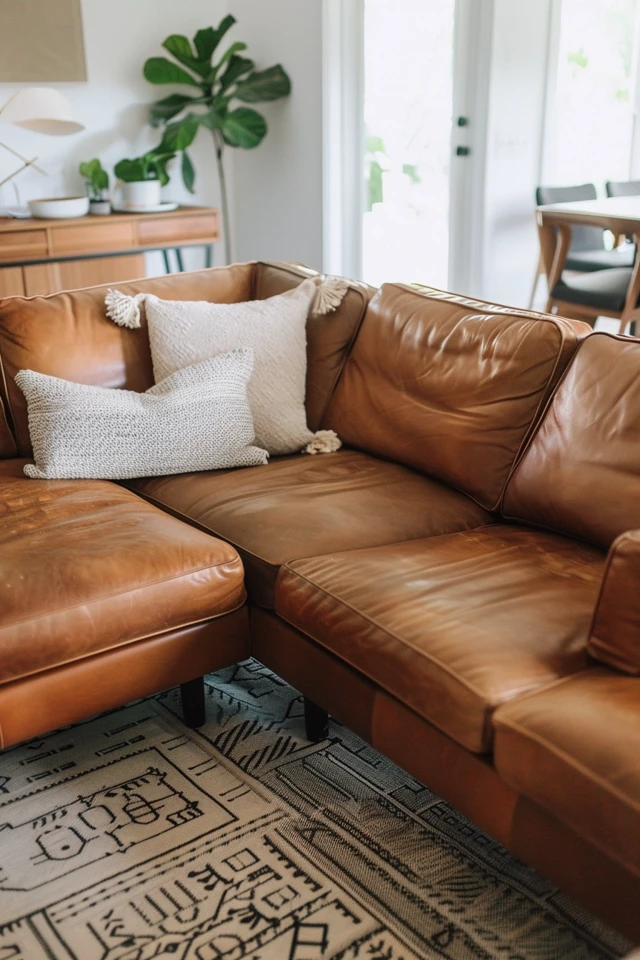
Rustic Charm: Farmhouse Leather Sectional Deals
There is something undeniably grounding about a worn leather sofa. In the world of interior design, few pieces anchor a room quite like a farmhouse leather sectional. It strikes that difficult balance between rugged durability and inviting warmth, making it the perfect centerpiece for a family living room.
Finding the right piece isn’t just about aesthetics; it is about investing in furniture that can handle real life. You want a sofa that forgives the occasional scratch from a dog’s paw and actually looks better as the leather patinas over time. However, finding high-quality leather at a reasonable price point can feel like searching for a needle in a haystack.
In this guide, I will walk you through how to spot a genuine deal, how to size your sectional correctly, and how to style it so it doesn’t look like a dark heavy blob in your living room. For some serious visual inspiration on how to arrange these pieces, make sure you check out the Picture Gallery at the end of the blog post.
1. Identifying the “Farmhouse” Leather Look
Not all leather sectionals fit the farmhouse aesthetic. Modern Italian leather is often too sleek, and traditional Chesterfield styles can sometimes feel too formal or “library-like” for a relaxed family home. The farmhouse vibe relies on texture and matte finishes.
When hunting for deals, look for leather that is described as “saddle,” “cognac,” or “bourbon.” These warm, mid-tone browns coordinate beautifully with the whites, creams, and natural woods typical of farmhouse interiors. Avoid high-gloss finishes; you want the leather to look soft and lived-in from day one.
Texture is equally important. A slight distressing or natural grain variation is desirable. If the leather looks perfectly uniform and plastic-like, it will clash with the organic elements of the room. The goal is “perfectly imperfect.”
Designer’s Note: The “Orange” Trap
In my years of sourcing furniture, the biggest issue with budget-friendly leather is the undertone. Many affordable “cognac” leathers read very orange under LED lighting. Always request a swatch if buying online, or view the piece in natural daylight. If it looks like a basketball, walk away. It will be nearly impossible to color-correct with pillows or rugs.
2. Sizing and Scale: The Math Behind the Comfort
A sectional is a massive piece of furniture. One of the most common mistakes homeowners make is buying a piece that physically fits in the room but chokes the flow of traffic. Scale is just as important as dimensions.
Before you look at a single price tag, tape out the dimensions on your floor using painter’s tape. This is non-negotiable. Seeing the footprint on the floor reveals issues you can’t visualize in your head.
Critical Measurements
- Walkways: You need a minimum of 30 to 36 inches of clearance around the back and sides of the sofa for comfortable walking paths.
- Coffee Table Gap: Ideally, you want 14 to 18 inches between the edge of the sectional and your coffee table. This is close enough to reach your drink but far enough to save your shins.
- Seat Height: Look for a seat height between 17 and 19 inches. Anything lower can be hard for older guests to get out of; anything higher feels formal.
Left-Arm vs. Right-Arm Facing
This trips up almost everyone. “Left-Arm Facing” (LAF) means that when you are standing in front of the sofa looking at it, the arm is on the left. It does not mean “on your left when you are sitting on it.” Buying the wrong configuration is a logistical nightmare, so double-check your room layout against your tape outline.
3. Spotting Quality: How to Find a Real Deal
A “deal” is only a deal if the sofa lasts more than two years. Leather furniture varies wildly in price, usually due to the construction of the frame and the grade of the leather.
To get the farmhouse look on a budget, you need to know where to compromise. You want to prioritize the leather on the seating surfaces.
Leather Grades Explained
- Full Grain: The highest quality. It shows all natural imperfections. It is expensive and stiff at first but ages beautifully.
- Top Grain: The most common for good quality furniture. The top layer is sanded to remove imperfections, making it softer and more stain-resistant. This is usually the “sweet spot” for value.
- Bonded Leather: Avoid this. It is essentially leather scraps glued together with polyurethane. It will peel within a year or two. It is not a deal; it is a rental.
Common Mistakes + Fixes
Mistake: Buying a sectional with soft, down-filled back cushions because they feel luxurious in the store.
The Fix: In a busy farmhouse living room, those cushions will look sloppy and frumpy within months. Look for high-density foam cores wrapped in down or poly-fiber. This gives you the comfort of down but the structure of foam so you aren’t constantly fluffing pillows.
4. Styling Your Sectional: Avoiding the “Dark Blob” Effect
Leather sectionals are visually heavy. If you place a large brown leather sofa in a room without balancing it, it can feel like a black hole that sucks up all the light. The key to the farmhouse aesthetic is layering lighter textures to offset the weight of the leather.
The Rug Rule
The rug is your most powerful tool here. You need contrast. Do not put a dark brown leather sectional on a dark wood floor without a rug in between. It will disappear.
Opt for a rug in oatmeal, cream, or a faded vintage pattern.
- Sizing: A 5×7 rug is almost always too simple for a sectional. You likely need an 8×10 or 9×12.
- Placement: At a minimum, the front legs of every piece of the sectional should sit on the rug. Ideally, the rug should extend 6 to 10 inches past the sides of the sofa to ground the space.
Textural Contrast
Leather is smooth and cool. To make it cozy, you need opposing textures. Think chunky knit throws, linen pillow covers, or faux fur. Avoid satin or silk pillows, which slip off leather easily and clash stylistically.
5. Lighting and Layout Considerations
Because dark leather absorbs light rather than reflecting it, you may need to adjust your lighting plan. A single overhead fixture is rarely enough to make a leather sectional look inviting at night.
Layering Light
I always recommend flanking a sectional with floor lamps or placing a console table behind the long side of the sofa with table lamps. This creates a warm “zone” of light. Aim for warm white bulbs (2700K to 3000K) to bring out the rich tones of the leather.
What I’d Do in a Real Project
If I am designing a living room with a large leather L-shaped sectional, I almost always pair it with a round coffee table. A sectional is full of right angles and squares. Adding a round wood or metal coffee table breaks up the boxiness and improves traffic flow around the inside corner of the sofa.
6. Durability and Maintenance for Real Life
The beauty of the farmhouse style is that it embraces wear and tear. However, there is a difference between “patina” and “damage.” If you have pets or young children, this section is vital.
Dealing with Scratches
Leather will scratch. If you have a dog, this is inevitable. The trick is to choose a “pull-up” leather or an aniline leather that is meant to show distress. When these leathers get scratched, you can often rub the spot with the heat of your thumb or a little leather conditioner to blend it back in.
Maintenance Routine
- Weekly: Vacuum the crevices. Crumbs act like sandpaper against the seams of leather, causing premature stitching failure.
- Quarterly: Wipe down with a damp (not wet) microfiber cloth to remove body oils.
- Bi-Annually: Apply a high-quality leather conditioner. This keeps the material supple and prevents cracking.
Final Checklist: Before You Buy
Use this checklist to ensure you are making a smart purchase that fits your home and budget.
1. The Tape Test
Did you tape the exact dimensions on the floor? Did you account for the depth, not just the length?
2. The Doorway Check
Will the box fit through your front door or up your stairwell? Measure your door width and compare it to the “minimum width” listed on the product specs.
3. The Cushion Check
Are the seat cushions removable? Removable cushions are easier to clean and can be rotated to prevent sagging in the favorite spot.
4. The Swatch Test
Did you see a physical sample of the leather? Does it look orange in your living room at 8:00 PM?
5. The Frame Warranty
Does the manufacturer offer a warranty on the frame? A solid deal should still come with at least a 5-year structural warranty.
FAQs
Q: Can I mix a leather sectional with a leather recliner?
A: I generally advise against this. It can look like a furniture showroom. Instead, pair your leather sectional with upholstered armchairs in a performance fabric like linen or heavy cotton. The contrast makes the room look curated.
Q: Is a sectional too big for a small living room?
A: Not necessarily. One large piece of furniture often makes a small room look bigger than three or four small, cluttered pieces. Just ensure you choose a “apartment size” or shallow-depth sectional (under 38 inches deep).
Q: How do I keep my leather sectional from fading?
A: Direct sunlight is the enemy. It will dry out the leather and fade the color rapidly. If the sofa must be near a window, use UV-blocking window treatments or keep blinds adjusted during the brightest part of the day.
Q: What is the best rug material for a high-traffic farmhouse living room?
A: Wool or a wool-blend is the gold standard for durability and stain resistance. If you are on a tight budget, a polypropylene rug with a vintage printed design is practically indestructible and easy to hose off.
Conclusion
Finding the perfect farmhouse leather sectional is about balancing the romantic idea of a rustic home with the practical realities of your budget and lifestyle. It is a substantial investment, but one that pays dividends in comfort and style.
Remember to prioritize the frame and leather quality over brand names. Measure twice (and then tape it out), pay attention to the undertones of the leather, and don’t be afraid to mix in soft textiles to break up the visual weight. When done right, a leather sectional becomes the heart of the home—a place where the leather only gets softer and the memories get better with every passing year.
Picture Gallery


