
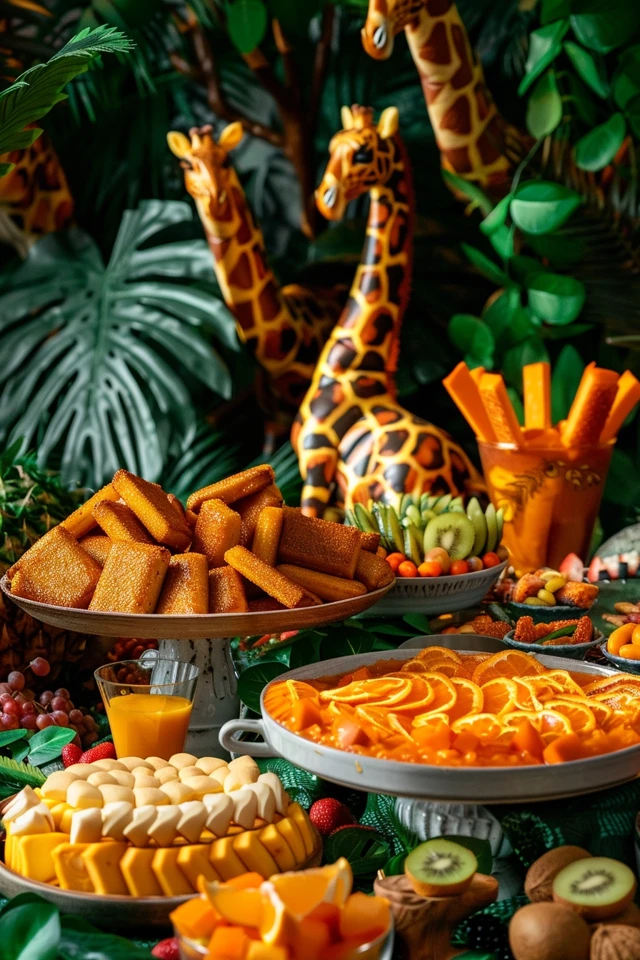
Safari Food Ideas: Tasty Snacks for Your Adventure
Bringing the spirit of a safari into your home or backyard is one of my favorite design challenges. It is about more than just animal prints; it is about capturing the texture, warmth, and raw beauty of nature. Whether you are hosting a movie night, a themed birthday, or a sophisticated dinner party, the food you serve sets the tone for the entire experience.
When I design outdoor living spaces or themed interiors, I always tell my clients that the menu is part of the decor. The colors of the spices, the texture of the serving platters, and the height of the displays contribute to the visual landscape. You want your guests to feel transported to a luxury lodge on the Serengeti, even if they are just in the suburbs.
I have compiled a list of snack ideas and styling tips that blend culinary taste with design aesthetics. For plenty of visual inspiration on how to style these snacks, make sure you check out the Picture Gallery at the end of this blog post.
1. The Art of the Safari Grazing Table
A grazing table is the centerpiece of any casual gathering. It serves as a focal point, much like a statement kitchen island in a home design. For a safari theme, you want to move away from delicate china and embrace rugged, natural materials.
Start with your base. I recommend using a large, live-edge acacia wood board or a slate slab. The dark, organic tones provide a perfect contrast to bright fruits and cheeses. If you are setting this up on a dining table, ensure you have a linen runner in a neutral tone like oatmeal or terracotta to anchor the setup.
The Savory Selection
- Biltong or Jerky: Lean into the theme with cured meats. Biltong is an authentic African snack that adds a rustic, high-protein element to your board.
- Marinated Olives: Choose a mix of green and kalamata olives. Their earth tones complement the wood serving board perfectly.
- Spiced Nuts: Roasted almonds or cashews dusted with paprika and cumin add texture and a warm, sunset-orange color pop.
- Artisanal Cheeses: Avoid processed squares. Go for wheels of brie or jagged chunks of aged cheddar to maintain an organic look.
Styling the Board
As a designer, I approach food plating with the same logic as arranging accessories on a bookshelf. You need balance, varied heights, and contrasting textures. Group items in odd numbers, as this is more pleasing to the human eye.
Do not lay everything flat. Use small wooden bowls to hold dips or nuts, creating elevation changes. Fill in the gaps with fresh rosemary sprigs or dried apricots. The goal is a look of abundance, mimicking the lushness of nature.
Designer’s Note:
One thing that often goes wrong with grazing tables is the “flat landscape” effect. If everything is at table level, it looks two-dimensional. I always use pedestal stands or overturned wooden crates under the board to add height. This draws the eye up and creates a more dynamic centerpiece.
2. Portable “Game Drive” Snack Packs
If you are planning a movie night or an actual outdoor picnic, individual portions are practical and stylish. In design, we call this “compartmentalization,” which helps maintain order in small spaces. It keeps the event sanitary and makes movement easier for guests.
Ditch the plastic sandwich bags. Visuals matter. Use brown kraft paper cones, small galvanized metal buckets, or reusable beeswax wraps. These materials align with the sustainable, earth-friendly ethos of a safari.
Snack Mix Ideas
- The Trailblazer Mix: Combine pretzel sticks, dark chocolate chips, dried cranberries, and pumpkin seeds. The mix of sweet and savory hits every craving.
- Savory Popcorn: Popcorn is a blank canvas. Season it with turmeric and black pepper for a golden hue and a kick of spice.
- Veggie Spears: Slice carrots, cucumbers, and bell peppers into long, thin spears. Serve them vertically in short mason jars with hummus at the bottom.
Practical Constraints
When designing for clients with kids or pets, I always consider durability. For these portable snacks, avoid glass containers if you are outdoors. High-quality melamine or bamboo fiber composites are excellent alternatives. They mimic the look of matte ceramic but won’t shatter if dropped on a patio paver.
Common Mistakes + Fixes:
- Mistake: Using flimsy paper plates that collapse under the weight of food.
- Fix: Use woven rattan paper plate holders or upgrade to rigid bamboo disposable plates. They look intentional and provide necessary structural support.
- Mistake: Forgetting waste management for individual wrappers.
- Fix: Place a woven seagrass basket lined with a bag near the seating area. It hides the trash while matching the decor.
3. The Watering Hole: Hydration with Style
In interior design, we often create “zones” within a room. Your beverage station should be a distinct zone, separate from the food. This prevents traffic jams and encourages circulation throughout the space.
For a safari theme, think “Sundowner” cocktails and refreshing mocktails. The aesthetic here is amber glass, condensation, and fresh garnishes.
Drink Concepts
- The Jungle Juice Mocktail: Mix orange juice, pineapple juice, and a splash of grenadine. The gradient of colors mimics an African sunset.
- Iced Rooibos Tea: This red tea is iconic to South Africa. Serve it ice-cold with lemon wheels and honey. It is naturally caffeine-free and has a beautiful deep amber color.
- Infused Water: Large glass dispensers filled with water, cucumber ribbons, and mint leaves look spa-like and inviting.
Glassware and Presentation
Standard clear glass is fine, but amber or green tinted glass adds instant character. If you are hosting outside, look for heavy-duty acrylic tumblers with a hammered texture. They catch the light beautifully, similar to crystal, but are safe for the pool deck.
What I’d Do in a Real Project
If I were styling a drink station for a client’s safari party, here is my checklist:
- Table: A vintage campaign desk or a folding wooden tray table.
- Linens: A khaki or olive green linen tablecloth, intentionally wrinkled for texture.
- Lighting: Two battery-operated hurricane lanterns flanking the drink dispenser.
- Garnish: A wooden bowl filled with whole citrus fruits (lemons, limes, oranges) purely for decoration.
4. Sweet Treats: Animal Prints and Earth Tones
Dessert is where you can have a bit of fun with the theme without it looking childish. The key to sophisticated design is subtlety. Instead of sticking cartoon lion faces on cupcakes, use color and pattern to suggest the theme abstractly.
Design-Forward Desserts
- Zebra Drizzle Pretzels: Dip pretzel rods in white chocolate and use dark chocolate to create rustic, uneven stripes. It reads as “zebra” without being a literal cartoon.
- Amarula Truffles: Use Amarula (a cream liqueur from the marula fruit) to flavor chocolate truffles. Roll them in cocoa powder for a dusty, earthen look.
- Coconut “Haystacks”: Macaroons look like miniature terrain features. Toasting the coconut gives them a golden, sun-baked appearance.
Displaying Sweets
Scale is critical here. If your savory board was large and flat, use a tiered stand for desserts. A three-tier stand made of galvanized metal or wood creates vertical interest.
If you are placing this on a coffee table, ensure the height doesn’t block the view of guests seated opposite each other. The rule of thumb is to keep centerpieces below 12 inches or above 24 inches to maintain sightlines.
5. Creating the Environment: Seating and Lighting
You cannot enjoy great food if you are uncomfortable. As a designer, ergonomics are always my priority. If you are planning a floor picnic or a low-table setup, you need to layer your textiles.
Rug and Cushion Logic
A single blanket on the grass is rarely comfortable for adults. Start with a waterproof base layer. Then, layer a large area rug on top. For a group of four to six people, an 8×10 rug is the minimum size I recommend. It ensures everyone can sit completely on the rug without hovering on the edge.
Add floor cushions for back support. Look for durable outdoor fabrics like Sunbrella in deep greens, creams, and charcoals. If you don’t have floor cushions, rolled-up towels in a wicker basket can serve as lumbar support or makeshift bolsters.
Atmospheric Lighting
Lighting changes the taste of the food—psychologically, at least. Harsh floodlights kill the mood. You want warm, low-level lighting.
- Kelvin Temperature: Aim for 2700K bulbs (warm white) if you are using electric lights.
- Lanterns: Place large lanterns on the ground around the perimeter of the dining area. This defines the space, acting like “walls” in an open-air room.
- String Lights: If you have trees or a pergola, drape bistro lights above. Ensure they are hung high enough (at least 7.5 feet) so tall guests don’t bump their heads.
Final Checklist for Your Safari Snack Setup
Before your guests arrive, run through this quick design and logistics check to ensure a smooth event.
- Flow: Is there at least 36 inches of walking space between the food table and the nearest seating?
- Height: Have you varied the height of your food platters using stands or crates?
- Texture: Do you have a mix of wood, metal, glass, and linen represented on the table?
- Lighting: Is the lighting dimmable or soft enough to create ambiance without making it hard to see the food?
- Trash: Is there a visible, accessible place for guests to discard napkins and skewers?
- Allergies: Have you labeled the nuts and gluten items? (Use small kraft paper tags tied with twine).
FAQs
How do I keep bugs away from the food outdoors?
This is a major concern for outdoor dining. I recommend using mesh food domes. You can find stylish bamboo or metal mesh covers that fit the safari aesthetic. Avoid the cheap white nylon ones. Additionally, placing a fan near the food table helps, as mosquitoes are weak fliers.
What is the best color palette for a safari theme?
Stick to earth tones. Use ochre, terracotta, sage green, charcoal, and cream. Avoid neon brights. If you want a pop of color, use it in the food itself (like red peppers or orange apricots) or in small accents like napkins.
Can I do this indoors if I don’t have a yard?
Absolutely. The design principles remain the same. Clear off your coffee table and use floor cushions to create a low dining experience. Use many houseplants (palms, fiddle leaf figs) to create a “jungle” backdrop behind the food station.
How much food should I prepare per person?
For a “heavy appetizers” or grazing situation, aim for about 12-15 bites per person per hour. If you are serving dinner later, 6-8 bites per person is sufficient. Always overestimate slightly; an empty board looks sad, while a full one looks generous.
Conclusion
Hosting a safari-themed gathering is a wonderful way to blend adventurous flavors with grounded, organic design. By focusing on natural materials, warm lighting, and thoughtful food presentation, you create an immersive experience for your guests.
Remember, the goal isn’t perfection; it is connection. A well-designed space and a well-curated menu are simply tools to help people relax and enjoy each other’s company. So, grab your acacia boards, light the lanterns, and enjoy the adventure right in your own home.
Picture Gallery


