
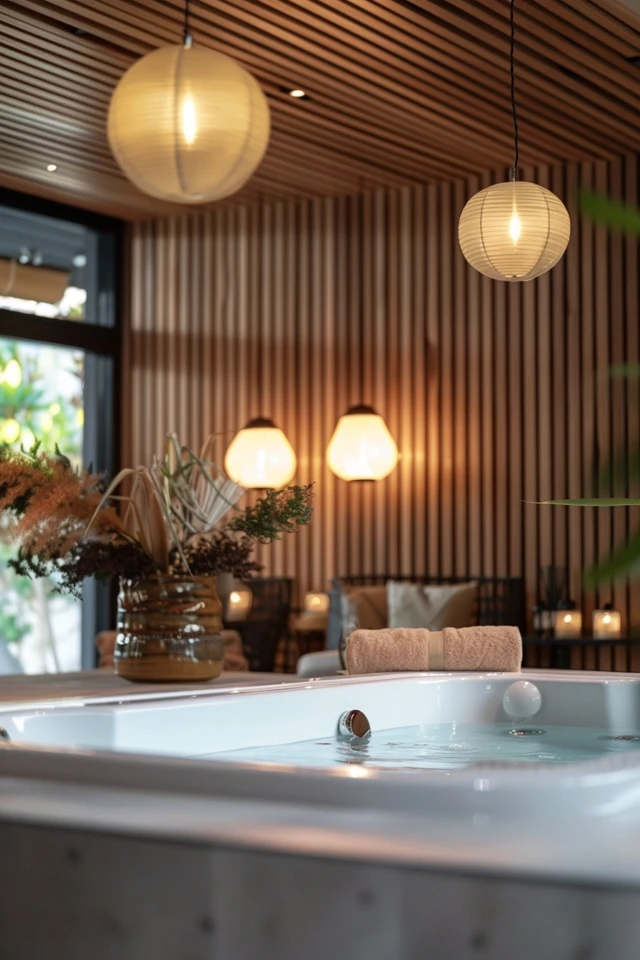
Serene Spa Decorating Ideas for Your Oasis
Introduction
We all crave that specific feeling of decompression that happens the moment you step into a luxury spa. The air feels lighter, the lighting softens your features, and the noise of the outside world simply falls away. But you should not have to book an expensive appointment to experience that level of tranquility.
I remember a specific client, Sarah, who called me in a panic because her master bathroom felt more like a chaotic subway station than a retreat. Between the harsh fluorescent lighting and the clutter of daily products, her morning routine was inducing stress rather than reducing it. By making strategic changes to the lighting temperature, introducing natural textures, and hiding the visual noise, we completely transformed how she started and ended her day. If you are looking for visual inspiration, don’t miss the curated Picture Gallery at the end of this blog post.
Creating a spa-like atmosphere at home is about engaging all five senses, not just buying white towels. It requires a careful balance of functional layout and soft, organic aesthetics. Whether you are gut-renovating a master suite or simply refreshing a rental powder room, the principles of serenity remain the same.
1. Establishing a Calming Palette and Material Selection
The foundation of any spa-inspired space is the color story. To achieve true serenity, you must reduce visual contrast. High-contrast colors, like black and white checkerboard, are classic but stimulating, whereas tonal palettes allow the eye to rest.
I generally recommend sticking to a monochromatic or analogous color scheme. Think warm greiges, soft sage greens, creamy whites, or pale sandy taus. If you love white, choose a warmer white with yellow or red undertones rather than a sterile, blue-based white.
Designer’s Note on Materials:
When selecting hard finishes, natural stone is the gold standard for spas. However, in a real home with toothpaste spills and hair dye, natural marble like Carrara requires vigilance. For high-traffic family bathrooms, I often specify high-quality porcelain tile that mimics the variation of limestone or travertine. It provides the organic look without the risk of etching.
When mixing materials, follow the rule of three. Pick three core materials and repeat them. For example, use a white oak wood for the vanity, a limestone-look porcelain for the floor, and a polished nickel for the hardware. Repeating these elements creates rhythm and calm.
Common Mistakes + Fixes:
Mistake: Using small, busy tiles on every surface.
Fix: Use large-format tiles (12×24 inches or larger) for the main floors and walls. Fewer grout lines equal less visual clutter. Save the small mosaics for the shower floor where you need the grip, or for a small accent niche.
2. Lighting: The Most Critical Element of Mood
If you only change one thing in your bathroom to make it feel like a spa, make it the lighting. Most builder-grade bathrooms suffer from “interrogation lighting”—a single, harsh overhead fixture that casts unflattering shadows.
To fix this, you need to layer your light. You want light coming from different directions and heights. We aim for three layers: ambient (overhead), task (vanity), and accent (mood).
Technical Rules for Spa Lighting:
- Color Temperature: This is non-negotiable. Ensure all your bulbs are between 2700K and 3000K. Anything above 3000K (like 4000K or 5000K) reads as blue daylight, which is great for offices but terrible for relaxation.
- Sconce Placement: For the best makeup and shaving light, place sconces at eye level, roughly 60 to 66 inches from the finished floor. If you place them above the mirror, you will get shadows under your eyes.
- Dimmers: Every light source needs a dimmer switch. Being able to lower the lights to 20% brightness while soaking in the tub is essential for that spa vibe.
What I’d Do in a Real Project:
If I am designing a renovation, I always add a small recessed light or a waterproof LED strip in the shower niche. Lighting the shower area specifically creates a focal point and makes the shower feel larger and more inviting. If you are renting, simply swapping your bulbs to 2700K and adding a small, moisture-safe battery-operated lamp to a shelf can work wonders.
3. Softening the Space with Textiles and Texture
Bathrooms are inherently full of cold, hard surfaces like glass, metal, and ceramic. To achieve a spa aesthetic, you must counterbalance this with softness. This is where textiles and wood elements come into play.
Start with your towels. In high-end hotels and spas, the standard is usually a towel with a GSM (grams per square meter) of 600 or higher. These are dense, absorbent, and feel substantial. I prefer solid white or neutral towels because they can be bleached, and they eliminate visual noise.
Rug Sizing and Placement:
Forget the tiny postage-stamp bath mat in front of the sink. If your floor plan allows, use a vintage-style runner or a longer woven rug. A runner draws the eye through the room and adds a layer of warmth.
- Rule of Thumb: Leave at least 4 to 6 inches of floor visible on all sides of the rug. It should not look like wall-to-wall carpeting.
- Safety Check: If you use a standard rug rather than a bath mat, use a high-quality rug pad underneath to prevent slipping, or use rug tape on the corners.
Window treatments are also vital. If you have a window, avoid cheap plastic blinds. Install a Roman shade in a linen fabric or a moisture-resistant woven wood shade. This adds organic texture at eye level and softens the acoustics of the room.
Real-World Constraints:
If you have children, white linen shower curtains might be a disaster. Look for polyester blends that mimic the look of linen but are machine washable. Hang the curtain rod as high as possible—closer to the ceiling than the top of the tub. This draws the eye up and makes the room feel taller and grander.
4. Decluttering and Functional Storage
You will never see a bottle of drugstore shampoo sitting on the edge of a tub in a luxury spa. Clutter is the enemy of calm. The reality of daily life, however, is that we have products we need to access.
The solution is “decanting” and “concealing.” I advise clients to buy refillable amber or clear glass pump bottles for shampoo, conditioner, and body wash. Uniform bottles instantly elevate the look of a shower niche.
Storage Solutions for Real Life:
- The Tray Trick: Corral loose items on a tray. A marble or teak tray on the vanity can hold your hand soap, lotion, and a small vase. Items contained on a tray look like a collection; items scattered on the counter look like a mess.
- Hidden Storage: Utilize vertical space. If you have a pedestal sink with no storage, install a recessed medicine cabinet or a floating shelf above the door for extra towels.
- Basketry: Use woven baskets (seagrass or hyacinth) to hold extra toilet paper or used towels. The texture of the basket warms up the tile floor.
Designer’s Note on Scale:
A common error is using storage containers that are too small. One large basket looks cleaner than three small ones. When styling shelves, group items in odd numbers (1, 3, or 5). Leave negative space between groups. If a shelf is packed edge-to-edge, it feels heavy and stressful.
5. Engaging the Senses: Scent and Nature
Biophilic design—the concept of connecting indoor spaces with nature—is a cornerstone of spa design. Plants breathe life into a sterile bathroom. They soften corners and improve air quality.
Best Plants for Bathrooms:
- Snake Plant: Indestructible and tolerates low light.
- Pothos: Great for trailing off a high shelf.
- Fresh Eucalyptus: Hang a bundle from your shower head. The steam releases the oils, creating a natural aromatherapy steam room experience. Replace this monthly.
Scent is the strongest link to memory and emotion. Define a “signature scent” for your bathroom. Lavender, eucalyptus, and sandalwood are traditional spa scents because they lower heart rates.
Avoid aerosol air fresheners. Instead, use a reed diffuser for consistent, subtle background scent, and a soy-based candle for when you are actually using the bath.
Sound and Accessories:
If you are renovating, consider installing a Bluetooth speaker in the ceiling fan or vanity. If not, a small, waterproof portable speaker hidden behind a plant can play a relaxing playlist.
Finally, add a bathtub tray. A natural wood tray across the tub serves a functional purpose for your book or tea, but visually, it signals to your brain that this bathtub is for leisure, not just washing.
Final Checklist: The “What I’d Do” Summary
If I were walking into your home today to give your bathroom a spa makeover, here is the exact checklist I would follow, in order of priority:
1. Purge and Decant: Remove everything from surfaces. Throw away expired products. Decant daily liquids into matching pump bottles.
2. Fix the Lighting: Replace all bulbs with 2700K or 3000K LEDs. Install a dimmer switch on the main switch leg.
3. Add Softness: Replace the small bath mat with a larger runner rug. Upgrade towels to fluffy white cotton.
4. Introduce Nature: Buy one real plant (or a very high-quality faux one if you have zero light). Hang eucalyptus in the shower.
5. Accessory Stylizing: Place a wooden tray on the vanity. Group hand soap and lotion together.
6. Scent Layering: Place a reed diffuser on a shelf or the back of the toilet tank.
FAQs
What if my bathroom is extremely small?
In a small bathroom, keep the floor as clear as possible. Use a wall-mounted vanity or a pedestal sink to show more floor tile, which tricks the eye into thinking the room is bigger. Use a large mirror that goes all the way to the ceiling to bounce light around. Keep colors light and monochromatic to blur the lines between corners.
Can I get a spa look on a strict budget?
Absolutely. The biggest impact for the lowest cost comes from paint and lighting. deeply cleaning the grout (or using a grout refresh pen) costs less than $20 but makes the room feel brand new. Swapping out cabinet hardware for a modern matte black or brushed brass is also a low-cost, high-impact update.
How do I mix metals in a spa bathroom?
I recommend sticking to two metals max. A classic spa combination is Polished Nickel (which has a warm, champagne undertone) mixed with Matte Black accents. Chrome is okay, but it can feel a bit cold; Polished Nickel feels more luxurious. Ensure your plumbing fixtures match (all faucets the same), and use the second metal for mirrors, lighting, or cabinet pulls.
Is wallpaper appropriate for a humid bathroom?
Yes, but be careful. In a powder room with no shower, standard wallpaper is fine. In a full bathroom with a shower, use “vinyl” or “non-woven” wallpaper that is breathable and wipeable. Avoid grasscloth in a full bath, as the humidity can cause it to rot or smell over time. Ensure your ventilation fan is working perfectly before investing in wallpaper.
Conclusion
Creating a serene spa oasis in your own home is not about chasing the latest trends or buying the most expensive marble. It is about intentionally curating an environment that prioritizes your well-being. By controlling the lighting, reducing visual noise, and introducing organic textures, you can turn even the most basic bathroom into a sanctuary.
Remember that design is iterative. Start with the decluttering and lighting adjustments, and layer in the textiles and accessories as your budget allows. Your home should be the place where you recharge, and a well-designed bathroom is the perfect place to start that process.
Picture Gallery


