
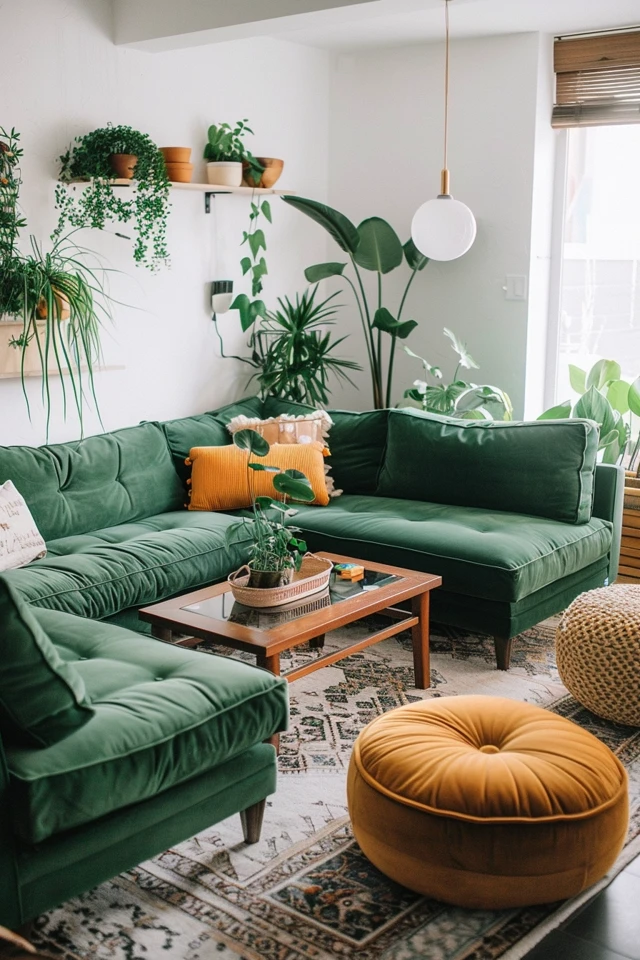
Small Living Room Playroom Combo Ideas Unveiled
Blending a relaxing adult lounge with a chaotic explosion of colorful toys is one of the toughest challenges in residential design. You want a space where you can unwind with a glass of wine, but your reality involves tripping over plastic blocks and staring at piles of stuffed animals. If you are looking for visual inspiration, you can find a curated Picture Gallery at the end of this blog post to help you visualize these concepts.
The secret to a successful combo room isn’t just about hiding things; it is about strategic integration. In a small footprint, every square inch needs to justify its existence. You cannot afford “dead zones” or furniture that only serves one purpose.
I approach these projects by focusing on “zones” rather than rigid rooms. We will look at how to use layout, scale, and material durability to create a space that serves everyone. Let’s reclaim your living room without banning the kids.
1. Strategic Layouts: Defining Zones Without Walls
In a small living room, your furniture arrangement is the primary architecture. You likely do not have the luxury of spare corners, so the layout must dictate traffic flow. The goal is to create a “play zone” that feels distinct from the “lounge zone,” even if they are only inches apart.
The most effective trick I use in small rectangular rooms is the “floating sofa.” Instead of pushing your sofa against the back wall, pull it forward into the room. This creates a dedicated walkway behind the sofa, or if space allows, a designated play nook.
If you have at least 4 to 5 feet behind the sofa, this is prime real estate for low shelving or a play mat. The back of the sofa acts as a visual barrier. When you are sitting down, you cannot see the mess on the floor behind you.
Designer’s Note: The Walkway Rule
One of the biggest mistakes DIYers make is crowding the room. In design school, we learn strictly about anthropometrics—the measurements of the human body in motion. You need a minimum of 30 inches (though 36 is better) for a main walkway.
If your furniture layout forces you to turn sideways to squeeze past a chair, the room will feel stressful regardless of how tidy it is. Prioritize flow over massive furniture pieces.
Defining the Space with Rugs
Rugs are the best way to define zones without physical barriers. In a combo room, I often use two distinct rugs to signal different functions.
- The Lounge Rug: Use a large area rug to anchor the sofa and coffee table. Ensure the front legs of the sofa sit on the rug to ground the space.
- The Play Rug: Use a smaller, softer rug or a stylish foam play mat in the play corner. This visual cue tells children, “This is where the toys live.”
Common Mistakes + Fixes: Layout Edition
Mistake: Pushing all furniture against the walls to create a “big open space” in the middle.
Why it fails: This creates a “dance hall” effect where conversation is difficult, and toys inevitably migrate to the center of the room, taking over everything.
The Fix: Pull seating closer together (conversational distance is 4 to 8 feet). Leave the perimeter open for toy storage or play kitchens.
2. Storage Solutions That Don’t Look Like Daycare
Storage is the lifeline of a small living room playroom combo. However, the aesthetic should remain “living room,” not “preschool.” The key is closed storage that mimics high-end cabinetry or furniture.
I always recommend “double-duty” furniture. In a small space, an ottoman shouldn’t just be for your feet; it must contain storage. A media console shouldn’t just hold the TV; it needs to house board games and art supplies.
The Low Credenza Strategy
Low, long sideboards are my favorite weapon in these spaces. They provide a surface for adult decor (lamps, books, plants) while keeping toys accessible to little hands below.
Look for units with solid doors rather than glass. Glass doors require you to keep the interior organized constantly. Solid doors allow you to use bins to categorize toys, and you can close the door on the mess at the end of the day.
Vertical Storage vs. Floor Space
When floor space is tight, go vertical. However, you must be careful about safety and accessibility.
- 0–30 inches from floor: This is the “Kid Zone.” Use open baskets or low shelves for heavy items like blocks or favorite books.
- 30–60 inches from floor: This is the “Adult Display/Safety Zone.” Keep breakables, plants, and messy art supplies (markers, glue) here.
- 60+ inches from floor: This is for long-term storage or decorative items that draw the eye up, making the room feel taller.
Designer’s Note: The Basket Logic
Do not buy one giant toy chest. Large toy chests become black holes where small pieces get lost at the bottom. Instead, use several smaller, uniform baskets or bins.
I prefer woven baskets or felt bins over clear plastic. Natural textures like seagrass, jute, or cotton rope soften the room and hide the bright colors of the plastic toys inside.
3. Selecting Kid-Proof but Stylish Materials
If you are renovating or buying new furniture, durability is just as important as aesthetics. A small room sees more wear and tear per square foot than a large home.
You need fabrics that can withstand sticky fingers, milk spills, and the occasional crayon incident. Fortunately, fabric technology has come a long way. You no longer need to wrap everything in plastic.
Performance Fabrics
When selecting a sofa or armchair, look for “performance” fabrics. These are textiles treated to resist stains and repel liquids.
- Crypton: This is the gold standard. It is antimicrobial, stain-resistant, and odor-resistant. Liquids bead up on the surface.
- Performance Velvet: Surprisingly durable. It is tightly woven, so cat claws and zippers don’t snag it easily. Most spills wipe right off.
- Slipcovers: For ultimate peace of mind, a removable, washable slipcover is unbeatable. Look for heavy-weight cotton or linen blends.
The Coffee Table Conundrum
In a small combo room, the coffee table is a hazard. Sharp corners and toddlers do not mix. Furthermore, a heavy stone or glass table is dangerous if climbed on.
I almost always swap the traditional coffee table for a large, round upholstered ottoman or two smaller nesting tables.
Why an Ottoman?
- Safety: No sharp corners.
- Function: It doubles as extra seating when adults come over.
- Utility: You can place a wooden tray on top for drinks. Remove the tray, and it becomes a soft surface for kids to play on.
Common Mistakes + Fixes: Materials Edition
Mistake: Buying a high-pile shag rug or a jute rug.
Why it fails: Shag rugs hide Lego pieces (painful!) and are impossible to vacuum clean of crumbs. Jute is scratchy on little knees and sheds fibers.
The Fix: Choose a low-pile wool rug or a high-quality vintage-style printed rug. Wool creates a natural barrier against liquids and cleans easily. It is soft but flat enough for building blocks.
4. Lighting and Color Cohesion
Lighting sets the mood. During the day, you want the room bright and energetic for play. At night, you want to dim the lights to signal that the “playroom” is closed and the “lounge” is open.
In small spaces, relying on a single overhead light is a mistake. It casts harsh shadows and makes the room feel smaller. You need layers of light.
Layering Light Sources
- Ambient Light: This is your main overhead fixture. Use a dimmer switch. This is non-negotiable for changing the room’s function from day to night.
- Task Light: Use floor lamps behind the sofa or table lamps on the credenza. This provides focused light for reading or working after the kids are asleep.
- Accent Light: Consider LED strip lighting inside bookshelves or picture lights above art. This adds depth and sophistication, drawing the eye away from floor clutter.
Color Palette Strategy
Kids’ toys are naturally brightly colored. If you paint your walls bright yellow, the room will feel chaotic.
I recommend a neutral backdrop for the major elements (walls, sofa, large rug). Think warm whites, greys, taupes, or earthy greens. This neutral shell absorbs the visual noise of the toys.
You can then bring in color through throw pillows, art, and the toys themselves. When the toys are put away, the room returns to a calm, neutral state.
Designer’s Note: Visual Clutter
To make a small room feel bigger, match your curtain color to your wall color. This reduces visual contrast and makes the walls appear seamless and wider.
Hang curtains high—as close to the ceiling as possible. This draws the eye upward and emphasizes vertical height, which is crucial in small spaces.
5. The “Quick Clean-Up” Infrastructure
Design is not just about how things look; it is about how they function. A small living room playroom combo fails if it takes 45 minutes to clean up.
You need a system that allows for a “5-minute reset.” If it is too hard to put away, it won’t get put away.
The “Dump Zone”
Designate one large, attractive basket as the “catch-all” for the end of the day. This is for the random items that don’t have a specific home or for a quick sweep before guests arrive.
Rotating Toys
In a small space, you cannot have all the toys out at once. It creates sensory overload for the child and clutter for you.
Implement a toy rotation system. Keep 70% of the toys in a closet or under a bed in another room. Keep only 30% in the living room. Every few weeks, swap them out. This keeps the kids engaged (old toys feel new again) and keeps the volume of stuff manageable.
Common Mistakes + Fixes: Organization Edition
Mistake: Stacking bins with lids on top of each other.
Why it fails: To get to the bottom bin, a child has to remove the top two. They won’t do this. They will knock them over.
The Fix: Use drawers or open bins on shelves. Everything must be accessible with one motion.
Final Checklist: What I’d Do in a Real Project
If I were hired to design a 12×14 living room/playroom combo tomorrow, here is exactly what I would specify to ensure success:
1. Audit the Inventory: I would force a declutter. Broken toys go. Outgrown toys are donated. We only store what is currently used.
2. Establish the Layout: I would float the sofa 4 feet off the back wall (if possible) to create a play tunnel or reading nook behind it.
3. Secure the Rug: I would install a 9×12 wool rug (low pile) with a high-quality felt rug pad. The pad adds comfort for floor play without the bulk of a shag rug.
4. Install Storage Wall: I would source a wall-mounted media unit or low credenzas spanning the entire length of one wall. This elongates the room and maximizes storage.
5. Soft Edges: I would choose a round, leather or performance fabric ottoman instead of a wood coffee table.
6. Lighting Upgrade: I would install a dimmer on the main switch and add two sconces or floor lamps for evening ambiance.
7. Safety Check: I would anchor every single piece of case goods (bookshelves, dressers, TV stands) to the wall. In a small room, climbing hazards are real.
FAQs
How do I stop toys from taking over the coffee table?
The best defense is a good offense. Provide a better surface for play. If kids play on the coffee table, it is likely because the floor is uncomfortable or they want a flat surface. A low play table tucked behind the sofa or a specialized “train table” with storage underneath can divert traffic. Also, use a coffee table tray. Teach the habit that the tray is for adult things, and the rest is fair game, or vice versa.
Can I use a white sofa with kids?
Yes, but only if it is the right material. White denim or canvas slipcovers are great because you can bleach them. White performance velvet is also an option. However, avoiding white linen or textured weaves that trap dirt is wise. If you are nervous, opt for a light grey or “greige” which hides minor spots better than pure white.
What if I rent and can’t mount shelves?
Use heavy, standalone bookcases, but ensure they are weighted at the bottom. Use tension rods in alcoves to hang curtains to hide open shelving. You can also use “ladder shelves” which lean against the wall and take up less visual space than boxy bookcases.
How much space do I need between the sofa and the TV?
For a standard living room, you want the TV viewing distance to be about 1.5 to 2.5 times the diagonal width of the screen. For a 55-inch TV, that is roughly 7 to 11 feet. In a combo room, try to keep this area clear of permanent obstacles so it can double as a play area during the day.
Conclusion
Creating a small living room playroom combo does not mean sacrificing your personal style. It requires a shift in perspective. You are not losing your adult space; you are creating a multi-functional home that reflects the current season of your life.
By focusing on smart layouts, vertical storage, and durable materials, you can build a room that handles Lego towers at 2 PM and cocktail hour at 8 PM. It is about hiding the clutter, softening the edges, and maintaining a cohesive color palette.
Your home should serve you, not stress you out. With these changes, you can reclaim your square footage and enjoy the best of both worlds.
Picture Gallery


