
Small Man Caves Ideas – Maximize Your Space!
Every home needs a sanctuary, but not everyone has a sprawling basement or a three-car garage to dedicate to leisure. The reality for most homeowners and renters is that personal space comes at a premium. You might be looking at a spare bedroom, a unused walk-in closet, or a corner of a home office to claim as your own.
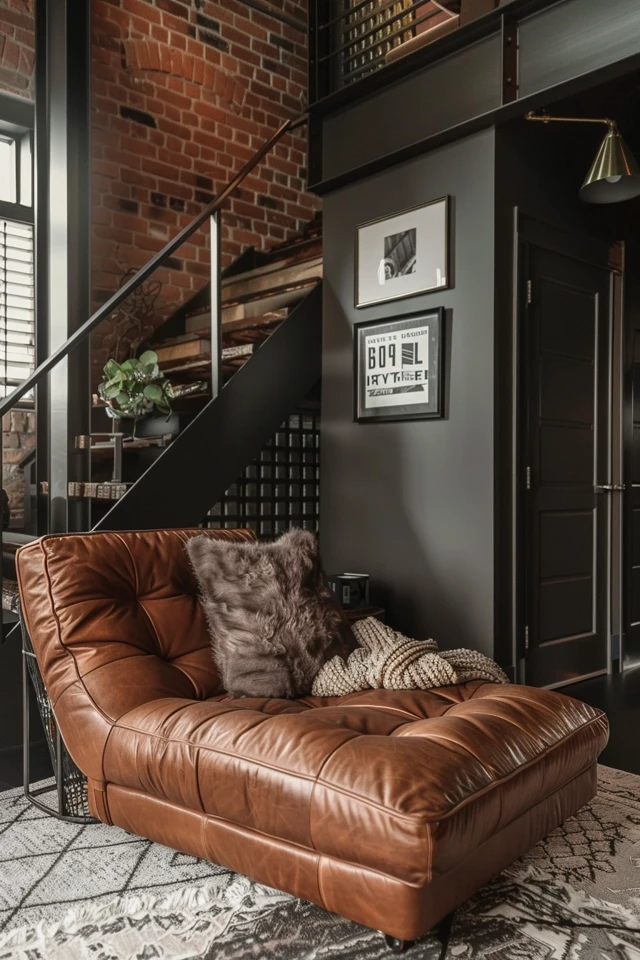
Designing a small man cave is actually an exciting challenge because constraints force creativity. When you don’t have thousands of square feet, every inch must serve a purpose, and the result is often a tighter, cozier, and more cohesive design than a large, empty hall. For visual inspiration on how to execute these concepts, check out the Picture Gallery at the end of the blog post.
I have designed high-end lounges and compact media rooms for years, and the principles remain the same regardless of size. It comes down to scale, lighting, and ruthless editing of your furniture choices. Let’s dive into how you can turn that cramped corner into the ultimate retreat.
1. Mastering Scale and Layout Mechanics
The biggest error in small room design is selecting furniture that is simply too large for the footprint. In a small man cave, “overstuffed” translates immediately to “claustrophobic.” You need to respect the traffic flow and the visual weight of your items.
Start by measuring your room and sketching a floor plan. You need a minimum walkway width of 30 inches to move comfortably between furniture pieces. If you are extremely tight on space, you can cheat this down to 24 inches, but anything less will feel like an obstacle course.
When selecting seating, opt for “apartment scale” or sleek mid-century modern profiles. A standard recliner requires significant clearance behind it to function. Instead, look for wall-hugger recliners or a deep armchair with a separate ottoman. This gives you the flexibility to move the ottoman when you have guests or need more floor space.
Television placement is critical in a small room. The rule of thumb for 4K TVs is that your viewing distance should be roughly 1.5 times the vertical screen size of the TV. If you are sitting 6 feet (72 inches) away, a 55-inch or 65-inch TV provides an immersive experience without causing eye strain. Mounting the TV is non-negotiable in small spaces; it frees up the surface area of your media console for necessary equipment or decor.
2. The Art of Vertical Storage and Organization
In a compact man cave, floor space is gold. If you clutter the floor with bookshelves, cabinets, and side tables, the room will shrink instantly. The solution is to utilize your vertical real estate.
Floating shelves are your best friend. They draw the eye upward, making the ceiling feel higher, and they provide storage without a footprint. Use them to display collectibles, liquor bottles, or books. Ensure you use proper anchors; I always recommend screwing into studs for anything holding substantial weight.
Consider “hidden” storage to keep the visual noise down. Visual noise refers to the clutter that your eye has to process. Use an ottoman that opens up to store gaming controllers, blankets, or magazines. If you have a desk, ensure it has drawers.
If you are building a bar area, avoid a large floor-standing bar unit. Instead, install a wall-mounted drop-leaf table or a shallow console table behind the sofa. You can tuck stools underneath it when they aren’t in use. This maintains open circulation paths while providing a functional surface for drinks.
3. Lighting: Setting the Mood Without Floor Lamps
Lighting can make or break a small space. A single overhead ceiling fan light is generally the worst option for a man cave. It flattens the room and creates harsh shadows. You want to create layers of light that define different zones.
Since floor space is limited, minimize the use of tripod floor lamps. Instead, use wall sconces. Plug-in sconces are excellent if you are renting or don’t want to hire an electrician. Place them on either side of the TV or behind the seating area to create a warm wash of light.
LED strip lighting is a staple for modern man caves, but it must be used with restraint. Avoid exposed strips where you can see the individual diodes. Place them behind your TV for bias lighting, which reduces eye strain and increases perceived contrast on the screen. You can also run them under shelves or along the toe-kick of cabinetry for a high-end, custom look.
Pay attention to color temperature. For a relaxation space, aim for 2700K to 3000K (warm white). Avoid 5000K (daylight) bulbs unless this is a workshop for detailed repairs; otherwise, it will feel like a sterile dentist’s office rather than a lounge.
4. Materiality and Acoustics
Small rooms often suffer from poor acoustics. Hard surfaces bounce sound around, creating echoes that ruin the audio quality of movies or games. Since you likely don’t have room for massive acoustic panels, you need to integrate sound absorption into your decor.
Start with a thick rug. In a small room, size the rug so that it sits about 6 to 10 inches off the walls. This “border” of flooring makes the room look intentional and designed. The rug will absorb a significant amount of sound.
Window treatments also play a huge role. Heavy velvet or thick linen blackout curtains add a sense of luxury and help dampen sound. Install the curtain rod as high as possible—closer to the ceiling than the window frame. This visual trick elongates the walls, making the room feel taller.
For furniture materials, leather is a classic man cave choice for a reason. It is durable, ages well, and is easy to clean. However, leather is reflective for sound. If you choose a leather sofa, balance it with fabric throw pillows and a fabric ottoman to help soften the acoustics.
5. Defining the Theme: The “One Thing” Rule
In a large basement, you can have a bar zone, a theater zone, and a poker zone. In a small room, you must pick one primary function. Trying to jam three different hobbies into a 10×10 room results in a space that does nothing well.
If you are a gamer, center the room around the desk or console setup. Invest in an ergonomic chair and cable management. If you are a movie buff, the sofa and TV are the heroes; skip the desk entirely. If it’s a reading and whiskey lounge, two armchairs and a small side table are all you need.
For paint, don’t be afraid of dark colors. There is a common myth that small rooms must be painted white to look big. In reality, painting a small room a dark charcoal, navy, or forest green can blur the corners and shadows. This creates a “jewel box” effect that feels cozy and infinite rather than cramped and small. Painting the ceiling the same color as the walls can further enhance this enveloping feel.
Designer’s Note: The Reality of Small Spaces
Here is a lesson I learned the hard way early in my career: Comfort requires clearance.
I once designed a compact media room for a client and tried to squeeze in a sectional sofa that fit “technically” on paper. However, once it was in the room, it visually swallowed the space. The client had to shimmy sideways to get to the window. It looked terrible and felt worse.
We swapped it out for a sleek sofa with raised legs. Being able to see the floor underneath the furniture tricks the brain into thinking the room is larger. If you can see the floor extend under the sofa, the room feels wider. Never sacrifice flow for an extra seat cushion.
Common Mistakes + Fixes
Mistake: Pushing all furniture against the walls.
Fix: This creates a weird “dance floor” in the middle of a small room. Pull your chair or sofa even just 3 inches off the wall. It creates shadows and depth.
Mistake: Using too many small decor items.
Fix: A hundred tiny action figures or trophies look like clutter. Group small items into collections on a tray, or buy fewer, larger statement pieces (like one large piece of art instead of a gallery wall of 20 small photos).
Mistake: Ignoring cable management.
Fix: In a small space, messy wires are highly visible. Use velcro ties, cable raceways painted to match the wall color, and neoprene sleeves to bundle cords together.
What I’d Do in a Real Project: Mini Checklist
If I were hired to transform a 10×12 spare room into a man cave today, this is the exact workflow I would follow:
- Step 1: Determine the “Hero.” I would ask the client for the single most important activity (e.g., watching sports). The layout revolves around the screen and the best seat in the house.
- Step 2: Paint it Dark. I would likely select a color like Hale Navy or Iron Ore. I would paint the baseboards, walls, and ceiling the same color to unify the space and hide architectural flaws.
- Step 3: Lighting Plan. I would install dimmer switches on everything. I’d add two wall sconces and one high-quality LED strip behind the TV console.
- Step 4: The Rug. I would source a low-pile wool rug that leaves exactly 8 inches of bare floor around the perimeter.
- Step 5: Furniture Selection. I would choose a cognac leather sofa with narrow arms (to maximize seating width) and raised black metal legs.
Final Checklist
Before you buy your first piece of furniture, run through this list to ensure your small man cave will function correctly.
- Have you measured the entry door width? (Will the sofa actually fit through the door?)
- Is there access to power outlets near where the tech will go?
- Have you selected a primary focal point (TV, art, view)?
- Is there storage planned for items that shouldn’t be on display?
- Does the layout allow for a minimum 24-30 inch walkway?
- Have you considered window glare on screens?
- Is the furniture scaled for an apartment/small room?
FAQs
Can I put a bar in a small man cave?
Yes, but scale it down. Instead of a wet bar with a sink, use a bar cart or a vintage cabinet. These hold your glassware and bottles effectively without requiring plumbing or taking up 20 square feet of space.
What is the best flooring for a man cave?
Luxury Vinyl Plank (LVP) is often the best choice. It is incredibly durable, waterproof (good for spilled drinks), and looks like real wood. It is also thinner than hardwood, which helps if ceiling height is an issue. Always pair it with a rug for acoustic control.
How do I make a windowless room feel comfortable?
If you are in a basement or a large closet, lighting is everything. You need ambient light to replace natural light. Use lamps with warm bulbs (2700K). Mirrors can also help; placing a large mirror on a wall can simulate a window and add depth to the room.
Should I use a projector or a TV in a small room?
Generally, a TV is better for small spaces. Projectors require a specific “throw distance” to create a large image, and they often generate heat and fan noise. A 65-inch OLED TV produces a better picture, generates less heat, and works better in rooms that aren’t pitch black.
Conclusion
Creating a man cave in a small space doesn’t mean you have to sacrifice style or comfort. In fact, the limitations of a spare room or a nook often lead to the most character-filled designs. By focusing on the scale of your furniture, controlling the lighting, and being disciplined about clutter, you can build a retreat that rivals any sprawling basement.
Remember that this space is for you. Whether you want a high-tech gaming bunker or a quiet library for reading, the key is to commit to that function and design around it. Use the vertical space, keep the floor visible, and invest in quality pieces that stand the test of time.
Picture Gallery


