
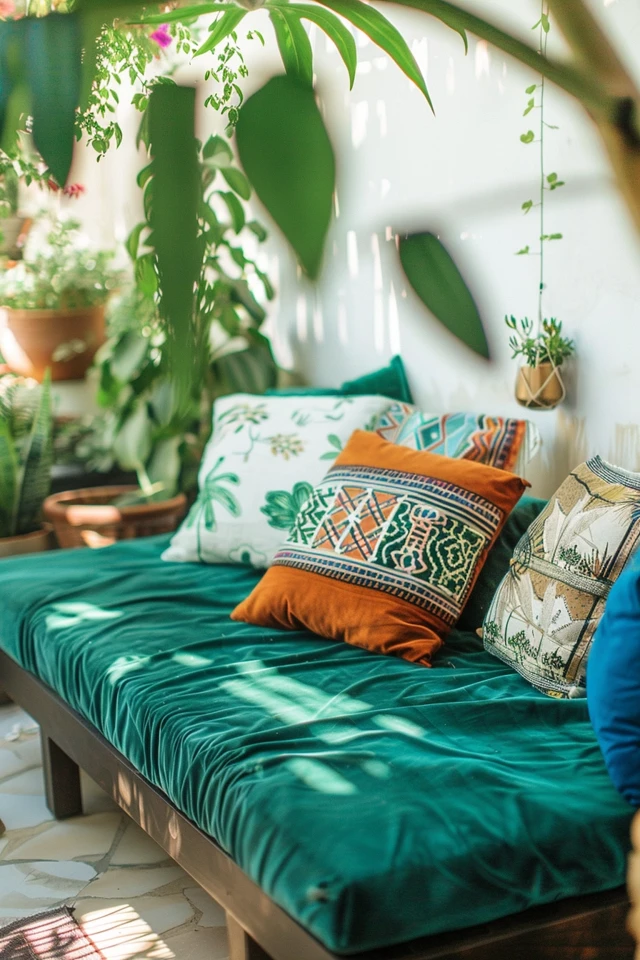
Small Space Haven: Daybed Ideas for Small Spaces
There is a distinct challenge that comes with designing a small room that needs to function as two things at once. Perhaps you are wrestling with a home office that needs to double as a guest room, or maybe you are living in a studio apartment where your bedroom is also your living room. In these scenarios, a standard sofa often isn’t comfortable enough for sleeping, and a regular bed takes up too much visual real estate to feel social.
Enter the daybed. This piece of furniture is the ultimate chameleon of interior design. When executed correctly, a daybed creates a sophisticated lounge area by day and a proper sleeping quarter by night. It bridges the gap between structure and softness, allowing you to reclaim square footage without sacrificing comfort. However, styling a daybed so it doesn’t just look like a twin bed pushed against a wall requires specific design strategies.
In this guide, we will walk through the technical and aesthetic rules for integrating a daybed into a small footprint. To see visual examples of these layouts, check out the Picture Gallery at the end of the blog post. We will cover everything from determining the correct scale for your room to selecting the right mattress height for seating comfort.
1. Defining the Function: Zoning Your Small Space
Before we start measuring walls, we have to define exactly how this daybed will be used. In my design projects, I often see clients unhappy with their furniture choices because they bought for the aesthetic rather than the primary function. A daybed in a high-traffic TV room needs different specifications than a daybed in a rarely used guest library.
If the piece is primarily for lounging and watching movies, you need a frame with upholstered sides and a back. You want a “nest” feeling. If you purchase a metal or wood frame with hard spindles, you will constantly be fighting to get comfortable against the hard surface. For these rooms, I always recommend an upholstered corner daybed or a frame with a high back rail.
Conversely, if the room is a home office that only hosts a guest twice a year, a backless daybed (often called a chaise daybed) is a smarter choice. It keeps the sightlines open. Without a heavy backrest, the room feels airier and larger. You can float a backless daybed in the center of a room or place it under a window without blocking the light.
Designer’s Note: The “College Dorm” Effect
The biggest risk with daybeds is creating a setup that looks like a college dorm room. This usually happens when the daybed is just a standard twin bed frame pushed into a corner. To avoid this, you must treat the daybed as a sofa first. This means investing in a dedicated daybed frame or building a custom surround that encloses the mattress on three sides. Structure is what separates a daybed from a bed.
2. Layouts and Measurements: The Rules of Thumb
In a small space, inches matter. A standard twin mattress is roughly 38 inches wide by 75 inches long. While this sounds small compared to a Queen bed, it is actually quite deep for a sofa. A standard sofa seat depth is usually between 22 and 24 inches. This discrepancy is where most DIY designs fail.
When you sit on a daybed that is 38 inches deep, your legs will stick straight out, or you will slouch uncomfortably. To fix this, you must plan for a heavy layer of back pillows. I usually calculate that the pillows will take up 8 to 10 inches of depth. This brings the usable seating depth down to a comfortable 28 to 30 inches, perfect for lounging.
Clearance and Flow
- Walkways: You need a minimum of 30 inches of walking space between the daybed and any coffee table or desk. In tight quarters, 24 inches is the absolute bare minimum, but it will feel tight.
- Rug Sizing: A common mistake is using a small 5×7 rug in front of a daybed. This creates a “floating island” look that shrinks the room. For a standard 75-inch long daybed, aim for a 6×9 or an 8×10 rug.
- Placement: Place the front legs of the daybed on the rug. If possible, having all four legs on the rug is even better for grounding the space.
Common Mistakes + Fixes
Mistake: Blocking the swing of a door or drawer.
Fix: If your daybed has a trundle drawer that pulls out, you need at least 40 inches of clearance in front of it. I have seen many rooms where the trundle hits the rug pile or the coffee table, rendering it useless. Always measure the pull-out distance before buying.
3. Mattress Selection and Seat Height
Comfort is purely a numbers game. The most critical measurement for a functional daybed is the “finished seat height.” This is the distance from the floor to the top of the mattress.
A standard dining chair is about 18 to 19 inches high. A comfortable sofa is usually 17 to 20 inches high. If your daybed frame is 14 inches high and you add a standard 10-inch mattress, your seat height is 24 inches. This is too high for most people to sit comfortably; their feet will dangle, creating a “princess and the pea” effect.
The Formula for Success
I recommend aiming for a finished seat height of 18 to 20 inches. If your frame has a platform height of 12 inches, choose a mattress that is 6 to 8 inches thick. If you have a low-profile frame (around 8 inches), you can get away with a thicker 10 to 12-inch mattress.
Mattress Type Matters
- For Daily Sitting: Avoid memory foam that is too soft. You will sink in, making it hard to get up. A hybrid mattress with pocketed coils or a high-density firm foam is best. It holds its shape (the “square edge”) better than soft foam, which tends to round off and look sloppy over time.
- For Daily Sleeping: If this is your main bed, prioritize a 10-inch hybrid mattress. You may need a lower frame to accommodate this thickness without making the seat too high.
4. Styling Tricks for Visual Depth
Styling is what disguises the mattress and turns it into a piece of furniture. The goal is to hide the “bed” aspect until it is time to sleep. We do this through layering and strategic textile choices.
The Bolster Technique
The most professional way to style a daybed is with bolsters. I often commission a long, single cylindrical bolster that spans the entire length of the back (75 inches). This mimics the back of a sofa. Alternatively, two 36-inch bolsters placed side-by-side work beautifully.
If you cannot do custom upholstery, use three Euro shams (26×26 inches) across the back. These are tall enough to cover the expanse of wall and provide genuine back support. Place two standard sleeping pillows in front of them (in decorative shams, not sleeping pillowcases), and finish with a lumbar pillow in the center.
Fabric Durability
Since you will be sitting, eating, and perhaps working on this daybed, the fabric needs to be robust.
- Performance Velvet: My top choice for small spaces. It reflects light, which helps the room feel larger, and it is incredibly easy to clean.
- Crypton or Sunbrella: If you have pets or children, look for these performance fabrics. They resist staining and pilling.
- Avoid Linen: While beautiful, linen stretches and wrinkles instantly. On a daybed where people scoot and slide, linen will look messy within ten minutes.
What I’d Do in a Real Project
If the daybed is against a wall, I would install two wall sconces above it rather than using floor lamps. In a small space, floor space is gold. Sconces draw the eye up, increasing the perceived ceiling height, and keep the floor clear for the rug and traffic flow.
5. Storage and Multi-Functional Hacks
In a small space, furniture without storage is a missed opportunity. However, visually heavy furniture can make a room feel boxy. You have to find the balance between storage volume and visual lightness.
The Hydraulic Lift vs. Drawers
Many modern daybeds now come with hydraulic lifts, allowing you to access the entire space under the mattress. This is superior to drawers for storing large items like off-season duvets or suitcases. If you choose drawers, ensure they are on wheels (casters) rather than gliders, as daybed drawers can get very heavy when filled with books or linens.
The Pop-Up Trundle
For guest rooms, the “pop-up” trundle is a game changer. Unlike a standard trundle that stays on the floor, a pop-up trundle has a mechanism that lifts the second mattress to the same height as the main daybed. This effectively creates a King-sized bed for couples.
Caution: If you choose a pop-up trundle, you must use two mattresses of the exact same thickness. If the top mattress is 10 inches and the trundle mattress is 6 inches, you will have an uneven sleeping surface.
Visual Weight Hacks
If the room is incredibly small (under 100 square feet), consider a daybed with tall, slender legs rather than a solid box base. Seeing the floor continue underneath the furniture tricks the brain into thinking the room is larger than it is. If you need storage, use attractive baskets underneath rather than built-in drawers to maintain that airy feel.
Final Checklist: Designing Your Daybed Nook
Before you purchase anything, run through this checklist to ensure your small space can handle the layout.
- Measure the “Open” State: If you have a trundle, have you measured the room with the trundle pulled out? Do you have 18 inches to walk around it?
- Check the Seat Height: Add the frame height + mattress height. Is it between 18 and 21 inches?
- Plan the Lighting: Where will the reading light come from? If using sconces, rough-in the electrical box at 60-66 inches from the floor depending on fixture style.
- Rug Check: Ensure the rug is large enough to slip at least halfway under the daybed to anchor it.
- Mattress Support: Check if the frame uses slats or a link spring. Slats provide firmer support which is better for doubling as a sofa.
FAQs
Q: Can I use a regular twin mattress on a daybed?
Yes, daybeds generally take standard twin mattresses (38×75 inches). However, some “daybed” frames are actually sized for Twin XL (38×80 inches). Always check the manufacturer’s specs. If you are tall, the Twin XL is a better option for sleeping, but it takes up 5 more inches of wall space.
Q: How do I keep the pillows from falling through the back of a metal frame?
This is a classic issue with metal spindle frames. The best fix is to buy high-density foam and have it cut to the size of the back frame to create a solid backing, then cover it in fabric. Alternatively, use extra-firm Euro shams that are stuffed tightly; they tend to hold their structure better against the bars than standard pillows.
Q: Is a daybed comfortable for everyday sleeping?
Absolutely, provided you buy a quality mattress. The frame is just a platform; the comfort comes from the mattress. Treat it like a regular bed investment. Do not rely on the thin, cheap mattress that sometimes comes included with budget frames. Buy the frame and mattress separately for the best results.
Conclusion
Integrating a daybed into a small space is one of the most practical design moves you can make. It acknowledges the reality of modern living: our rooms need to be flexible. By paying attention to the “designer math”—the seat height, the rug size, and the pillow density—you can create a haven that serves as a cozy reading nook on Sunday afternoon and a gracious guest suite on Friday night.
The key is to be intentional with your layers. Don’t let the bedding look like bedding. Use tailored covers, structured bolsters, and intentional lighting to elevate the look. With the right planning, your small space won’t just feel functional; it will feel curated and complete.
Picture Gallery


