
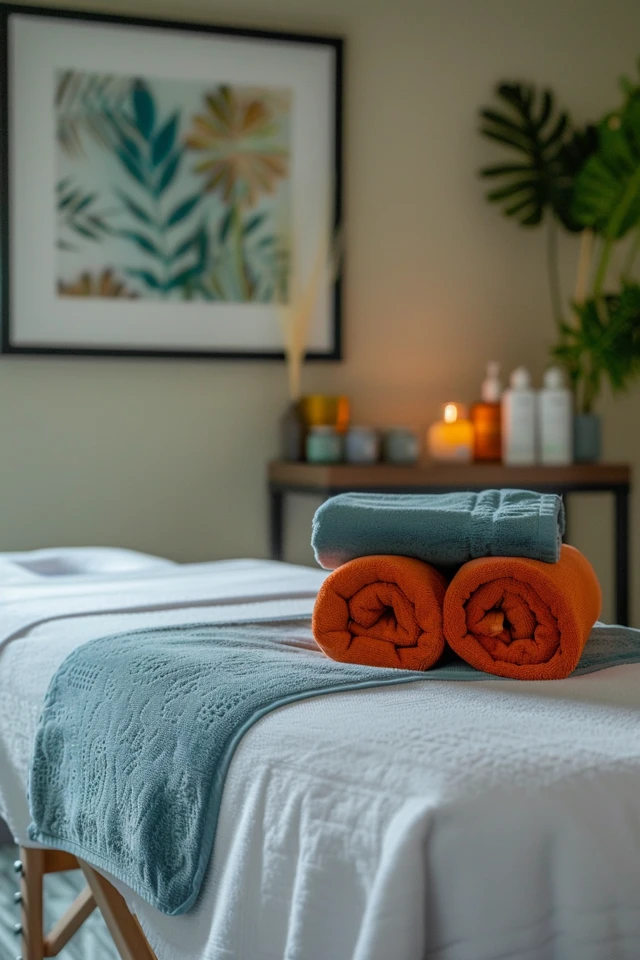
Title: Small Space Massage Room Ideas for Blissful Retreats
Creating a dedicated relaxation space within a smaller home often feels like a luxury reserved for those with sprawling square footage. However, as an interior designer who specializes in maximizing compact footprints, I can tell you that intimacy is actually an asset when designing a wellness room. A smaller volume of space is easier to soundproof, easier to scent, and easier to envelop in a calming atmosphere.
The shift from a cluttered spare room to a professional-grade sanctuary relies heavily on layout efficiency and sensory control. We are not just placing a massage table in the center of the room; we are curating sound, light, and texture to trick the brain into instant relaxation. Whether you are a professional therapist working from home or a homeowner creating a personal escape, the principles of scale and flow remain the same.
In this guide, I will walk you through the exact steps I use to design wellness spaces, from minimum clearance measurements to lighting temperatures. You will find a curated Picture Gallery at the end of this blog post to visually inspire your final design.
1. Calculating Layouts and Clearances
The biggest mistake I see in DIY massage rooms is underestimating the working radius required around the table. A standard massage table is approximately 30 inches wide by 73 inches long. However, the table size is not your defining footprint; the therapist’s body mechanics are.
For a therapist to work effectively without injuring their back or bumping into walls, you generally need 3 feet (36 inches) of clearance on all sides of the table. In a perfect world, a 12-foot by 14-foot room is ideal. However, in small spaces, we often do not have that luxury.
If you are working with a room that is closer to 10 feet by 10 feet, you have to get creative. Consider angling the table diagonally across the room. This utilizes the longest dimension of the space and usually frees up the corners for storage or seating.
If the room is a dual-purpose space, such as a home office that converts to a massage room, you must prioritize lightweight furniture. I often specify portable massage tables that fold away, but if the table is stationary, ensure your other furniture is on casters.
Designer’s Note: The Clearance Rule
In tight spaces, I sometimes cheat the clearance down to 24 inches on the “foot” end of the table. However, never compromise the clearance on the sides where the therapist stands. If you crowd the therapist, the massage will suffer, and the room will feel claustrophobic rather than cozy.
2. Hard and Soft Storage Solutions
In a small massage room, visible clutter is the enemy of relaxation. Your eyes need to rest just as much as your body does. Since we lack the floor space for massive armoires or dressers, we have to look up.
Vertical storage is your best friend here. I recommend installing shallow floating shelves (about 8 to 10 inches deep) rather than deep bulky cabinets. Style these shelves with intention. Do not just stack bottles of oil haphazardly. Use uniform amber glass bottles or opaque ceramic dispensers to reduce visual noise.
For linens, towels, and bolsters, closed storage is preferable to open shelving to avoid dust accumulation. If a closet is not available, use a low-profile credenza or a bench with internal storage. This serves a double function: it hides the clutter and provides a place for the client to sit and remove their shoes.
If you are renting and cannot drill holes for shelves, use a rolling utility cart. Look for one in a matte metal finish or wood, rather than industrial chrome. This allows you to pull your supplies close during the session and roll them into a closet or corner when finished.
Common Mistakes + Fixes
Mistake: Using clear plastic bins for storage.
Fix: Switch to woven baskets or canvas bins. The texture adds warmth and dampens sound, while plastic looks cheap and reflects noise.
Mistake: Leaving the face cradle cushion out when not in use.
Fix: Dedicate a specific drawer or hook for the face cradle. It is an awkwardly shaped item that instantly makes a room look messy.
3. Lighting: The Most Critical Element
Lighting can make or break a massage therapy room. The goal is to create a soft, diffused glow that flatters the skin and calms the nervous system. You must avoid direct overhead lighting at all costs. There is nothing worse than lying face-up on a massage table and staring directly into a bright bulb.
In my projects, I rely on three layers of light:
- Ambient: Dimmable wall sconces or cove lighting that washes the ceiling.
- Task: A small, directed lamp for the therapist to see specific muscle groups or read charts (kept out of client eyes).
- Accent: Candles (real or high-quality LED) to create movement and warmth.
Pay close attention to color temperature. For a relaxation space, you want to stay in the range of 2700K (Kelvin). This is a warm, soft white. Anything higher than 3000K will look too blue and clinical, resembling a hospital rather than a spa.
Window treatments are also part of your lighting strategy. If your room gets direct sunlight, you need blackout shades to control the heat and light. I recommend layering a sheer linen curtain over the blackout shade. The blackout layer provides privacy and darkness, while the sheer layer adds softness and texture to the window frame.
4. Acoustics and Soundproofing
In a small home, noise transfer is a significant challenge. You might hear footsteps from the hallway, traffic outside, or the hum of the refrigerator. To create a blissful retreat, you must dampen these sounds.
Soft surfaces absorb sound; hard surfaces reflect it. Since massage rooms often have hard flooring for hygiene reasons, you need to add softness elsewhere. Heavy velvet or wool drapes are excellent for sound dampening. Even if you have a small window, running the drapes from floor to ceiling and wall-to-wall adds a layer of insulation.
A solid-core door is one of the best investments you can make. Hollow-core doors, which are standard in most bedrooms, let sound pass right through. If replacing the door is not in the budget, add a draft stopper to the bottom of the door to seal the gap where sound leaks in.
Always include a source of white noise or ambient music. A high-quality Bluetooth speaker is essential. Place it in a corner on the floor rather than at ear level; this helps the sound fill the room more evenly without being directional or distracting.
Designer’s Note: Rug Placement
I typically avoid placing a large rug directly under the massage table. It makes it difficult for the therapist to move around and can be a tripping hazard. Instead, place a soft, high-pile runner rug on the side of the room where the client changes clothes. This gives them a warm tactile experience without interfering with the work zone.
5. Palette, Texture, and Scent
The color palette for a small massage room should be expansive, not constrictive. Many people think “white” makes a room look bigger, but in a massage room, stark white can feel sterile. I prefer mid-tone colors that blur the edges of the room.
Warm greys, muted sages, earthy terracottas, or deep teals work beautifully. Darker colors can actually make the walls “recede” and create a cocoon-like effect, which is perfect for relaxation. Use a matte finish for the paint. Eggshell or satin finishes reflect light and can create glare; matte finishes absorb light and soften the visual texture of the walls.
Scent is the invisible design element. In a small space, strong artificial scents can trigger headaches. Stick to natural essential oils. A high-quality stone or ceramic diffuser serves as a piece of decor while scenting the air.
Incorporating biophilic elements—design that connects us to nature—is proven to lower heart rates. Since floor space is premium, consider a hanging planter in the corner or a small wall-mounted vessel with trailing pothos. Real plants also help regulate humidity and air quality, preventing the room from feeling stuffy.
Real Project Mini-Checklist
When I am finalizing a wellness room, I run through this “Sensory Check”:
- Sight: Is there any clutter visible from the lying-down position? (Hide cords!)
- Touch: Are the sheets flannel or high-thread-count cotton? Is the blanket weighted?
- Sound: Can I hear the HVAC turning on and off? (If so, turn up the white noise).
- Smell: Is the room musty or stale? (Open windows 30 mins before a session).
Final Checklist: The Essentials
Before you consider your massage room complete, ensure you have ticked off these functional necessities. This list balances the “pretty” with the practical.
- The Chair: A sturdy, comfortable chair for the client to sit on while removing shoes.
- The Mirror: A small mirror (hung at standing height) for clients to fix hair/makeup post-massage.
- Waste Disposal: A small, lidded trash can. Lidded is crucial to hide tissues or disposables.
- Hydration Station: A small tray with a carafe of water and a glass.
- Dimmer Switches: Installed on all overhead lighting circuits.
- Cable Management: Velcro ties for the table warmer and lamp cords so no one trips.
- Bolsters: A knee bolster and a neck roll, matched to your table upholstery.
- Clock: A small, silent clock visible only to the therapist, not the client.
FAQs
Can I use a carpeted room for a massage studio?
Yes, but it is not ideal for deep tissue work. Thick carpet makes the therapist’s footing unstable. If you must use a carpeted room, choose a table with wider feet to distribute the weight, and wear supportive shoes. If you are renovating, opt for cork, bamboo, or luxury vinyl plank (LVP) for easier cleaning and better stability.
How do I make a portable massage table look permanent/luxurious?
The secret is in the dressing. Use a table warmer (fleece pad) under the fitted sheet to add plush volume. Use a bed skirt or a valance sheet that touches the floor to hide the metal or wooden legs of the portable table. This instantly makes it look like a high-end spa setup.
What is the best way to heat a small massage room?
Central heat can be drying and noisy. I recommend a silent, oil-filled radiator heater. They provide a consistent, radiating heat that feels very natural. Ensure the room is warm (around 72–75 degrees Fahrenheit) before the client undresses.
How high should I hang artwork in a massage room?
In a standard room, artwork is hung at standing eye level (57-60 inches). In a massage room, people are often sitting or lying down. You might consider hanging art slightly lower, or placing art where it can be seen from the seated area. Avoid hanging heavy art directly above the massage table for safety reasons.
Conclusion
Designing a massage room in a small space is an exercise in restraint and intentionality. It requires you to prioritize how the room feels over how much you can fit inside it. By respecting the necessary clearances for movement, controlling the lighting temperature, and dampening the acoustics, you can transform even a modest spare bedroom or home office into a restorative sanctuary.
Remember that the ultimate luxury in interior design is not the size of the room, but the absence of distraction. When you strip away the clutter and focus on the sensory experience, you create a space that heals.
Picture Gallery


