
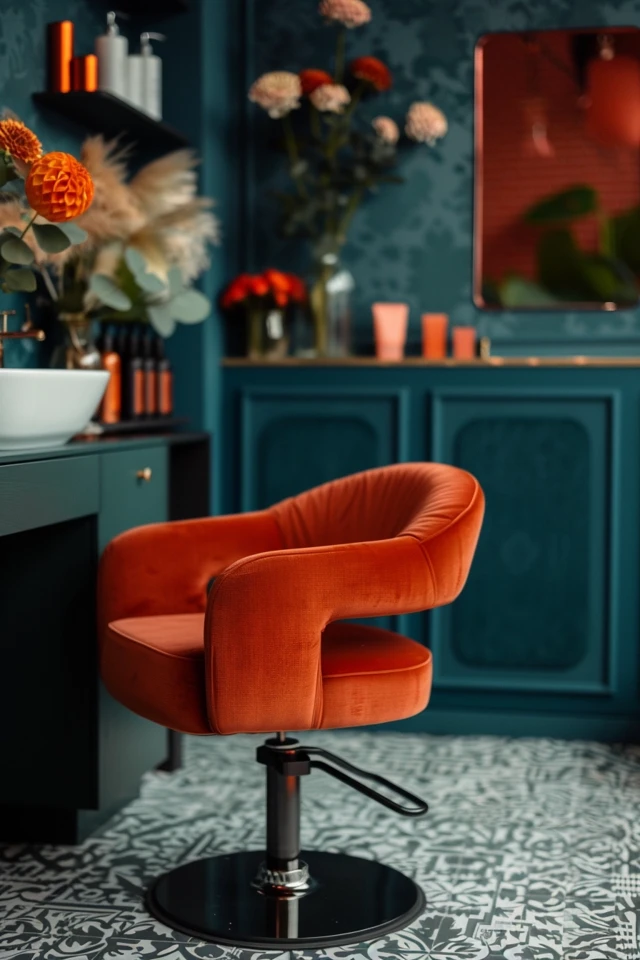
Small Space Salon Design Ideas for Chic Interiors
Opening a salon or refreshing an existing one is an exciting journey, but dealing with limited square footage often feels like a puzzle with missing pieces. I remember one of my first commercial projects was a boutique hair studio that measured a mere 450 square feet. We had to fit three stations, a wash bowl, and a reception area without making clients feel claustrophobic.
The secret to small salon design isn’t just about making things smaller; it is about manipulating scale, light, and flow to create an experience that feels intimate rather than cramped. To give you plenty of visual inspiration, I have curated a Picture Gallery at the end of the blog post. With the right strategy, a small footprint can actually become your biggest asset, offering a level of exclusivity that large, cavernous salons struggle to replicate.
In this guide, I will walk you through the specific layouts, lighting rules, and furniture choices that maximize every inch. We will look at professional standards for spacing and how to break them intelligently when needed. Whether you are converting a spare room at home or leasing a petite storefront, these design strategies will help you build a chic, functional space.
1. Optimizing Layout and Traffic Flow
The floor plan is the skeleton of your salon. In a small space, you do not have the luxury of wasted hallways or dead corners. Every square foot must generate revenue or serve a specific functional purpose.
The 3-Foot Rule
In professional design, flow is dictated by clearance. You need a minimum of 3 feet (36 inches) of clear walking space between the back of a styling chair and the nearest wall or obstruction. If you have stylists working back-to-back, you need at least 5 to 6 feet between the chairs to prevent bumping.
Zoning Without Walls
Do not use physical dividers or drywall to separate the washing area from the cutting floor. Walls eat up space and block light. Instead, use flooring transitions or ceiling treatments to define zones. For example, you might use a durable luxury vinyl tile throughout, but add a slightly dropped ceiling cloud over the wash station to create a cozy, relaxing vibe.
The Reception Dilemma
In a tiny salon, a massive reception desk is a mistake. It acts as a barricade. Switch to a standing-height podium or a sleek console table with a laptop. If you use booking apps, you might even eliminate the desk entirely and greet clients directly at their station.
Designer’s Note: The “Sweeping” Path
One thing that usually goes wrong in DIY salon layouts is forgetting where the hair goes. You need a clear, straight path to sweep hair from the styling chair to the backroom or trash bin. If your layout forces you to sweep around corners or under furniture, your space will always look messy. Keep the floor path unobstructed.
2. Lighting: The Make-or-Break Factor
Lighting is the most critical element in a salon. Bad lighting leads to color correction mistakes and unhappy clients. In a small space, lighting also defines the volume of the room.
Color Rendering Index (CRI)
You must look for bulbs with a CRI of 90 or higher. This ensures that the hair color you see in the chair matches what the client sees in daylight. Standard office lighting often has a low CRI, which makes blonde tones look green or muddy.
Color Temperature
Aim for a color temperature between 3500K and 4000K. This is a neutral white range. Anything lower (2700K) is too yellow and relaxing; anything higher (5000K+) is too blue and clinical. You want a clean light that flatters the skin tone while accurately showing hair pigment.
Layering Your Sources
Never rely on a single grid of ceiling lights. This casts shadows under the client’s eyes and chin, making them look tired in the mirror.
- Overhead: Use track lighting or recessed cans to illuminate the general workspace.
- Face-Level: Install sconces or LED-integrated mirrors. Light hitting the face from the front eliminates shadows.
- Task: Use specific spots directed at the color mixing station.
Common Mistakes + Fixes
Mistake: Placing a bright downlight directly over the client’s head.
Fix: Move the ceiling light fixture 12 to 18 inches closer to the mirror. This bounces the light off the glass and back onto the client’s face, creating a soft, flattering glow.
3. Expanding Space with Mirrors and Verticality
Mirrors are the oldest trick in the designer’s handbook, but in a salon, they are functional tools. The goal is to make the walls disappear.
Floor-to-Ceiling Mirrors
Instead of hanging standard rectangular mirrors, install floor-to-ceiling mirror panels. This doubles the visual depth of the room and reflects your flooring, making the ground plane look continuous. It creates an infinite look that feels high-end and spacious.
The “Floating” Illusion
Keep the floor visible. Use floating styling stations (shelves mounted to the wall) rather than heavy cabinets that sit on the floor. When the eye can see the floor extend to the wall, the brain interprets the room as larger.
Vertical Storage and Retail
Go high with your retail shelving. Use tall, narrow shelving units that draw the eye upward. If your ceilings are standard height (8 feet), mount curtains or retail shelves all the way to the top. This emphasizes height rather than the lack of width.
What I’d Do in a Real Project
- Station Mirrors: I would source frameless mirrors with polished edges for a sleek look.
- Retail: I would install glass shelves for products. Light passes through them, keeping the wall looking open.
- Hardware: I would mount hair dryers and tool holders on the wall or the side of the station to keep the countertop clear.
4. Material Selection and Acoustics
Small spaces trap heat, smells, and sound. The materials you choose need to mitigate these issues while looking stylish.
Flooring Essentials
Avoid hardwood in a salon. Water, sharp heels, and chemical spills will ruin it. Use commercial-grade Luxury Vinyl Tile (LVT) or Luxury Vinyl Plank (LVP). It is waterproof, provides some cushion for stylists standing all day, and is easy to clean.
Acoustic Control
A room full of blow dryers and chatter can become deafening in a small box. Hard surfaces bounce sound around.
- Ceiling: Consider acoustic tiles or a baffle system if you have an industrial ceiling.
- Textiles: Use heavy velvet or linen curtains for the changing area or window treatments. Fabric absorbs sound.
- Furniture: Choose upholstered waiting chairs rather than plastic or metal ones to dampen noise.
Durability vs. Aesthetics
Choose matte or satin finishes for your countertops. High-gloss black or white surfaces show every fingerprint, hair spray droplet, and scratch. A matte quartz or a textured laminate hides the daily wear and tear much better.
Designer’s Note: The “Black Cape” Test
Before picking a chair color, think about the hair color. If you do a lot of blonde work, black chairs are fine. If you cut a lot of dark hair, a black chair makes it hard to see the silhouette of the cut. I often recommend deep charcoal, cognac leather, or taupe vinyl for better contrast and easy cleaning.
5. Clever Storage and Multi-Functional Furniture
In a small salon, clutter is the enemy. If a tool or product does not have a home, the space will feel chaotic immediately.
Hidden Trolleys
Standard salon trolleys can look messy. Design your styling station with a “garage”—an open space underneath the counter where the trolley can roll in and disappear when not in use. This keeps the aisles clear.
The Color Bar
The color mixing station is usually the messiest part of a salon. In a small studio, consider a closet-style color bar. You can install a sink and shelving behind bi-fold or pocket doors. When you are busy, the doors stay open. When a client walks in, you close the doors to hide the mess instantly.
Multi-Use Waiting Areas
If you are short on space, your waiting area might need to double as a retail display or a consultation zone. Use a bench with storage inside for extra towels or capes. Place a small side table that displays your “product of the month” right next to the seating.
Common Mistakes + Fixes
Mistake: Buying residential furniture for styling stations.
Fix: Residential dressers or desks are usually too deep (24-30 inches). A salon station only needs to be 12 to 15 inches deep. Stick to custom carpentry or salon-specific furniture to save that precious foot of floor space.
Final Checklist: The Small Salon Strategy
If you are ready to start your build-out or renovation, run your plan through this checklist. These are the steps I follow to ensure a small space functions like a large one.
Layout & Measurements
- Is there a 5-foot turning radius for wheelchair accessibility (ADA compliance)?
- Is there 36 inches of clearance behind every chair?
- Is the wash station positioned away from the front window for client privacy?
Lighting & Electrical
- Are the bulbs rated 3500K-4000K?
- Is the CRI 90 or higher?
- Are there enough outlets at each station (minimum 4) to avoid extension cords?
- Is there a dedicated circuit for blow dryers to prevent tripping breakers?
Storage & Function
- Do you have a designated “dirty” bin for towels that is hidden from view?
- Is the retail shelving shallow (10-12 inches deep) to save floor space?
- Is the flooring 100% waterproof?
FAQs
How small is too small for a salon?
You can technically fit a single-chair studio into 100 to 150 square feet. This is common for “salon suites.” However, for a comfortable flow with a separate wash station and a small waiting chair, 250 square feet is a comfortable minimum.
What is the best wall color for a small salon?
Stick to neutrals. White (specifically a warm white like Benjamin Moore’s “Chantilly Lace”), soft grays, or greige are best. These colors bounce light and don’t interfere with how you see hair color. Avoid green or pink walls, as they can cast a color cast onto the client’s hair, making color correction difficult.
Can I use a rug in a salon?
Generally, no. Hair gets trapped in fibers and creates a sanitation issue. However, you can place a low-pile, vintage-style runner in the reception or waiting area, provided it is far away from the cutting zone. Just be prepared to vacuum it daily.
How do I make a low ceiling look higher?
Paint the ceiling the same color as the walls. This blurs the line where the wall ends and the ceiling begins. Also, mount mirrors and retail shelves as high as possible to draw the eye up.
Is it better to rent a booth or a studio suite?
This depends on your business model. Studio suites (often 100-200 sq ft) offer total privacy and control over your environment, which is great for high-end, exclusive experiences. Booth rentals in larger salons offer less design control but more walk-in traffic and camaraderie.
Conclusion
Designing a small salon is less about compromise and more about curation. When you have limited space, you are forced to choose only the furniture and decor that truly serve your vision. This naturally leads to a cleaner, more intentional aesthetic.
By adhering to proper spacing rules, investing in high-quality lighting, and utilizing vertical storage, you can create a salon that feels spacious and serene. Remember that the client’s experience starts the moment they walk through the door. A well-designed small space feels like a hidden gem—exclusive, private, and entirely focused on them.
Picture Gallery


