
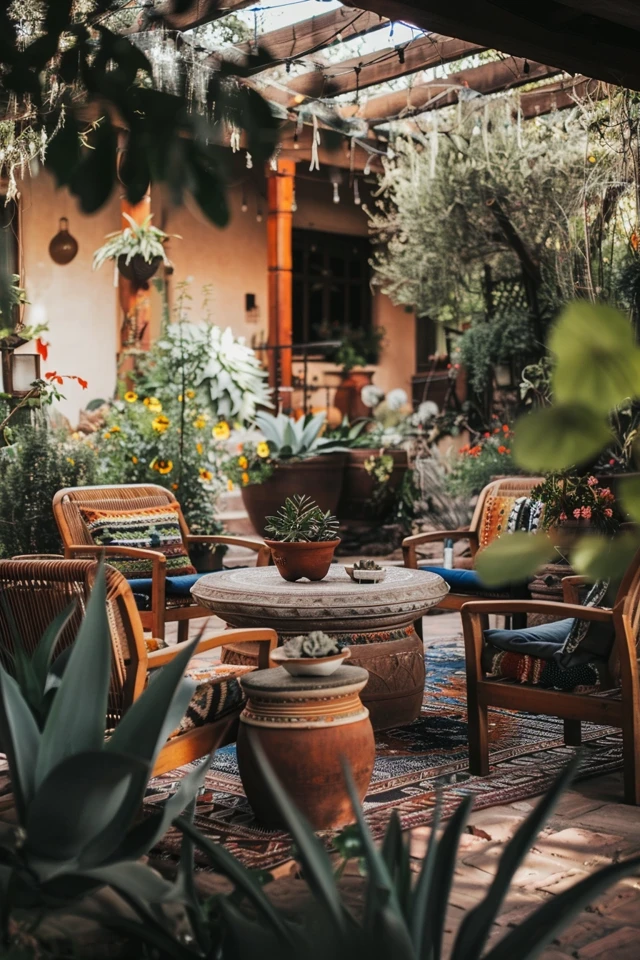
Southwest Patio Ideas for Your Cozy Outdoor Haven
There is something undeniably magical about the American Southwest. The aesthetic draws heavily from the landscape itself, featuring sunset hues, rugged textures, and a seamless blend of indoor and outdoor living. In my years designing homes in arid climates, I have learned that capturing this look is less about kitschy decor and more about embracing natural materials and warmth.
Whether you are in Arizona, New Mexico, or just want to bring that desert charm to a suburban backyard in the Midwest, the principles remain the same. If you are looking for specific visual examples, keep reading because I have curated a stunning Picture Gallery at the end of the blog post. We want to create a space that feels sun-baked yet cooling, grounded yet airy.
A successful Southwest patio serves as an extension of your living room. It requires durable materials that can withstand the elements and a layout that encourages conversation. Let’s dive into the practical steps, specific measurements, and design layers needed to build your own rustic retreat.
1. Setting the Foundation: Hardscaping and Flooring
The floor of your patio sets the stage for the entire design. In Southwest design, we almost always lean toward earthy, warm tones that mimic the ground beneath us. The most iconic choice is Saltillo tile, a type of terracotta made in Mexico.
However, real Saltillo requires maintenance. It is porous and needs regular sealing to prevent staining. If you have active dogs or high foot traffic, I often recommend a porcelain tile that mimics the look of terracotta. You get that beautiful, uneven, rustic aesthetic without the risk of chipping or water absorption.
If you are working with an existing concrete slab, you don’t have to demo it to get the look. Layering is your friend here. I frequently use large outdoor rugs to cover cold gray concrete. Look for rugs in rust, ochre, or deep turquoise to instantly warm up the temperature of the space.
Designer’s Note: The Gravel Solution
One of the most budget-friendly and authentic ways to expand a patio is using pea gravel or decomposed granite. If your concrete pad is too small (a common issue with builder-grade homes), dig out a border around it. Fill that border with 3/8-inch desert gold gravel. It visually expands the footprint and solves drainage issues simultaneously.
Common Mistakes + Fixes
Mistake: Using dark slate or black stone in direct sun.
Fix: Dark materials absorb heat and become scorching hot in the summer. Always stick to lighter, sandy tones like beige, buff, or light terra cotta to keep the surface walkable for bare feet and pets.
2. Selecting Durable Furniture and Smart Layouts
When furnishing a Southwest patio, scale is everything. Many homeowners make the mistake of buying “apartment-sized” outdoor furniture for a large backyard, which makes the space look cluttered and cheap. Conversely, bulky sectionals in a small space restrict movement.
For this aesthetic, material mix is key. I love combining wrought iron frames with chunky wood tables. Wrought iron is traditional to the style, but it can be uncomfortable without thick cushions. Ensure your seat cushions are at least 4 to 5 inches thick for genuine lounging comfort.
Layout Rules of Thumb
When laying out your furniture, treat it exactly like an indoor living room. You need defined traffic patterns.
- Walkways: Leave at least 30 to 36 inches of clear walking space around the main seating group.
- Coffee Tables: Place your coffee table or fire pit 18 inches from the edge of the sofa. This is close enough to set down a drink but far enough to walk through.
- Rug Sizing: If you use an area rug, at least the front two legs of every chair and sofa should sit on the rug. A 5×7 rug is usually too small for a conversation set; aim for an 8×10 or 9×12.
Real-World Project Tip
In a recent project for a rental property, we needed durability. We opted for “poly-lumber” furniture in a dark wood tone. It looks like stained timber but is actually recycled plastic. It survives intense UV rays without cracking or oiling, which is perfect for a low-maintenance Southwest vibe.
3. The Southwest Palette: Textiles and Decor
This is where the personality shines through. The Southwest palette is drawn directly from the desert: terra cotta rust, sage green, turquoise, and sandy beige. The secret to a high-end look is balancing these bold colors with neutrals.
Start with neutral upholstery for your large pieces. Cream, taupe, or soft gray fabrics hide dust better than stark white and fade less noticeably than dark black or navy. Use your throw pillows and blankets to inject those vibrant sunset colors.
Textile Performance Matters
Do not skimp on fabric quality outdoors. The sun destroys standard polyester in one season. Look for solution-dyed acrylic fabrics (like Sunbrella or similar high-performance brands). The color is engineered into the fiber itself, not just sprayed on top, meaning it won’t fade to pink or purple after a summer of sun exposure.
Decor Elements to Include
- Pottery: Talavera pottery is a staple. These colorful, hand-painted ceramic pots add immediate character. If Talavera feels too busy for you, opt for unglazed clay pots in varying heights.
- Wall Decor: If you have a stucco wall, hang a wrought iron ornament or a large outdoor-safe mirror to reflect light.
- Baskets: Use woven seagrass or synthetic wicker baskets to hold rolled-up blankets for chilly desert nights.
Designer’s Note: Pattern Mixing
Don’t be afraid to mix patterns. A classic Kilim pattern on a rug pairs beautifully with a simple stripe on a pillow. The trick is scale. If the rug has a large, bold pattern, keep the pillow patterns smaller and more intricate.
4. Desert Botanicals: Integrating Greenery
You cannot have a Southwest patio without the right plant life. However, you don’t need a green thumb to make this work. The goal is a xeriscape approach—plants that require little water and thrive in heat.
Cacti and succulents are the obvious choices. Agave, Prickly Pear, and Aloe Vera provide sculptural shapes that define the Southwest look. However, safety is a real concern if you have pets or small children.
Pet-Friendly Alternatives
If spines and thorns are a safety hazard, look for “soft” succulents.
- Elephant Bush: Looks like a miniature jade plant and drapes beautifully over pot edges.
- Yucca: Provides that spiky architectural look but generally has softer points than agave (depending on the variety).
- Ornamental Grasses: Mexican Feather Grass adds movement and softness to the hard edges of stone and stucco.
Grouping Pots for Impact
One single pot in a corner looks lonely. Use the “Rule of Three.” Group three pots of varying heights and widths together. For example, use one tall glazed pot with a vertical plant (like Snake Plant), one medium terra cotta pot with a rounder plant (like a Barrel Cactus), and one low wide bowl with trailing succulents.
What I’d Do in a Real Project
I always add drip irrigation to pots. Even drought-tolerant plants die in pots because the soil dries out faster than in the ground. A simple DIY drip kit connected to your hose bibb ensures your oasis survives the weekend when you are away.
5. Ambiance Essentials: Lighting and Fire Features
The desert gets dark and cold at night, making lighting and heat essential for extending the usability of your patio. The Kiva fireplace is the ultimate Southwest architectural feature, but building one is expensive and permanent.
A chiminea is a fantastic, authentic alternative. These freestanding clay or cast-iron fireplaces funnel smoke upward and radiate heat efficiently. Place it in the corner of your patio to anchor the space.
Lighting Temperature
Lighting can make or break the mood. Avoid “daylight” or “cool white” bulbs (5000K), which look clinical and blue.
- Target Kelvin: Aim for 2700K (Warm White). This mimics the glow of firelight and candles.
- String Lights: Drape bistro lights across the patio in a zig-zag pattern. Ensure they are commercial grade; thin Christmas-style wires often snap in high winds.
- Lanterns: Place oversized metal or wood lanterns on the floor near seating areas. Use battery-operated LED candles with timers so your patio glows automatically at sunset.
Common Mistakes + Fixes
Mistake: Relying on a single floodlight.
Fix: Floodlights are for security, not ambiance. Turn them off. Layer your light sources: overhead string lights for general glow, floor lanterns for depth, and table lamps (rechargeable ones are great) for task lighting.
Final Checklist: The “Designer’s Touch”
Before you consider your project complete, run through this checklist. These are the finishing touches I use to ensure a project feels polished and lived-in.
- Texture Check: Do you have wood, metal, ceramic, and textile elements? If you are missing one, add it.
- Height Variation: Is everything at knee level? Add a tall plant, a floor lamp, or hang art to draw the eye up.
- Color Balance: Is the “Southwest” color distributed evenly, or is it all in one corner? Spread the rust and turquoise accents across the room.
- Comfort Test: Sit in every seat for 10 minutes. Do you need an ottoman? Is the side table reachable?
- Wind Proofing: Are your lightweight items secured? Use museum putty for breakables on tables and ensure rugs are weighted down by furniture.
FAQs
Q: How do I pull off this look in a rental without painting or renovating?
A: Focus on what sits on the surfaces. A large, patterned outdoor rug covers an ugly floor. Potted plants obscure boring walls. Furniture with strong Southwest lines (heavy wood or iron) draws the eye away from bland architecture.
Q: Can I do Southwest style if I live in a rainy climate?
A: Absolutely. The aesthetic works anywhere, but the materials must change. Swap natural terra cotta (which can crack in freezes) for porcelain. Use synthetic wicker instead of natural rattan. Ensure your “rugs” are polypropylene so they don’t mold.
Q: What is the best budget-friendly way to start?
A: Start with textiles and pots. You can buy terra cotta pots very cheaply at hardware stores. Add a colorful Mexican blanket over your existing sofa and swap out throw pillows. These small changes shift the vibe immediately without buying new furniture.
Q: How big should my outdoor dining table be?
A: Allow 24 inches of width per person. For a standard rectangular table seating six, look for something at least 72 inches long. Ensure you have 36 inches of clearance behind chairs so guests can slide out easily.
Conclusion
Creating a Southwest patio is about slowing down and appreciating the raw beauty of natural textures. It is a style that invites you to kick off your shoes, grab a cold drink, and watch the sunset. By focusing on durable flooring, comfortable scale, and warm ambient lighting, you can build a haven that feels like a permanent vacation.
Remember that design is a process. Start with the “bones”—the layout and the large furniture pieces—and layer in the pottery, textiles, and plants over time. Your outdoor space should evolve with you.
Picture Gallery


