
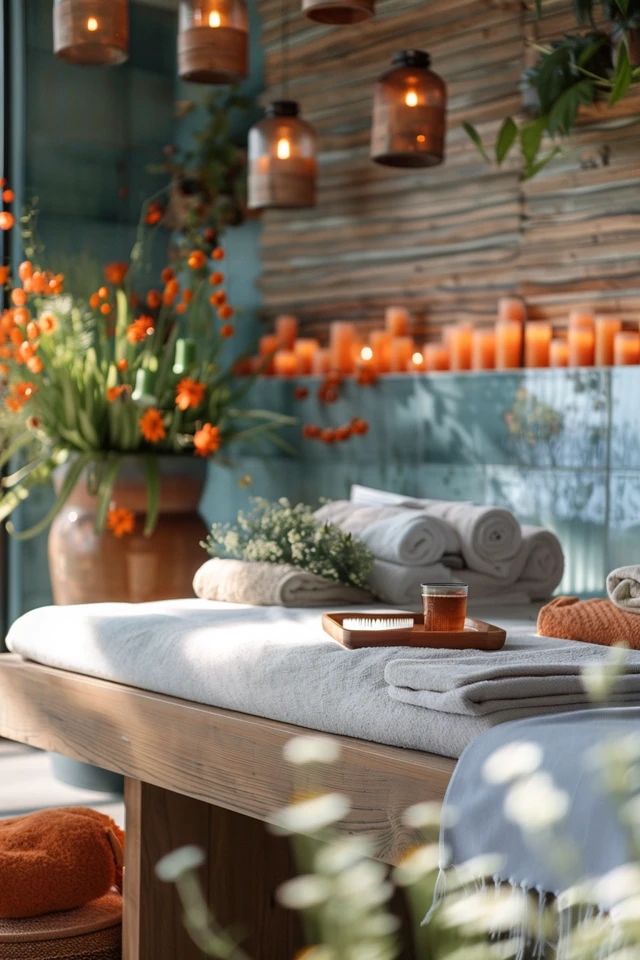
Title: Spa Rooms Ideas: Transform Your Space Beautifully
Introduction
Creating a home spa is about more than just installing a deep soaking tub or buying expensive candles. It is about curating an immersive experience that engages all five senses and provides a genuine retreat from daily stress. In my years of designing residential interiors, I have found that the most successful spa rooms focus on “feeling” first and aesthetics second.
A true spa environment requires a shift in how you view the function of the room. It is not merely a place for hygiene; it is a dedicated zone for decompression, where lighting, texture, and acoustics work together to lower your heart rate. Whether you are converting a spare bedroom, renovating a master bath, or carving out a corner in a basement, the principles of tranquility remain the same.
If you are looking for visual inspiration, you can jump right to the Picture Gallery at the end of this post. However, I highly recommend reading through the planning guides below to ensure your space functions as beautifully as it looks.
1. Mastering the Layout and Flow
The foundation of a relaxing spa room is a layout that breathes. If you have to shimmy past a vanity to get to the tub, the relaxing illusion is broken immediately. In professional design, we prioritize “negative space”—the empty areas that allow you to move freely without obstruction.
Begin by identifying your focal point. In a spa room, this is usually a freestanding tub, a large steam shower, or a window with a view of greenery. Orient the rest of the room around this feature to create a sense of hierarchy and order.
Traffic Patterns and Clearances
You must respect standard clearance measurements to keep the room from feeling cramped.
- Walkways: Maintain a minimum of 36 inches for main traffic paths. In a luxury spa setting, I aim for 42 to 48 inches if the square footage allows.
- Fixture Clearance: Leave at least 30 inches of clear space in front of sinks, toilets, and tubs.
- Tub Spacing: If using a freestanding tub, leave at least 12 inches (ideally 15+) on all sides to allow for cleaning and to give the fixture a sculptural presence.
Zoning for Wet and Dry Areas
Separating wet and dry zones helps with both maintenance and comfort. Keep the shower and tub in a “wet room” enclosure if possible, or cluster them together on tiled flooring. Keep the dressing area, vanity, and lounging chair in a “dry zone” where you can use warmer materials like wood or softer rugs.
Designer’s Note: The “Scale” Trap
One of the most frequent errors I see is homeowners choosing fixtures that are too large for the room. A massive 72-inch tub looks luxurious in a showroom, but if it touches the walls on both sides in your home, it looks forced and cheapens the design.
The Fix: Tape out the footprint of furniture and fixtures on your floor using painter’s tape before buying. If the tape makes the room feel tight, scale down. A slightly smaller, high-quality fixture with breathing room always looks higher-end than a massive fixture jammed into a corner.
2. Materials that Whisper Luxury
Materiality is what separates a sterile bathroom from a warm spa. Standard bathrooms often rely heavily on glossy porcelain and chrome, which can feel cold and clinical. Spa rooms should embrace natural, matte, and textured finishes that feel good against the skin.
The Stone and Wood Balance
To achieve an organic feel, you need to balance cold and warm elements. If you use stone floors, balance them with wood cabinetry or a teak ceiling.
- Natural Stone: Travertine, limestone, and slate offer incredible texture. However, they are porous. Ensure they are sealed professionally upon installation and resealed annually.
- Wood Accents: Use moisture-resistant woods like Teak, Hinoki Cypress, or Cedar. These woods actually release pleasant scents when exposed to humidity, adding to the sensory experience.
- Porcelain Look-alikes: If you are on a budget or have kids/pets, use high-quality matte porcelain tile that mimics natural stone. It is non-porous and maintenance-free.
Slip Resistance and Safety
A spa room involves water, oils, and bare feet. This combination is dangerous if you choose the wrong flooring.
- Check the Specs: Look for tiles with a Dynamic Coefficient of Friction (DCOF) rating of 0.42 or higher.
- Texture is Key: In shower floors, use smaller tiles (mosaics). The extra grout lines provide necessary grip.
- Rug Placement: Use rubber-backed, washable cotton rugs in high-splash zones.
Common Mistakes + Fixes
Mistake: Using polished marble on a shower floor.
Why it fails: It is incredibly slippery when wet and etches easily from shampoos.
The Fix: Use a honed or tumbled finish for stone in wet areas. It provides grip and hides water spots much better than polished surfaces.
3. The Lighting Equation
Lighting is the single most important variable in creating a mood. You cannot relax under the glare of a single, bright white ceiling fixture. Spa lighting must be layered, dimmable, and warm.
Temperature Matters
The color of light is measured in Kelvins (K). For a spa room, you want to mimic the warm glow of sunset or candlelight.
- Target Range: 2700K to 3000K. Anything higher (3500K-5000K) will look blue and clinical, similar to a hospital or office.
- Consistency: Ensure every bulb in the room matches this temperature. Mixing color temperatures creates subconscious visual dissonance.
Layering Your Light Sources
You need three distinct layers of light to make the space functional and relaxing.
- Ambient Light: This is your general illumination. Recessed cans are common, but consider cove lighting hidden in molding for a soft, indirect glow that washes the ceiling.
- Task Light: Sconces placed at eye level on either side of a mirror. Never place lights directly above the mirror, as this casts unflattering shadows on the face.
- Accent/Mood Light: This is the secret weapon. Consider LED tape lights under a floating vanity, a waterproof light inside the shower niche, or a small decorative lamp on a side table.
Real-World Project Tip
I always install a separate switch for the “mood” layer. When my clients want a bath, they should be able to turn off the main overhead lights and leave only the toe-kick lighting or the shower niche light on. This low-light environment triggers the brain to release melatonin and prepare for rest.
4. Water Features and Plumbing Specs
The water experience is the heart of the spa room. Whether you prefer a quick, invigorating shower or a long soak, the fixtures you choose dictate the quality of that experience.
The Steam Shower
If you have the budget and space, a steam generator is the ultimate luxury upgrade. However, this is not a DIY project.
- Vapor Proofing: A steam shower is not just a tiled room. It requires vapor-proofing the ceiling and walls (often with a Kerdi-board system) and a sloped ceiling so condensation drips down the walls, not on your head.
- Door Sealing: You need a floor-to-ceiling glass door with gaskets to keep the steam contained.
- Ventilation: You need a powerful exhaust fan sized appropriately for the cubic footage of the room to evacuate moisture quickly after use.
Tub Selection Logic
Freestanding tubs are beautiful, but they can be impractical if not chosen carefully.
- Material: Cast iron retains heat the best but is extremely heavy (requiring structural floor reinforcement). Acrylic is lightweight and affordable but loses heat faster. Volcanic limestone composites offer a great middle ground.
- Size: Test the tub before buying. A 60-inch tub is standard, but if you are over 6 feet tall, you may need a 66-inch or 72-inch model.
- Faucets: Floor-mounted tub fillers are expensive to plumb because the rough-in valve goes into the subfloor. A deck-mounted faucet (on the tub rim) or wall-mounted faucet is often more budget-friendly.
Designer’s Note: Water Pressure
Before buying a rain showerhead with a massive diameter, check your home’s water pressure (PSI). Many large rain heads require high pressure to function properly; otherwise, they just trickle. You may need a booster pump if your home has low pressure.
5. Engaging the Senses: Sound, Scent, and Touch
Once the construction and hard finishes are done, styling brings the spa concept to life. This phase addresses how the room sounds and smells, which is just as important as how it looks.
Acoustics and Soundproofing
Bathrooms are full of hard surfaces (tile, glass, stone), which creates echoes. To get a hushed, quiet atmosphere, you need softness.
- Textiles: Use plush, high-GSM (grams per square meter) towels. Display them on open shelves to absorb sound.
- Window Treatments: Use fabric shades or drapery (lined with mold-resistant fabric) rather than wood blinds to dampen noise.
- Insulation: If renovating, add Rockwool Safe’n’Sound insulation in the interior walls to dampen noise from the rest of the house.
Biophilic Design
Bringing nature indoors reduces stress levels. In a humid spa room, certain plants thrive and improve air quality.
- Best Plants: Boston Ferns, Snake Plants, and Pothos love humidity and tolerate lower light.
- Placement: Hang a eucalyptus bundle from the showerhead (the steam releases the oils). Place a potted fiddle leaf fig in a bright corner.
Aromatherapy Integration
Avoid cheap plug-in air fresheners. Opt for more natural, subtle scent sources.
- Diffusers: Use a ceramic stone diffuser for essential oils.
- Candles: Choose soy or beeswax candles. Group them in odd numbers (groups of 3) on a tray for a styled look.
- Scents: Lavender and chamomile for relaxation; eucalyptus and mint for energy.
Final Checklist: What I’d Do in a Real Project
If I were managing your project, this is the cheat sheet I would use to ensure nothing is missed.
Planning Phase
- Measure the room three times to confirm accuracy.
- Check subfloor strength if installing a cast iron or stone tub.
- Verify water heater capacity (can it fill a 60-gallon tub?).
- Select a focal point (view, tub, or vanity).
Rough-In Phase
- Install blocking in walls for future grab bars or heavy towel warmers.
- Run wiring for dimmers on every single light switch.
- Install a waterproof recessed light in the shower niche.
- Ensure the exhaust fan is ultra-quiet (< 1.0 Sone rating).
Finishing Phase
- Seal all grout and natural stone surfaces immediately.
- Install robe hooks within arm’s reach of the shower and tub.
- Add a dimmer switch for the exhaust fan timer if available.
- Style with a wooden stool, a natural sponge, and glass jars for storage.
FAQs
Can I create a spa room in a rental?
Absolutely. Focus on what you can control: lighting and textiles. Switch out harsh light bulbs for 2700K warm bulbs. Use battery-operated waterproof lights for mood lighting. Invest in a high-quality teak shower bench and a bamboo bath mat to cover unattractive flooring. Peel-and-stick wallpaper can also transform the mood without permanent damage.
How much does a spa bathroom renovation cost?
Costs vary wildly by region and size, but a full gut renovation of a master bath with spa features (freestanding tub, steam shower, high-end stone) generally ranges from $25,000 to $50,000+. To save money, keep the plumbing fixtures in their existing locations to avoid expensive pipe relocation.
Is a towel warmer worth it?
In my experience, yes. It is one of the few gadgets clients consistently say they love years later. It helps dry towels faster (reducing mildew smell) and provides a tactile luxury experience in winter. Hardwired models are cleaner looking, but plug-in models work well for retrofits.
What if I don’t have space for a tub and a shower?
Prioritize the one you actually use. Don’t force a small tub and a small shower into a space that can’t handle them. A spacious, beautifully tiled walk-in shower with a bench and dual showerheads often feels more luxurious than a cramped tub-shower combo.
Conclusion
Designing a spa room is an investment in your well-being. By focusing on flow, layering warm lighting, selecting tactile materials, and engaging all the senses, you can build a sanctuary that recharges you every day. Remember that the most effective spa designs are personal; they solve the specific stressors of your life, whether that means a quiet corner for reading or a steam shower to clear your sinuses. Take your time with the layout and invest in quality where it counts—your future self will thank you.
Picture Gallery


