
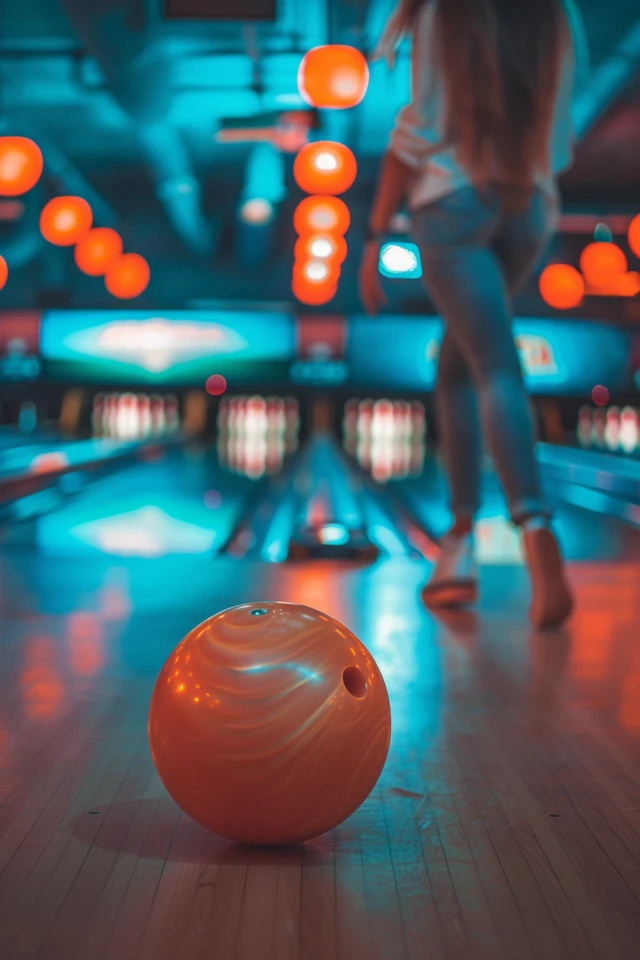
Strike Up Fun with Top Bowling Party Ideas
There is something undeniably magnetic about the retro aesthetic of a vintage bowling alley. The sound of the pins crashing, the polished wood lanes, and that distinct mid-century modern vibe create an atmosphere that is perfect for entertaining. Whether you are planning a temporary theme party or designing a permanent game room in your basement, the principles of flow and style remain the same.
In my design practice, I often tell clients that the success of an entertainment space relies 80% on the layout and 20% on the decor. If you are looking for visual inspiration, check out our curated Picture Gallery at the end of this blog post.
This guide will walk you through transforming your living space or backyard into a high-style bowling arena. We will cover everything from spatial planning and lighting to selecting materials that can handle the wear and tear of a high-energy gathering.
1. Spatial Planning and Traffic Flow
The biggest mistake homeowners make when setting up an activity-based party is forgetting about circulation. A bowling setup, even a miniature or makeshift one, requires a significant amount of dedicated floor space. You cannot simply shove the sofa against the wall and hope for the best.
When laying out your “lane,” you need to account for the approach area, the lane itself, and the pin-setting zone. For an indoor carpet-bowling setup or a hallway conversion, I recommend clearing a runway that is at least 3 feet wide and 15 to 20 feet long. Crucially, you need to maintain a 3-foot clearance zone on either side of this runway for spectators.
If you are designing a permanent basement bowling alley, the measurements become much stricter. A regulation lane requires about 100 feet of length, but most residential “duckpin” or mini-bowling installations can fit comfortably in 40 to 50 feet. Always allow for a 4-foot walkway behind the bowler’s approach area so guests can pass by without interrupting the game.
Designer’s Note: The “Crash Zone”
I learned this lesson the hard way during a basement renovation project. We placed the seating area too close to the end of the lane. Pins (and occasionally balls) have a way of bouncing erratically.
Always create a “crash zone” at the end of your lane. If you are doing a DIY party setup in a hallway, place soft ottomans or heavy velvet curtains behind the pins to absorb the energy. For permanent installations, we specify padded backstops to protect the drywall and reduce noise transfer to the floors above.
2. Flooring and Surface Selection
The floor is the most critical element of any bowling-themed event. If you are hosting a casual party, you likely aren’t installing maple hardwood lanes. However, you can mimic the look and function with the right temporary materials.
For a temporary indoor party, look for low-pile runners. A vinyl runner is actually ideal here because it provides a smooth, fast surface for plastic bowling balls. If you are using a carpet runner, ensure it has a heavy non-slip rubber backing. If the rug bunches up, it ruins the game and creates a tripping hazard.
Outdoor Landscape Considerations
If you are taking the party outside, standard lawn grass creates too much friction for traditional rolling. This is where we pivot to “Lawn Bowling” or Bocce styling.
For a successful backyard setup, the ground must be leveled. As a rule of thumb in landscape design, we aim for a slope of less than 1% for game courts. If your lawn is bumpy, consider building a temporary raised platform using plywood sheets covered in outdoor turf. This ensures a true roll and defines the gaming zone clearly from the lounging zone.
Common Mistakes + Fixes
- Mistake: Using delicate rugs for the lane.
- Fix: High-traffic wool or synthetic blends are necessary. Avoid viscose or silk, which will stain instantly if a drink is spilled and will wear down rapidly under friction.
- Mistake: Ignoring floor protection.
- Fix: If you are using heavy balls on hardwood, lay down a protective mat or yoga mats underneath your “lane runner” to prevent dents.
3. Lighting the Atmosphere
Lighting is what takes a party from a “playdate” to a sophisticated event. Genuine bowling alleys are masters of mood lighting. They utilize a combination of ambient overhead light and directional accent lighting to guide the eye toward the pins.
To recreate this at home, you need to kill the main overhead lights. Nothing kills a vibe faster than a grid of recessed can lights set to full brightness. Instead, aim for a warm color temperature between 2400K and 2700K. This mimics the cozy, nostalgic glow of a vintage alley.
Layering Your Light Sources
Start with your ambient layer. Use floor lamps or sconces on dimmers to create a general glow around the perimeter of the room. This ensures guests can see their drinks and each other without washing out the space.
Next, add your “task” lighting. This should be focused entirely on the pins. In a living room setup, I often use portable clamp lights hidden behind a piece of furniture or a plant, directed specifically at the pin setup. This creates a dramatic focal point.
Finally, add the fun layer. Neon signs are a staple of bowling alley design. You don’t need expensive vintage neon; modern LED neon-style signs are safer, cooler to the touch, and energy-efficient. Place a “Bowl” or “Strike” sign above the scoring station or the bar cart to anchor the theme.
4. Retro Furniture and Lounge Styling
The seating area is where your non-bowling guests will spend 90% of their time. The goal is to encourage conversation while keeping everyone oriented toward the action.
In design terms, this is called “spectator seating.” Avoid placing all chairs in a circle facing inward. Instead, arrange your seating in a U-shape or semi-circle that remains open to the bowling lane.
Choosing the Right Profiles
For that authentic mid-century bowling vibe, look for furniture with low profiles and clean lines.
- The Sofa: A tuxedo sofa or a sectional with channel tufting screams 1950s lounge.
- The Chairs: Swivel chairs are my secret weapon for game rooms. They allow a guest to turn toward the conversation for a drink, then swivel back to watch the game.
- The Tables: Use multiple small drink tables rather than one large coffee table. A large coffee table creates a barrier and a shin-bruising hazard in a high-activity room. Aim for tables that are 18 to 22 inches high, positioned within arm’s reach of every seat.
What I’d Do in a Real Project
If I were styling this for a client, here is the exact checklist I would follow:
- Clear the Decks: Remove any breakable decor items below waist height.
- Rug Sizing: Ensure the lounge area rug is large enough that the front legs of all seating furniture sit on it. This anchors the zone.
- Traffic Width: Verify there is at least 36 inches of walking space between the back of the sofa and the wall.
- Fabric Choice: I would use performance velvet or crypton fabrics. They handle spills effortlessly and look luxurious.
5. The Concession Stand: Food & Drink Station Design
No bowling party is complete without the snacks. However, from a design perspective, a clutter of chip bags looks messy. We want to elevate the “Concession Stand” concept to something chic and functional.
Zoning is key here. Keep the food station distinct from the playing area to prevent accidents. I recommend a console table or a bar cart positioned at least 6 feet away from the bowling lane.
Vertical Styling and Heights
To make the food table look professional, vary your heights. Flat displays look unappealing. Use cake stands, wooden crates, or acrylic risers to lift food bowls up.
This also serves a practical purpose: it makes it harder for guests to accidentally knock things over. A good rule of thumb is to place drinks at the back of the table or on a separate cart entirely. This prevents the “reach-over” spill, where a guest reaches for a burger and knocks over a soda with their sleeve.
Materiality for Serving
Ditch the paper plates. For a durable yet stylish party, use melamine or bamboo fiber dinnerware. There are incredible options on the market now that mimic the look of matte ceramic or stoneware but are completely shatterproof.
For linens, stick to dark colors or patterns. Bowling parties involve finger foods—sliders, fries, nachos. Grease stains are inevitable. A navy blue, charcoal, or patterned gingham tablecloth will hide minor spills much better than a pristine white linen.
Final Checklist: Ready to Roll
Before your first guest arrives, run through this final designer checklist to ensure your space is functional and safe.
- Walk the Room: Walk the entire traffic path from the entry to the drinks to the game. Is there anything you bumped into? Move it.
- Check Lighting Levels: Dim the lights to party level. Can you still read a label on a bottle? If not, you need one more lamp.
- Secure Rugs: Check that every single rug has a gripper pad underneath. Sliding rugs are a major safety liability.
- Test the Acoustics: Turn on your music. If the room sounds echoey and harsh, add more soft textures (pillows, throws, curtains) to absorb the sound.
- Protect Surfaces: ensure every wood surface has a stack of coasters available.
FAQs
How much space do I really need for a home bowling lane?
For a casual, modified party version, a hallway or open space of 15 x 3 feet is sufficient. For a permanent installation, you generally need a room length of at least 45 to 50 feet to accommodate the machinery and approach, though scaled-down “mini-bowling” systems can fit in smaller footprints.
What is the best way to protect my floors during the party?
Carpet runners are your best friend. If you have hardwood, look for runners with a thick felt or rubber pad. Avoid using heavy regulation bowling balls on unprotected wood floors; stick to lighter synthetic or plastic sets designed for home use.
How do I reduce the noise of the pins falling?
Soft furnishings are essential. Heavy drapes, plush area rugs, and upholstered furniture all help absorb sound. For the “pin pit” specifically, hanging a heavy velvet curtain or placing a foam backstop behind the pins will significantly dampen the crash.
Can I host a bowling party in a small apartment?
Absolutely. Scale it down. Use a “tabletop” bowling set on a sturdy dining table or set up a hallway lane using lightweight pins. The theme comes from the decor, lighting, and food just as much as the game itself. Focus on the mid-century modern aesthetic and the playlist to sell the vibe.
Conclusion
Hosting a bowling-themed party is about more than just the game; it is about curating a nostalgic, high-energy experience. By focusing on smart layout decisions, appropriate lighting, and durable yet stylish materials, you can bring the excitement of the alley into your home without sacrificing sophistication.
Remember that good design is always rooted in practicality. Your guests will appreciate the flow of the room and the comfort of the seating just as much as they enjoy the strike. Whether you are transforming a backyard with outdoor pavers or styling a retro basement lounge, these rules of thumb will ensure your event is a perfect game.
Picture Gallery


