
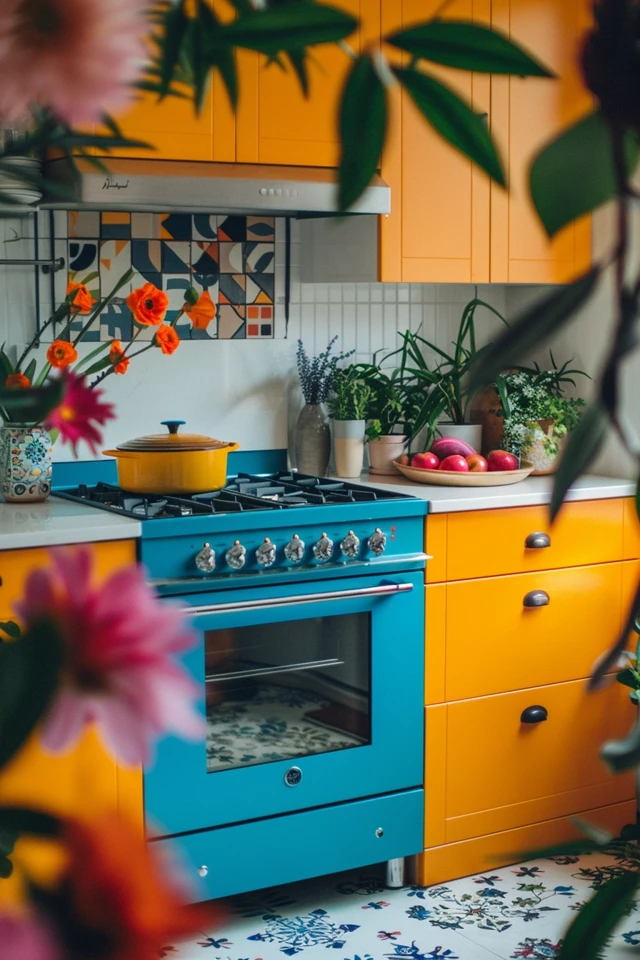
Title: Stylish Kitchen Island Ideas with Stove Designs
Introduction
Moving the stove to the kitchen island changes the entire dynamic of a home. It transforms cooking from a solitary task performed while facing a wall into a social, interactive performance. Over the last decade, I have seen a massive shift in client requests toward this “command center” layout, especially in open-concept homes where the host wants to engage with family or guests while sautéing dinner.
However, placing a heating element in the middle of the room introduces complex design challenges regarding ventilation, safety, and flow. It is not as simple as running a gas line or a heavy-duty electrical wire to the center of the floor. Check out our curated picture gallery at the end of this blog post for visual inspiration.
In this guide, I will walk you through the structural and aesthetic considerations necessary to make this layout work. We will cover safety clearances, ventilation struggles, and how to keep your island looking chic rather than cluttered. Whether you are working with a cozy apartment footprint or a sprawling chef’s kitchen, these principles apply.
1. The Layout Logic: Dimensions and Clearances
The success of an island cooktop relies entirely on proper spacing. If the island is too small, the setup feels dangerous and cramped; if it is too big, cleaning becomes a chore.
In my design practice, I treat the cooktop as the anchor of the “work triangle.” The sink and refrigerator should be easily accessible without having to walk around the entire island.
Minimum Island Sizes
A standard cooktop is usually 30 or 36 inches wide. To make this work safely, you cannot just drop a stove into a standard 4-foot island.
I recommend a minimum island length of 7 to 8 feet. This accommodates the cooktop plus necessary landing zones on either side.
If you plan to have seating on the opposite side, the depth of the island needs to increase significantly. A standard 25-inch depth is not enough; you need at least 40 to 48 inches of depth to keep guests safe from splatters.
Designer’s Note: The “Elbow Room” Rule
When drawing floor plans, I always ensure there is a minimum of 15 inches of countertop space on both sides of the cooktop. You need a place to set down a hot pan or a spatula immediately. If you are right-handed, having more space on the right side is generally more ergonomic.
Aisle Widths
Traffic flow is critical when you have a hot appliance in the middle of a walkway.
- One-cook kitchen: Aim for 42 inches of aisle width between the island and the perimeter counters.
- Two-cook kitchen: Push that clearance to 48 inches so one person can cook while another passes behind them without risk of burns.
- Seating side: Ensure there is at least 44 to 60 inches of clearance behind the stools if it is a major walkway.
2. Ventilation Solutions: The Hardest Hurdle
Ventilation is the number one reason clients abandon the idea of an island stove. When a stove is against a wall, venting is straightforward; on an island, you are fighting physics.
Smoke and grease rise, but you do not want a massive metal box blocking the sightlines you tried so hard to create. You generally have three options, and choosing the right one depends on your ceiling height and cooking style.
The Statement Hood
Suspended hoods can be beautiful architectural features. However, they can visually dominate the room if the scale is off.
For a balanced look, the hood should be 3 inches wider than the cooktop on each side (e.g., a 36-inch hood for a 30-inch stove). This captures the plume of smoke that naturally expands as it rises.
Flush Ceiling Mounts
These are units recessed directly into the ceiling, leaving the view completely unobstructed. They are sleek and modern, perfect for minimalist designs.
The downside is distance. Because they are so far from the source of the smoke, they require incredibly powerful motors (high CFM) to be effective, which can make them louder and more expensive.
Downdraft Vents
Downdrafts pop up from the counter or are integrated into the cooktop itself, sucking smoke downward.
- Pros: Totally invisible when not in use.
- Cons: They struggle with tall stockpots because they cannot pull steam horizontally very well.
Common Mistakes + Fixes
Mistake: Installing a hood too high for aesthetic reasons.
Fix: Follow the manufacturer’s spec, usually 30 to 36 inches above the cooking surface. Any higher, and the grease will bypass the vent and settle on your furniture.
3. Material Selection and Durability
When the stove is on the island, your countertop material takes a beating. It is exposed to higher localized heat, oil splatters, and constant wiping.
Heat Resistance
While we always use trivets, accidents happen. Natural stones like granite and quartzite are incredibly heat resistant.
Engineered quartz is popular, but be careful. The resin in quartz can discolor or scorch if a 500-degree cast iron skillet is placed directly on it. If you choose quartz, ensure your installer leaves the correct expansion gap around the cooktop to prevent cracking.
Porosity and Staining
Since the island is often a social hub where wine is poured and food is prepped, stain resistance is non-negotiable.
Soapstone is a fantastic choice for island cooktops. It is chemically inert, so tomato sauce and lemon juice won’t etch it, and it handles heat beautifully. It develops a patina over time that adds character to a working kitchen.
Texture and Finish
I advise against high-gloss finishes for an island with a stove. The constant wiping of grease will leave streaks that are highly visible in overhead lighting.
A honed or leathered finish hides fingerprints and smudges much better. These matte textures also provide a nice visual contrast to the sleek glass or metal of the appliance.
Designer’s Note: The “Seam” Issue
If your island is longer than the slab length (usually around 10 feet), you will have a seam. Never place a seam through the cooktop cutout. Ideally, the island should be seamless, or the seam should be placed well away from the heat source to ensure structural integrity.
4. Managing the Mess: The Visual Reality
We see perfectly styled kitchens on social media, but real life involves dirty pots and pans. When your stove is on the island, your dirty dishes are on display.
The Raised Bar Solution
If you are messy while cooking (which is fine!), consider a bi-level island.
By raising the seating area 6 inches higher than the cooking surface, you create a backsplash. This hides the pots and pans from guests sitting in the living room while still allowing conversation. It also acts as a safety barrier against splashes.
Deep Drawers are Mandatory
Storage efficiency is the best way to keep counters clear. Equip the island cabinetry directly below or adjacent to the cooktop with deep drawers.
These should hold your heavy pots and pans. If storage is accessible, you are more likely to put items away immediately after cooking.
Pop-Up Outlets
Code requires outlets on islands, but you don’t want cords dragging across a hot stove.
Install pop-up outlets that recess into the counter when not in use. This keeps the lines clean but allows you to plug in a blender or mixer safely away from the gas flame or induction heat.
5. Lighting the Workspace
Lighting an island with a stove is tricky because you need bright task lighting for cooking, but ambient lighting for dining.
Recessed Cans vs. Pendants
Do not rely solely on decorative pendants. They often cast shadows exactly where you are working.
I layout a grid of recessed LED cans on a dimmer switch specifically focused on the cooktop perimeter. These provide the high-intensity light needed to check if meat is browned properly.
Pendant Placement
If you use pendants, place them on the sides of the hood, not directly in front of it where they might get coated in grease.
Ensure the pendants are hung approximately 30 to 36 inches above the countertop. If you have a large hood, clear glass pendants can help keep the visual weight light and airy.
Color Temperature
Stick to 3000K (warm white) for kitchen lighting.
Going higher (4000K-5000K) can make the food look unappetizing and the room feel like a laboratory. Going lower (2700K) is too yellow for safe knife work.
6. Gas vs. Induction: A Design Perspective
The type of fuel you choose affects the aesthetic and the safety of your island design.
Induction: The Sleek Choice
For islands, induction is my top recommendation, especially for families with children.
- Safety: The surface doesn’t get as hot as gas, and there is no open flame near where guests are sitting.
- Visuals: It is flush with the counter, making the island look larger and less cluttered.
- Cleaning: It is a flat sheet of glass. You can wipe it down in seconds.
Gas: The Chef’s Choice
Gas cooktops offer instant visual feedback and a robust, industrial look.
If you choose gas for an island, look for models with “control lock” features. This prevents curious toddlers (or guests leaning on the counter) from accidentally turning on a burner.
Downdraft Compatibility
Induction cooktops pair much better with downdraft vents than gas cooktops do. The airflow from a downdraft can sometimes flicker a gas flame, making heating uneven.
Final Checklist: What I’d Do in a Real Project
If I were designing your kitchen island tomorrow, here is the checklist I would run through before ordering a single cabinet.
1. Measure the “Safety Strip”: Is there at least 9 inches (ideally 12+) of space behind the cooktop before the seating overhang begins?
2. Verify Venting Ductwork: Can we run a 6-to-8-inch duct under the floor for a downdraft, or is the ceiling joist direction correct for a hood?
3. Select the Right Insert: Does the cabinet base match the cooktop specs? A 36-inch cooktop usually requires a 36-inch or 42-inch cabinet base.
4. Plan the Landing Zones: Is there 15 inches of free counter space on the left and right?
5. Check the View: If using an overhead hood, does it block the view of the TV or the window? If yes, switch to a flush ceiling mount.
6. Ergonomics Check: Is the dishwasher located elsewhere? You do not want the dishwasher door opening into the chef’s standing space at the stove.
FAQs
Is it expensive to move a stove to an island?
Yes, it is generally more expensive than keeping it against a wall. You are paying for running gas or heavy-duty electric lines through the floor, plus the complex venting installation. Expect to pay $1,500 to $5,000 more for labor and materials compared to a wall installation.
Can I put a sink and a stove on the same island?
Yes, but the island needs to be large. You need a minimum of 24 inches (preferably 36 inches) of prep space between the sink and the stove. This setup requires an island that is at least 9 or 10 feet long to feel comfortable.
Do I really need a range hood on an island?
Technically, local building codes vary, but practically, yes. Without it, grease particles will settle on your sofa, rugs, and curtains in an open-concept room. Over time, your upholstery will develop a sticky film and smell like old cooking oil.
What is the best countertop overhang for seating?
For comfortable dining at counter height (36 inches), you want a 15-inch overhang. If you are tight on space, 12 inches is the absolute minimum, but knees will knock against the cabinets.
Is a slide-in range better than a cooktop for an island?
A cooktop (which drops into the counter) usually looks more custom and high-end than a slide-in range (which breaks the toe-kick line). However, a slide-in range is often more budget-friendly and combines the oven and stove in one footprint.
Conclusion
Designing a kitchen island with a stove is a bold move that prioritizes social connection and modern living. While it introduces challenges regarding ventilation and safety, the payoff is a dynamic, interactive space where the cook is the star of the show rather than hidden away in a corner.
By adhering to strict clearances, investing in quality ventilation, and choosing durable materials, you can create a kitchen that functions as beautifully as it photographs. Remember to prioritize the “work triangle” and ensure your guests are safe from the heat. When done correctly, an island stove becomes the warm, beating heart of the home.
Picture Gallery


