
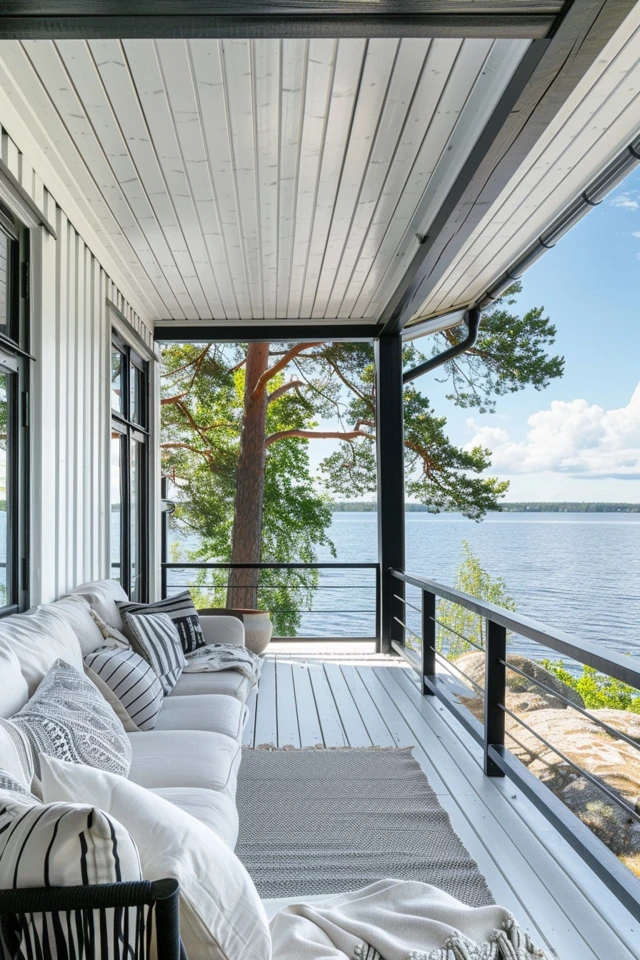
Stylish Metal Roof Porch Ideas for Your Home
There is something incredibly nostalgic about the sound of rain tapping against a metal roof, but today’s designs offer far more than just sensory appeal. Metal roofing has graduated from barns and sheds to become a hallmark of sophisticated, custom exterior design. It provides a texture and crispness that asphalt simply cannot compete with.
Adding a metal accent to your porch is one of the highest-impact upgrades you can make to your home’s façade. If you are looking for visual inspiration, we have curated a stunning Picture Gallery at the end of this blog post. Even if you keep shingles on the main body of the house, a metal porch roof adds instant architectural weight and curb appeal.
Whether you are renovating a historic farmhouse or building a contemporary entryway, the options for profiles and finishes are vast. This guide will walk you through the design rules, material selections, and practical details needed to execute this look flawlessly.
Why Choose a Metal Roof for Your Porch?
The primary reason homeowners gravitate toward metal porch roofs is aesthetic contrast. If your main roof is asphalt shingle, cedar shake, or slate, adding metal to the lower porch creates a deliberate separation between the main house and the outdoor living space. It breaks up the visual mass of the home.
Durability is the second major factor. A well-installed metal roof can last 40 to 70 years, often outliving the materials around it. Porch roofs often have a lower slope (pitch) than the main roof. Asphalt shingles struggle to shed water effectively on low slopes, leading to leaks, but metal is engineered specifically to handle low-pitch water runoff.
Finally, there is the factor of light and heat control. Metal roofs, especially in lighter colors or with specific reflective coatings, reflect solar radiant heat. This can keep the porch area—and the rooms directly adjacent to it—significantly cooler during the summer months.
Select the Right Profile and Material
Not all metal roofs look the same, and choosing the wrong profile can make a house look like an industrial warehouse rather than a curated home. The “profile” refers to the shape of the panels and how they lock together.
Standing Seam
This is the gold standard for residential architecture. The panels have raised vertical ribs with no exposed fasteners. The clips are hidden underneath the panel, creating a clean, modern, and watertight surface.
Designer’s Note: For a high-end look, request “striations” or “ribs” between the main seams. These are tiny raised lines that prevent “oil canning” (visible waviness in the flat metal) when the sun hits the roof.
5V Crimp and Corrugated
These are exposed-fastener systems. You can see the screws with their rubber washers. This offers a more rustic, “Old Florida,” or farmhouse aesthetic. It is generally less expensive than standing seam but requires more maintenance over time as the rubber washers on the screws can degrade.
Copper
Copper is the jewelry of exterior design. It starts shiny and bright like a penny. Over a few months, it turns a deep, rich brown. Over decades, it develops that coveted verdigris green patina.
Common Mistake: Installing copper above white porous stone or concrete without gutters. As copper oxidizes, the runoff can stain the materials below it green or brown. Always plan your drainage carefully with copper.
Material Thickness (Gauge)
In metal roofing, a lower number means a thicker metal.
- 29 Gauge: Very thin, often used on barns. Avoid this for a high-traffic home.
- 26 Gauge: The residential standard. Durable and resists denting from hail.
- 24 Gauge: Thicker and more rigid. I highly recommend this for standing seam roofs to ensure straight, crisp lines.
Color Coordination and Finishes
Selecting the color of your porch roof is just as important as choosing your interior paint palette. The metal roof does not need to match your main roof; in fact, it usually looks better if it doesn’t.
High Contrast (Black or Dark Bronze)
This is currently the most popular choice for modern farmhouses and white brick homes. A matte black or dark bronze metal roof creates a sharp outline against light siding. It frames the porch like a picture.
Classic Galvalume (Silver)
Galvalume is steel coated with aluminum and zinc. It has a bright, semi-matte silver finish. It is timeless and works exceptionally well on coastal cottages, historic renovations, and pastel-colored homes. It reflects the most heat, making it energy efficient.
Earthy Tones
If your home has warm stone, cedar siding, or cream stucco, avoid stark black. Opt for a medium bronze, slate gray, or even a muted terracotta. The goal is to complement the undertones of the fixed masonry elements.
Matching the Siding vs. The Roof
A good rule of thumb is to tie the metal roof color to another element on the exterior.
- If you have black window frames, a black metal porch roof creates a cohesive “modern industrial” thread.
- If you have copper gutters, a copper porch roof integrates seamlessly.
- If you have gray shutters, a charcoal metal roof balances the facade.
Design Styles and Architectural Applications
The style of your home should dictate how you apply the metal roof. It isn’t just about slapping metal on top; it’s about the shape and structure of the porch itself.
The Modern Farmhouse
This style relies heavily on the “shed roof” shape. This is a single sloping plane that attaches to the house wall. For this look, keep the pitch shallow and use a standing seam profile in black or charcoal. Pair it with simple square timber columns rather than ornate turned posts.
The Southern Wraparound
For large porches that wrap around corners, metal is practical because it is flexible. You can create beautiful hips and valleys. A “bell-curved” metal roof (where the bottom edge flares out slightly) adds a touch of French Creole elegance.
What I’d Do in a Real Project: If the budget allows, I always paint the ceiling of the porch a different color than the metal. If the roof is dark metal, a “haint blue” or clear-coated cedar ceiling underneath creates a warm, inviting glow for people sitting on the porch.
The Modern Cottage
Here, you might mix materials. Imagine a cedar shake main roof with a copper porch roof over the entry. This mix implies that the house has evolved over time, giving it instant character and history.
The Portico Accent
You don’t need a massive porch to use metal. A small portico (a roof over just the front door) looks stately with a metal finish. This is a great place to splurge on copper because the square footage is small, keeping the total cost manageable.
Installation and Practicalities
Design is nothing without function. Before you commit to a metal porch, you must address the technical realities of construction.
Slope and Pitch Requirements
Metal is the king of low-slope roofs.
- Asphalt Shingles: Generally require a 4:12 pitch (4 inches of rise for every 12 inches of run) or steeper to be safe.
- Metal Roofing: Can often go as low as 1:12 or even 0.5:12 with the right mechanical seaming.
This allows you to design porches with flatter lines, which is often necessary when trying not to block second-story windows.
Noise Control
This is the most common question I get. “Will it be too loud when it rains?”
If the metal is installed directly over open framing (like a barn), yes, it will be loud. However, on a residential porch, the metal is usually installed over a solid plywood deck and a layer of felt or synthetic underlayment. This solid substrate absorbs most of the vibration. It sounds like a pleasant thrum, not a deafening clang.
Snow and Safety
Metal is slippery. In northern climates, snow will slide off a metal roof in a sudden avalanche. If your porch steps are directly under the roofline, this is a safety hazard.
The Fix: Install “snow guards.” These are small clips or rails attached to the roof that hold the snow in place, allowing it to melt gradually rather than falling in a heavy sheet.
Flashing Details
The point where the porch roof meets the vertical wall of the house is the most critical waterproofing detail. This is called the “headwall flashing.”
Ensure your contractor removes the siding a few inches up to install this flashing behind the house wrap. Never let a contractor just caulk the metal against the siding. That is a guaranteed leak within five years.
Final Checklist: Planning Your Metal Porch
Use this checklist to ensure you haven’t missed any critical design or construction steps.
1. Check the Pitch
Confirm the slope of your porch roof. If it is less than a 3:12 pitch, you must use metal or a membrane roof; shingles are not an option.
2. Choose the Gauge
Specify 24-gauge or 26-gauge steel. Do not accept 29-gauge agricultural panels for a residential home.
3. Select the Paint System
Look for Kynar 500 or Hylar 5000 paint finishes. These are resin-based coatings that resist fading and chalking for 30+ years.
4. Plan the Drainage
Decide on gutters. If you are omitting gutters for a sleek look, ensure the ground below has a “drip edge” of crushed stone or gravel to prevent mud splatter on your columns.
5. Coordinate Lighting
If you plan to install recessed can lights in the porch ceiling, ensure the roof framing leaves enough depth to house the electrical housing before the metal goes on.
6. Review Sample Sizes
Don’t pick a color from a tiny chip. Ask your roofer for a 12-inch sample piece and hold it up against your siding in both direct sunlight and shade.
FAQs
Does a metal porch roof interfere with Wi-Fi or cell service?
Generally, no. While metal blocks RF signals, you likely only have metal on the porch, not the entire house. As long as you have windows and wood framing elsewhere, your signal should remain strong.
Can I install a metal roof over my existing shingles?
Technically, yes, many codes allow one layer over. However, as a designer, I advise against it. It raises the height of the roof profile and can look clunky at the edges. It is always better to tear off to the deck to inspect the wood for rot before installing the new roof.
How much does a metal porch roof cost compared to shingles?
Expect to pay 2 to 3 times more for a metal roof than an asphalt shingle roof. Standing seam is the most expensive, while exposed fastener panels are more mid-range. However, the lifespan is also double or triple that of shingles.
Will the metal roof rust?
Steel roofs are galvanized (coated in zinc) or galvalume (zinc and aluminum) to prevent rust. If the coating is scratched deeply during installation, it can rust. Aluminum roofs do not rust, making them the best choice for homes within 5 miles of the ocean.
How do I clean a metal porch roof?
Usually, rain does the work for you. If you have trees dropping sap or algae growth, a mild solution of water and dish soap with a soft-bristle brush is safe. Avoid high-pressure power washing, which can drive water under the seams.
Conclusion
A stylish metal roof porch is more than just a cover from the elements; it is a design declaration. It bridges the gap between traditional comfort and modern resilience. By paying attention to the gauge of the metal, the profile of the panel, and the coordination of colors, you can create an entryway that feels substantial and curated.
Remember to consider the “whole house” view. The metal should accent your home, not overpower it. Focus on the transition points where the roof meets the wall and ensure your contractor prioritizes waterproofing just as much as aesthetics. With the right choices, this is an upgrade that will protect your home and delight your eyes for decades to come.
Picture Gallery


