
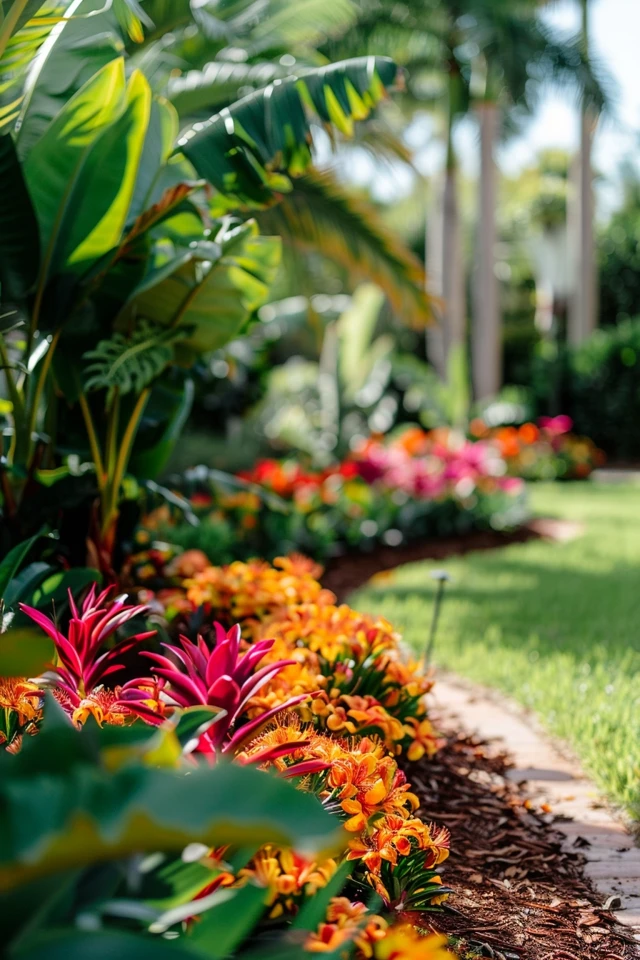
Sun-Kissed Florida Backyard Ideas for Your Home
Living in Florida offers a unique opportunity to blur the lines between indoor and outdoor living year-round. However, the intense sun, high humidity, and occasional tropical storms require a specific approach to backyard design. A successful Florida backyard isn’t just about aesthetics; it is about survival against the elements while maintaining a resort-style atmosphere.
I remember one of my first projects in Fort Lauderdale where the client insisted on dark slate pavers for their pool deck. Despite my warnings, they proceeded, and within a month, the deck was completely unusable during the day because it was hot enough to burn bare feet. For more visual inspiration on how to get this balance right, check out our exclusive Picture Gallery at the end of this post.
This guide will walk you through designing a functional, durable, and beautiful Florida oasis. We will cover everything from material selection that withstands salt air to layout rules that maximize your square footage.
1. Creating Shade: The Foundation of Florida Outdoor Living
In Florida, shade is not a luxury; it is a necessity. Without adequate cover, your backyard will be uninhabitable from 10:00 AM to 5:00 PM during the summer months. You need to structure your layout around where the shadows fall.
The Lanai and Pergola Structure
The most common feature in Florida architecture is the lanai, or a covered porch. If your home lacks a deep overhang, you must create one. I recommend building a permanent structure like a pergola or pavilion rather than relying on umbrellas, which often fail in high winds.
Scale matters: A pergola should provide at least 8 to 10 feet of vertical clearance.
Overhangs: If attaching to the house, ensure the roof extends at least 12 to 18 inches past the beam to prevent water blow-back.
Orientation: Orient slats or louvers North-South to control the morning and afternoon sun effectively.
Material Choices for Flooring
The ground surface you choose dictates the ambient temperature of your space. Concrete and dark stone absorb heat, radiating it back upward and making the air feel hotter.
Travertine: This is my top choice for Florida. It stays cool to the touch even in direct sunlight.Shell Stone: A natural limestone embedded with shells. It offers excellent slip resistance and stays cool.
Light-colored Pavers: If using concrete pavers, stick to white, tan, or light grey.
Designer’s Note: The Ceiling Fan Rule
Never underestimate air circulation. In a covered outdoor space, install wet-rated ceiling fans.
Sizing: For a 12×12 foot area, use a 52-inch to 60-inch fan.
Placement: Ensure the fan blades are at least 7 feet above the floor for safety, but no higher than 9 feet for airflow efficiency.
2. Designing the Pool and Water Features
A water feature is the heartbeat of a Florida backyard. Whether you have space for a lap pool or just a small plunge pool, the water cools the surrounding air through evaporation.
The Sun Shelf (Baja Shelf)
Modern Florida pools almost always include a sun shelf. This is a shallow area, usually 6 to 12 inches deep, designed for lounge chairs.
Dimensions: I recommend a shelf that is at least 7 feet wide and 8 feet long to comfortably accommodate two standard loungers.
Furniture: Use heavy resin chairs (like Ledge Loungers) that won’t float away.
Coping and Decking Spacing
A common mistake is making the pool deck too narrow. You need circulation space to move around the pool without fearing you will fall in.
Main Walkways: Keep a minimum clear path of 48 inches between the water’s edge and any furniture.
Secondary Paths: Areas behind landscaping or near fences can be 36 inches wide.
Chaise Lounge Area: Allow 7 feet of depth for the chair plus 3 feet of circulation behind it. Total depth required: 10 feet.
Common Mistakes + Fixes
Mistake: Using slippery tile on the waterline or steps.
Fix: Specify a textured or matte finish tile for the waterline and step markers. Glass tile looks beautiful but can be incredibly slick; if you must use it, ensure it is small-format (1×1 inch) so the grout lines provide grip.
3. Florida-Friendly Landscaping and Privacy
The “jungle” look is popular, but it requires strategy to keep it from becoming an overgrown mess. Florida vegetation grows rapidly. You need a maintenance plan before you plant a single seed.
Creating Privacy Walls
In tight subdivisions, privacy is key. Instead of a stark vinyl fence, use “living walls.”
Podocarpus: Better for narrow spaces, as it grows vertically and can be kept thin.
Spacing: Plant these hedges 30 to 36 inches on center to create a dense wall within two growing seasons.
Zoning with Plants
Use plants to define “rooms” in your backyard.
Transition Zones: Use low-growing grasses like Liriope or Mondo Grass to border walkways.
Focal Points: A single, sculptural palm (like a Sylvester or Bismarck) creates drama.
Safety: Do not plant palms with thorns (like Pygmy Date Palms) near walkways or play areas.
Dealing with Insects
Mosquitoes and no-see-ums are a reality.
Natural Repellents: Incorporate Citronella, Lemongrass, and Lavender into your planters. They help, though they won’t solve a major infestation.
Airflow: As mentioned earlier, strong fans are the best deterrent for mosquitoes, which are weak flyers.
4. Outdoor Furniture and Textiles
Furniture in Florida takes a beating. Between the UV index, the salt air (if you are coastal), and the humidity, standard outdoor furniture will not last more than two seasons.
Material Selection
Teak: It is beautiful but requires oiling every 6 months to maintain the brown color. If you don’t oil it, it turns a silvery grey (which is also a nice look).
Aluminum: Powder-coated aluminum is the most durable option for Florida. It does not rust and is easy to clean.
Poly-Lumber (HDPE): Made from recycled milk jugs, this material is heavy (good for wind) and impervious to rot.
Fabric and Cushions
This is non-negotiable: You must use solution-dyed acrylic fabrics. Brands like Sunbrella or Perennials are the industry standard for a reason. The color is in the fiber, not printed on top, so it won’t fade.
Foam: Specify “reticulated” or “quick-dry” foam. This open-cell foam allows water to pour right through it, preventing mold growth inside the cushion.
Storage: Even with high-quality fabric, keep a deck box nearby. During pollen season (spring), everything gets coated in yellow dust.
What I’d Do in a Real Project
If I am designing a layout for a family with kids:
1. Rug: I use a polypropylene rug to ground the seating area. Size it so at least the front legs of the sofa and chairs are on the rug.
2. Tables: I avoid glass tops (they show water spots and pollen instantly). I prefer stone or slat-top tables.
3. Spacing: Place the coffee table 18 inches from the sofa edge. This is close enough to reach a drink but far enough to walk through.
5. Lighting and Evening Ambiance
The Florida backyard comes alive at night when the temperature drops. Lighting shouldn’t be an afterthought; it is essential for safety and mood.
Kelvin Temperature
The “temperature” of light affects how the space feels.
3000K (Soft White): Best for landscape uplighting and security. It makes green foliage look crisp without turning it blue.
Avoid 4000K+: This looks like a hospital or a gas station. Avoid it outdoors.
Layering Light
Don’t rely on a single floodlight.
1. Moonlighting: Mount lights high in trees aimed downward to mimic moonlight filtering through branches.
2. Path Lights: Place these every 6 to 8 feet along walkways. Stagger them left and right rather than creating a runway effect.
3. Hardscape Lights: Install small LED strips under the lip of stone walls or stair treads. This adds safety without glare.
Designer’s Note: The “Dark Sky” Approach
Be mindful of light pollution. Use fixtures with “hoods” or shields that direct light downward, not up into the sky or into your neighbor’s window.
Final Checklist: The Florida Backyard Audit
Before you buy a single paver or plant, run your plan through this checklist to ensure it meets the demands of the Florida environment.
Orientation Check: Do you know where the sun hits at 4:00 PM? Position your shade structure accordingly.
Drainage Plan: Florida rains are heavy. Ensure the patio slopes away from the house at a rate of 1/4 inch per foot.
Hardscape Heat Test: Have you tested your paving material in the sun? If you can’t walk on it barefoot, don’t install it.
Furniture Durability: Is the furniture heavy enough to withstand a summer storm?
Storage Strategy: Do you have a designated dry place for cushions during hurricane season?
Bug Defense: Have you planned for fans or screens to manage insects?
* Safety Clearances: Are there 36-inch clear paths around all furniture and water features?
FAQs
What is the best grass for a Florida backyard with dogs?
Zoysia is generally the best option. It is durable, handles foot traffic well, and feels soft on paws. St. Augustine is the most common, but it can be coarse and sensitive to heavy traffic. Avoid Bermuda grass if you have a lot of shade, as it requires full sun.
How do I protect my outdoor kitchen from the elements?
Locate the kitchen under a covered roof if possible. If it is exposed, use marine-grade stainless steel (316 grade) for all appliances and cabinets. Standard stainless steel (304 grade) will eventually pit and rust in Florida’s humidity, especially near the coast. Always cover the grill when not in use.
Do I need a permit for a pergola or shed in Florida?
Almost always, yes. Florida building codes are strict due to hurricane wind loads. Any permanent structure usually requires a permit and must be anchored to a concrete footing. Check with your local municipality before building to avoid fines or having to tear it down.
How far should a fire pit be from the house?
For a wood-burning fire pit, keep it at least 10 to 15 feet away from the home, fences, or low-hanging branches. For gas fire tables, you have more flexibility, but generally, 3 to 5 feet of clearance from combustibles is a safe rule of thumb. Always check the manufacturer’s manual.
Conclusion
Designing a sun-kissed Florida backyard is about balancing the romance of the tropics with the realities of the climate. It requires a thoughtful mix of heat-resistant hardscaping, durable textiles, and strategic shading. By focusing on flow, material quality, and environmental constraints, you can create a space that feels like a luxury resort every time you step outside.
Start small if you need to. Begin with a proper shade structure and high-quality seating. Once the foundation is comfortable, layer in the lush landscaping and lighting. Your backyard should be an extension of your home, offering a sanctuary where you can enjoy the sunshine without getting burned.
Picture Gallery


