
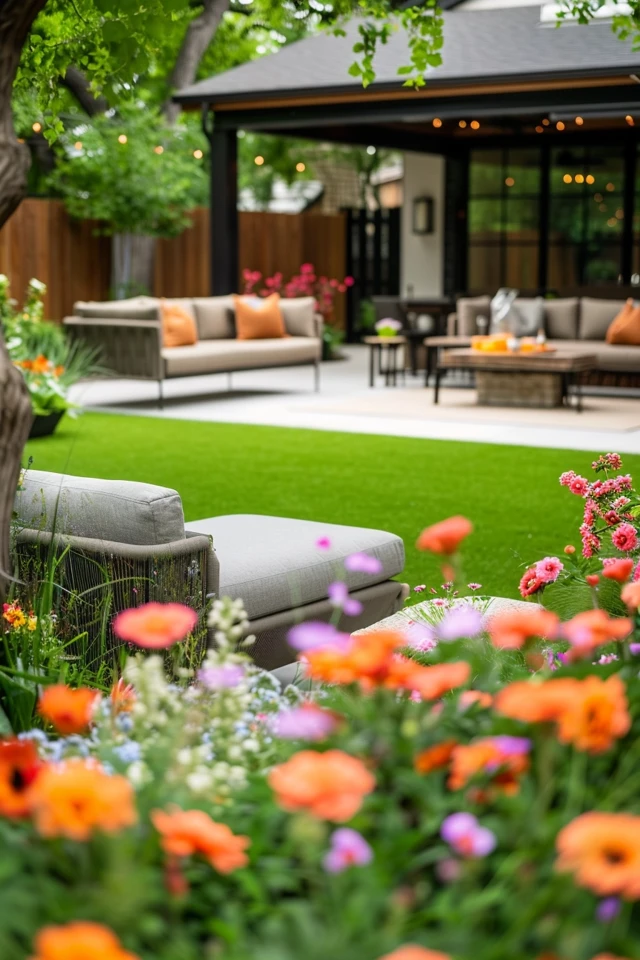
Texas Backyard Transformations: Landscaping Tips
Living in Texas means dealing with weather that swings from blistering heat to sudden freezes, often within the same month. When I work with clients on their outdoor spaces here, the goal is always the same: create a sanctuary that survives the elements while acting as a true extension of the living room. It is not just about planting a few bushes; it is about engineering a space that handles the harsh climate so you can actually enjoy it.
I recall a project in the Hill Country where the homeowners wanted a lush, English-style garden. We had to have a hard conversation about water restrictions and the reality of the Texas sun. By pivoting to native limestone hardscapes and drought-tolerant textures, we created something far more beautiful and sustainable. If you are looking for visual examples of these concepts, make sure to browse the Picture Gallery at the end of this blog post.
Transforming a backyard here requires a mix of interior design principles—like flow, scale, and texture—applied to landscape architecture. Whether you are in the clay-heavy soils of Houston or the rocky terrain of Central Texas, the fundamentals remain the same. This guide breaks down exactly how to approach your renovation from a designer’s perspective.
1. Master Planning: Zoning and Flow
Before buying a single paver or plant, you need a floor plan for your yard. In interior design, we zone a large great room into dining, living, and circulation areas. Your backyard requires the exact same treatment to avoid the “big patch of grass” syndrome.
Start by identifying your primary functions. Do you need a dining area? A fire pit lounge? A play area for dogs or kids? These zones need to be distinct but connected. I often see people pushing everything to the perimeter of the fence, leaving a “dance floor” of unused grass in the middle.
Instead, bring the hardscaping in. Create destinations. If you are placing a fire pit, it should be its own island or peninsula, not an afterthought in a corner. Think about sightlines from your indoor windows; you want to look out at a focal point, not your AC unit.
Designer’s Note: The “Transition Zone”
The most critical area is the first 5 to 10 feet right outside your back door. This is your transition zone. If this area is cramped or undefined, you will rarely venture further out.
I always ensure the landing pad outside the door is at least 6 feet deep before any steps or grade changes occur. This allows you to step out with a tray of drinks without tripping or feeling crowded.
Common Mistakes & Fixes
- Mistake: Creating narrow pathways.
- Fix: Main walkways should be a minimum of 48 inches wide so two people can walk side-by-side. Secondary paths can be 36 inches.
- Mistake: undersizing the patio.
- Fix: A dining table for six needs a minimum 10×12 foot area, but I recommend 12×14 feet to allow for chair slide-back.
2. Hardscaping Materials: Beating the Heat
In Texas, the ground gets hot. Really hot. The materials you choose for your patio and pool deck will determine if you can walk barefoot in August or if you will burn your feet.
Dark materials like slate or dark grey concrete are generally a bad idea for uncovered areas. They absorb heat and radiate it back up at you, raising the ambient temperature of your patio by several degrees. I generally steer clients toward lighter natural stones or cool-deck coatings.
Lueders limestone is a local favorite for a reason. It stays relatively cool to the touch and offers that creamy, neutral palette that works with almost any architectural style. However, limestone is porous. If you spill red wine or brisket grease on unsealed limestone, it is there forever.
What I’d Do in a Real Project
If budget allows, I layer materials to create visual interest. Here is my go-to combination:
- Main Patio: Light-colored Travertine or Lueders Limestone (cool on feet).
- Accents: Brick borders or darker river rock for contrast (only in areas you don’t walk on).
- Drainage: Decomposed Granite (DG) for secondary seating areas or fire pits. It permeates water well and costs significantly less than pavers.
Renters and Budget Constraints
If you cannot pour concrete, pea gravel or crushed granite is your best friend. You can define a 12×12 seating area using steel edging and fill it with gravel for a few hundred dollars.
To keep gravel from migrating, you must install a barrier underneath and use edging that stands at least 1 inch above the gravel level. This creates a dedicated “room” without permanent construction.
3. The Shade Strategy: Structures and Canopy
You cannot design a Texas backyard without a serious shade strategy. The western sun is brutal, and without protection, your expensive patio will sit unused from May through September.
We need to think about shade in layers. The top layer is the architectural shade—covered patios, pergolas, or pavilions. The middle layer is biological shade—trees. The bottom layer is temporary shade—umbrellas and shade sails.
When positioning a pergola, the direction of the slats matters. If your patio faces West, standard slats running North-South won’t block the late afternoon sun. You might need to add a vertical screen or outdoor curtains on the western side.
Designer’s Note: Ceiling Fans
If you build a solid roof structure, install the biggest ceiling fan the space can handle. Airflow is the only thing that makes 95-degree evenings tolerable.
Look for fans that are “wet rated” if they are exposed to driving rain, or “damp rated” for covered porches. I try to specify fans with a 60-inch span or larger to move air at a lower, quieter RPM.
Common Mistakes & Fixes
- Mistake: Relying solely on a table umbrella.
- Fix: Use a cantilever umbrella (offset base). This allows you to shade a seating group without a pole right in the middle of conversation.
- Mistake: Planting trees too close to the patio.
- Fix: Plant shade trees at least 15 feet away from the foundation and hardscape to prevent root damage, while still benefiting from the canopy shadow.
4. Softscaping: Native and Adapted Plants
Interior design principles rely on texture and color palettes; landscaping is no different. However, in Texas, your palette must be tough. The freeze of 2021 taught us that tropical plants are a gamble.
I encourage “Xeriscaping,” but that does not mean a yard full of rocks and cacti. It means using plants that are native or adapted to our rainfall patterns. These plants have deep root systems and can survive the drought-flood cycle.
Group your plants by water needs. This is called “hydro-zoning.” Put the thirsty plants (like seasonal color or hydrangeas) near the house where you can water them easily. Put the tough natives (like Texas Sage or Red Yucca) further out where they can survive on rainfall alone once established.
My Go-To Plant Palette for Texture
- Structure/Height: Texas Mountain Laurel or Wax Myrtle. They are evergreen and screen neighbors well.
- Mid-Layer Color: Red Yucca or Salvia Greggii. They bloom constantly and attract hummingbirds.
- Ground Cover: Silver Ponyfoot or Asian Jasmine. They soften the edges of concrete and suppress weeds.
- Architectural Interest: Agave or Prickly Pear (spineless varieties if you have pets). These act like sculptures in the garden.
Pet and Kid Considerations
If you have dogs, avoid plants with thorns near pathways. Sago Palms are incredibly toxic to dogs and should never be used in a pet-friendly yard. For grass, Bermuda and Zoysia are the most resilient to foot traffic and paw traffic, though Zoysia feels softer on bare feet.
5. Lighting: Creating Ambiance
Lighting is often the most overlooked element in DIY landscaping, but it offers the highest return on investment for ambiance. Proper lighting extends the usability of your yard by 4 to 5 hours every day.
Avoid the “runway effect” where you just line a path with solar stakes. It looks cluttered and cheap. Instead, focus on reflected light. We want to see the effect of the light, not the bulb itself.
Uplighting trees is a classic designer trick. Place a fixture at the base of a tree and aim it up into the canopy. This creates a beautiful, glowing ceiling over your yard and adds depth to the perimeter.
Designer’s Note: Color Temperature
Just like inside the house, the color of the light matters. For outdoor landscape lighting, stick to 2700K (Warm White) or 3000K (Soft White).
Do not use 4000K or 5000K (Daylight/Cool White) outside. It looks like a security prison yard and makes foliage look unnatural and blue-toned. Warm light mimics the glow of fire and feels inviting.
What I’d Do in a Real Project
- Bistro Lights: String commercial-grade edison bulbs across the dining area. Zig-zag them for a casual vibe.
- Moonlighting: If you have a large Oak or Pecan tree, mount a light high in the branches pointing down. It creates a dappled shadow effect on the ground that mimics a full moon.
- Step Lights: Safety is key. Install small, shielded lights on any changes in elevation or stairs.
Final Checklist: Ready to Renovate?
Before you break ground, run through this checklist to ensure you have covered the practical bases.
- Drainage Check: Have you observed where water flows during a heavy storm? Ensure your new patio doesn’t block this flow.
- HOA Approval: In Texas, most changes visible above the fence line (like pergolas) require approval.
- Utility Locates: Call 811 to mark gas, electric, and cable lines before digging.
- Sun Study: Spend a weekend observing exactly where the sun hits at 10 AM, 2 PM, and 6 PM.
- Access: Can the machinery needed (Bobcats, ditch witches) actually fit through your side gate? If not, you may need to take down a fence panel.
- Irrigation: Cap off or reroute sprinkler heads that will be under your new hardscape.
FAQs
What is the best time of year to landscape in Texas?
Fall (October through November) is ideal for planting trees and shrubs. The soil is still warm enough for root growth, but the air is cool, reducing stress on the plants. Spring (March/April) is the second best, but you must be diligent about watering as the summer heat approaches.
How do I keep mosquitoes away without a screen?
Airflow is your best defense. Mosquitoes are weak fliers. High-velocity outdoor fans can keep a seating area relatively bug-free. Additionally, ensure you have no standing water in saucers or drains. I also recommend professional misting systems or intermittent garlic-spray treatments for heavy infestations.
Can I mix different types of stone?
Yes, but keep it to two types max. A good rule of thumb is to match the undertones. If your house brick has warm/orange tones, stick to cream or beige stones (like limestone). If your house is grey stucco or painted white, you can use cooler tones (like grey lueders or bluestone). Mixing warm and cool stones often looks chaotic.
How big should a rug be for an outdoor sofa?
The same rules apply outside as inside. The front legs of all furniture pieces should sit on the rug. For a standard outdoor sofa and two chairs, an 8×10 rug is usually the minimum. A 5×7 rug will look like a postage stamp and make the space feel smaller.
Conclusion
Transforming a Texas backyard is a balancing act between aesthetics and survival. It requires respecting the climate while asserting your own style. By prioritizing shade, choosing materials that don’t scorch your feet, and selecting plants that can handle the extremes, you build a space that lasts.
Remember that a garden is never truly “finished.” It evolves with the seasons and the years. Start with good bones—the hardscaping and the trees—and let the rest fill in over time. Treat the outdoors with the same design rigor you apply to your living room, and you will gain hundreds of square feet of usable living space.
Picture Gallery


