
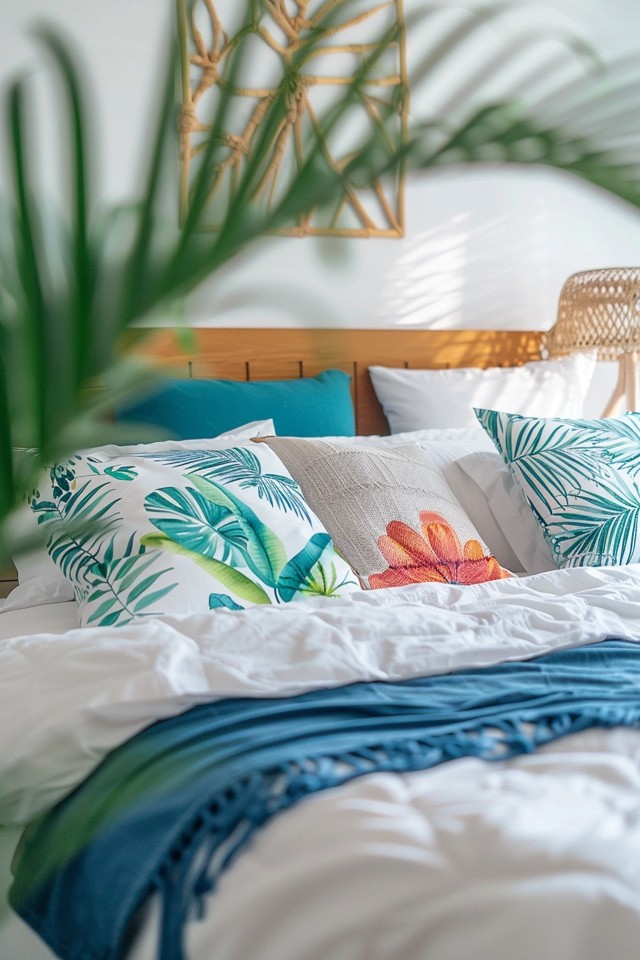
Top Coastal Bedroom Decor Ideas: Nautical Themes
Introduction
There is a fine line between a sophisticated coastal retreat and a room that looks like a theme park gift shop. I remember a project I took on in the Hamptons where the client was terrified of nautical decor. They had visions of cheap anchor motifs and bright red life preservers on every wall. My job was to show them that a nautical theme can actually be serene, textural, and incredibly refined.
The key to mastering this look lies in subtlety and material selection. We want to evoke the feeling of the ocean through texture, light, and color palette rather than relying on literal interpretations of boats and fish. A successful coastal bedroom should feel like a breath of fresh air the moment you walk in.
If you are looking for visual inspiration, check out the Picture Gallery at the end of the blog post.
1. Establishing a Sophisticated Nautical Palette
The foundation of any coastal bedroom is the color story. While navy and white are classic, relying solely on these two can feel stark or dated. To elevate the room, we need to introduce nuance and warmth.
Beyond Navy and White
A modern nautical palette draws from the entire landscape of the coast, not just the deep sea. I always recommend starting with a base of warm whites or soft creams rather than sterile, hospital-white paint. This mimics the tone of sun-bleached sails and sand.
From there, layer in shades of blue that have grey undertones. Think “stormy sea,” slate blue, or a misty teal. These colors change beautifully with natural light throughout the day. Finally, add grounding earth tones like driftwood greige, sandy beige, or a soft terracotta to prevent the room from feeling too cold.
Designer’s Note: The 60-30-10 Rule
I use this rule on almost every project to ensure balance.
- 60% Main Color: This is your wall color and large surfaces. In a coastal room, this is usually your warm white or soft sand tone.
- 30% Secondary Color: This creates depth. This could be your upholstery, curtains, or a feature wall in a muted slate blue.
- 10% Accent Color: This is where the bold nautical punch comes in. A navy throw pillow, a brass lamp, or dark wood accents.
Finishes Matter
Paint sheen is just as important as color. For coastal bedrooms, I prefer a matte or eggshell finish on the walls to absorb light and create a soft, velvety look. However, for trim and wainscoting, a satin or semi-gloss finish adds a crisp, architectural pop that mimics the brightwork on a boat.
2. Architectural Details and Wall Treatments
Nothing says “nautical” quite like woodwork. In a bedroom, adding texture to the walls is the fastest way to add character, especially in new builds that lack architectural soul.
Shiplap and Beadboard
Horizontal shiplap is the go-to for a modern coastal look. It visually widens the room, which is excellent for smaller bedrooms. For a more traditional or cottage feel, vertical beadboard works wonders.
If you are renting or on a strict budget, you don’t need to cover the whole wall. A beadboard wainscoting that goes up about 36 to 42 inches from the floor creates a beautiful ledge for art and anchors the bed.
Wallpaper with Texture
If wood paneling feels too heavy, look at grasscloth wallpaper. It is made from natural fibers and adds an instant organic, beachy smell and feel to the room. In a bedroom, a navy blue grasscloth behind a white headboard is a showstopper.
Common Mistakes + Fixes
- Mistake: Installing shiplap with no gaps.
- Fix: Use a “nickel gap.” You want a distinct shadow line between the boards (roughly the width of a nickel). Without this shadow, the wall just looks like flat plywood.
- Mistake: Stopping wainscoting at an awkward height.
- Fix: Generally, wainscoting should be either one-third of the wall height or two-thirds. Cutting the room exactly in half visually lowers the ceiling.
3. Selecting Furniture: Materials and Scale
In a coastal bedroom, the furniture should feel collected and weathered, not bought as a matching suite from a showroom. We want a mix of textures that imply durability against salt air.
Wood Tones and Finishes
Avoid high-gloss, dark cherry, or mahogany finishes, which can feel too formal and heavy. Instead, opt for light oaks, whitewashed woods, or grey-washed teak. These finishes hide dust (and sand) much better and contribute to an airy vibe.
Woven Materials
Incorporating rattan, cane, or wicker is non-negotiable for a nautical theme. However, use it sparingly. If your bed frame is rattan, keep the nightstands wood or painted. A cane-back accent chair in the corner is often enough to set the mood.
The “Nightstand Pinch Point”
A common issue in bedroom layouts is overcrowding the bedside area.
- Rule of Thumb: Ensure your nightstand is level with the top of your mattress, or no more than 2 inches higher/lower.
- Spacing: You need at least 3 inches between the edge of the bed and the nightstand to allow bedding to drape naturally.
- Walking Path: Always maintain a minimum of 30 inches of walking clearance around the sides and foot of the bed. If your room is tight, downsize from a dresser to a tallboy (chest of drawers) to save floor space.
Practical Constraints: Pets and Kids
If you have dogs that sleep in the room or kids jumping on the bed, skip the delicate wicker footboard. It will snap. Instead, choose a sturdy upholstered bed in a performance fabric (like Crypton or Sunbrella) that resists stains and claws. A slipcovered linen headboard is also a great option because it can be removed and washed.
4. Layering Textiles for Comfort
The bedroom is a sanctuary, and the textiles define the comfort level. In a nautical theme, we want fabrics that feel breathable and natural.
Bedding Essentials
Start with crisp, white percale sheets. They feel cool to the touch, like a fresh breeze. Layer this with a duvet cover in 100% linen. Linen has a natural wrinkle that looks relaxed and effortless, fitting the coastal vibe perfectly.
For the colder months, add a chunky knit cotton throw or a wool blanket in navy or charcoal at the foot of the bed. This adds visual weight and warmth.
Rug Sizing and Materials
A rug anchors the room. For coastal aesthetics, natural fiber rugs like Jute and Sisal look beautiful, but they can be rough on bare feet in a bedroom.
My Professional Recommendation: Look for a Jute/Wool blend or a wool rug that mimics the look of natural fiber. You get the texture without the scratchiness.
Rug Sizing Guide:
- Queen Bed: Use an 8’x10’ rug. The rug should start about 12-18 inches away from the nightstands, extending past the foot of the bed.
- King Bed: Use a 9’x12’ rug. This ensures you have a soft landing on both sides of the bed when you wake up.
Curtains and Window Treatments
To maximize natural light, avoid heavy velvets or opaque drapes. sheer linens or lightweight cotton blends allow light to filter through while maintaining privacy.
Hang your curtain rod at least 4-6 inches above the window frame (or all the way to the ceiling molding) and extend the rod 6-10 inches past the sides of the window. This makes the window look huge and allows the curtains to stack against the wall, not blocking the glass.
5. Lighting and “Non-Kitsch” Accessories
This is where the design either succeeds or fails. The goal is to nod to the nautical theme without hitting the reader over the head with it.
Lighting with Character
Lighting is the jewelry of the room.
- Sconces: Brass swing-arm sconces are classic nautical. They evoke the feel of a ship’s cabin reading light.
- Pendants: A woven basket pendant or a glass lantern style fixture works well as a central light.
- Kelvin Temperature: Always use bulbs with a color temperature of 2700K to 3000K. This is a warm white. Anything higher (4000K+) will look blue and clinical, killing the relaxation vibe.
Accessorizing Rules
Limit yourself to one or two literal nautical items. If you have a vintage model ship, that is your centerpiece. Don’t add an anchor pillow and a “Beach House” sign next to it.
Approved Decor Items:
- Framed vintage sea charts or maps (especially of local waters).
- Driftwood pieces on a bookshelf.
- Large glass hurricane vases with white pillar candles.
- Round mirrors hung by a thick leather strap or rope (recalling a porthole).
- Coral sculptures (faux is better for the environment).
Hardware Upgrades
Swapping out standard drawer pulls for polished nickel or unlacquered brass cleats or cup pulls is a subtle way to introduce maritime elements. Polished nickel mimics the chrome on a boat, while brass warms up the cool blue tones of the room.
Final Checklist: What I’d Do in a Real Project
If I were hired to design your coastal bedroom tomorrow, this is the exact workflow I would follow. You can use this as your project roadmap.
Phase 1: Planning
- Measure the Room: note windows, doors, and outlets.
- Determine Layout: Ensure the bed faces the view or the entry, not the closet.
- Select Palette: Pick one white, one neutral, and one blue.
Phase 2: The Shell
- Paint/Wall Treatment: Apply shiplap or paint. Matte for walls, satin for trim.
- Flooring: If you have carpet, ensure it’s clean. If hardwood, add the rug.
Phase 3: Major Furniture
- Bed Installation: Place the bed first. It dictates everything else.
- Nightstands: Check heights against the mattress.
- Storage: Place dresser to ensure drawers can open fully without hitting the bed.
Phase 4: Styling
- Lighting: Install sconces or place lamps. ensure switches are reachable from bed.
- Textiles: Layer the rug, then the bedding, then the decorative pillows.
- Art: Hang art at eye level (center of the piece should be 57-60 inches from the floor).
FAQs
How do I make a small bedroom look coastal without clutter?
In small spaces, lean heavily on white and light wood tones. Dark blues can make a small room feel cozy, but if you want “airy,” stick to lighter shades. Use mirrors to reflect light and choose nightstands with open legs rather than solid blocks to increase visual floor space.
Can I mix metals in a nautical room?
Absolutely. In fact, you should. A mix of oil-rubbed bronze (for contrast) and satin brass (for warmth) looks curated. A good rule of thumb is to pick a dominant metal for 70% of fixtures and a secondary metal for the remaining 30%.
I rent my apartment. How can I add shiplap?
I do not recommend using real wood shiplap in a rental as it damages the drywall upon removal. Instead, look for “peel and stick” wallpaper that features a realistic shiplap pattern. From a few feet away, it is hard to tell the difference. Alternatively, focus on a large-scale headboard that creates the architectural interest for you.
Is blue the only color for nautical themes?
No. You can do a “neutral nautical” using only shades of white, cream, beige, and tan. The “nautical” feel comes from the textures (rope, linen, weathered wood) and the hardware (brass, nickel) rather than the blue paint.
Conclusion
Creating a top-tier coastal bedroom is about capturing the essence of the lifestyle rather than replicating a scene from a movie. It is about the tactile experience—the smoothness of worn wood, the crispness of percale sheets, and the warmth of brass lighting.
By sticking to a refined palette, prioritizing natural materials, and respecting the rules of scale and layout, you can create a space that feels like a vacation home, regardless of how far you are from the water. Remember to edit your accessories ruthlessly and focus on quality over quantity. Sleep well.
Picture Gallery


