
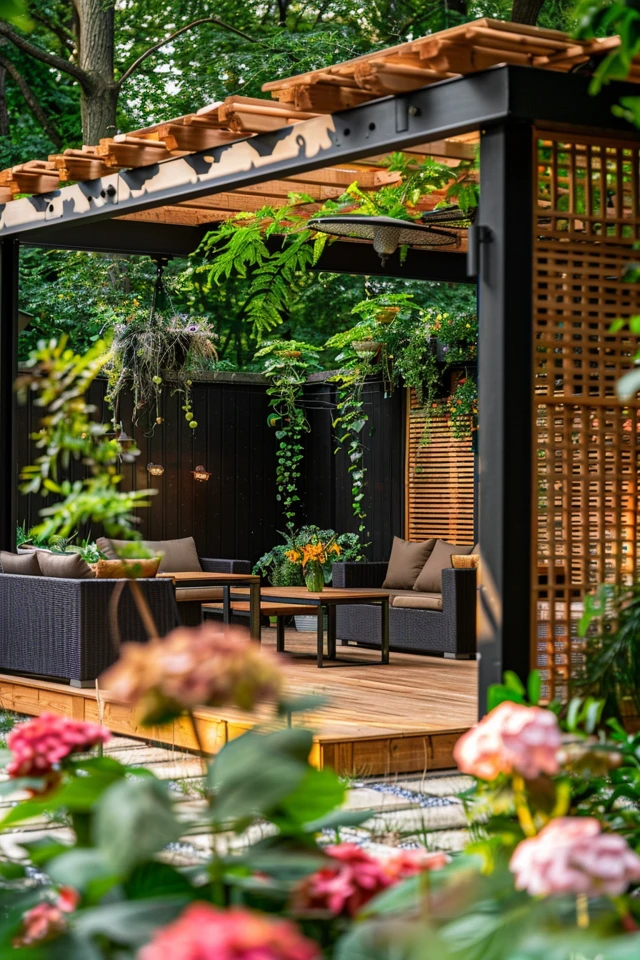
Transform Your Space with Backyard Gazebo Decor Ideas
A gazebo is often the architectural jewel of a backyard, yet I see so many homeowners unsure of how to utilize it. It sits empty at the end of the garden path, looking beautiful but feeling abandoned. I remember a specific project where a client had a stunning cedar octagonal structure that they used strictly to store pool noodles and bags of potting soil. It was a wasted opportunity for an outdoor sanctuary.
Transforming this structure requires seeing it as an extension of your home, not just part of the lawn. It needs the same attention to flow, lighting, and texture that you would apply to your living room. The goal is to create a destination that draws you out of the house. For more visual inspiration, be sure to scroll down to the Picture Gallery at the end of this post.
With the right layout and durable materials, your gazebo can become a dining room, a reading nook, or a full entertainment hub. Below, I will walk you through the practical steps to design a space that is both functional and stylish, including the specific measurements and rules I use on actual job sites.
Defining the Function and Flow
Before you buy a single pillow, you must decide what this room is for. In interior design, form always follows function. A gazebo is rarely large enough to be a “multipurpose” room unless it is a custom, expansive build (over 12×14 feet). For standard 10×10 or 12×12 structures, you need to pick one primary use: dining or lounging.
If you choose dining, the table shape should mimic the shape of the gazebo. Use a round table for octagonal or round gazebos, and a square or rectangular table for square structures. This maintains the visual symmetry and maximizes floor space.
If you choose lounging, avoid pushing all the furniture against the rails. This creates a “waiting room” effect. Instead, float a loveseat or two chairs slightly inward to create an intimate conversation circle.
Clearance Rules of Thumb
- The 36-Inch Rule: Always leave a minimum of 36 inches of clearance for main walkways. If you have to turn sideways to get past a chair, the furniture is too big.
- Dining Push-Back: For dining setups, you need 24 to 30 inches behind each chair so guests can slide out without hitting the railing or posts.
- Entrance Space: Keep the entry point completely clear. Do not block the view into the gazebo with a piece of furniture; it psychologically discourages people from entering.
Designer’s Note
The biggest mistake I see is ignoring scale. A standard overstuffed outdoor sofa set often measures 80 to 90 inches wide. In a 10-foot gazebo (120 inches), that leaves you with very little room for side tables or movement. Always tape out the footprint of furniture on the floor with painter’s tape before purchasing.
Lighting the Structure for Evening Use
Lighting is what turns a dark wooden cage into a welcoming room at night. Since gazebos have roofs, you have overhead opportunities that you don’t get on a standard patio. The key here is layering light sources just as you would indoors.
Start with an overhead fixture to ground the space. If your gazebo is wired for electricity, a wet-rated outdoor chandelier adds incredible value. If you are renting or lack hardwiring, battery-operated LED pendants or high-quality solar chandeliers are viable alternatives, though they rarely provide “task” lighting.
Supplement the overhead light with perimeter lighting. String lights are a classic choice for a reason—they provide a soft, diffuse glow that flatters faces. Run them along the inside perimeter of the roofline to highlight the architecture without dazzling your guests.
Hanging Heights and Placement
- Over a Table: Hang your chandelier so the bottom is 30 to 36 inches above the tabletop.
- Over a Lounge Area: If people will be walking under it, the bottom of the fixture needs to be at least 80 to 84 inches from the floor (7 feet) to clear tall guests.
- Cord Management: If you use plug-in fixtures, run the cord down the least visible post (usually the back one). Use cable staples or color-matched zip ties to secure the cord tightly to the wood so it disappears.
Common Mistakes + Fixes
Mistake: Relying 100% on solar path lights around the outside.
Fix: Solar path lights point down at the dirt. They do nothing for the people inside the gazebo. Bring light up to eye level with portable LED lanterns on tables or floor lamps rated for outdoor use.
Selecting Durable Furniture and Textiles
The gazebo roof provides shade, but it does not fully protect against driving rain, pollen, or humidity. You must select materials that can handle moisture. For furniture frames, I prefer aluminum or high-quality resin wicker over steel, which will eventually rust if the powder coating chips. Teak is beautiful but requires annual oiling to maintain its color; otherwise, it will weather to a silvery gray.
Textiles are where you bring in comfort. A gazebo without fabric feels hard and uninviting. Start with a rug to define the zone. A rug anchors the furniture and covers potential splinters in older wooden decks.
The Rug Sizing Guide
- Anchor the Legs: At a minimum, the front legs of all seating furniture should sit on the rug. Ideally, all legs should fit.
- The Border Rule: Leave 12 to 18 inches of the gazebo floor visible around the edge of the rug. This highlights the flooring material and prevents the rug from looking like wall-to-wall carpet.
- Material: Use polypropylene rugs. They are mold-resistant and can be hosed down. Avoid jute or natural fibers, as they absorb moisture and rot in damp outdoor conditions.
Fabric Durability
For cushions and curtains, look for solution-dyed acrylic fabrics. “Solution-dyed” means the color goes all the way through the fiber (like a carrot), unlike printed fabrics where the color is just on top (like a radish). This prevents fading from the sun.
Make sure your cushion foam is “reticulated” or flow-through foam. This type of foam allows water to pass right through it rather than acting like a sponge. If you buy standard indoor pillows, they will get moldy inside within a month.
Creating Privacy and Weather Protection
One of the main benefits of a gazebo is the ability to create a private enclosure. If your yard faces a neighbor or a busy street, styling the sides of the gazebo is just as important as the inside.
Outdoor curtains are the most flexible option. They soften the hard lines of the wooden posts and introduce movement. However, wind is a major factor. Outdoor curtains blowing horizontally can knock over wine glasses and annoy guests.
Managing Wind and Privacy
- Weights: Buy curtains with weighted hems or sew heavy washers into the bottom seam.
- Tie-Backs: Install substantial hooks or tie-backs on every post. Keep curtains secured when not in use to prevent them from becoming sails during a storm.
- Length: Outdoor curtains should “kiss” the floor or hover 1 inch above it. Do not let them puddle on the ground like indoor drapes; they will collect dirt, moisture, and pests.
For a more permanent privacy solution, consider installing a trellis or lattice panel on one side of the gazebo. You can grow climbing vines like jasmine or clematis on this screen. This creates a “living wall” that blocks sightlines but allows breeze to pass through.
Styling the Details: Plants and Decor
The finishing touches bridge the gap between the garden and the structure. Since a gazebo is surrounded by nature, you might think you don’t need plants inside. I disagree. bringing greenery onto the deck helps blur the boundary between “outside” and “inside.”
Use the vertical space. Hanging baskets are traditional for gazebos, but ensure they are hung high enough to clear head-space. Place them in the gaps between posts rather than directly in the entryways.
The Rule of Three
When styling a coffee table or dining table, use the rule of three. Group three items of varying heights. For example:
1. A tall lantern or vase.
2. A mid-height potted succulent or citronella candle.
3. A low stack of outdoor coasters or a small bowl.
Designer’s Note on Materials
Avoid glass decor items. Wind gusts can knock items off tables, and cleaning broken glass out of deck grooves or grass is a nightmare. Opt for melamine, acrylic, wood, or galvanized metal for all accessories.
Final Checklist: What I’d Do in a Real Project
If I were hired to design your gazebo tomorrow, this is the exact workflow I would follow. You can use this as your project roadmap.
Step 1: Measure and Tape
Measure the interior floor space and the distance between posts. Use blue painter’s tape to outline where the furniture will go. Verify 36-inch walkways.
Step 2: Check the Decking
Inspect the floorboards. Power wash and reseal the wood if necessary. If the wood is in bad shape, an outdoor rug is mandatory.
Step 3: Establish the Lighting Plan
Determine power access. If hardwiring isn’t possible, buy high-quality string lights and an outdoor extension cord. Plan where the cord will hide.
Step 4: Select Anchor Pieces
Purchase the main furniture (dining set or lounge set). Choose neutral frame colors (black, white, teak) and use cushions for color.
Step 5: Add Softness
Install curtain rods and hang outdoor drapes. Lay down the area rug.
Step 6: Accessorize
Add toss pillows (outdoor rated), a throw blanket for chilly nights, and tabletop decor.
Step 7: Greenery
Place two large planters flanking the entrance to frame the view.
FAQs
How do I keep my gazebo rug from ruining the wood deck underneath?
This is a valid concern. Moisture trapped under a rug can rot wood. Use a rug pad specifically designed for outdoor decks that allows for airflow. More importantly, roll the rug up during heavy rainy seasons or winter to let the wood breathe.
Can I leave my gazebo furniture out all winter?
It depends on your climate. Even “all-weather” wicker can crack in freezing temperatures. I recommend buying custom-fit furniture covers for the winter. If you have storage space (like a shed or garage), bring the cushions inside. Frames can usually stay out if covered.
My gazebo is small (8×8). How do I fit seating?
In small spaces, built-in benches are a lifesaver. You can build a bench along three sides of the railing. This provides maximum seating without the bulk of separate chairs. Alternatively, use a “bistro set” (two small chairs and a tiny table) which is scaled for tight spaces.
Conclusion
Designing a gazebo is about more than just filling a space with furniture; it is about creating a reason to be outside. By respecting the rules of flow, investing in the right lighting, and choosing materials that can withstand the elements, you turn a simple wooden structure into a true extension of your home.
Start with the function, measure carefully, and layer in the comfort. Whether you are sipping coffee in the morning sun or hosting a dinner party under the stars, a well-decorated gazebo will quickly become your favorite room in the house—even if it isn’t technically inside it.
Picture Gallery


