
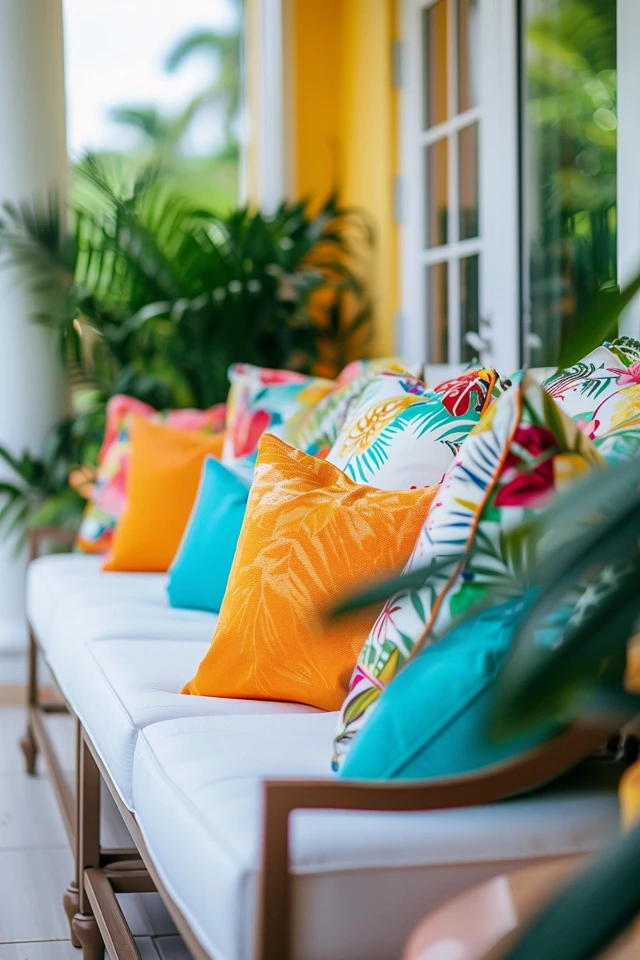
Tropical Florida Lanai Ideas for Blissful Homes
Living in Florida offers a unique architectural perk that defines the lifestyle here: the lanai. It is more than just a patio or a porch; it is a true extension of your interior living space. If you are looking for visual inspiration, you can skip to our Picture Gallery at the end of the blog post.
For many of my clients, the lanai is actually the most used room in the house. It serves as the morning coffee spot, the dining room for family dinners, and the primary entertaining zone. However, designing this space comes with specific challenges regarding humidity, salt air, and intense sunlight.
To create a blissful tropical retreat, you need to balance aesthetic beauty with extreme durability. This guide covers the practical steps, layout rules, and material choices I use to design lasting Florida lanais.
1. Layout and Zoning: Flow is Everything
The biggest mistake I see in DIY lanai design is treating the space like a storage locker for random furniture. You must treat it exactly like an interior living room. This means defining zones based on how you actually live.
If you have a pool, you need a distinct “wet zone” and “dry zone.” You do not want wet swimsuits sitting on your expensive upholstered lounge chairs.
Start by measuring the entire footprint of the lanai. Draw it out on paper. You need to establish traffic patterns that allow people to move freely without bumping into chairs or tables.
Traffic Flow Rules of Thumb
- Main Pathways: Keep a clear walkway of at least 36 to 42 inches for main traffic areas. This is especially important near sliding glass doors.
- Between Furniture: Allow 18 to 24 inches between a coffee table and the sofa. This allows legroom but keeps drinks within reach.
- Dining Clearance: If you have a dining table, you need 36 inches of clearance from the edge of the table to the nearest wall or obstacle. This allows guests to slide their chairs back comfortably.
The View Corridor
When arranging furniture, consider the view from inside your home. Do not place a high-back loveseat directly in front of your sliding glass doors.
This blocks your sightline to the outdoors and makes the interior room feel smaller. Instead, use low-profile furniture or place two individual chairs with a gap between them to maintain the view.
Designer’s Note: The Rug Trap
A common error is buying a rug that is too small for the space. A “postage stamp” rug makes the furniture look like it is floating away.
The Rule: At least the front legs of all seating furniture should sit on the rug. If you are styling a dining area, the rug must be large enough that when a chair is pulled out, the legs stay on the rug. Usually, this means the rug should extend 24 inches beyond the table on all sides.
2. Material Selection: Surviving the Florida Elements
Florida is harsh on materials. The combination of high UV index, humidity, and salty air (even if you aren’t directly on the beach) will destroy standard furniture quickly.
When I shop for clients, I ignore aesthetics initially and filter strictly by material composition. You want to buy furniture once, not every season.
Metals: Aluminum is King
Avoid wrought iron or standard steel unless it has been heavily treated. It will rust, and it will stain your pavers.
Look for powder-coated aluminum. It is lightweight, rust-proof, and the powder coating adds a durable color finish that resists chipping. If you live within five miles of the coast, wipe the frames down monthly to remove salt buildup.
Woods: Teak and Acacia
If you want the warm look of wood, Teak is the gold standard. It contains natural oils that repel water and rot.
However, be aware that teak will turn a silvery-gray patina over time if left untreated. If you want it to stay honey-brown, you must oil it every 3 to 6 months.
Acacia is a budget-friendly alternative but requires more sealing. I generally avoid pine or oak for exposed lanais.
Wicker: Synthetic Only
Do not use natural rattan or wicker outdoors in Florida; the humidity will cause it to brittle and snap.
Look for High-Density Polyethylene (HDPE) resin wicker. It looks like the real thing but is completely waterproof and UV resistant. Avoid PVC wicker, which often cracks and peels after one intense summer.
Common Mistakes + Fixes
Mistake: Buying “water-resistant” cushions from a big-box store.
Fix: Invest in solution-dyed acrylic fabrics like Sunbrella or Crypton. These fabrics are dyed all the way through the fiber, like a carrot, rather than just on the surface, like a radish. They do not fade easily and are bleach-cleanable.
Mistake: Choosing open-cell foam for uncovered areas.
Fix: If your furniture will get rained on, use reticulated foam (also called “quick-dry” foam). It allows water to pass right through it, preventing mold growth inside the cushion.
3. Curating the “Tropical” Aesthetic
Achieving a tropical look does not mean you need flamingo prints and bamboo tiki torches. Modern Florida design is about sophisticated, organic layers.
We want to mimic the colors and textures found in nature. Think of the contrast between deep green palm fronds, sandy beaches, and crisp white clouds.
The Color Palette
Start with a neutral base for your large investment pieces. I usually choose sofas and sectionals in whites, creams, or light grays. This keeps the look airy and repels heat.
Bring in the “tropical” vibe through accents that are easy to swap out:
- Accents: Coral, turquoise, palm leaf green, or navy blue.
- Textures: Jute, rope, and rough-hewn wood.
Wall Decor and Privacy
Lanais often have one solid wall that is part of the house exterior. Treat this like an indoor wall.
Hang large-scale outdoor art or a weather-resistant mirror. A mirror is a fantastic trick for small lanais because it reflects the greenery from the garden, effectively doubling the lushness.
Make sure any art is printed on aluminum or UV-resistant canvas. Wooden frames will warp, so stick to poly-resin frames that look like wood.
Designer’s Note: Ceiling Treatment
Don’t ignore the ceiling. Many Florida lanais have stucco ceilings that feel unfinished.
I often recommend installing tongue-and-groove planks made of PVC (which looks like wood) on the ceiling. Staining this a dark walnut color instantly makes the space feel high-end and cozy.
4. Lighting: Setting the Mood After Sunset
A lanai should be magical at night. Unfortunately, many homes only have a single, bright security light on the wall. This kills the ambiance.
Lighting needs to be layered. You want a mix of overhead light, task light, and mood light.
The Kelvins Matter
Pay attention to the color temperature of your bulbs. For a relaxing, residential feel, stick to 2700K (Warm White) or 3000K (Soft White).
Avoid 4000K or 5000K (Daylight) bulbs. These emit a blueish light that feels like a hospital or a gas station. It is not conducive to relaxation.
Layering Strategies
1. Ceiling Fans with Lights:
A fan is non-negotiable in Florida. Ensure it is “Wet Rated” if it is exposed to rain, or “Damp Rated” if it is under a solid roof. Look for fans with a dimmable light kit so you can control the brightness.
2. String Lights:
Commercial-grade string lights draped across the screen enclosure add instant charm. Ensure the heavy cord is supported properly so it doesn’t sag. I recommend bistro-style lights with Edison bulbs.
3. Portable Lanterns:
Use large lanterns on the floor or tables with battery-operated LED candles. They provide a soft glow at eye level, which is very flattering for guests.
4. Landscape Uplighting:
If you have plants around the perimeter of the lanai screen, uplight them from the ground. This creates a dramatic backdrop and expands the visual depth of the space at night.
5. Lush Landscaping: Inside and Out
To get that true tropical feel, you need to blur the lines between the built environment and nature. This involves placing plants both inside the lanai and immediately outside the screen.
Potted Plants on the Lanai
Plants inside the screen enclosure soften the hard edges of pavers and aluminum. However, remember that screens block about 30% of sunlight and also block some rain.
You will need to hand-water these plants. Choose hardy tropicals that thrive in filtered light:
- Areca Palms: Great for height and filling corners.
- Bromeliads: Add pops of color without needing flowers.
- Snake Plants: Nearly indestructible and have a modern architectural look.
- Fiddle Leaf Figs: They actually do better on a humid Florida lanai than they do indoors.
Pot Selection
Ensure every pot has a drainage hole. If water sits in the bottom, the roots will rot in the humidity.
Use “pot feet” or a plant stand to lift the pot off the pavers. This prevents ring stains on your floor and allows air to circulate under the pot.
Screening for Privacy
If your lanai faces a neighbor, use landscaping outside the screen to create a green wall.
Clusia and Podocarpus are excellent hedging plants for Florida. They grow dense and can be trimmed to a specific height. Plant them about 3 feet away from the screen to allow for maintenance access.
Designer’s Note: Scale of Greenery
When buying pots, go bigger than you think you need. A small 8-inch pot looks cluttered on a large lanai.
Opt for planters that are at least 18 to 24 inches tall. Group them in clusters of three at varying heights (tall, medium, short) for a balanced composition.
Final Checklist: What I’d Do in a Real Project
If I were designing your lanai tomorrow, here is the exact sequence of steps I would follow to ensure success.
Phase 1: Planning
- Measure the room and sketch a floor plan.
- Identify the “Wet Zone” vs. “Dry Zone.”
- Determine the furniture sizes based on the 36-inch walkway rule.
Phase 2: Purchasing
- Select a neutral foundation (sofa/dining) in powder-coated aluminum or teak.
- Ensure cushions are covered in solution-dyed acrylic (e.g., Sunbrella).
- Buy a rug made of 100% polypropylene.
- Select a wet-rated ceiling fan with a 2700K light kit.
Phase 3: Installation & Styling
Frequently Asked Questions
Is a lanai the same thing as a porch?
Technically, yes, but in Florida, “lanai” specifically refers to a roofed, open-sided living area that is usually screened in. It often includes the pool area. A porch is generally at the front of the house, while a lanai is a private space at the back.
How do I keep my outdoor rug from getting moldy?
Sunlight is the best disinfectant, but moisture is the enemy. Avoid rugs with latex backings, as they trap water against the pavers. Use a recycled plastic or polypropylene rug that breathes. If it gets dirty, pressure wash it and drape it over a railing to dry completely in the sun.
How do I keep bugs out if I don’t have a screen?
If your lanai is open, install a high-velocity ceiling fan directly over the seating area. Mosquitoes are weak fliers and cannot navigate strong air currents. You can also plant lemongrass and lavender in pots, though their effectiveness is mild compared to a good fan.
Can I put an indoor TV outside on the lanai?
I do not recommend it. Humidity will corrode the internal components of a standard TV quickly, even if it is under a roof. It is safer to buy an outdoor-rated TV enclosure or invest in a specific outdoor television designed to withstand moisture and temperature fluctuations.
Conclusion
Creating a blissful tropical lanai is about embracing the Florida lifestyle while acknowledging the Florida climate. By choosing the right materials, planning a functional layout, and layering in warm lighting and lush greenery, you can create a sanctuary that feels like a permanent vacation.
Remember that this space should be low maintenance. The goal is to spend your time enjoying the breeze with a cold drink, not scrubbing rust off your furniture. Take your time selecting quality pieces, and your lanai will serve you well for years to come.
Picture Gallery


