
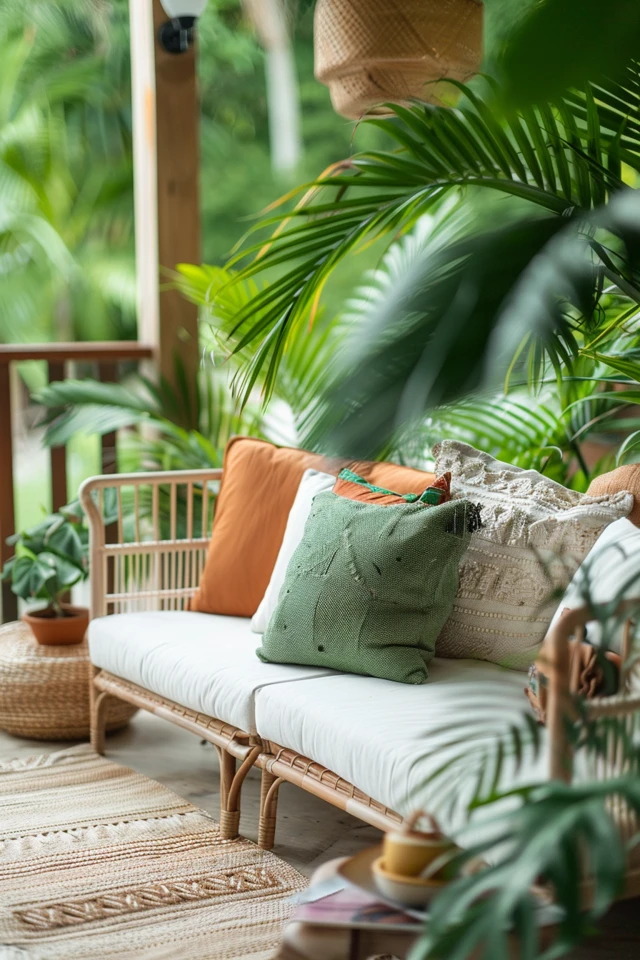
Tropical Lanai Decorating Ideas to Inspire You
A lanai is more than just a porch; it is a lifestyle statement deeply rooted in Hawaiian and Floridian architecture. It serves as the bridge between the comfort of your interior living room and the raw beauty of the outdoors. Creating a tropical oasis here requires a careful balance of durability and aesthetic appeal.
Designing this space effectively means understanding humidity, light, and traffic flow. You want a space that feels lush and relaxing, but you also need materials that can withstand the elements. If you are looking for visual inspiration to spark your creativity, be sure to check out the Picture Gallery is at the end of the blog post.
Whether you are working with a compact condo balcony or a sprawling screened-in patio, the principles of tropical design remain the same. We will focus on natural textures, breathable layouts, and resilient materials. Let’s transform your lanai into a functional paradise.
1. Establishing the Tropical Foundation: Flooring and Walls
The “envelope” of your lanai sets the tone for the entire design. In tropical decor, you generally want to avoid heavy, dark materials that absorb heat. Instead, aim for light, airy, and natural finishes that reflect the light.
If you are renovating, consider travertine or light-colored porcelain tile. These materials stay cooler underfoot than dark stone or concrete. If you are working with existing concrete, an outdoor area rug is your best friend for defining the space.
Designer’s Note: The Rug Rule
A common mistake I see is using natural fiber rugs like jute or sisal in an open lanai. While they look tropical, they absorb moisture and will mold quickly in humid environments. Always opt for solution-dyed polypropylene or recycled plastic rugs that mimic the look of sisal but can be hosed down.
Wall Treatments for Atmosphere
Standard siding can feel cold and industrial. To bring in warmth, consider adding a feature wall using horizontal wood slats or a bamboo screen. This adds instant texture and creates a backdrop for your furniture.
If you are renting, you cannot change the walls, but you can hang outdoor curtains. Choose sheer, gauzy fabrics in white or cream. They soften the hard architectural lines and sway beautifully in the breeze, enhancing that resort feel.
2. Selecting Furniture: Materials That Last
Tropical design relies heavily on organic materials, but durability is paramount. You need furniture that can handle temperature fluctuations and potential dampness. The goal is to mix textures to avoid a “matchy-matchy” catalog look.
The Hierarchy of Outdoor Materials:
- Teak: The gold standard for tropical wood. It contains natural oils that repel water. It will weather to a silvery gray unless you seal it annually.
- PE Wicker (Polyethylene): This is synthetic resin wicker. It looks like natural rattan but does not crack or peel in the sun. Avoid PVC wicker, which is cheaper but eventually becomes brittle.
- Powder-Coated Aluminum: Great for a modern tropical look. It does not rust, making it ideal for coastal homes with salt air.
Scale and Proportion
Lanais can often be narrow. Avoid overstuffed, rolled-arm sofas if your depth is limited. Look for furniture with “open frames”—where you can see through the back or sides—to keep the visual weight light.
What I’d do in a real project:
I typically mix materials to create depth. I might use a teak dining table paired with woven synthetic wicker chairs. Then, I would add a ceramic or stone side table. Mixing wood, weave, and stone makes the space feel curated rather than purchased as a set.
3. Mastering Layout and Flow
The layout is where most DIY designs fail. A tropical lanai should feel breezy and uncluttered. If you overcrowd the furniture, you block the airflow and the view, which defeats the purpose of the room.
Traffic Patterns
You must maintain clear pathways. In interior design, we require a minimum of 30 to 36 inches for a comfortable walkway. On a lanai, try to keep this closer to 36 inches to account for carrying trays of food or drinks.
The Conversation Circle
Pull your furniture away from the walls. Floating your seating arrangement creates an intimate conversation zone. Place your sofa and chairs so the front legs sit on the area rug.
Specific Measurements to Remember:
- Coffee Table Distance: Keep 18 inches between the edge of the sofa and the coffee table. This is close enough to reach a drink but far enough to walk through.
- Side Tables: Every seat needs a surface within arm’s reach for a beverage. If you don’t have room for a coffee table, use garden stools.
- Dining Clearance: If you have a dining table, ensure there is at least 24 inches of clearance behind each chair so guests can slide out easily.
Common Mistakes + Fixes
Mistake: Blocking the door to the house.
Fix: Ensure the transition from indoor to outdoor is seamless. Do not place the back of a sofa facing the sliding glass door. If you must, use a console table behind the sofa to soften the view.
4. Textiles: Introducing Color and Comfort
The “tropical” vibe comes alive through textiles. This is where you introduce the greens, corals, and aquas. However, outdoor fabrics have come a long way, and you should only use performance-grade materials.
Fabric Selection
Look for 100% solution-dyed acrylic fabrics. Brands like Sunbrella are the industry standard because the color goes all the way through the fiber, like a carrot. Cheaper printed polyester is like a radish—color on the outside, white inside—and it will fade within one season.
Pattern Mixing Strategy
To achieve a sophisticated tropical look, use the “60-30-10” rule for patterns:
- 60% Solids or Textures: This is your sofa upholstery. stick to neutrals like sand, white, or soft gray.
- 30% Large Scale Print: This is your tropical punch. Think banana leaves, palms, or bold stripes on accent pillows or a side chair.
- 10% Small Geometric: Use this for lumbar pillows or piping. A small trellis or bamboo lattice pattern works well here.
Cushion Foam Density
If your lanai is screened but exposed to blowing rain, you need “reticulated foam” (also known as quick-dry foam). This foam has large open pores that allow water to run right through it, preventing mold growth inside the cushion.
5. Lighting and Greenery: The Finishing Touches
Lighting transforms a lanai from a daytime hangout to an evening retreat. Since a lanai is often roofed, you can treat the lighting plan similarly to an indoor room but with weather-rated fixtures.
Layering Your Light
Overhead lighting alone is unflattering. It casts shadows on faces. You need three layers of light:
- Ambient: A damp-rated ceiling fan with a light kit is essential for air circulation and general illumination.
- Task: If you read outside, consider a floor lamp with a heavy base (so it doesn’t blow over). Ensure it is outdoor-rated.
- Accent: String lights or lanterns create the “mood.” Run bistro lights across the ceiling in a zigzag pattern for a festive feel.
Bringing the Jungle In
A tropical lanai is not complete without plants. Since the space is covered, you need plants that thrive in shade or indirect light. Avoid full-sun plants like hibiscus unless they are on the perimeter.
Top Plant Picks for Lanais:
- Areca Palms: These add height and volume instantly.
- Snake Plants: Nearly indestructible and have a great architectural shape.
- Bromeliads: These provide a pop of color without needing flowers.
- Monsteras: The ultimate tropical leaf, they love the humidity of a lanai.
Designer’s Note on Planters
Use planters to bridge the gap between furniture and architecture. I like to group three planters of varying heights in a corner. Ensure every pot has a drainage hole and a saucer, so you don’t stain your flooring with muddy water.
Final Checklist: Your Tropical Lanai Transformation
Use this checklist to ensure you have covered all the bases before you start buying.
Planning Phase:
- Measure the room length and width.
- Note the locations of doors and traffic paths.
- Observe the sun pattern: does the rain blow in?
- Determine your budget.
Purchasing Phase:
- Select a rug that is large enough to anchor the furniture (front legs on).
- Choose main furniture pieces in teak, aluminum, or PE wicker.
- Verify all fabrics are solution-dyed acrylic.
- Select lighting with “damp” or “wet” ratings.
Styling Phase:
- Place furniture to allow 36-inch walkways.
- Add throw pillows in tropical patterns.
- Position plants in corners to soften edges.
- Add a side table for every seat.
Frequently Asked Questions
How do I keep my lanai furniture from getting moldy?
Circulation and sunlight are key. Keep furniture uncovered during sunny days so moisture can evaporate. Regularly brush off dust and pollen, as mold feeds on organic dirt, not the fabric itself. If you live in a very damp area, bring cushions inside during long periods of rain.
What is the best way to cool a lanai without AC?
Install a high-quality ceiling fan with a high CFM (Cubic Feet per Minute) rating. The larger the blade span, the better. Solar shades or bamboo roller blinds can also block the heat of the sun before it enters the space, significantly lowering the temperature.
Can I use indoor furniture on a covered lanai?
Generally, no. Even if the rain doesn’t hit it, the humidity will warp indoor woods and rust indoor metals. Indoor fabrics will fade and mildew. Always stick to furniture specifically built for outdoor use to ensure your investment lasts.
How do I make a small lanai look bigger?
Use furniture with legs rather than solid bases. Seeing the floor underneath the furniture tricks the eye into thinking the space is larger. Also, use a large mirror (outdoor rated) on a wall to reflect the view and double the visual depth.
Conclusion
Creating a tropical lanai is about more than just buying palm-print pillows. It requires a thoughtful approach to layout, a commitment to durable materials, and an eye for layering textures. When done correctly, this space becomes the most popular room in—or out of—the house.
Remember that comfort is king. If the seat isn’t comfortable or the flow is awkward, you won’t use the space, no matter how beautiful it looks. Start with a solid foundation, layer in your tropical accents, and enjoy your personal slice of paradise.
Picture Gallery


