
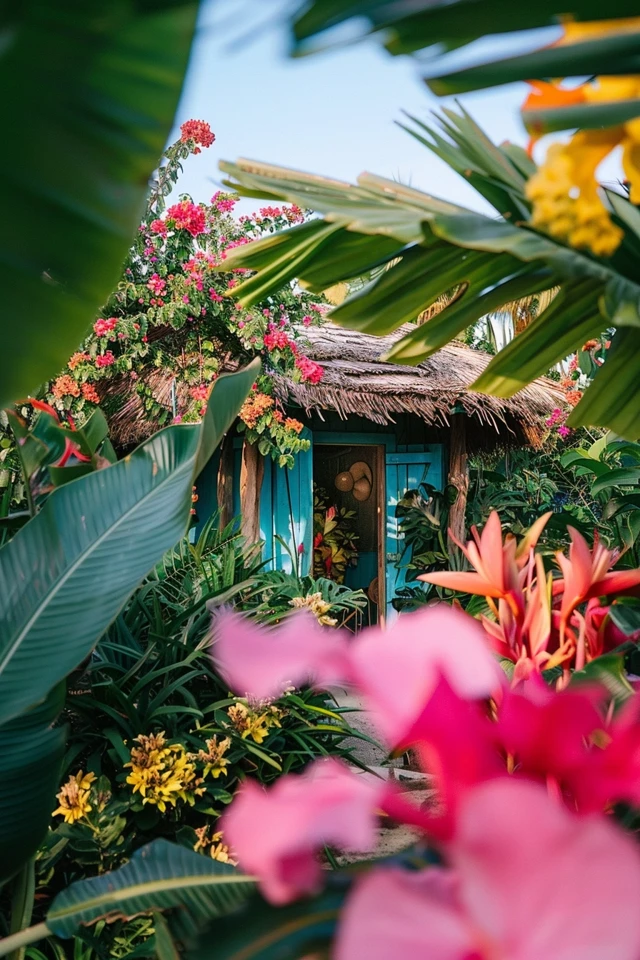
Tropical Vibes: My Top Backyard Tiki Hut Ideas
There is something undeniably magnetic about a tiki hut. It immediately signals that it is time to disconnect from the daily grind and grab a cold drink. Over the years, I have helped clients transform standard suburban backyards into private resorts, and the tiki bar often becomes the heart of the home.
However, creating a tropical escape that feels high-end rather than kitschy requires a careful balance of materials and layout. You want the space to feel transported, but it still needs to function as a durable outdoor room. For plenty of visual inspiration, make sure to check out the curated Picture Gallery at the end of this blog post.
Whether you are planning a full-scale construction project or just styling a thatched umbrella area, the principles of good design remain the same. Let’s dive into the practical details of building a backyard retreat that lasts longer than a single summer.
1. Planning the Structure and Location
The biggest mistake homeowners make is treating a tiki hut like a piece of furniture rather than a structure. Before you dig a single post hole, you need to understand your yard’s sun path. Position the structure so the roof provides maximum shade during the “golden hour” when you are most likely to use it.
You also need to consider scale relative to your home. A massive 20-foot hut will overwhelm a small bungalow, while a tiny 6-foot umbrella looks lost on a sprawling estate. A good rule of thumb is to keep the structure proportional to your existing patio or pool deck.
Natural vs. Synthetic Thatch
The roof is the defining feature, and you generally have two choices.
- Natural Palm Thatch: This offers the most authentic look and is usually cheaper upfront. However, it sheds over time, can attract bugs, and typically needs replacing every 3 to 5 years depending on your climate.
- Synthetic Thatch: Made from high-density polyethylene, this looks surprisingly realistic from the ground. It is fire-resistant, rot-proof, and can last 20 years or more. As a designer, I almost always recommend synthetic for permanent structures to save on long-term maintenance.
Designer’s Note: The Wind Factor
In my experience, people often forget that a tiki hut is essentially a giant umbrella. It catches wind easily. If you are in a high-wind area, I recommend using a vented roof design. This allows air to pass through the top rather than lifting the whole structure, reducing stress on the frame.
2. Foundation and Flooring Options
A tiki hut creates a focal point, but the ground beneath it defines the comfort level. You need a flat, stable surface that handles moisture well. I advise against placing bar stools directly on grass or dirt, as they will sink unevenly and become unstable.
Decking
If your hut is elevated or part of a pool area, wood or composite decking is a classic choice.
- Composite: It resists rot and doesn’t splinter, which is crucial for barefoot zones.
- Tropical Hardwoods: Ipe or Teak are beautiful and rot-resistant but require annual oiling to maintain their rich color. If you let them weather to silver-gray, they look fantastic with the thatch roof.
Hardscaping
For ground-level huts, pavers or stamped concrete are practically indestructible.
- Pavers: Choose a tumbled finish for a rustic, aged look that fits the tropical theme.
- Concrete: Avoid smooth finishes that get slippery when wet. A salt finish offers great grip and texture.
Rug Sizing Rules
If you want to add an outdoor rug to define the lounge area under the hut, size matters.
- The Rule: Ensure the rug is large enough that the front legs of all furniture sit on it.
- For Dining/Bar Tables: The rug should extend 24 inches past the table on all sides. This ensures that when a guest pulls out a chair, the legs don’t catch on the edge of the rug.
3. Designing the Bar: Measurements that Matter
The bar is the operational center of the tiki hut. If the ergonomics are wrong, no one will want to sit there. I treat outdoor cabinetry with the same precision as an indoor kitchen.
Counter Height and Overhang
Standard bar height is 42 inches. This allows guests to stand comfortably with a drink or sit on standard 30-inch bar stools.
- The Overhang: You must provide an overhang of at least 10 to 12 inches on the guest side. This gives enough room for knees so guests aren’t forced to lean forward awkwardly.
Seating Spacing
Cramming too many stools is a common error.
- Clearance: Allow 24 inches of width per person (measured from the center of one stool to the center of the next).
- Walkway: Leave at least 36 to 48 inches of clearance behind the stools for traffic flow. This is vital if your hut is near a pool edge.
Material Selection
For the countertop, skip the granite. It can get scorching hot in the sun.
- Concrete: Polished concrete is durable and stays relatively cool.
- Marine Grade Wood: Sealed wood tops look warm and authentic but require coasters and regular resealing.
- Tile: Patterned encaustic cement tiles can add a great pop of color, but grout lines require sealing against spills.
4. Lighting and Ambiance
Lighting transforms a tiki hut from a dark cave into an inviting lounge. Because the roof material is usually dark and textured, it absorbs a lot of light, so you need more fixtures than you might expect.
Layering the Light
Never rely on a single overhead light, which casts unflattering shadows.
- String Lights: Drape commercial-grade bistro lights along the interior perimeter of the roof structure. This creates a soft, ambient glow.
- Under-Counter Lighting: LED tape light installed under the bar overhang is practical and looks high-end. It illuminates the footrest area and adds a modern touch.
- Pendants: Hang rattan or woven basket pendants over the bar. Ensure they are wet-rated if they are exposed to driving rain.
Temperature Matters
Always stick to a warm color temperature for your bulbs. Look for 2700K (Soft White). Anything higher (3000K-5000K) will look blue and clinical, killing the relaxing vibe instantly.
Electrical Safety
This is not a DIY zone. Outdoor wiring must be run through conduit and protected by GFCI breakers. I always hide conduits along the backside of the roof posts or paint them to match the wood so they disappear visually.
5. Decor and Styling: Avoiding the “Theme Park” Look
The goal is “resort chic,” not “party store.” To achieve this, focus on natural textures and a cohesive color palette rather than literal decorations like plastic leis or pirate flags.
Textiles and Fabrics
Use high-performance fabrics like Sunbrella or Krypton.
- Patterns: Mix a large-scale palm print with a smaller geometric print and a solid texture.
- Colors: Stick to nature-inspired hues. Deep jungle greens, navy blues, sandy beiges, and terracotta oranges work beautifully. Avoid neon colors, as they tend to fade quickly in the sun.
Curtains for Privacy
Outdoor curtains serve two purposes: they soften the architectural lines and provide sun control.
- Mounting: Install rods on the inside of the roof header.
- Material: Choose sheer, outdoor-rated polyester blends. They allow airflow while blocking harsh glare. Tie them back with thick nautical rope for a tailored look.
Botanicals
Integrate plants directly into the design. Place large pots at the base of the support posts.
- Plant Selection: Bird of Paradise, Areca Palms, and Ferns thrive in filtered shade.
- Pots: Use heavy glazed ceramic or stone planters so they don’t blow over in a storm.
Common Mistakes + Fixes
Here are the most frequent issues I see when fixing DIY tiki projects.
Mistake: Buying bar stools before building the bar.
Fix: Build the bar first. Measure the finished height from the floor to the underside of the counter. Then buy stools that allow 10 to 12 inches of leg clearance.
Mistake: Forgetting about drainage.
Fix: If you have a sink or ice bin, plan where the water goes. A bucket under the sink is messy. Run a proper drain line to a dry well or your landscape drainage system.
Mistake: Using indoor appliances.
Fix: Standard mini-fridges will rust and die within a year outdoors. You must buy UL-rated outdoor appliances. They have better insulation and weather-sealed electrical components.
Real Project Checklist: What I’d Do
If I were building a tiki hut for a client tomorrow, this is the exact workflow I would follow:
- Check Zoning: Confirm setback requirements and maximum height restrictions with the local city hall.
- Utility Rough-In: Trench and run water and electricity to the site before pouring any concrete.
- Post Installation: Set 6×6 pressure-treated posts in concrete footings (below the frost line if you live in the north).
- Roof Frame: Construct a hip roof frame. A pitch of at least 30 degrees is necessary for proper water runoff on thatched roofs.
- Thatching: Install synthetic thatch tiles starting from the bottom edge and working up.
- Bar Framing: Frame the bar using galvanized steel studs or pressure-treated lumber.
- Finishes: Apply bamboo cladding to the front of the bar and install the countertop.
- Lighting: Install fixtures and test all circuits.
- Furniture: Place rugs, stools, and lounge chairs.
FAQs
Is a tiki hut a fire hazard?
Natural thatch can be extremely flammable. In many dry regions, it is actually prohibited by code. This is why I strongly advocate for synthetic thatch that carries a Class A fire rating. If you use natural thatch, treat it with a fire-retardant spray annually.
How do I protect the hut in winter?
If you have natural thatch, netting can help keep it from flying apart in winter storms. For the furniture, cover everything with custom-fit covers. Turn off the water supply to the wet bar and blow out the lines to prevent freezing pipes.
Can I build a tiki hut as a renter?
You likely cannot sink posts into the ground. However, you can buy freestanding, pop-up style tiki bars. To make them look custom, wrap the metal legs in bamboo fencing and add high-quality bar stools. Use a large outdoor rug to cover the existing patio and define the space.
How much maintenance does bamboo require?
Bamboo can crack and turn grey if exposed to direct sun and rain. To keep it looking yellow and fresh, wash it down with a mild soap solution once a year and apply a UV-resistant marine varnish or bamboo sealer.
Conclusion
Building a backyard tiki hut is about more than just adding shade; it is about creating a destination just steps from your back door. By focusing on proper scale, durable materials, and layered lighting, you can create a space that feels sophisticated and relaxing.
Remember to prioritize function alongside the tropical aesthetic. A beautiful bar that is uncomfortable to sit at will never get used. Take your time planning the layout, invest in high-quality roofing, and don’t skimp on the electrical rough-in.
With the right design choices, your tiki hut will serve as the perfect backdrop for years of memories. Now, take a look at the gallery below to see these principles in action.
Picture Gallery


