
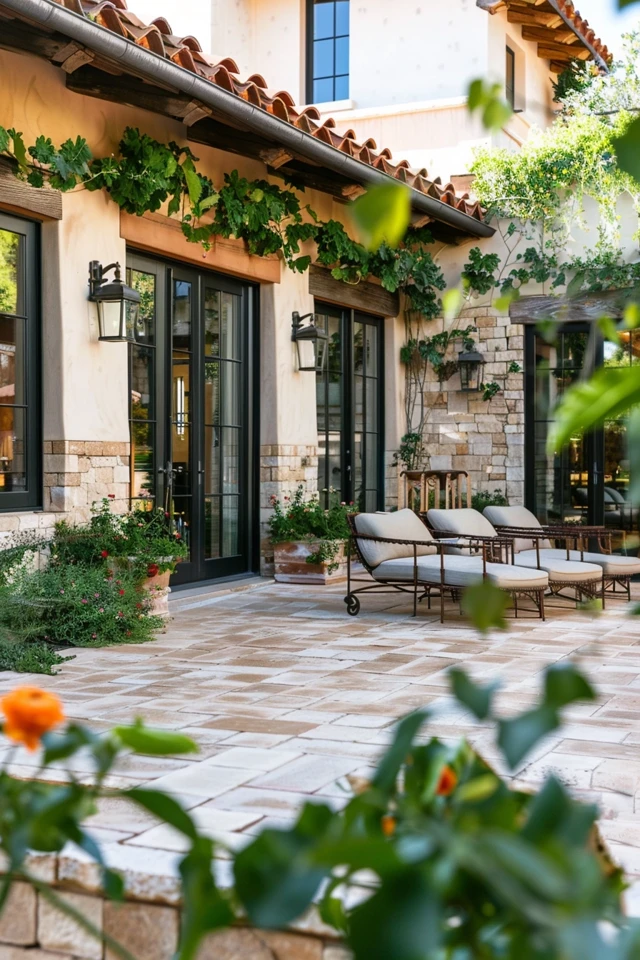
Tuscan Style Patio Ideas for Your Dream Backyard
There is something undeniably magnetic about the Italian countryside. It is not just the visual appeal of rolling hills and stone farmhouses; it is the lifestyle that prioritizes slow living, long meals, and a deep connection to the outdoors. Creating a Tuscan-style patio is about more than just buying a wrought-iron table. It is about crafting an architectural envelope that feels warm, established, and inviting.
In my years designing outdoor spaces, I have found that the Tuscan aesthetic is surprisingly versatile. It works just as well in a sprawling suburban backyard as it does on a compact urban terrace. The secret lies in the color palette, the texture of the materials, and the layering of light and shadow. We want to create a space that feels sun-baked and earthy, yet functional enough for modern entertaining.
I have compiled my best design strategies, material recommendations, and layout tips to help you bring this look home. For a huge dose of visual inspiration, make sure to check out the curated Picture Gallery at the end of this blog post. Let’s start building your slice of Italy.
1. Establishing the Foundation: Flooring and Hardscaping
The floor of your patio is the single most important element in achieving a Tuscan look. In modern design, we often use smooth concrete or composite decking, but Tuscany is all about natural, imperfect stone. You want materials that look like they have been there for a century.
Travertine is the gold standard here. It stays relatively cool underfoot, which is crucial if you live in a hot climate. Look for “tumbled” or “chiseled” edge pavers rather than honed, sharp edges. This texture adds immediate age and character. If real stone breaks the budget, stamped concrete can be a viable alternative, provided you use warm distinct colors like sandstone, ochre, or terracotta.
For a truly authentic look, I almost always recommend laying stone in a “Versailles” or “French” pattern. This is a four-size repeating pattern that breaks up grid lines and feels much more organic than a standard running bond.
Designer’s Note: The Gravel Alternative
One of the biggest hurdles I see with clients is the cost of masonry. If laying 500 square feet of travertine isn’t in the budget, use pea gravel or decomposed granite (DG). It creates a satisfying crunch underfoot and drains water perfectly. To keep it tidy, use steel edging to separate the gravel from your garden beds.
Common Mistakes + Fixes:
- Mistake: Using cool-toned grays or slate.
- Fix: Tuscan style relies on warm earth tones. Stick to beige, tan, cream, and rust. If you are stuck with gray concrete, cover large areas with an indoor-outdoor sisal rug in a warm wheat color.
2. Furnishing for “La Dolce Vita”
Once your hardscaping is set, we need to talk about furniture. The goal is to balance durability with that romantic, rustic aesthetic. While traditional Tuscan design leans heavily on wrought iron, modern living requires a bit more comfort.
I recommend a mix of materials. Start with a heavy, substantial dining table. Ideally, this should be teak that has weathered to a silvery gray, or a stone-topped table on an iron base. Avoid glass-topped tables, as they feel too slick and modern for this style.
For seating, wrought iron is classic, but it can be uncomfortable and hot. Look for cast aluminum with a powder-coated finish that mimics the look of iron but is lighter and rust-proof. Deep seating is non-negotiable for the “lounge” area. Look for sofas with thick, bull-nosed cushions.
Scale and Layout Rules
Scale is where many DIYers get it wrong. In a Tuscan design, furniture should feel weighty, not spindly.
- Dining Clearance: Allow at least 36 inches from the edge of your table to the nearest wall or obstacle. You need room to pull chairs out comfortably.
- Conversation Areas: Place sofas and chairs within 8 feet of each other. If they are too far apart, you lose the intimacy required for conversation.
- Rug Sizing: If you use an outdoor rug, ensure at least the front legs of all furniture pieces are resting on it. A 5×7 rug is almost always too small for a patio conversation set; go for an 8×10 or larger.
3. Creating Architecture and Shade
The Italian sun can be intense, so shade structures are not just decorative; they are survival tools. In Tuscany, shade is often provided by pergolas covered in climbing vines. This creates a filtered, dappled light that is incredibly flattering and relaxing.
If you are building a pergola, the material matters. heavy, rough-hewn timber beams (think 6×6 posts minimum) stained in a dark walnut or left to weather naturally look best. Avoid white vinyl pergolas; they look too plastic and suburban for this aesthetic.
For a softer approach, consider installing a retractable awning with striped fabric. Classic broad stripes in hunter green and cream, or terracotta and beige, immediately evoke a European cafe vibe.
What I’d Do in a Real Project
If I were designing a rental space or a budget project, I would skip the custom pergola. Instead, I would buy two oversized cantilever umbrellas in a canvas or sand color. I would place them on opposite corners of the patio to create a “roof” without the construction costs.
Common Mistakes + Fixes:
- Mistake: Building a pergola structure that is too low.
- Fix: Ensure your overhead beams are at least 8 to 9 feet high. This allows room for hanging lanterns and ensures the space doesn’t feel oppressive, especially if you plan to grow vines on it.
4. The Softscape: Greenery and Containers
You cannot have a Tuscan patio without greenery. However, unlike an English garden which is wild and floral, a Tuscan garden is more structured and relies heavily on productive plants and evergreens.
We want to focus on heat-loving, drought-tolerant plants. Olive trees are the ultimate symbol of the region. If you live in a climate where they won’t survive the winter, plant a non-fruiting variety in a large pot and bring it indoors during freezes, or use a high-quality faux olive tree in a protected corner.
Rosemary, lavender, and oregano are essentials. Not only do they look the part with their silvery-green foliage, but they also release a beautiful scent when brushed against. I like to plant creeping thyme in the gaps between flagstones. It softens the hard edges and smells amazing when you walk on it.
The Power of Terracotta
The vessel is just as important as the plant. You need terracotta pots, and you need big ones.
- The Rule of Odds: Group pots in clusters of three or five. Vary the heights. I usually do one tall urn, one medium round pot, and one low bowl.
- Material Warning: Cheap, thin terracotta cracks in freezing weather. Look for “frost-proof” Italian terracotta (often from Impruneta) or high-quality fiberglass replicas that look like clay but withstand zero-degree days.
5. Lighting and Water Features
The transition from day to evening is when the Tuscan patio truly shines. Lighting should be warm, low, and atmospheric. We are avoiding the “stadium security light” look at all costs.
String lights are your best friend here. String them in a zig-zag pattern across your pergola or open patio. Use “Edison style” bulbs with a warm filament. The color temperature is critical: look for 2700K (Kelvin) bulbs. Anything higher (3000K-5000K) will look blue and clinical.
Iron lanterns placed on the floor or on tables add a historic touch. I often use battery-operated outdoor candles inside them on a timer, so the patio glows automatically at sunset.
Adding the Sound of Water
A water feature is a staple in Mediterranean gardens. It cools the air and provides a soothing background noise that masks traffic or neighborhood sounds. You don’t need a massive swimming pool. A simple wall-mounted fountain or a freestanding tiered fountain fits perfectly.
Designer’s Note:
When choosing a fountain, listen to it before you buy it. Some fountains splash aggressively, while others trickle too quietly. You want a resonant, bubbling sound. Ensure it has an auto-fill valve if possible, so you aren’t dragging the hose out every day in July to refill it.
Final Checklist: Bringing It All Together
Before you start shopping or digging, run through this checklist to ensure you are staying true to the style and your practical needs.
- Measure Twice: Have you taped out the furniture layout on the ground? Ensure you have 30-36 inches of walking path clearance around all furniture groups.
- Check the Palette: Gather samples. Put your stone sample, fabric swatch, and paint chip together in the sunlight. Do the warm tones harmonize?
- Plan for Storage: Where will the cushions go when it rains? If you lack a shed, buy waterproof covers immediately.
- Zoning: Have you defined a dining zone separate from a lounging zone? Use rugs or pot clusters to create visual separation.
- Vertical Interest: Do you have elements at eye level? Use tall plants, a trellis, or hanging lights to draw the eye up.
FAQs
Can I do this style if I am a renter?
Absolutely. Focus on what you can take with you. Invest in a large, warm-toned outdoor rug to cover existing flooring. Use large potted plants to create a perimeter. Buy high-quality furniture that will last, and use string lights on removable poles or command hooks to create ambiance.
How do I keep the stone clean?
Travertine and natural stone are porous. I highly recommend sealing the stone immediately after installation with a penetrating matte sealer. This prevents wine and oil spills from staining the patio. Re-seal every 2-3 years.
Is wrought iron furniture too hot for summer?
It can be. If your patio gets direct, blazing afternoon sun, iron can burn the skin. In this case, always use thick cushions that cover the seat and back. Alternatively, look for furniture with iron frames but wicker or teak contact points.
Can I mix modern elements with Tuscan style?
Yes, this is actually a very popular look called “Modern Mediterranean.” Keep the warm stone floors and olive trees, but swap the ornate iron furniture for clean-lined teak or concrete tables. Keep the color palette warm and neutral, avoiding stark whites or chromes.
Conclusion
Designing a Tuscan-style patio is about creating a sanctuary that encourages you to slow down. It is a style that forgives imperfection—in fact, it welcomes it. Weathered stone, slightly wild vines, and aged wood only make the space feel more authentic.
By focusing on a warm color palette, substantial materials, and layers of lighting and greenery, you can transform even a plain concrete slab into a Mediterranean retreat. Remember to prioritize comfort alongside aesthetics; the most beautiful patio is the one you actually use.
Picture Gallery


